
10 Japanese Foods Neurodivergent Travellers Should Try
Food is often said as the universal language that bridges people across cultures and traditions. Japanese food contains many fermented foods, which not only offer great benefits to your health by diversifying the gut biome, the Japanese diet replenishes minerals important for nervous system regulation . Without further ado, below are some foods that help nourish the bodies of neurodivergent travellers!
Also, here’s a quick table summarizing all the foods mentioned in this article:
| Food | Texture & Taste | Benefits | Easy to Find? |
|---|---|---|---|
| Miso | Smooth, savoury | Fermented food containing beneficial bacteria | ★★★ |
| Konnyaku | Gelatinous, chewy | A low-flavour option with a distinctive texture | ★★★ |
| Nori | Crunchy, salty | Easy-to-eat source of micronutrients | ★★★ |
| Soba | Smooth, slightly chewy | A filling noodle option; 100% buckwheat varieties are gluten-free | ★★☆ |
| Tuna | Soft; varies by cut | Source of omega-3 fatty acids and B12 | ★★☆ |
| Amazake | Smooth drink | Fermented, alcohol-free rice drink | ★★☆ |
| Rice | Soft, simple | Easy to digest and extremely accessible | ★★★ |
| Dango | Dense, chewy | Predictable shape and texture | ★★☆ |
| Strawberry Daifuku | Soft, chewy, juicy | Combination of contrasting but predictable components | ★★☆ |
| Umeboshi | Sour, salty | Strong sensory experience in a small portion | ★★★ |
1. Miso
Source: Unsplash
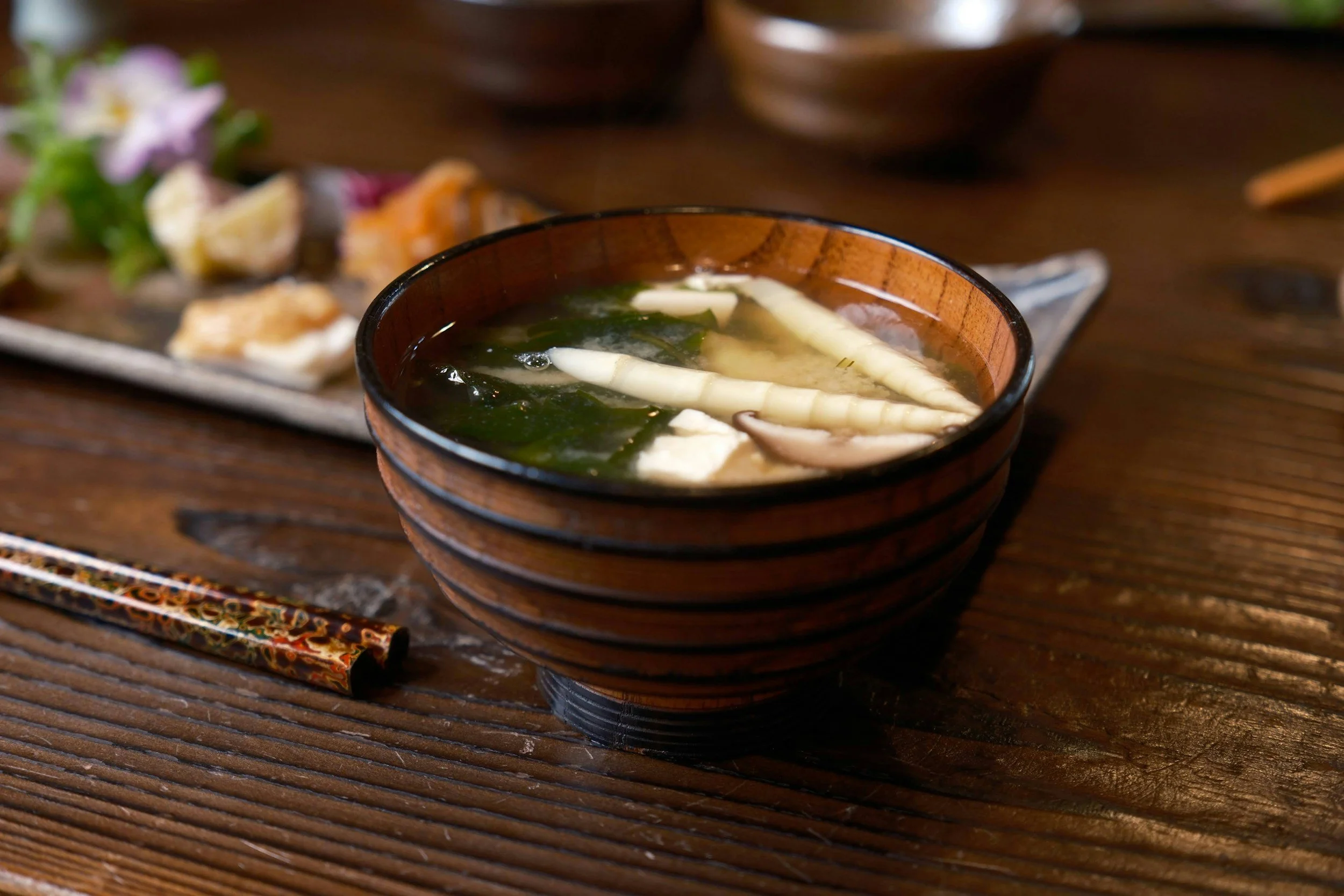
Miso is a paste made from fermented soy beans. It is commonly eaten at almost every meal in Japan, whether in forms of miso soup or even as a flavoring of ramen. Miso is great for people who identify as neurodivergent, as it introduces “good” bacteria like Lactobacillus into your gut. Diversity in your gut helps to reduce inflammation and improve the “gut-brain” axis, or essentially, communication between your brain and the gut that keeps you in balance.
2. Konnyaku (Konjac)
Source: Muji
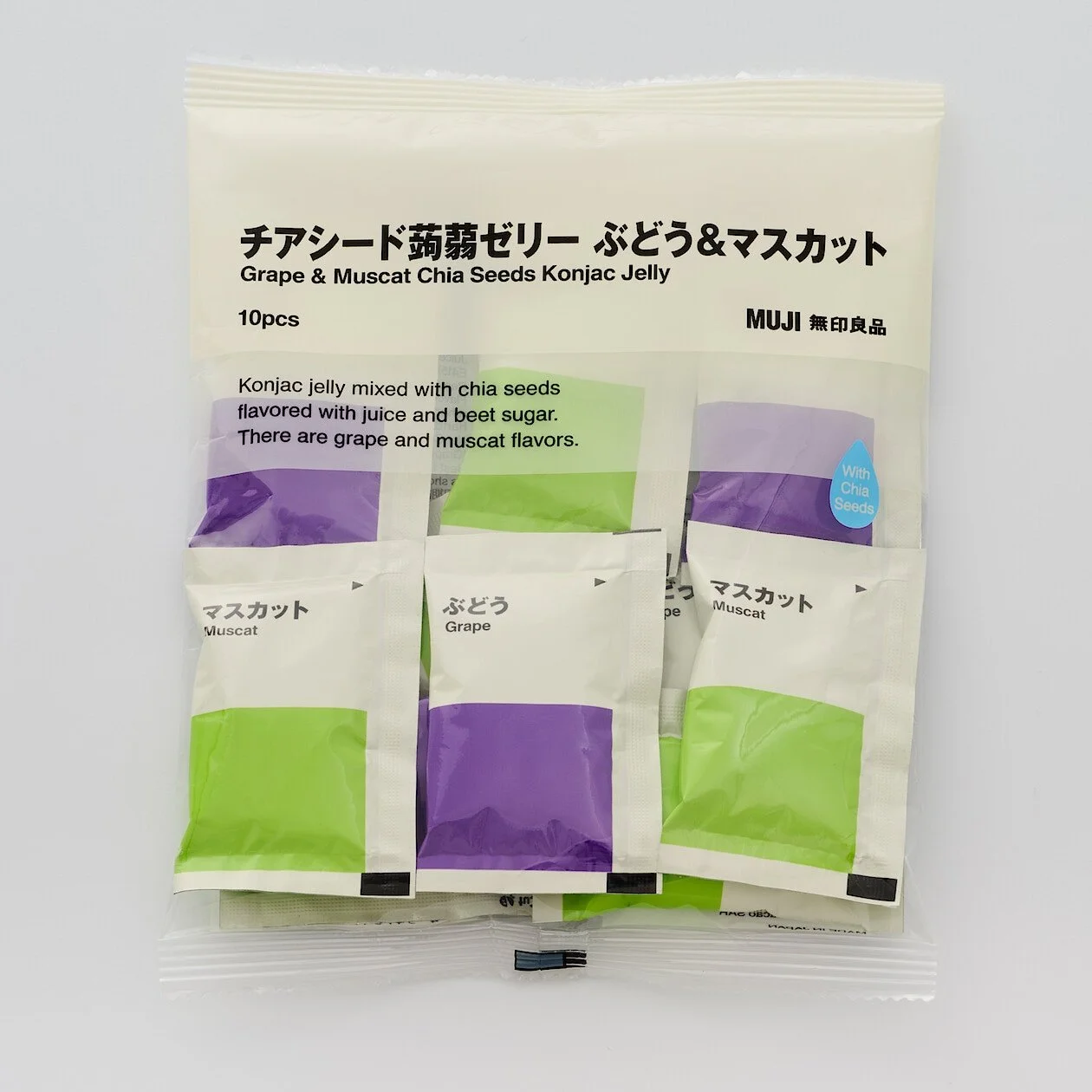
Konjac is a light brown-grey gelatinous food made from yam flour that is often found in bento boxes. Konjac in itself is flavorless but Muji sells delicious fruit konjac in apple, peach, and grape flavors as well as a drink with varying flavors such as lychee, grape, and orange.
Aside from Muji, many stores and supermarkets also sell a variety of konjac that could be enjoyed. They are great as they may help to reduce gut irritation, feed the good microbes in the gut, and help keep blood sugar levels more stable. This is a great option to support the microbiome for travellers who may be feeling anxious about an aspect of their travels.
3. Nori
Source: Unsplash
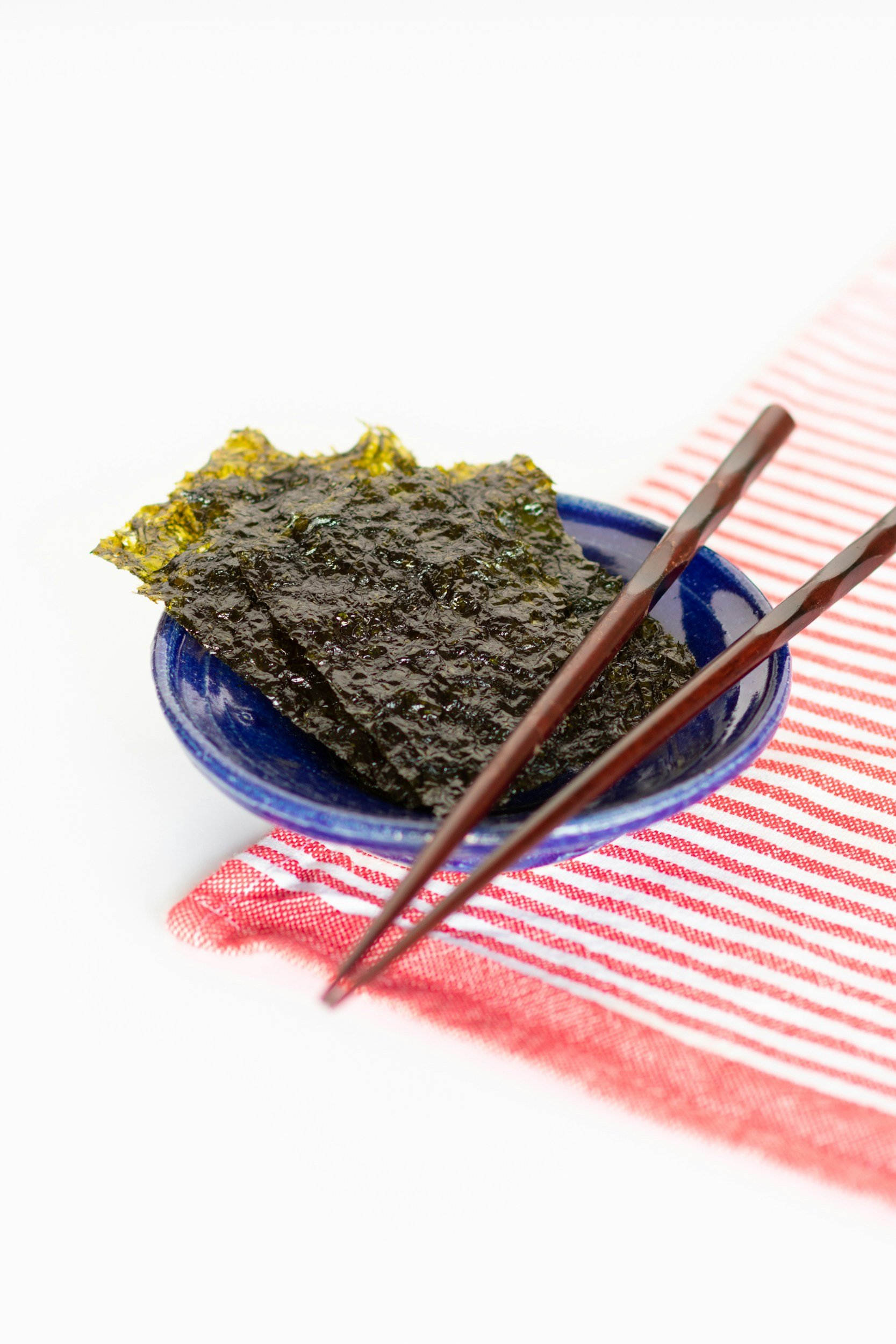
We often see nori or dried seaweed garnishing a bowl of ramen, wrapped around onigiri (rice balls), or sushi rolls.
Nori is a type of seaweed in the form of a dried sheet that is crunchy and salty much like chips, just a healthier version of it since seaweed contains micronutrients, such as B12, Magnesium, Zinc, and Omega-3 Fatty acids. All these micronutrients help support brain function, neurotransmitter balance, and nervous system regulation.
If your hotel offers a Japanese style breakfast, look for nori at the hotel breakfast. You may find it in individually wrapped packages or small pieces of nori may be in a bowl near the rice. Nori can be sprinkled on top of rice to add nutrients to the rice.
4. Soba
Source: Unsplash
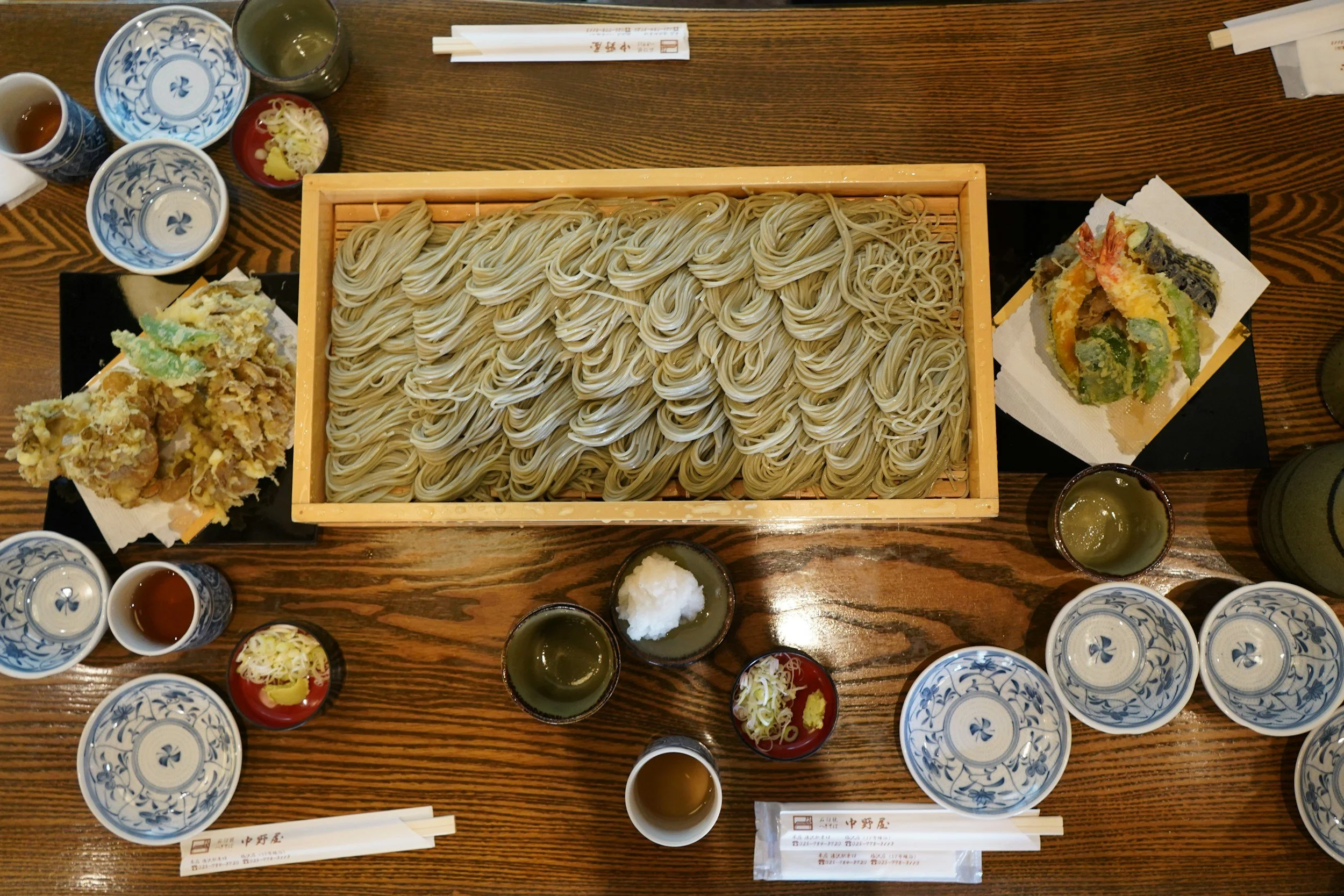
Soba noodles are famous for its smooth and slightly chewy texture as it is made from buckwheat, and are a gluten-free fiber source (as long as it is 100% buckwheat with no soy sauce).
When ordering soba, they are often served with soba tea, which often reuses the water the noodles were cooked in. This helps retain the nutrient dense water that contains minerals like magnesium that promote calm and focus without disrupting the nervous system. Soba noodles are also a great choice for Japan travellers in the summer to stay hydrated.
5. Tuna
Source: Unsplash
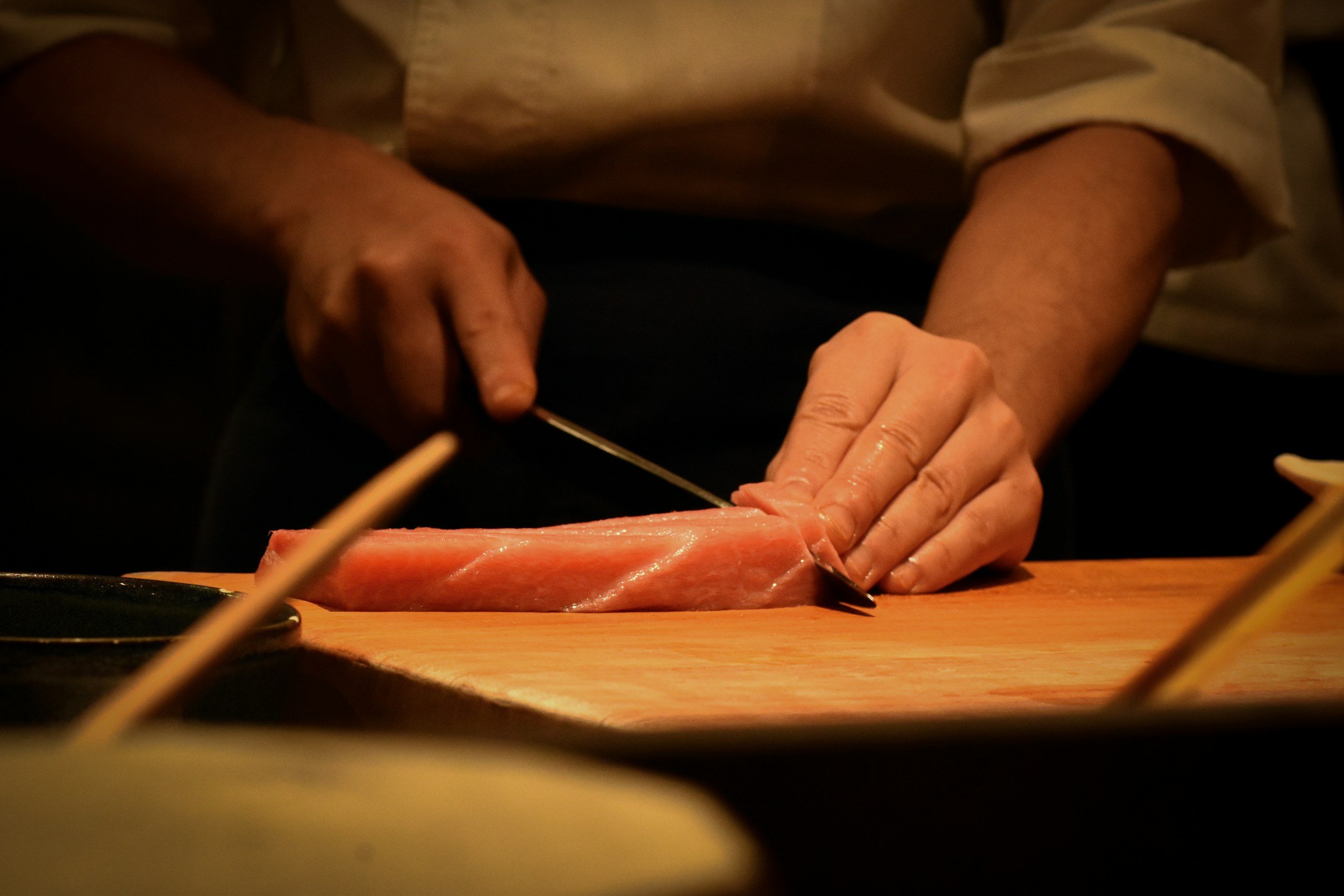
Tuna, or maguro in Japanese, is one of the most widely served fish in Japan. It is easily noticeable with its bright red color. Most fish are served raw in Japan as sashimi, not excluding tuna. Rest assured that raw fish in Japan is as fresh and as good as it gets, mainly due to its strict hygiene handling.
Tuna is great since it is packed with omega-3 fatty acids and B12 vitamins that supports general brain health. When visiting a sushi shop, you might notice there are several different options in types of tuna. Usually the options relate to how much fat the cut of tuna has, with the more fatty versions being more expensive.
We recommend the medium cut tuna, as in our experience, this is what the sushi chefs like to eat most. Travellers who are sensitive to texture may find the fatty tuna too buttery.
6. Amazake
Source: Morinaga
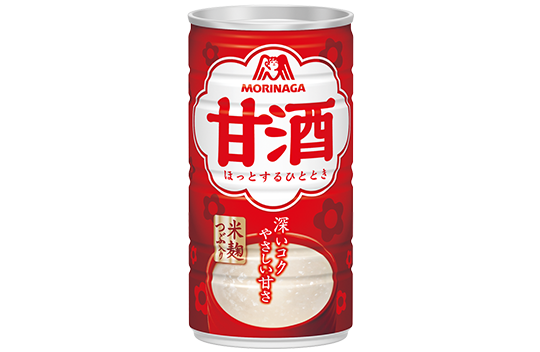
Amazake is a versatile fermented rice drink that could be served hot in the winter and cold in the summer. It is also alcohol free despite the sake (酒) kanji that might make you think otherwise.
This drink provides probiotics and is nutrient dense which support regular digestion, have been reported to lead to better sleep as rice koji amazake contains GABA, and overall help calm the nervous systems with its vitamin B6 and B5.
This drink can often be found when visiting shrines or temples in the winter, and may even be offered to visitors in a small paper cup, or even in convenience stores.
7. Rice
Source: Unsplash
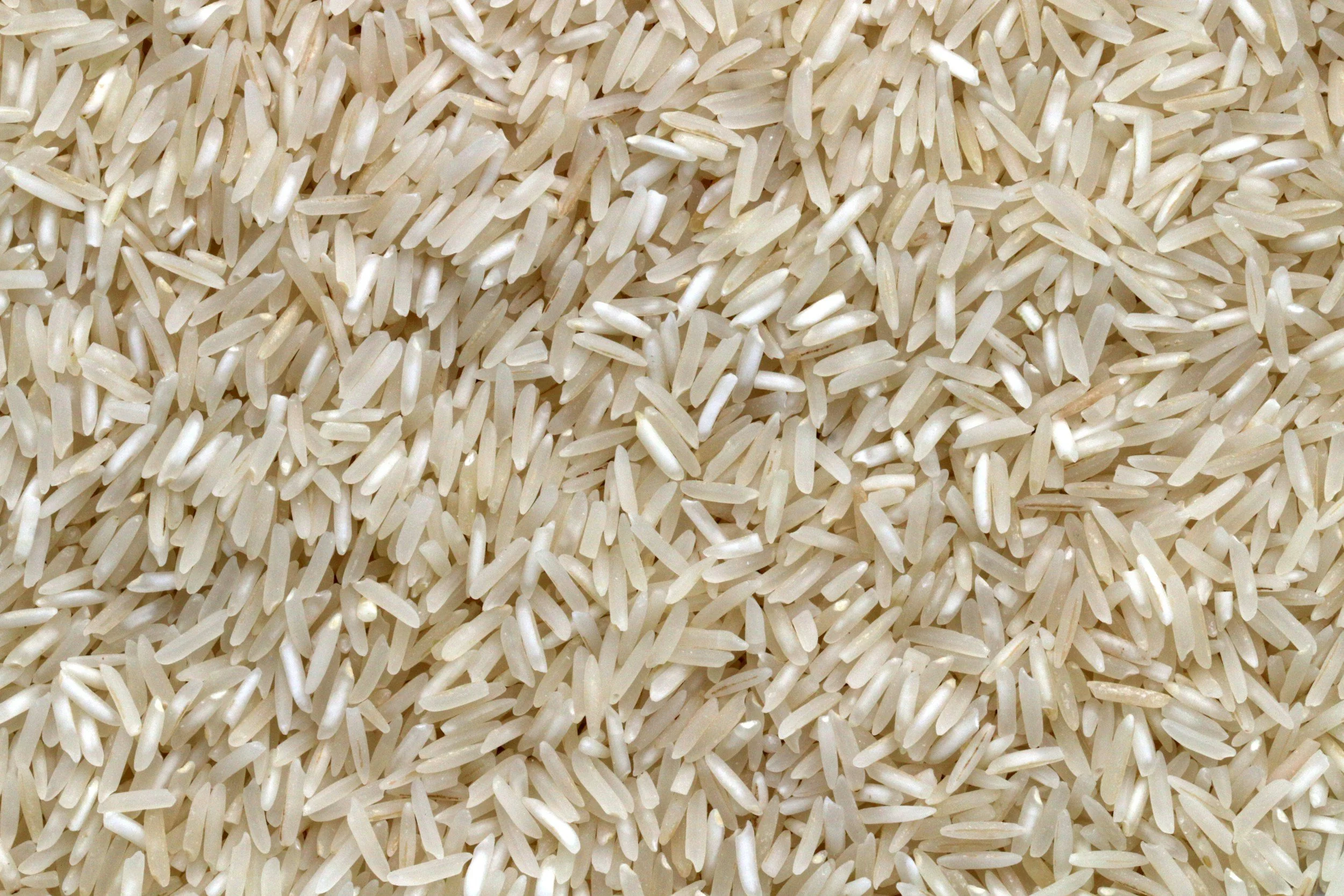
Believe it or not, Japanese rice actually tastes different and there are many varieties of rice here in Japan but the most famous type is Koshihikari from Niigata prefecture. Rice is easy to digest, gluten-free, and provides steady energy throughout your trip. It is also extremely accessible in Japan, whether it is in an onigiri (rice balls) or even your teishoku (Japanese set meal).
Many restaurants will allow patrons to define how much rice they would like with their meal, offering patrons a small, medium, or large portion. The medium sized portion is a typical rice bowl size. Some would also have the option to refill your rice with no additional charge.
8. Dango
Source: Unsplash
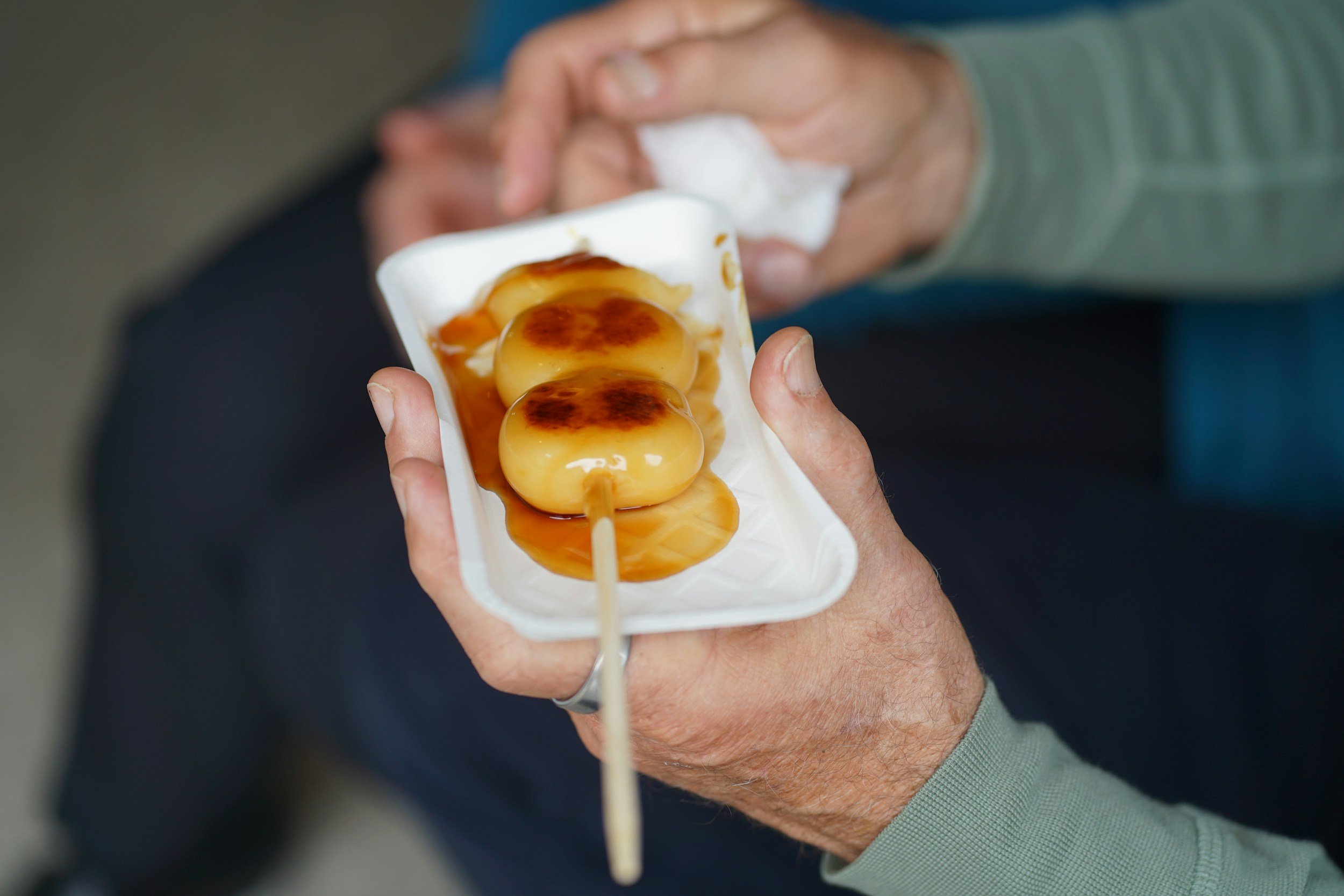
Dango or a roasted rice dumpling, is actually popular in Japan as a festival street food snack but it has become widely available over the past years. With its dense and highly chewy texture, dango provides a predictable, highly regulation-friendly sensory experience through texture, shape, and preparation.
The dango’s consistent texture is a great option for people who may be sensitive to textures in food. Travellers will find different flavors of dango in different locations. Mitarashi Dango, or a glazed rice dumpling, is the most commonly found and easily recognizable with its sweet soy glaze poured over the top.
9. Strawberry (Ichigo) Daifuku
Source: Unsplash
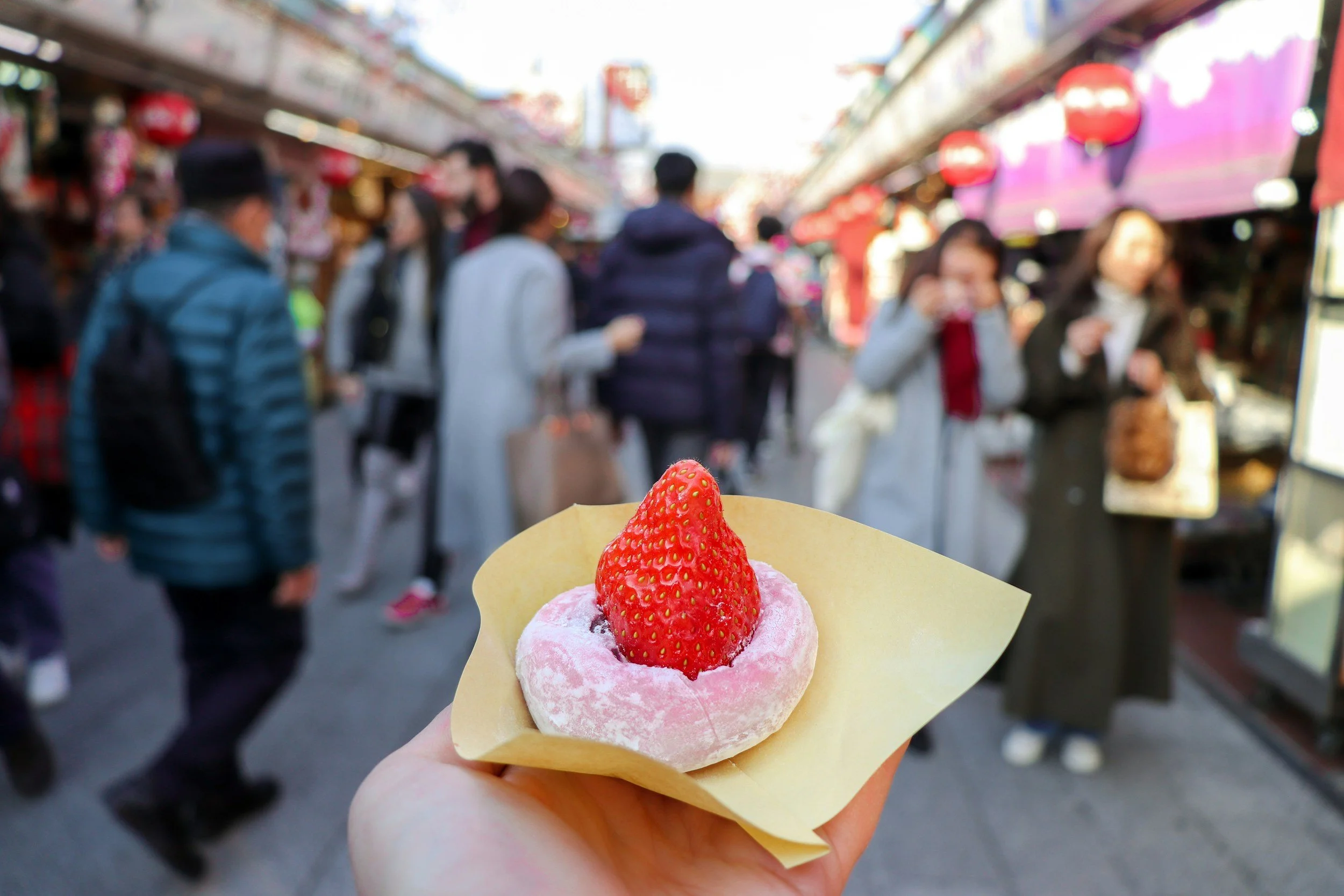
Ichigo Daifuku is a fresh, juicy strawberry and sweet red bean paste wrapped in pillowy mochi. Much like Dango, Ichigo Daifuku is a great snack that offers a predictable sensory experience. Moreover, it offers a distinct combination of executive function-supporting vitamins like vitamin C, anthocyanins, and ellagic acid from the strawberry. The anko (sweet red bean paste) also provides an excellent plant-based source of iron and zinc. The daifuku snacks are easy to spoil without refrigeration, so be sure to eat your snack quickly or ask for an icepack (horei-zai) when purchasing if you will eat it later.
Winter is strawberry season in Japan, so this Japanese food is most common in the winter and spring seasons, and becomes rare through the summer and fall months. As an alternative to ichigo daifuku in the summer, look for fruit sandwiches at the conbini (or local markets) with whipped cream and fruit in the insides.
10. Umeboshi
Source: iStock
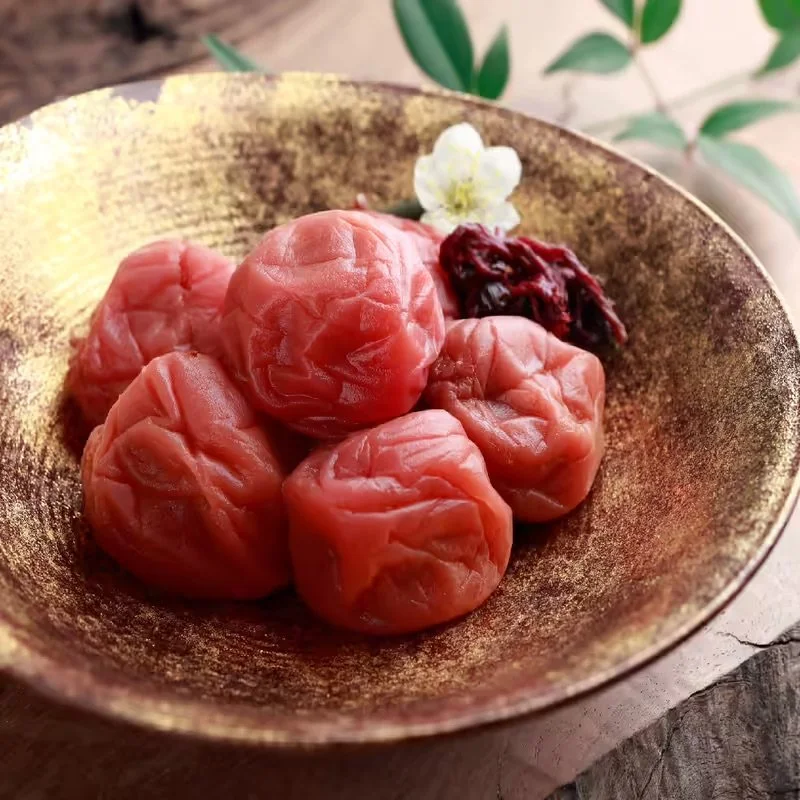
Umeboshi is a pickled plum commonly seen on top of a bowl of rice, inside onigiri, or in a bento. It is also widely available in supermarkets, convenience stores, and department stores.
Umeboshi does have an intense sharp sourness and high saltiness flavor profile that provides an immediate sensory reset. It is also rich in gut-health properties like Lactobacillus, citric acid, malic acid, magnesium, and potassium that support the gut-brain connection. Like nori, whole umeboshi, dried umeboshi, or diced umeboshi can often be found at Japanese-style hotel breakfast buffets throughout Japan.
These foods were curated by TokudAw cofounder and nutritional scientist, Wanping Aw, with the hopes that it may help every traveler planning to come visit Japan!
FAQs
Which of these foods are easiest to find in Japan? Rice, nori, konnyaku, umeboshi, and onigiri are particularly accessible. Aside from being served in hotel buffets, set meals, they are widely available in supermarkets, department stores, and convenience stores.
What Japanese food makes a great souvenir? Muji’s konjac jelly would be the best option as it is pre-packaged, easily shareable, and doesn't risk making a mess in your suitcase.
Are these foods safe if I have a food allergy or dietary restriction? Not automatically. Ingredients and preparation methods can vary, so always check the individual product or restaurant and communicate your allergy clearly. Japan's Consumer Affairs Agency provides an English food-allergy communication sheet for travellers, and Japan's packaged-food allergen labelling system is worth becoming familiar with. (https://www.caa.go.jp/en/policy/food_labeling/)
Plan a Neurodivergent-Friendly Trip with TokudAw
TokudAw specializes in intuitive travel designed for all types of people, including neurodivergent explorers. Travel is centered around you and private vehicles, with custom daily pacing that suits your needs. We focus on the details that matter: sensory-friendly transport, predictable transitions, and communication that works for you. With TokudAw, you are the one making decisions as we curate an experience that you will never forget.
