
Embarking on a Pilgrimage in Japan
Source: Unsplash
History of Pilgrimages in Japan
The pilgrimages consist of two of the most ancient and spiritual routes that have been embedded into the heart and soul of the culture and history of Japan. These two routes have both been shaped by over a millennium of religious fusion. The names of these two historical and iconic pilgrimages are The Kumano Kodo and the Shikoku Pilgrimage.
The Kumano Kodo
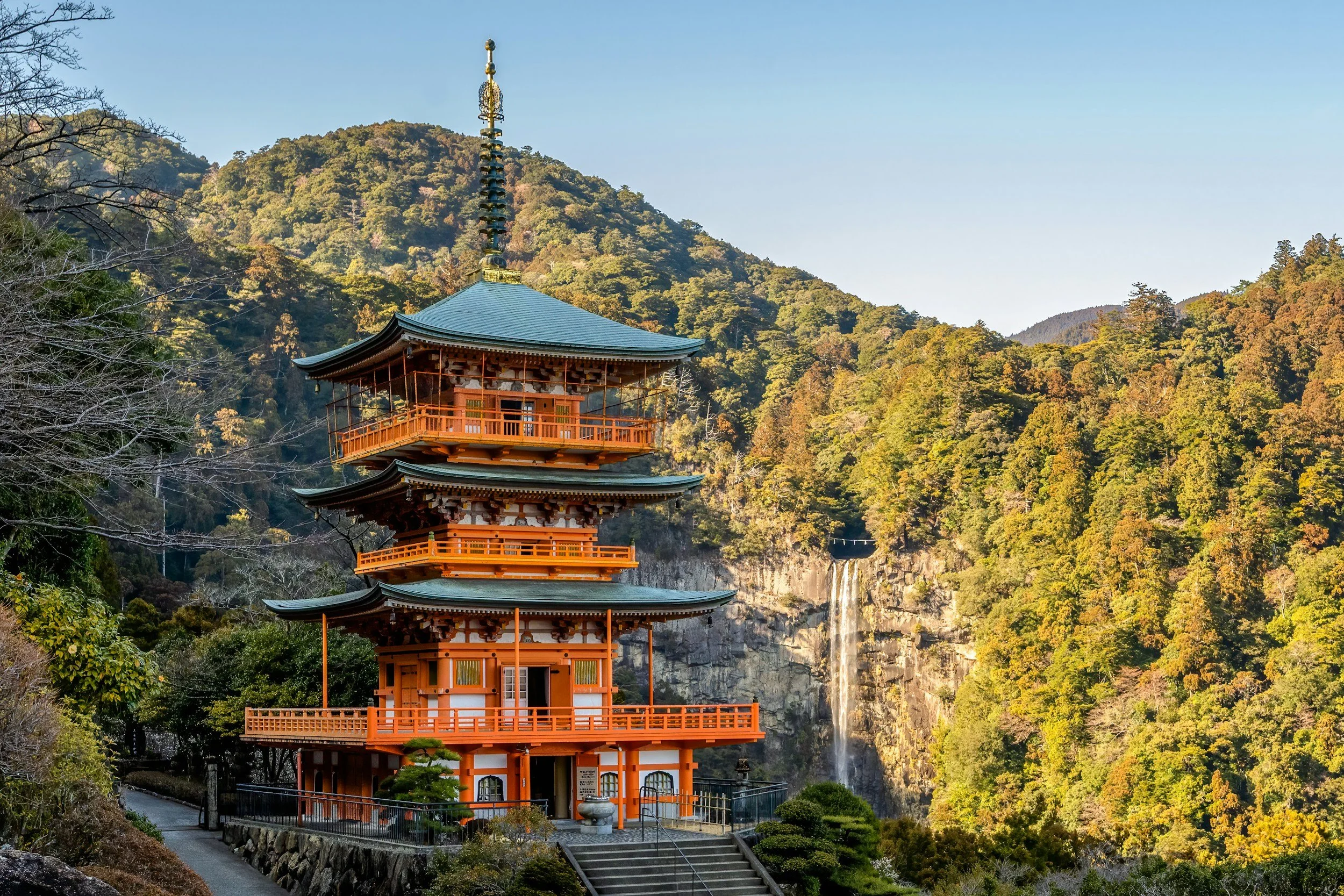
The route of the Kumano Koko located in The Kii Peninsula spans across the Wakayama, Mie, Nara, and Osaka prefectures. Making the total length 65 to 70 kilometers. This route has been used for over 1,000 years by emperors, aristocrats, and commoners seeking spiritual rebirth. Connecting three grand shrines: Kumano Hongu Taisha, Kumano Hayatama Taisha, and Kumano Nachi Taisha. The kumano kodo is still being used today by hikers and spiritual explorers.
The Shikoku Pilgrimage
Much like the Kumano Kodo, The Shikoku Pilgrimage is also used for those looking for spiritual guidance. With Buddhist monks being the earliest people to use this trail estimated to be around 1,200 years ago. Eventually being used by common members of Japan including the sick and travelers from all over. Unlike the Kumano Kodo, this route is much longer and harder. The Kumano Kodo takes around 4-5 days to complete but to complete the full loop of the Shikoku Pilgrimage it takes roughly around 50-60 days to complete spanning across 88 temples. (starting in the Tokushima Prefecture and ending in the Kagawa Prefecture).
What can be learned from hiking the The Kumano Kodo or the Shikoku Pilgrimage?
The trails can teach you the rules of nature as well as how to become mentally strong, motivating yourself to place one foot in front of the other. Hiking long trails can help you seek mentorship from others on the trail—often in Japan you’ll encounter older hikers who regularly stay fit. This is the essence of the senpai-kohai culture in Japan.
Who should go on a pilgrimage?
Completing the full trail can be quite tough, but most can accomplish even a part of it. In modern day, a portion of the trails can be reached by accessing the important temples and shrines along the journey. Unfortunately, as these are old trekking paths, they are riddled with large stones and stairs and are not accessible for those who use a wheelchair or other mobility tools. It is not advised for those with knee injuries to trek on a pilgrimage trail.
TokudAw’s transportation can be hired to take you to the starting trail, pick you up from the finishing spot, or even drive you from the key point to the next key point. This is a great option for those with mobility support needs who still want to experience the power of a pilgrimage.
How should you plan for recovery after hiking or exploring the pilgrimage trails?
TokudAw recommends soaking in an onsen or sento. Read our blog article about the differences between onsens and sentos to determine which is right for you. For those who hire us for itinerary planning, we can advise you on the best onsen to help you recover, offering advise form our in house onsen sommelier, or certified onsen advisor.
