
Japanese good luck charms: Must-buy souvenirs for you and your loved ones
If you're visiting Japan, chances are you'll want to bring home something more meaningful than a keychain or refrigerator magnet. One of the things I noticed while traveling around Japan is how often good luck charms appear in everyday life. You'll find them at temples, shrines, shops, train stations, and even offices. Many of these charms are tied to centuries of Japanese traditions and are believed to bring protection, prosperity, good health, or success. They're also lightweight, affordable, and easy to pack, making them great souvenirs for friends, family, coworkers, or yourself.
Kokeshi Dolls
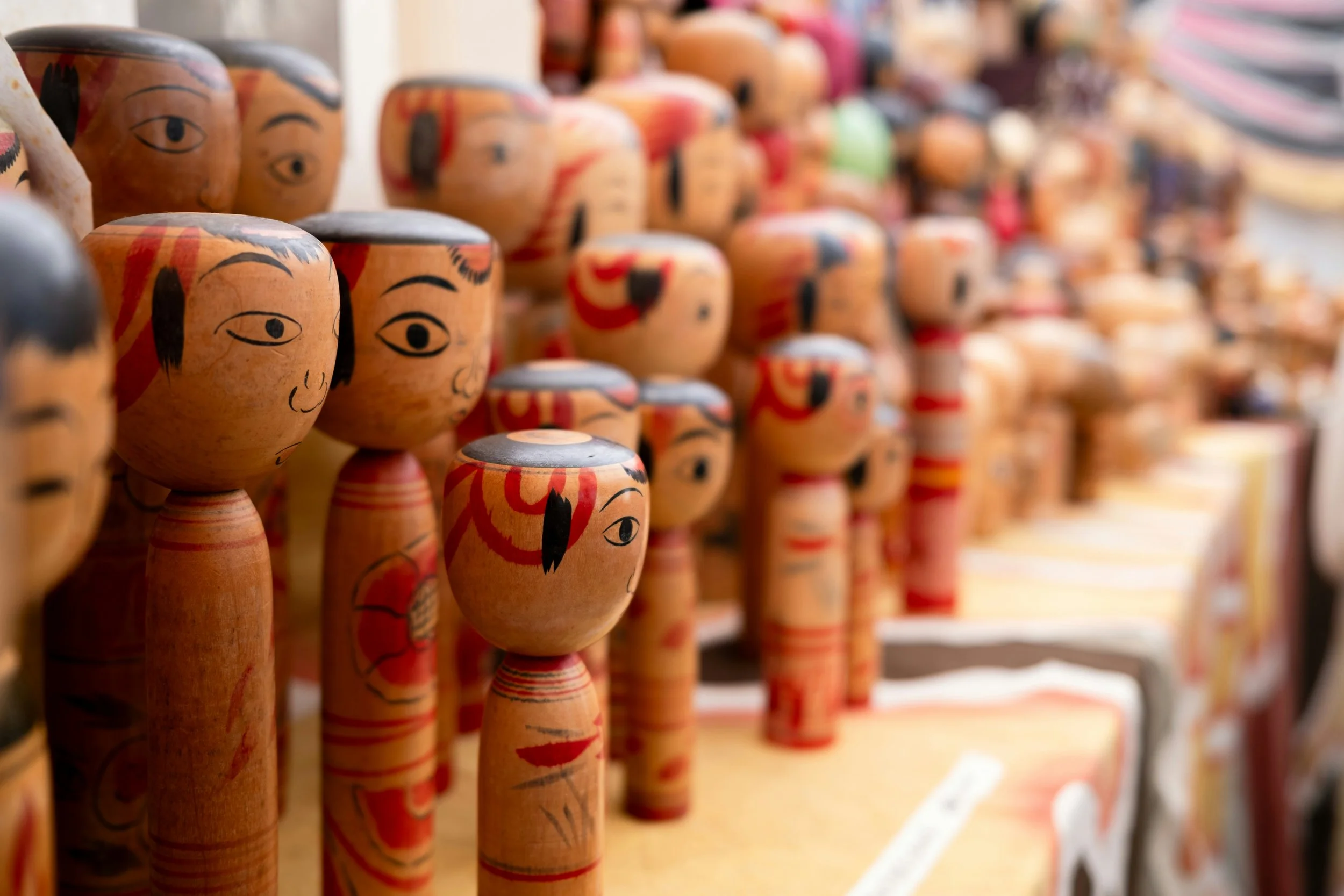
If you're looking for something different from the usual souvenirs, kokeshi dolls are worth a look. These traditional wooden dolls have been made in Japan for generations and originally became popular as gifts for children. One of the things that makes kokeshi interesting is that different regions of Japan have their own styles. Some are brightly painted while others have a more simple design. Because they're handmade, no two are exactly alike.
Where to Buy
Traditional craft stores
Souvenir shops
Department stores
Airport gift shops
Typical Cost
¥1,000–¥5,000
Best For
Children, collectors, and home decoration.
Maneki-neko
Even if you've never heard the name, you've probably seen one before. Maneki-neko is the famous waving cat often displayed in restaurants, shops, and businesses throughout Japan. Many people believe these cats bring good fortune and prosperity. Traditionally, a raised right paw is associated with money and wealth, while a raised left paw is said to attract customers and relationships. They're one of the most recognizable Japanese souvenirs and come in every size imaginable, from tiny desk decorations to large display pieces.
Where to Buy
Asakusa souvenir shops
Gotokuji Temple area
Department stores
Gift shops throughout Japan
Typical Cost
¥500–¥10,000+
Best For
Business owners, entrepreneurs, coworkers, and anyone starting a new chapter in life.
Omamori
If you've visited a Japanese shrine or temple, you've probably seen colorful fabric pouches hanging near the entrance. These are called omamori. Different omamori are created for different purposes. Some are meant to bring good health, while others focus on safe travel, exam success, business prosperity, or protection from bad luck. Because they're small and inexpensive, they're one of the easiest souvenirs to bring home for family and friends.
Where to Buy
Most shrines and temples throughout Japan
Typical Cost
¥500–¥2,000
Best For
Travelers, students, drivers, and family members.
Omikuji
One of my favorite experiences at Japanese temples is trying an omikuji. The process is simple. You make a wish or think about a question, shake a container, draw a numbered stick, and receive a fortune based on that number. The fortune may predict excellent luck, average luck, or occasionally some challenges ahead. If you receive a fortune you don't like, it's common to tie it to a designated rack or tree at the shrine and leave the bad luck behind.
Where to Experience It
Most major shrines and temples
Typical Cost
¥100–¥300
Best For
Anyone interested in Japanese traditions.
Daruma
Daruma dolls are one of Japan's most popular symbols of perseverance. When you set a goal, you color in one eye. Once you achieve that goal, you fill in the second eye. You'll often see them in offices, schools, businesses, and homes throughout Japan. They're especially popular around New Year's when people set goals for the year ahead.
Where to Buy
Temple gift shops
Asakusa
Traditional markets
Souvenir stores
Typical Cost
¥800–¥5,000+
Best For
Students, business owners, entrepreneurs, and anyone working toward a goal.
Hariko
Hariko are traditional papier-mâché figures made using Japanese washi paper. You'll find them in the shape of animals, dolls, and other traditional characters. Historically, they were believed to help protect against illness and bad luck. Today they're popular as decorations and unique souvenirs that showcase traditional Japanese craftsmanship.
Where to Buy
Traditional craft shops
Folk art museums
Regional souvenir stores
Typical Cost
¥1,000–¥5,000
Ofuda
Ofuda are slightly different from omamori. While omamori are usually carried with you, ofuda are traditionally displayed in homes or businesses. They contain blessings from a specific shrine or temple and are believed to help protect the household and bring prosperity.
Where to Buy
Shrines
Temples
Religious gift shops
Typical Cost
¥500–¥2,000
Goshuincho
If I had to recommend one souvenir that becomes more meaningful over time, it would be a goshuincho. A goshuincho is a special book used to collect goshuin, the beautiful calligraphy stamps available at temples and shrines throughout Japan. Each stamp is unique and includes the date of your visit. By the end of your trip, the book becomes a personal record of the places you've explored.
Where to Buy
Temples and shrines
Loft
Tokyu Hands
Stationery stores
Typical Cost
¥1,000–¥3,000
Best For
Travelers, collectors, and anyone who enjoys keeping memories from their trip.
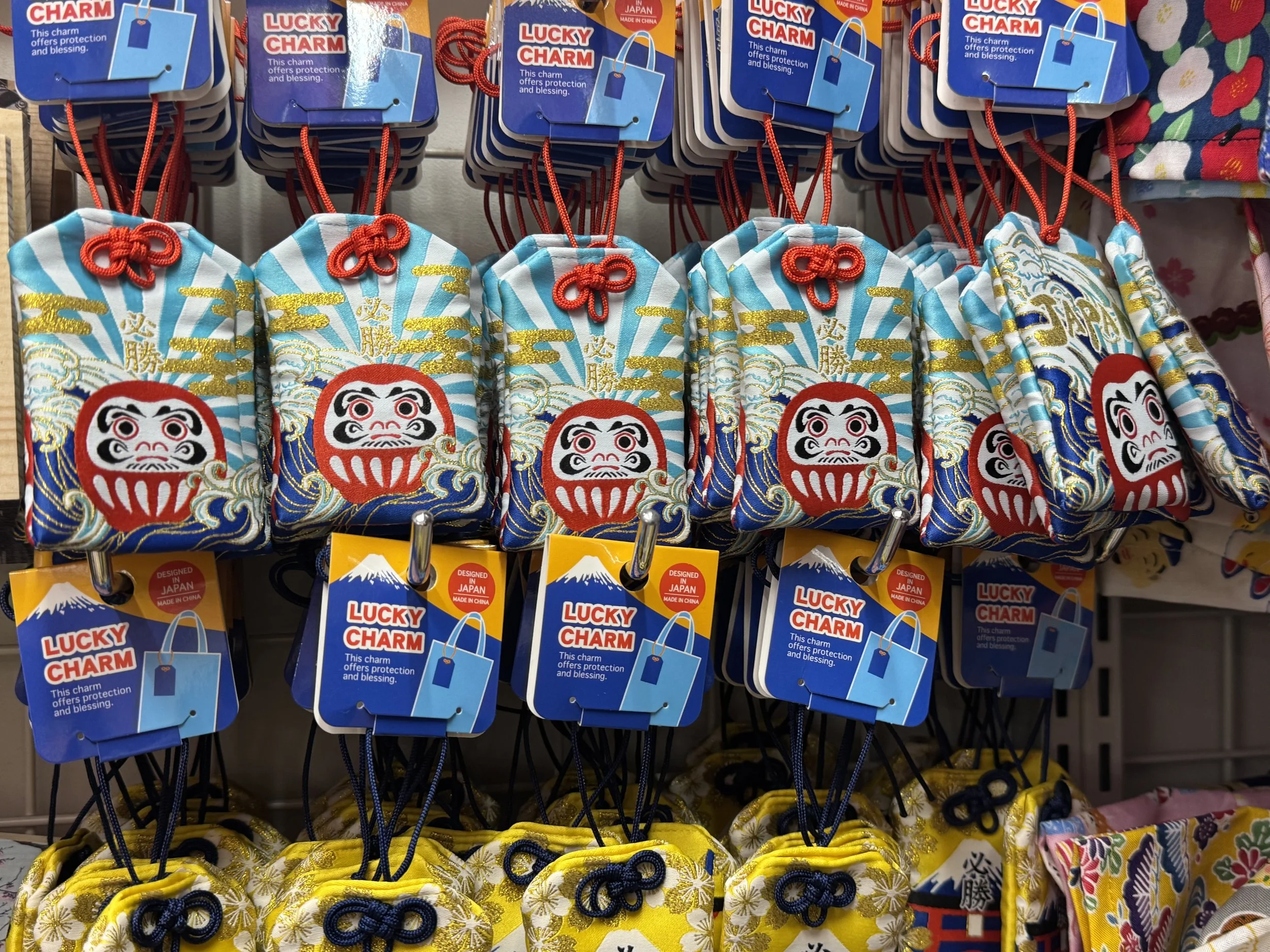
Daruma omamori bringing prosperity and good fortune
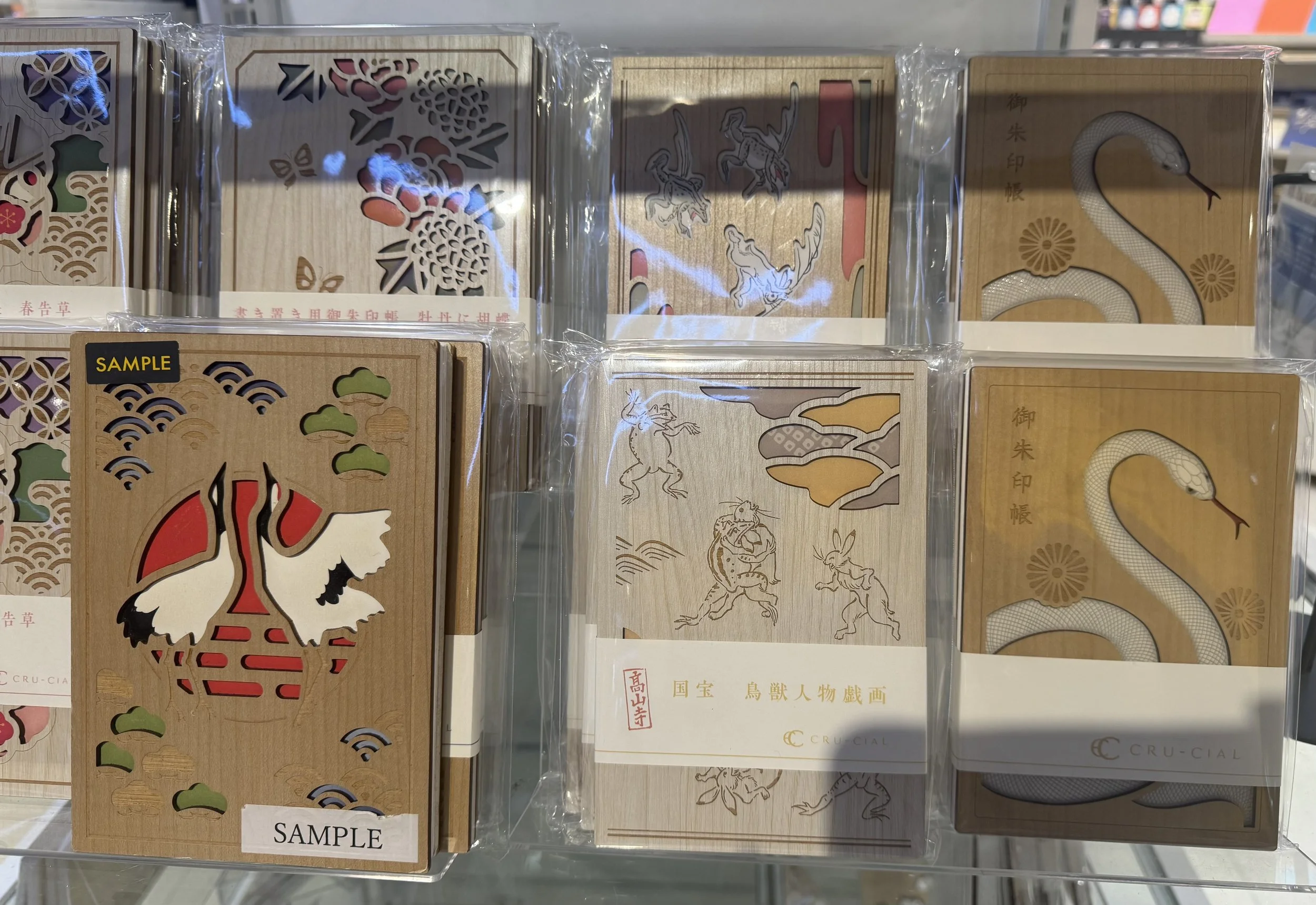
Goshuincho available at staionery stores with traditional Japanese animal designs
Looking for Gifts for Coworkers or Family?
Good luck charms are popular because they're easy to pack, affordable, and uniquely Japanese. If you're traveling to Japan for work, you may also want to do a little shopping while you're here. Japan has excellent options for business attire and professional clothing.
Affordable Options
Premium Options
If you're short on time, many major stations, department stores, airports, and shopping streets such as Nakamise Street in Asakusa make it easy to find souvenirs and gifts in one stop.
Looking for More Japanese Souvenir Ideas?
Good luck charms are only one category of souvenirs you'll find throughout Japan. If you're looking for additional gift ideas, local foods, traditional crafts, and uniquely Japanese keepsakes, check out our guide to Top Japanese Souvenirs Worth Bringing Home.
Quick Comparison Guide

Frequently Asked Questions
Which Japanese good luck charm makes the best gift?
Omamori are one of the most popular choices because they're affordable, easy to carry, and available for different purposes such as health, travel, and success.
Can tourists buy omamori and ofuda?
Yes. Visitors are welcome to purchase both at most shrines and temples throughout Japan.
What is the difference between an omamori and an ofuda?
Omamori are designed to be carried with you, while ofuda are typically displayed at home or in a business.
What is a goshuincho used for?
A goshuincho is a special book used to collect temple and shrine stamps called goshuin.
Which charm is best for business success?
Many people choose a maneki-neko or a daruma because both are associated with prosperity, success, and achieving goals.
There's So Much More to Discover
These charms are only the beginning. Every region of Japan has its own traditions, local crafts, and unique cultural experiences waiting to be explored.
If you'd like help discovering local markets, historic shopping streets, temples, shrines, and hidden cultural experiences throughout Japan, TokudAw can help create a customized itinerary with private transportation, flexible daily pacing, and hassle-free logistics.
Book with TokudAw here to explore Japan beyond the guidebooks.