The JRA Tokyo Racecourse Museum
What does The Tokyo Racecourse have to offer?
The Tokyo Racecourse is a historical track, first opening in 1933 and was renovated in 2007 and offers more than just watching horse racing. The grounds are home to the JRA Tokyo Racecourse Museum with visitors being able to get close to the horses, depending on schedule and weather.
The Tokyo Racecourse was built over and replaced the former Meguri Racecourse which opened in 1907. 1933 was the year it was rebranded and replaced the former racetrack which has since become known as the “racecourse of racecourses. The race course was allowed to still operate as a racecourse until 1939 when the military started using the venue for military horses and then 1943 horse racing was stopped nationwide. After the years of World War II, parts of the racecourse were turned into a farm of sorts where sweet potatoes were mainly grown. This was because post war Japan went through a massive food shortage and needed to find ways to produce local produce for the people. Finally in 1947 the first race was held back at the racecourse. The race was called The Satsuki Shō. Then later on that year the Japanese Derby (The Tokyo Yūshun) was held after its cancellation in the year of 1945. Which was the year the track ceased public operations entirely.
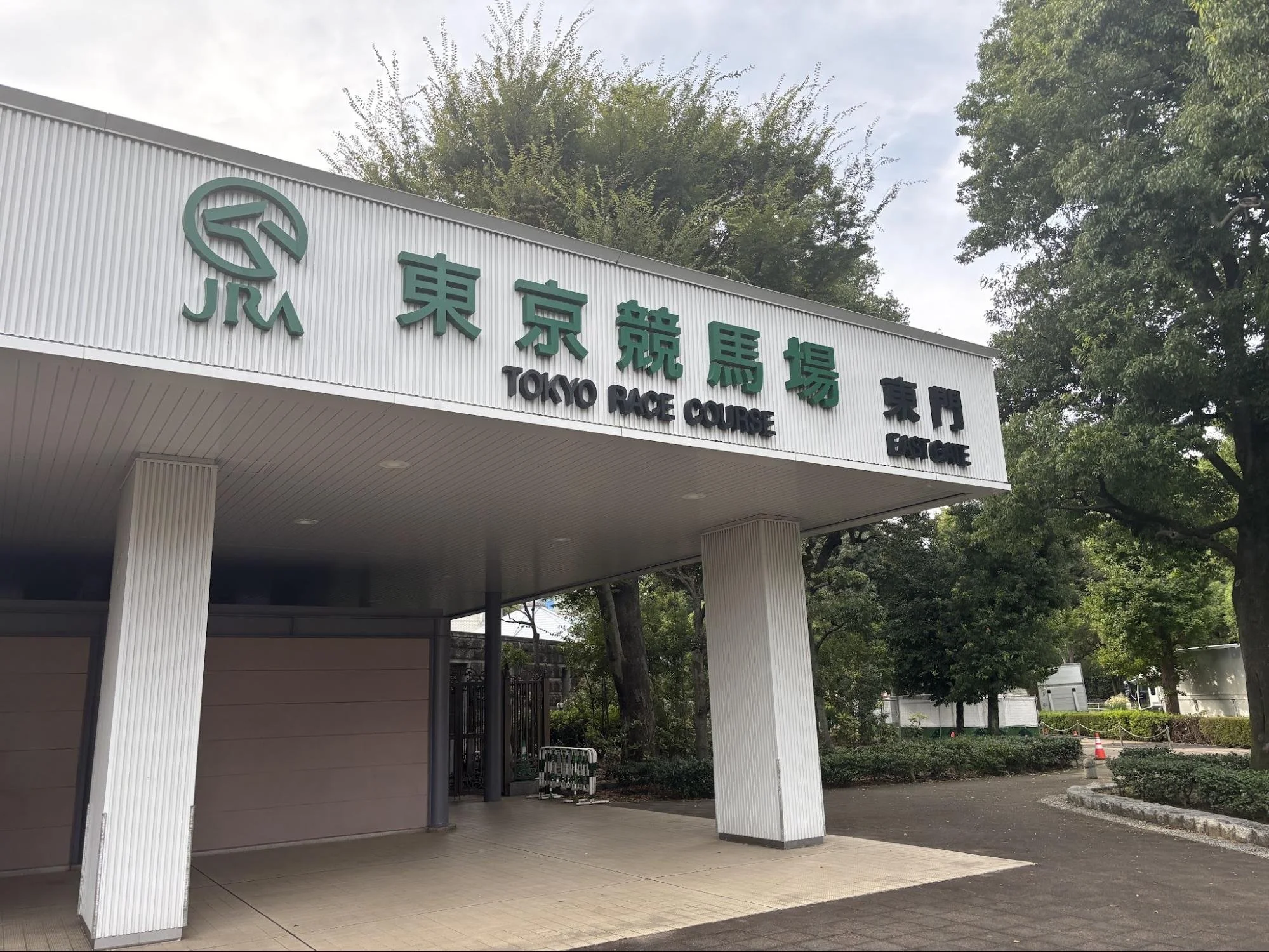
Nearby the Racecourse, is a Japanese garden as well as play areas for kids. On non-race days enter through the east gate and will be able to enter the park for free and have access to limited things like the Museum which is filled with years of rich history that contains the likes of a full Hall of fame section for both horses and jockey over the years, exhibition rooms and the life size starting gate exhibit and so much more. The entry to the museum on non race days is completely free as well as entry into the racecourse. However on race days there will need to be a payment for the museum (200 yen) making a visit an affordable day for all types of people.
Source: TokudAw Staff
What else does the museum have?
Source: TokudAw Staff
The museum does not just showcase the history of horse racing through displays but also has several interactive displays and features as well. These features consist of a virtual racing simulator that is mainly aimed at kids where they can have their picture taken and choose a jockey's silk (which are the shirts and matching hats worn in races) and aim to win a race on this simulator.
A 150-inch projection monitor showcases various movies about horses and equine culture. Although the movies are in Japanese with no subtitles it is still easy to follow along with and understand.
In addition to the 150-inch projection monitor, a live theatre where 4 videos get put on display. In these 3 videos, you can expect to see a video made directly for children where you learn about the abilities of a horse and what a thoroughbred is. The second video shows you what it takes to be the horse leading the way to glory. The last video is about the Japanese Derby in 2016.
From the simulation to the videos and even the play park area just outside of the museum, the whole experience can definitely be enjoyed by children of all age ranges. From what we saw the exhibits that we would recommend the most would be virtual racing. As this allows them to put themself in the boots of a jockey and experience what it could feel like to be racing down on that track.
Is the Tokyo Racecourse museum accessible?
Source: TokudAw Staff
The JRA Tokyo Racecourse Museum is accessible including those who are wheelchair users. The museum is designed to accommodate wheelchair users with elevators that give you access to the 2 floors of the museum. Multi- purpose toilets built to accommodate wheelchairs as well as there being a information and support counter at the entrance of the museum so the staff can be there to help assist you if you are in need of help for navigating the venue. With the museum having a more of an open plan design with few doors, those who are in a wheelchair to be able to get around without many restrictions. The doors separating the two hall of fame rooms are automatic doors. The main restriction comes from the glass-enclosed viewing window that looks directly out onto an outdoor pond, which is not wheelchair accessible.
To fully experience the viewing area there are around 3 steps down to the seating area that overlooks the pond. However the stairs are not a necessity as you can still experience the view without being in the seating area. This is helped by the more open plan of the museum.
The museum's exhibits are mainly in Japanese. However, the hall of fame sections balance both Japanese and English areas. There is also an English pamphlet that shows you the layout of the museum and what to expect in each section with a little write up about the museum itself. Unfortunately, there is no audio tour for the museum so for someone who has blindness or a visual impairment.
Are there options for those who have specific dietary restrictions?
Food options will drastically change depending on the day you are planning to visit the race course. For example on racedays there are 70 plus restaurants serving everything from takeaway to full course meals. These restaurants can range from world wide known food chains like Kentucky Fried Chicken (KFC) and Yoshinoya who are known for their Japanese beef bowls. Down to racecourse specialties and local favorites like Koichiro who are known for mocha soft-served ice cream and Do-Miso who serve rich, flavorful miso ramen. Making food options not a problem and there being something for those who require certain dietary needs.
Whereas on non race days with the majority of the park being closed off to the public, there is no food servicing open. With the best options for purchasing food will be nearby convenient stores. These being your 7-Elevens, FamilyMarts and Lawsons.
What is the most interesting thing at the Tokyo Racecourse Museum?
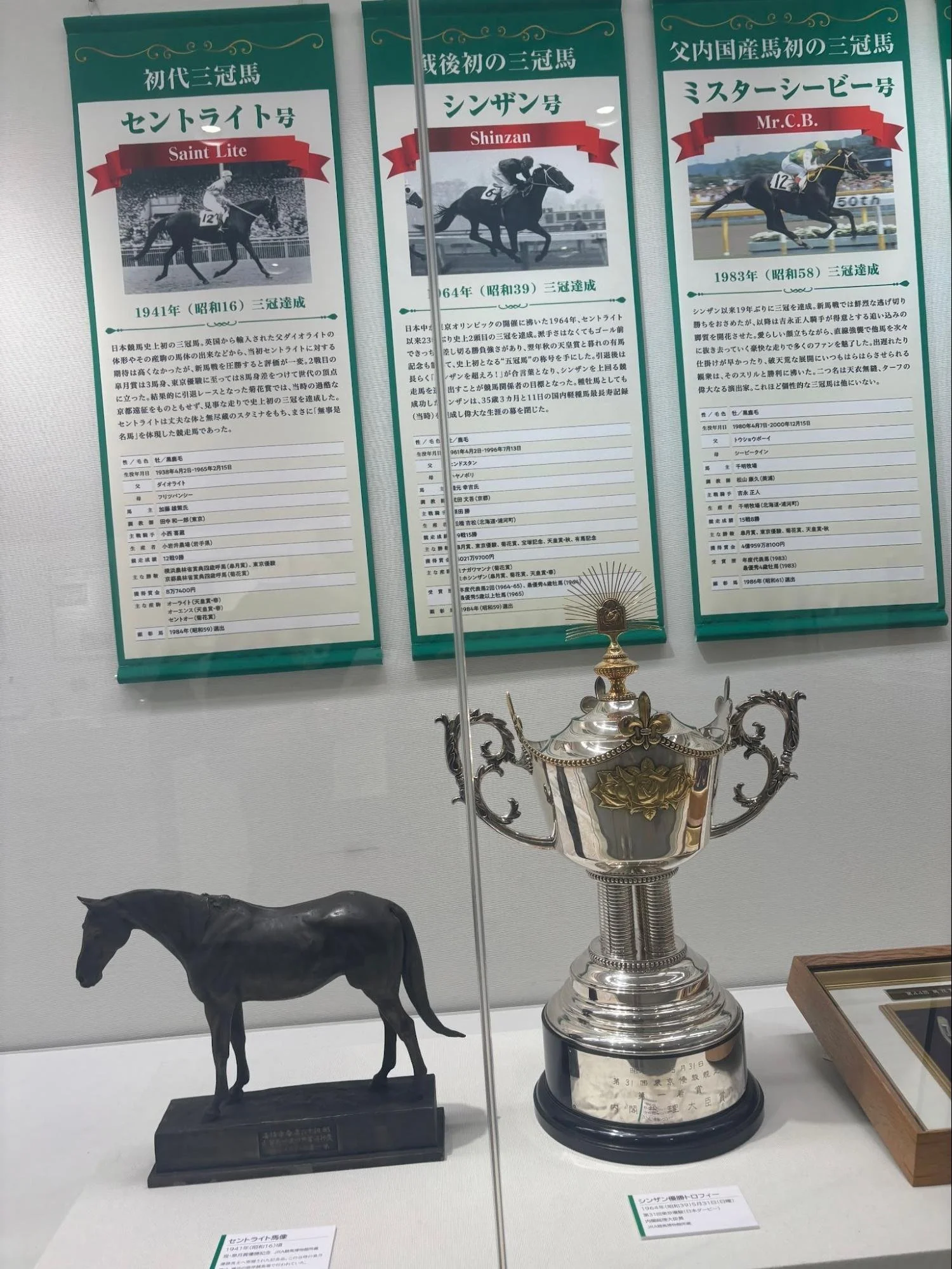
From all that is to see in regards to the Tokyo Racecourse Museum, one of the most interesting things to see is the long history of the hall of fame section. There is no photography and videography of this section, so, the only way to truly experience the prestigious paintings of previous multi-time winning horses along with full bronze replica statues of the horses is to see them in person. Along with all the accomplishments they achieved.
Furthermore, the space gives detailed career records of Japan's most legendary and undefeated racehorses from the likes of recent champions like the 2023 Horse of the Year Equinox all the way back to Kumohata who won the 1939 Tokyo Yushun (Japanese Derby).
Who would enjoy The Tokyo Racecourse Museum?
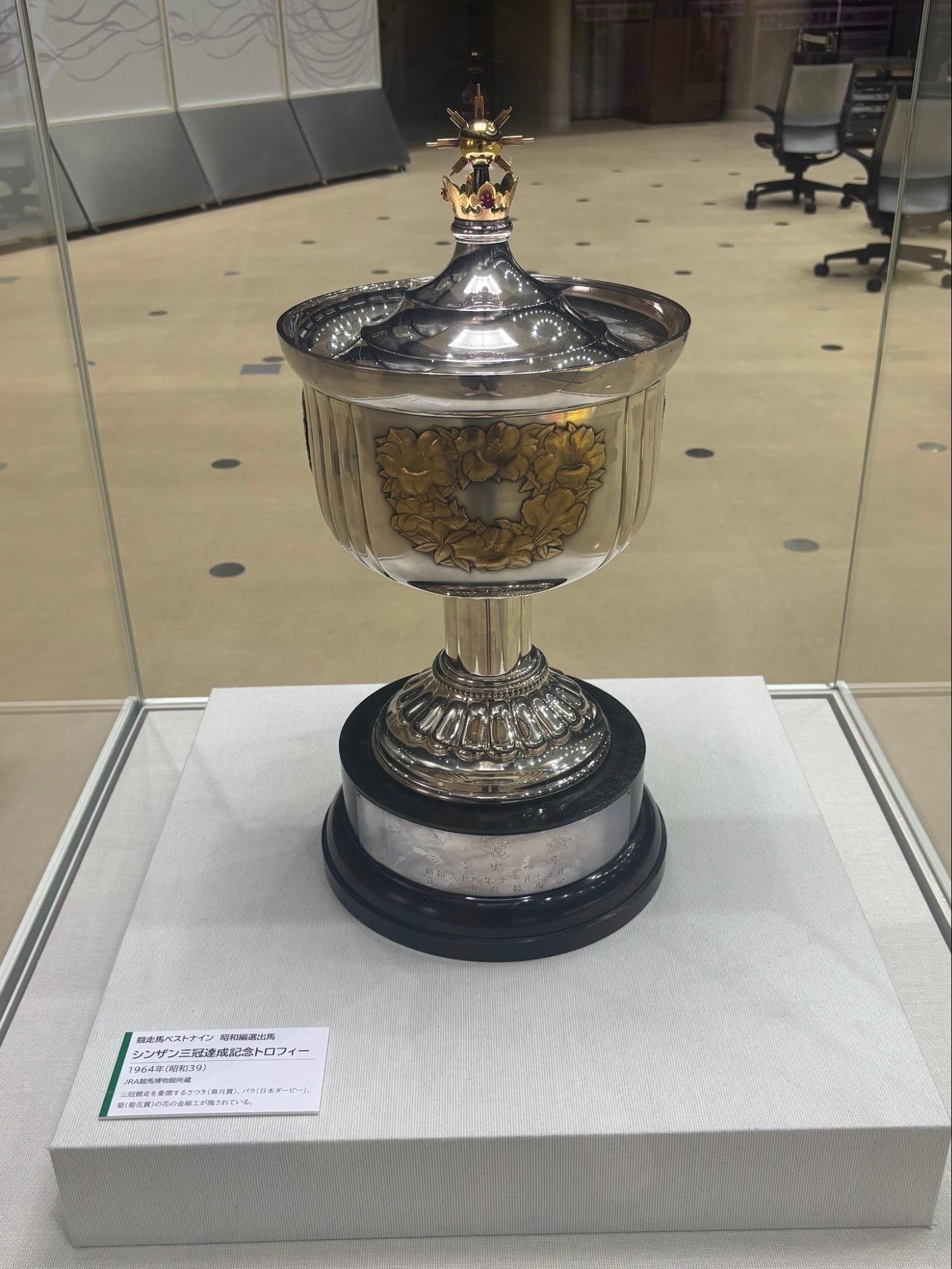
Source: TokudAw Staff
The Museum can be enjoyed by those of all different interests.
For those who are into horse racing or want to understand the history of horseracing within Japan: the museum covers years of history dating all the way back to the first races held in Japan. This museum is a perfect location to extend your knowledge on the sport.
For those who have interests within sports in general. From understanding what it takes to become an athlete in your chosen sport, you can understand what the jockeys and horses have to go through to be able to get to the top of their game.
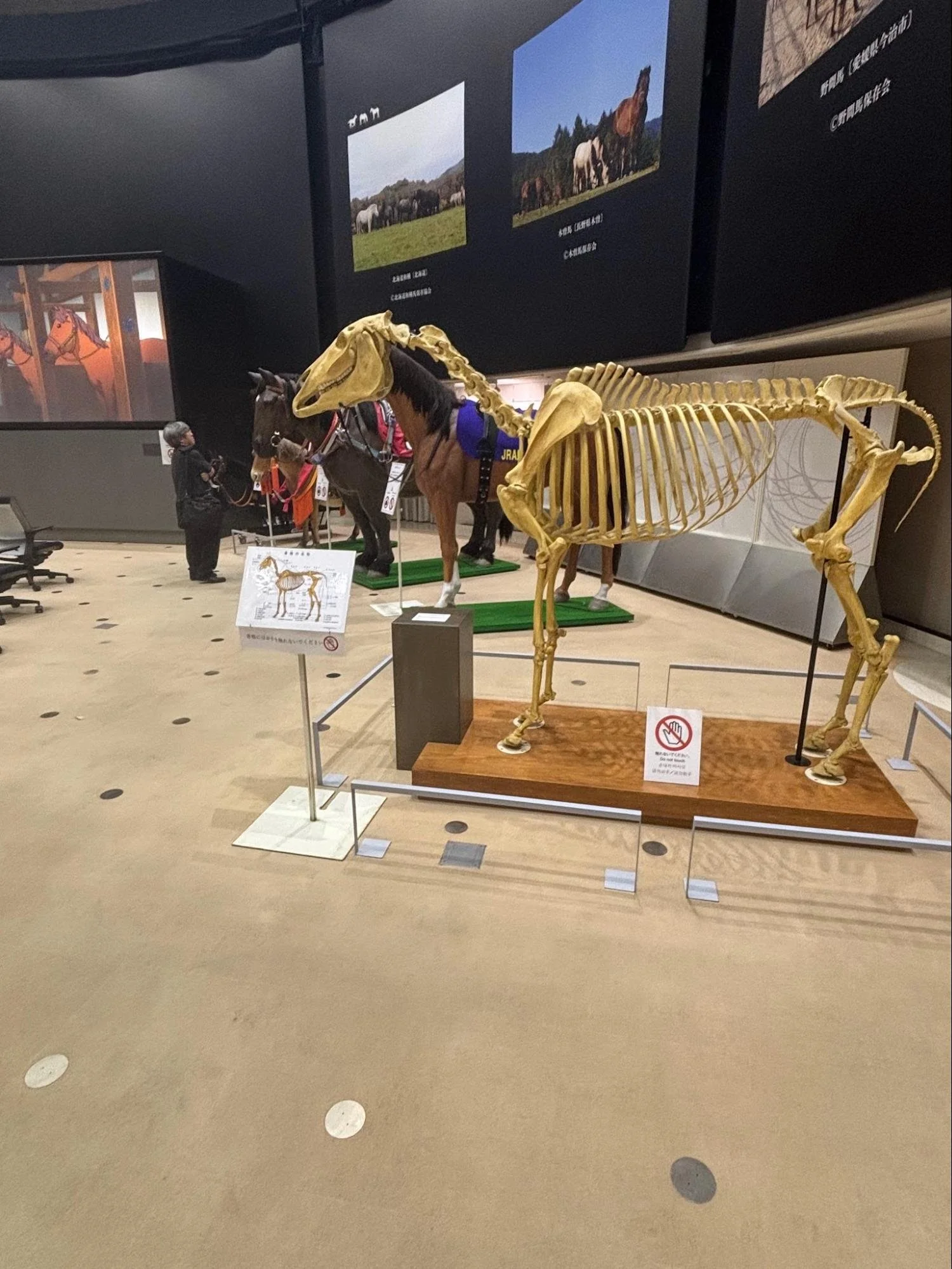
Those interested in veterinary studies or anatomy may appreciate the horse skeleton on display as well.
And with two floors of exhibits both through virtual screens and the displays, there is a wide spectrum of facts and knowledge within the museum. We also believe that business people would find not just the museum but also the surrounding areas within the Tokyo Racecourse satisfying. This is because the site was built around horse racing but due to the size of the events that get hosted it becomes a perfect place for marketing and branding. Not just attracting those who attend for the racing but also those who are trying to create business. Whether that be through one of the stools already there or an entrepreneur trying to put themselves in the right crowds to take advantage of the opportunities that might present to them. Also for some companies it allows them to understand how Japanese businesses approach hospitality, service, efficiency and entertainment. Especially if they have interest within Japan and want to bring their brand over into Japan.
By visiting the Tokyo Racecourse, visitors will experience a deeper understanding of the Japanese culture of horse racing.
Explore Japan with TokudAw.
Navigating Japan’s public transportation network can be tiring and confusing, especially when you’re traveling in large groups or with young children. With TokudAw, you’ll get a private chartered experience in Japan tailored to your group’s interests, ensuring a hassle-free and flexible Japan family trip. TokudAw also offers wheelchair-accessible vehicle options, with ramps and secure attachments to ensure your family’s travel safety and comfort.
FAQs
What are the prices for the location and museum? Admission is completely free on non-race days. However, if you visit the Tokyo Racecourse on a live race day then you will need to pay the standard racecourse entry fee of 200 yen but children under the ages of 15 can enter the park for free on racedays.
Where is the museum located? The Tokyo Racecourse Museum is located in Tokyo, Fuchu-shi, Hiyoshicho. With the museum entrances being near the east gate. This will be the only entrance into the race course that is open on non race days.
What are the hours of operation for the park and museum? The park is open on non-race days between 10:00 AM – 4:00 PM and 10:00 AM – 5:00 PM on live race days
What else is there to do nearby? Nearby the museum is a garden with traditional Japanese homes from several different periods called Kyodo No Moro. This is a great destination in the spring for various spring flowers including cherry blossoms, as well as in the fall month of September and early October for spider lilies.
For young children, a nearby park, known as a traffic park, also features a playground with old train cars. Within driving distance is a Japanese temple area known as Jindaiji, with a small historical shopping area, a botanical garden and the National Astronomical Observatory of Japan, all which make great family destinations. For sports overs, the area is also near to many golf courses.