
Unpacking the history of Tokyo’s famous transit system
A visit to the Tokyo Metro Museum and why you should visit include this edutainment location on your Japan trip
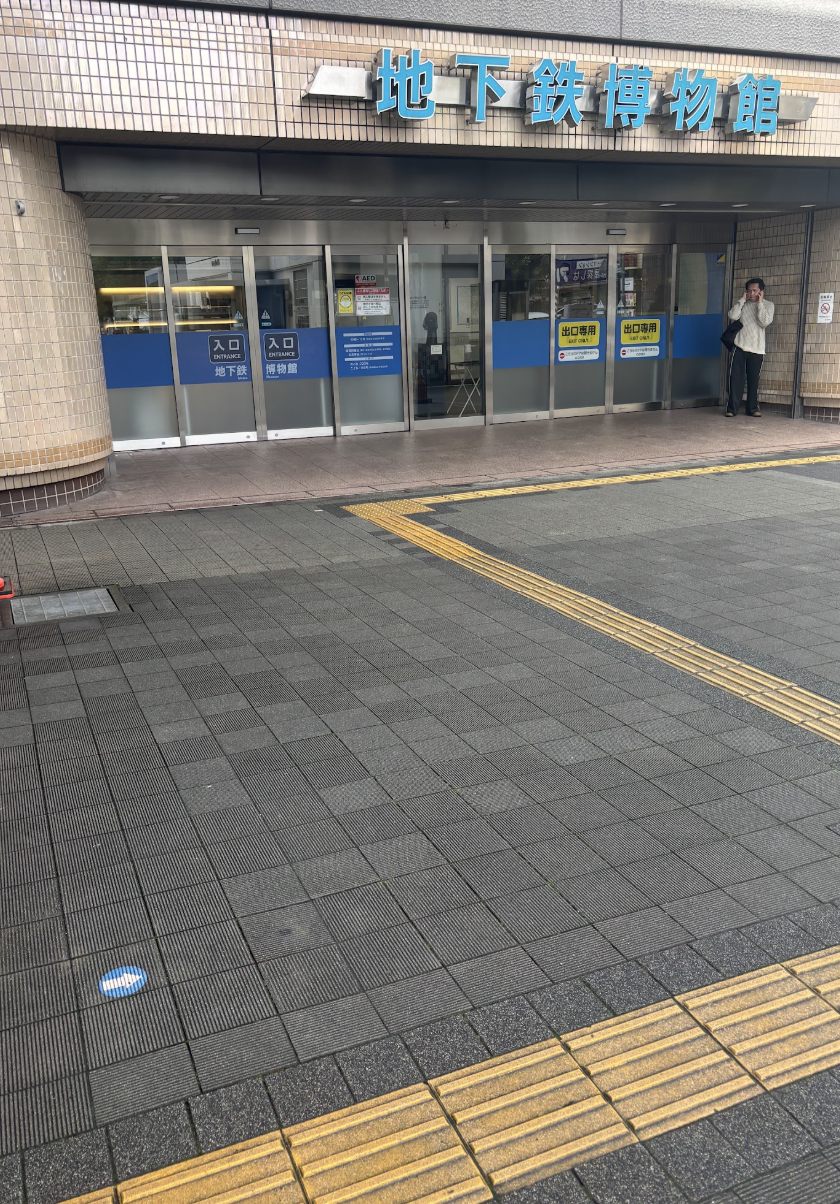
The Tokyo Metro Museum entrance uses tactile tiles to indicate the entrance.
The Tokyo Metro Museum opened July 12th, 1986 and displays history, the technology and the day-to-day operations of one of Tokyo's most known public transport systems. The museum features restored carts, simulators and both interactive and non-interactive displays.
The fun starts right away with a very unique way to purchase the tickets. You purchase the tickets from a Metro station ticket booth. Here visitors will receive a receipt as well as an actual ticket to enter into the museum. Just like the train entrance, one of the tickets will be used to enter through ticket gates.
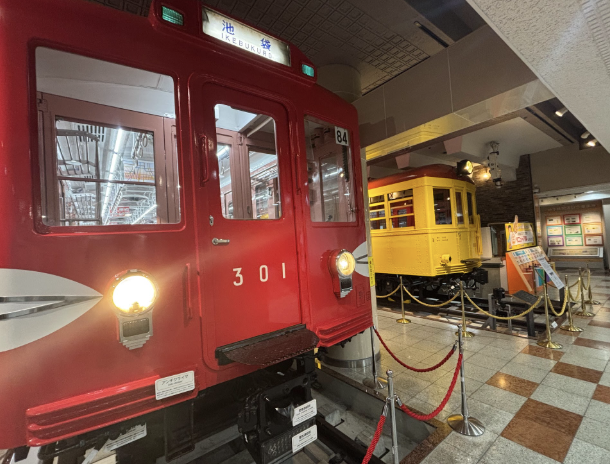
A classic 1927 Ginza Line Series 1001 and 1954 Marunouchi Line Series 301 train car are the first exhibit visitors are presented with when entering the museum. Ever wonder what it would be like to get off at a station and explore the tunnel? The museum allows people to view a full scale section of a tunnel.
Interactive displays at the metro museum
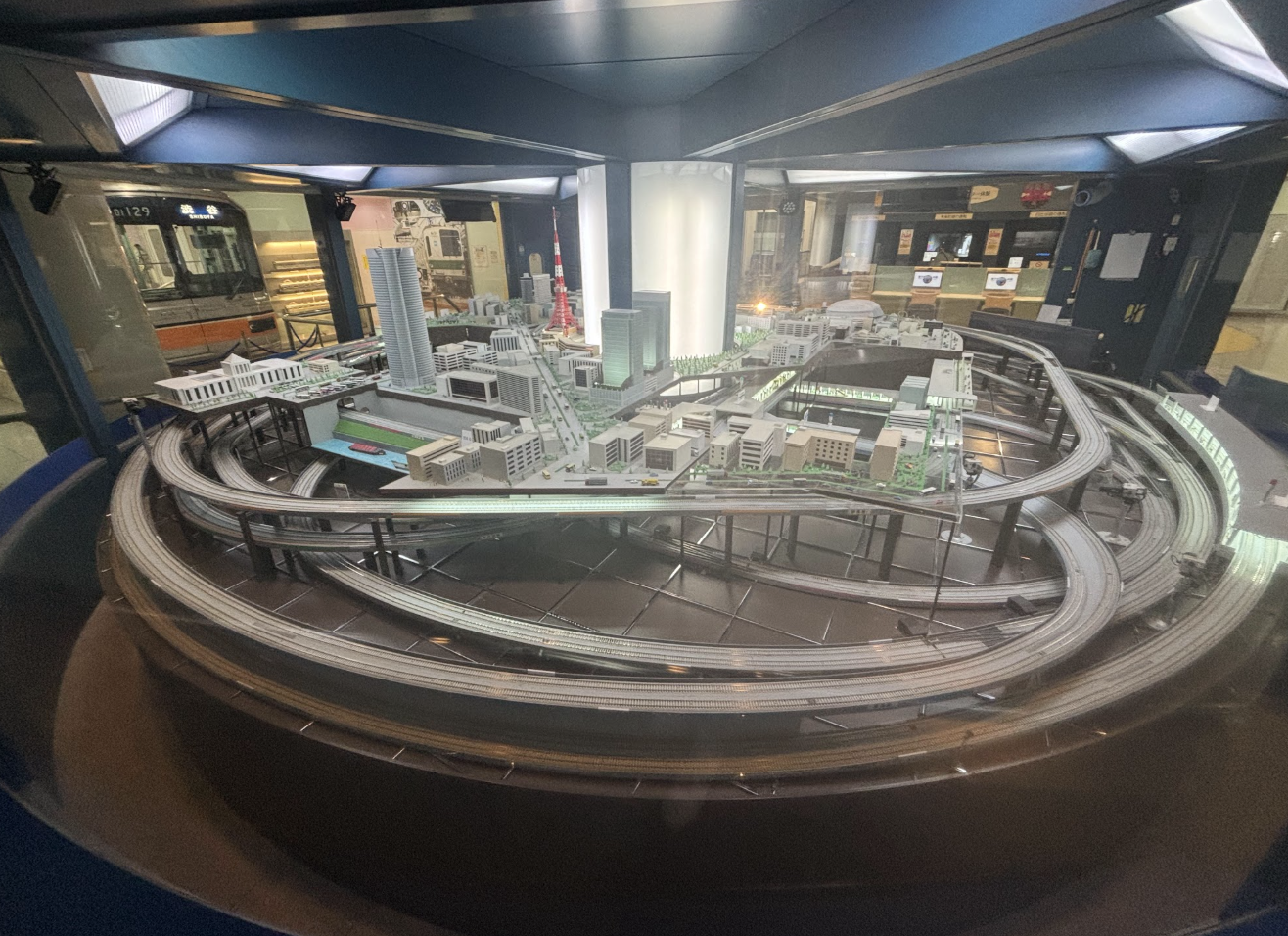
The Tokyo Metro Museum offers a wide range of interactive displays and areas. The interactive displays range from train driving simulations to real subway cars where you can sit in the driver's seat. If you’ve ever wondered what it is like to be a train conductor, this museum gives you the chance. Sit in the driver’s seat of Japan's first subway car and press active buttons, just like a conductor once did.
Another simulator transports you to the modern day network and allows visitors to simulate train driving today. The train driving simulator allows you to drive round the Tokyo Metro lines (including the Chiyoda, Ginza, Yurakucho, and Tozai lines). This comes with authentic sounds and vibrators allowing users to feel submerged in the experience. These experiences are great for young enthusiasts of trains and metro systems.
Children from all ages can go inside and even sit inside retired full size trains. Children and young-at-heart adults will enjoy walking around the museum and collecting one of the museum stamps. There are up to 11 to collect. If all 11 and go to the information desk at the museum they can be rewarded with a small prize including magnets.
The most interesting thing at the Tokyo Metro Museum
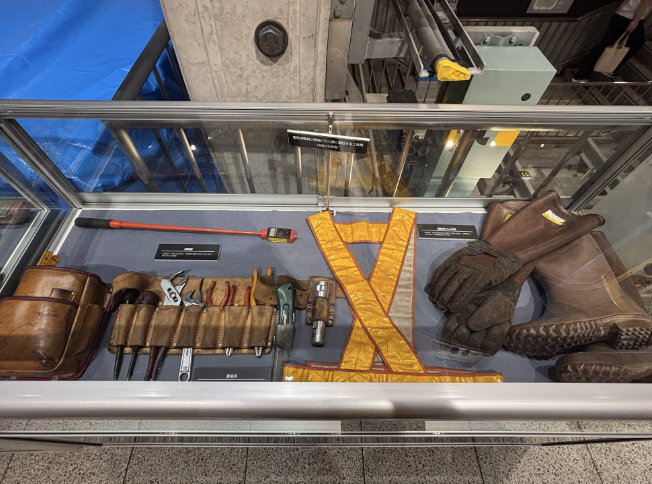
One of the most interesting parts of the museum is the life size Metro system tunnel. Not only does it showcase the size of the tunnel, but it is surround by some of the tools and equipment that are used to build tunnels.
Nearby displays of the tools and equipment dive deeper into how much effort and time it took to just get a small part of the section complete.
Inside the museum are two historic restored cars. The Ginza Line Cart #1001, which was the first cart to run on Asia's fully fledged underground subway system in 1927 as well as the Marunouchi Line Car #301 which was first used in 1954.
Who would enjoy the Tokyo Metro Museum?
We would recommend visiting the Tokyo Metro Museum to all train enthusiasts, mechanical and civil engineering students or professionals. The museum displays offer a deep dive in the infrastructure of the tunnels built underground. As well as how the system operates from a technological side of how the tracks and systems work and how they operate.
What facilities does the museum offer and is the museum wheelchair friendly?
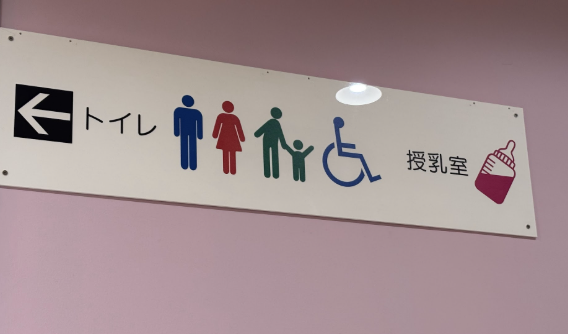
The Tokyo Metro Museum offers multipurpose and accessible facilities as well as male and female toilets. The multipurpose toilets are spacious and wheelchair friendly. The restrooms are located near the nursing and rest areas of the museum, more towards the back of the location. As the museum is a rectangle shape, it is very easy to navigate around especially as the museum is split up into sections.
The museum’s floor plan is spacious and more than enough room for visitors in wheelchairs to navigate through the pathways and enjoy the exhibits. While the majority of the museum is flat, there are a few steps and non-wheelchair accessible locations within the museum. The first set of steps that visitors will notice descends to two vintage Metro cars. This includes a ramp. However, to visit the life size tunnel replica up close, visitors must descend a set of stairs that do not include a ramp. For visitors using a wheelchair, a sense of scale can still be observed, but the tunnel is a bit further away.
Service animals are permitted in the museum.
What language support does the Metro Museum offer?
The Tokyo Metro museum offers some foreign language support. The majority of the support is in the main attractions of the museum, which feature both Japanese and English translations of the exhibit. Thus, we recommend visiting with a translation app downloaded on your phone.
The museum also offers an English pamphlet that shows how the museum is laid out and gives a brief description of what is in each section.
The entry ticket booths support a range of languages and not just in Japanese and English. The museum does not offer or provide an audio tour guide for visitors prefer to use auditory guides. The museum also does not provide Braille exhibition labels or tactile descriptions.
What food and drink options are there in the museum?
On site there are rest areas where drinks can be purchased from vending machines. There are 4 different types of vending machines, two are for children and 1 machine for coffees and teas with the last one being more soft drink based. The museum allows you to bring your own drinks into the museum, but they can only be consumed in the designated area. The museum has no options to purchase food and have a strict rule of no eating in the museum—icluding eating in the resting area.
The museum is under the Kasai Station, thus, there are many dining opportunities in the surrounding convenience stores and bento shops which we suggest visiting before or after the museum. For guests with special dietary needs, Olympic Kasai is the nearest grocery store, which will have pre-prepared bento options that support a variety of dietary needs.
Explore Japan with TokudAw.
Navigating Japan’s public transportation network can be tiring and confusing, especially when you’re traveling in large groups or with young children. With TokudAw, you’ll get a private chartered experience in Japan tailored to your group’s interests, ensuring a hassle-free and flexible Japan family trip. TokudAw also offers wheelchair-accessible vehicle options, with ramps and secure attachments to ensure your family’s travel safety and comfort.
FAQ
What are the opening times?
10:00 AM – 5:00 PM (Last admission at 4:30 PM).
Closed Days: Mondays (or the following day if Monday is a national or substitute holiday) and New Year holidays.
What are ticket prices?
Admission Fee:
Adults (High school age and above): 220 yen
Children (Ages 4 to junior high school): 100 yen
Children under 4: Free
Discounts are available for visitors with a disability certificate and one accompanying caregiver; the discounted admission is half the regular price.
Is the museum good for children?
Yes. There are interactive exhibits, train simulators and a dedicated subway play area, making it particularly suitable for families and children interested in trains.