
What Are the Best Flagship Stores in Tokyo for Designers and Tech Professionals?
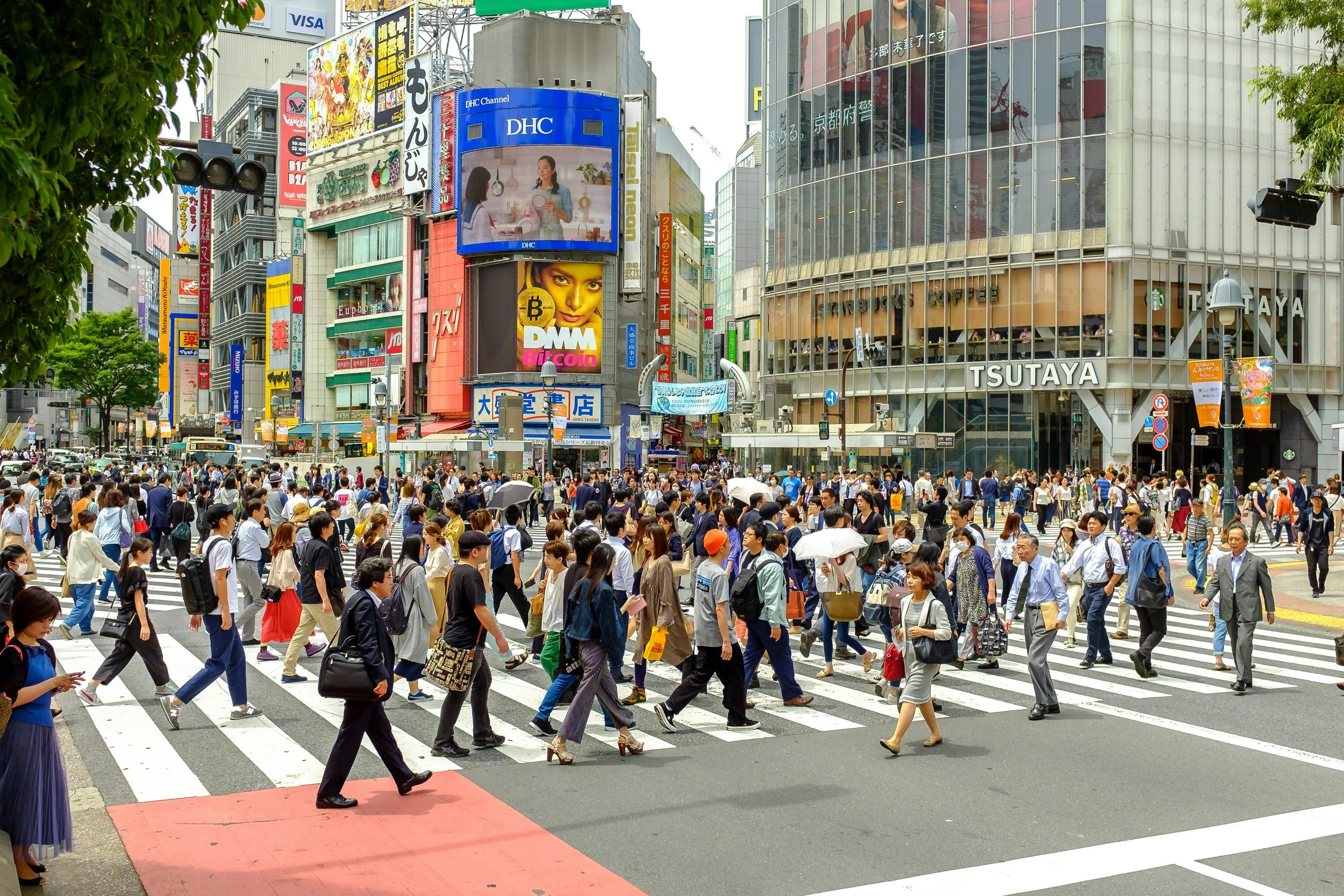
Source: Unsplash. Pedestrians crossing the famous Shibuya Scramble Crossing, one of Tokyo's busiest intersections and a popular destination for dining, shopping, and sightseeing.
If you're visiting Japan as a designer, UX researcher, developer, marketer, or anyone working in technology, flagship stores are some of the best places to learn outside of a classroom. They're much more than retail spaces. They show how branding, customer experience, technology, merchandising, architecture, and service all come together to create memorable shopping experiences. Every detail has been carefully planned, from the moment someone walks through the entrance to the moment they leave the store. Whether it's an interactive display, a personalized consultation, or the way products are organized, these stores are constantly teaching valuable lessons about how people experience a brand.
One of the best ways to study these spaces is through a store audit. Instead of simply browsing products, a store audit encourages visitors to observe how the entire experience has been designed. Designers may focus on layout, branding, signage, and visual hierarchy, while people working in technology may pay closer attention to interactive displays, digital experiences, and how technology improves the customer journey. Below are some of Tokyo's most impressive flagship stores and what designers and technologists can learn from each one.
What Is a Store Audit?
A store audit is the process of observing how a retail space creates an overall customer experience. Instead of only looking at products, it looks at everything that influences how people interact with the brand. During a store audit, it's helpful to pay attention to questions like:
Is the entrance inviting?
Is it easy to understand where to go?
How are products organized?
Are digital tools improving the experience?
How do employees interact with customers?
Does every part of the store reflect the brand?
Looking at a store through this lens helps designers understand how every small decision contributes to a larger customer journey.
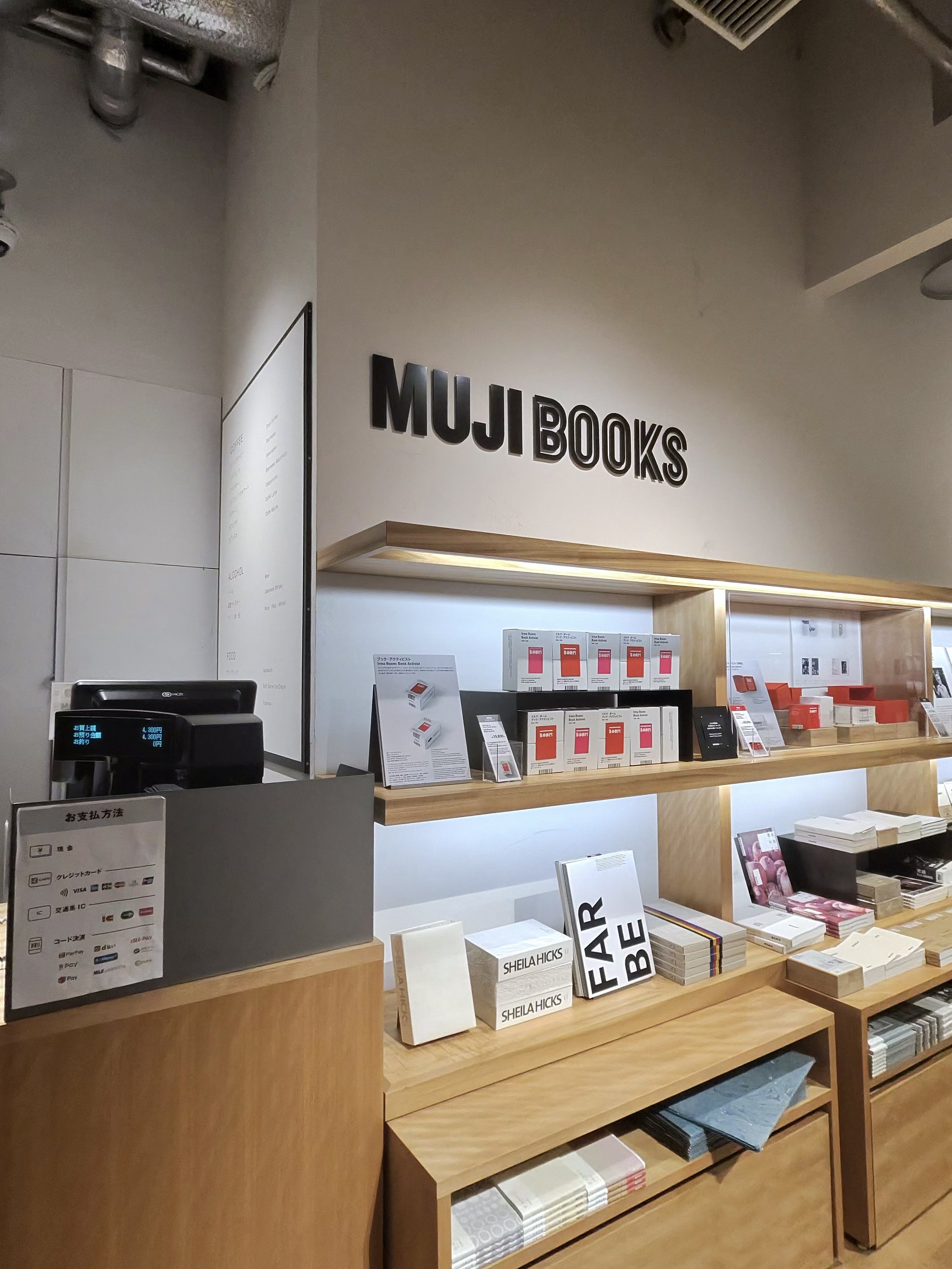
MUJI Books offers a curated selection of books, stationery, and design publications that reflect the brand's simple and functional design philosophy.
Why Designers Should Visit
MUJI Ginza shows that simplicity takes just as much planning as complexity. Instead of relying on bright colors or large advertisements, the store uses natural materials, clean layouts, consistent typography, and thoughtful product organization to create a calm shopping experience. Everything feels intentional. Wide walkways, neatly arranged displays, and minimal visual clutter allow customers to focus on the products instead of being distracted by unnecessary design elements. It demonstrates how visual hierarchy can guide people naturally without requiring excessive signage. Design students can also see how consistency strengthens a brand. Every floor follows the same design language, making the experience feel connected regardless of what department you're exploring.
What People in Tech Can Learn
Technology isn't always about adding more screens. MUJI demonstrates that good systems can be almost invisible. Inventory, checkout, wayfinding, and product organization work together behind the scenes to create an experience that feels effortless. This is a reminder that successful user experience often comes from removing friction rather than adding more features. One unique feature of MUJI Ginza is the MUJI Hotel, located in the same building. It extends MUJI's minimalist philosophy beyond retail and shows how a brand can create a consistent experience across multiple touchpoints.
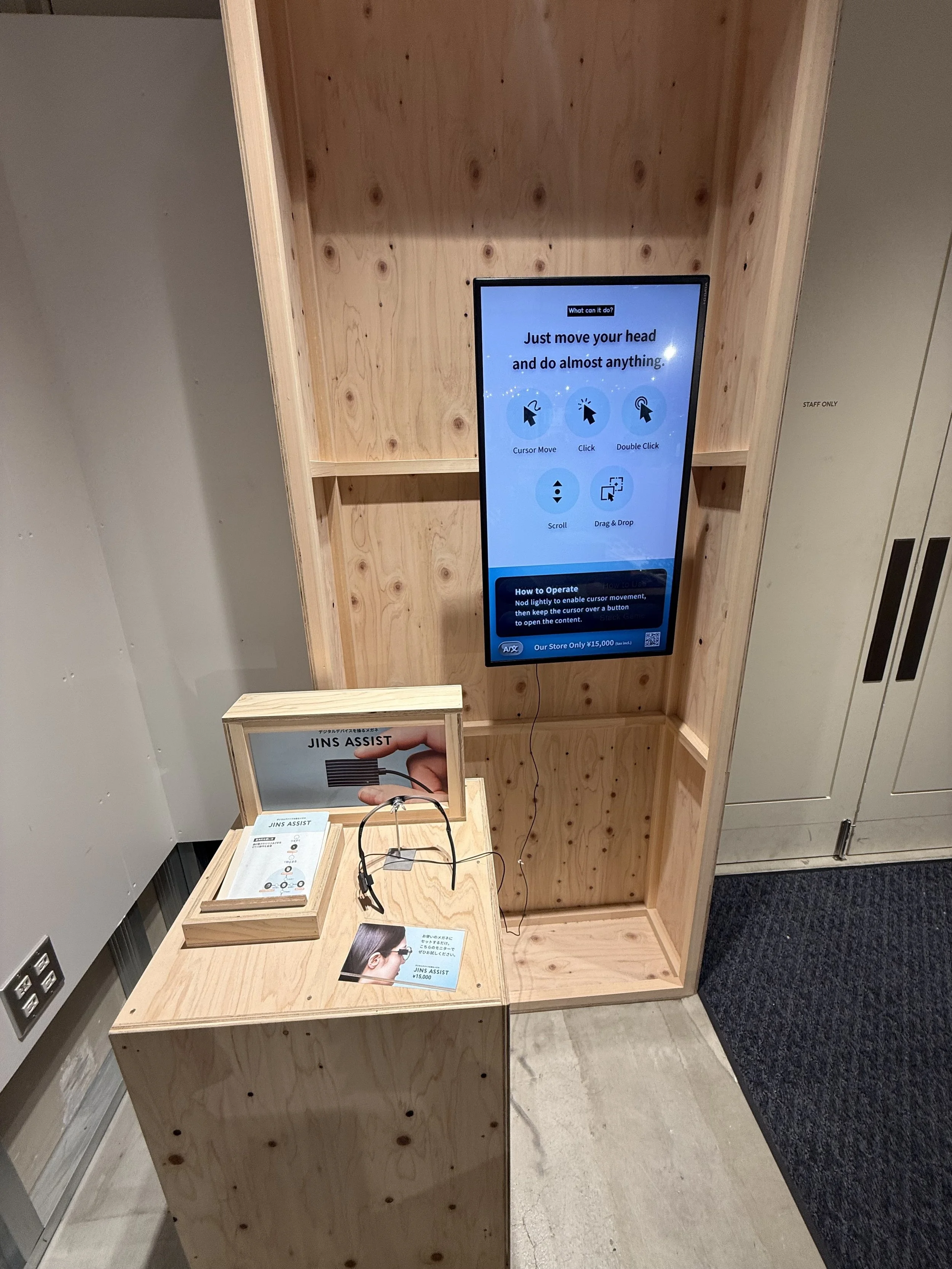
A JINS ASSIST demonstration lets visitors experience assistive eyewear technology that enables hands-free computer control using simple head movements, highlighting Japan's focus on accessibility and innovation.
Why Designers Should Visit
JINS combines retail design with accessibility and interactive technology. The store layout makes it easy to browse frames while digital displays help customers learn about different products without overwhelming them. One of the most interesting experiences is the JINS Assist display, which demonstrates how assistive technology can make eyewear easier to use. Rather than simply reading about accessibility, visitors can interact with the technology and better understand how thoughtful design can improve everyday life. The store also keeps information simple. Product categories are clearly organized, displays are easy to scan, and customers can quickly compare different frame styles.
What People in Tech Can Learn
JINS shows how technology should support the customer instead of becoming the center of attention. Interactive displays, digital product information, and assistive technology are integrated naturally into the shopping experience. Instead of feeling like separate attractions, they become useful tools that help customers make informed decisions. For UX designers and developers, it's a great example of human centered design where technology solves real problems while remaining easy to understand.
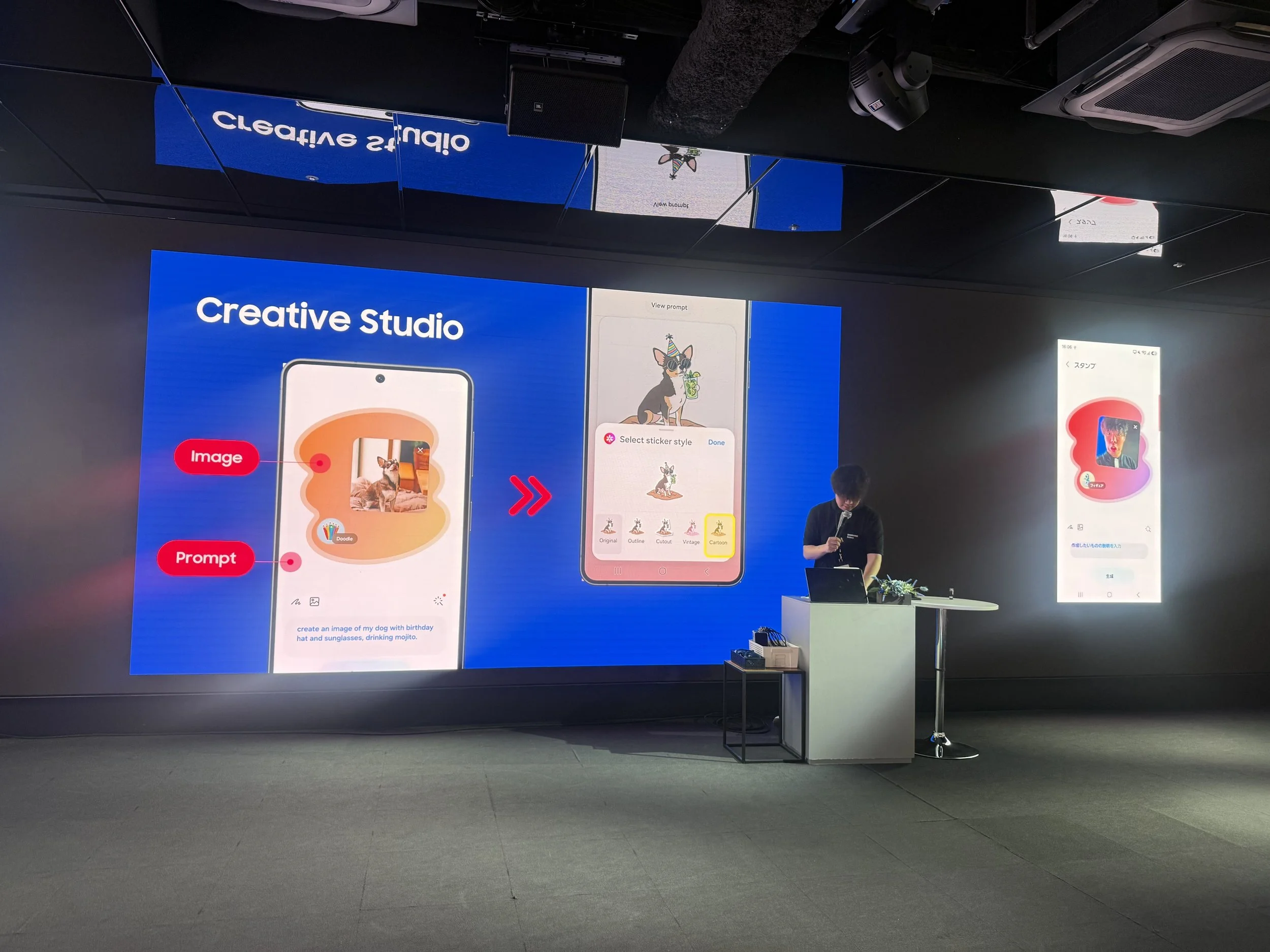
Samsung showcases Galaxy AI features during a live Creative Studio demonstration, highlighting how generative AI can transform photos into personalized stickers and digital artwork.
Why Designers Should Visit
Samsung Galaxy Harajuku feels more like an interactive experience than a traditional electronics store. Visitors are encouraged to explore, test devices, and experience products firsthand rather than simply viewing them behind glass. Large digital displays, immersive installations, and open demonstration areas create an environment that feels energetic while remaining organized. Every area encourages curiosity and hands-on learning. The store demonstrates how physical environments can support storytelling by allowing visitors to interact with technology instead of simply reading about it.
What People in Tech Can Learn
For people working in technology, Samsung Galaxy Harajuku offers valuable insights. Visitors can experience AI features, connected devices, smartphones, wearables, and digital ecosystems in ways that feel natural rather than forced. Instead of presenting technical specifications, Samsung focuses on showing how technology fits into everyday life. This shift from explaining features to demonstrating experiences is an important lesson for anyone designing digital products.
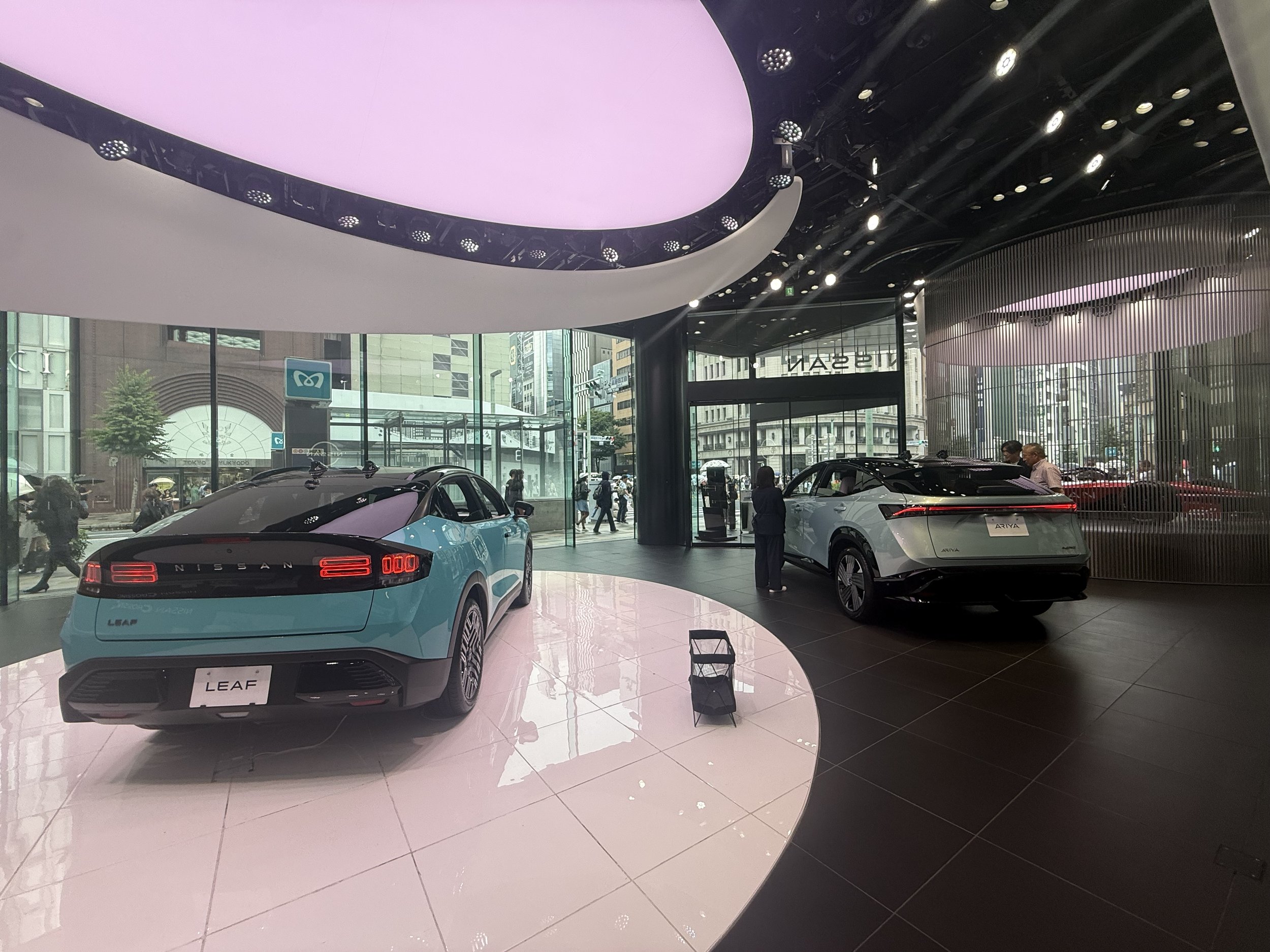
Nissan Crossing in Ginza showcases the latest Nissan electric vehicles, giving visitors a chance to explore innovative automotive technology and sustainable mobility in the heart of Tokyo.
Why Designers Should Visit
Nissan Crossing is much more than a car showroom. It's an experience center where visitors can interact with Nissan's newest technology without feeling pressured to buy a vehicle. Instead of placing cars behind ropes, the space encourages exploration through interactive exhibits, product demonstrations, and immersive displays. The showroom keeps the focus on the cars through open layouts, digital displays, and carefully placed lighting. Instead of overwhelming visitors with information, each display highlights one feature at a time, making it easier to explore at your own pace.
What People in Tech Can Learn
For people working in technology, Nissan Crossing demonstrates how interactive technology can educate customers without overwhelming them. Digital displays explain features in simple ways, while visitors are encouraged to explore at their own pace. Rather than relying on sales staff alone, technology becomes another guide throughout the experience. It also shows how physical products and digital experiences can complement one another to create a more engaging customer journey.
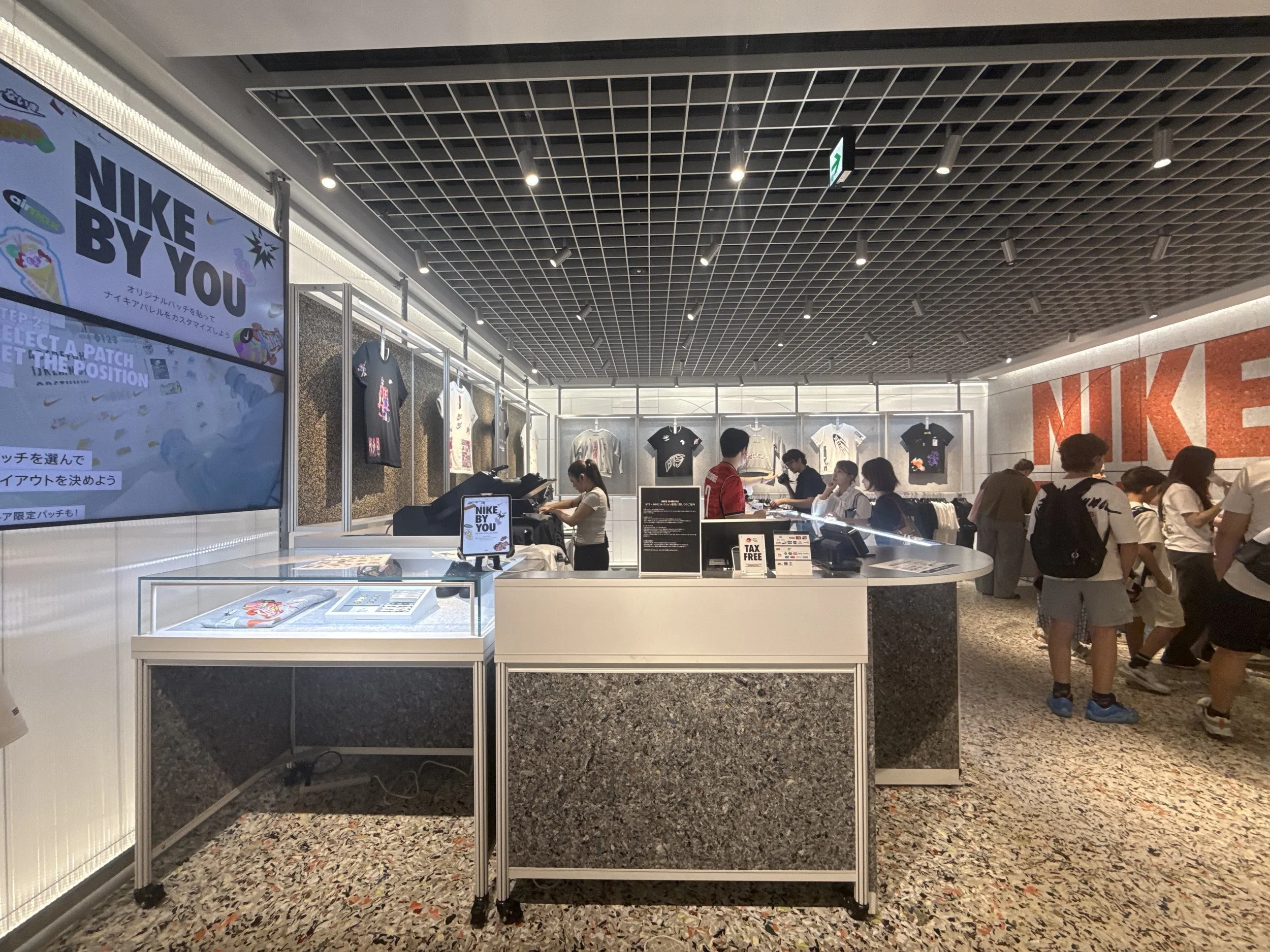
The Nike By You experience at Nike Tokyo lets visitors personalize apparel and accessories with exclusive graphics, patches, and designs inspired by Japanese culture.
Why Designers Should Visit
Nike Shibuya blends retail, branding, and digital experiences into one environment. Large digital screens, product storytelling, and carefully designed displays make the space feel energetic while still being easy to navigate. Products are grouped by sport and lifestyle, allowing customers to quickly find what they're looking for without feeling overwhelmed. Every floor has a consistent visual identity that reflects Nike's brand. Designers can also observe how lighting, color, photography, and typography work together to reinforce the brand throughout the store.
What People in Tech Can Learn
Nike connects its physical retail store with its digital ecosystem. QR codes appear throughout the store, allowing customers to access additional product information and connect with Nike's digital services. Instead of separating online and in-store shopping, the experience encourages customers to move naturally between both. This is a great example of an omnichannel customer journey where physical and digital touchpoints support one another.
Gentle Monster (Ginza & Aoyama)
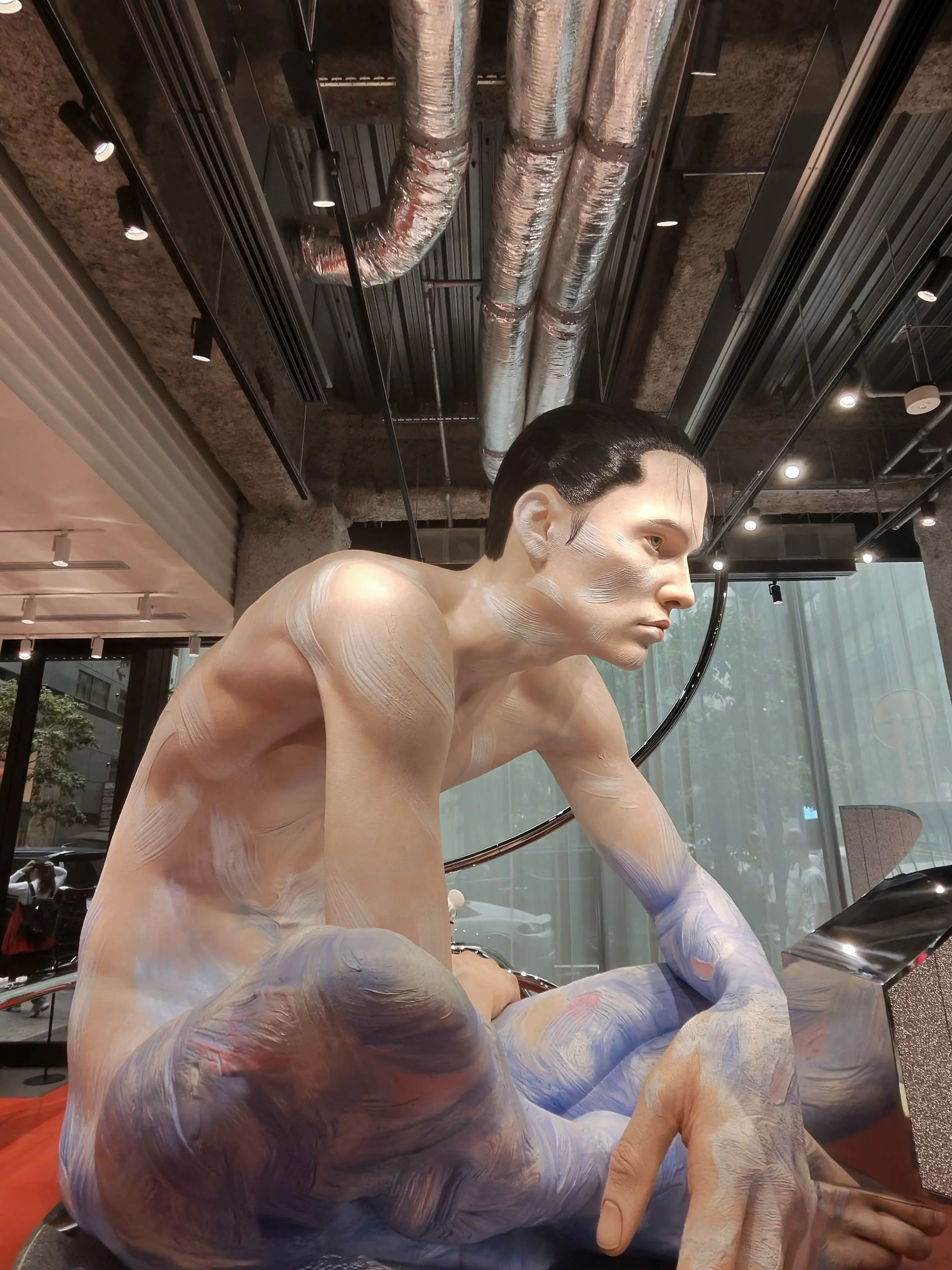
A striking contemporary sculpture inside the Gentle Monster flagship store in Ginza, Tokyo, where immersive art installations complement the brand's innovative eyewear shopping experience.
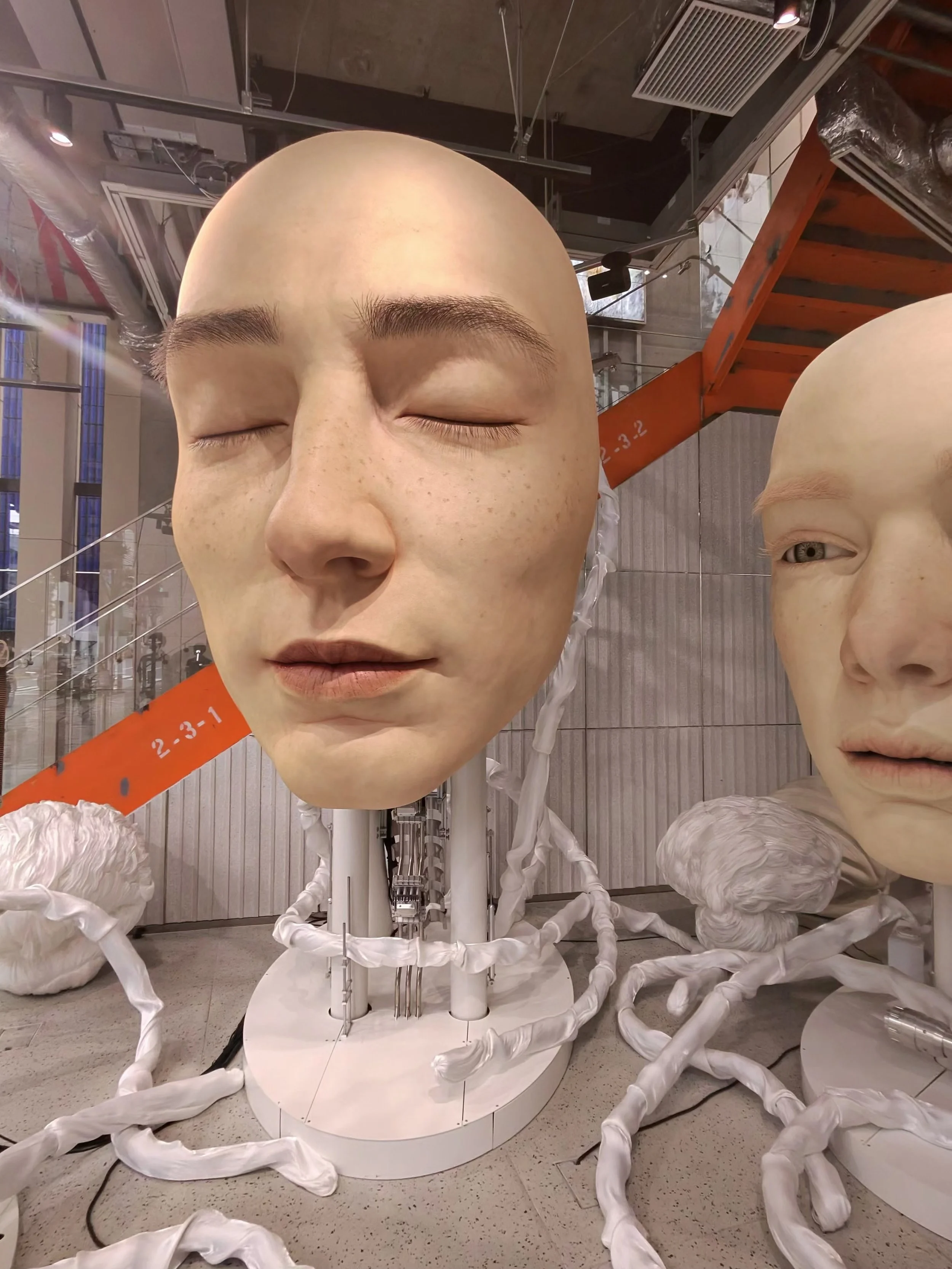
Surreal kinetic art installation inside the Gentle Monster flagship store in Aoyama, Tokyo, where large sculptural faces create an immersive retail experience that blends fashion, technology, and contemporary art.
Why Designers Should Visit
Both Gentle Monster Ginza and Aoyama feel more like art galleries than traditional eyewear stores. While each location has its own atmosphere, both use bold architecture, sculptures, dramatic lighting, and carefully designed spaces to create memorable experiences before visitors even begin looking at glasses. Large sculptures, dramatic lighting, and minimal product displays create curiosity before customers even begin looking at glasses. Rather than filling every shelf with products, the store uses space intentionally to encourage visitors to slow down and explore. This approach demonstrates that retail design is about creating memorable experiences, not simply displaying merchandise.
What People in Tech Can Learn
Instead of relying on large interactive screens or obvious technology, both Gentle Monster locations show how technology can work quietly behind the scenes. Lighting, digital inventory systems, and thoughtfully planned store layouts all support the customer journey without distracting from the products or the space. For people working in tech or UX, it's a reminder that technology doesn't always need to be the center of attention. Sometimes the best digital experiences are the ones customers hardly notice because everything simply works the way it should.
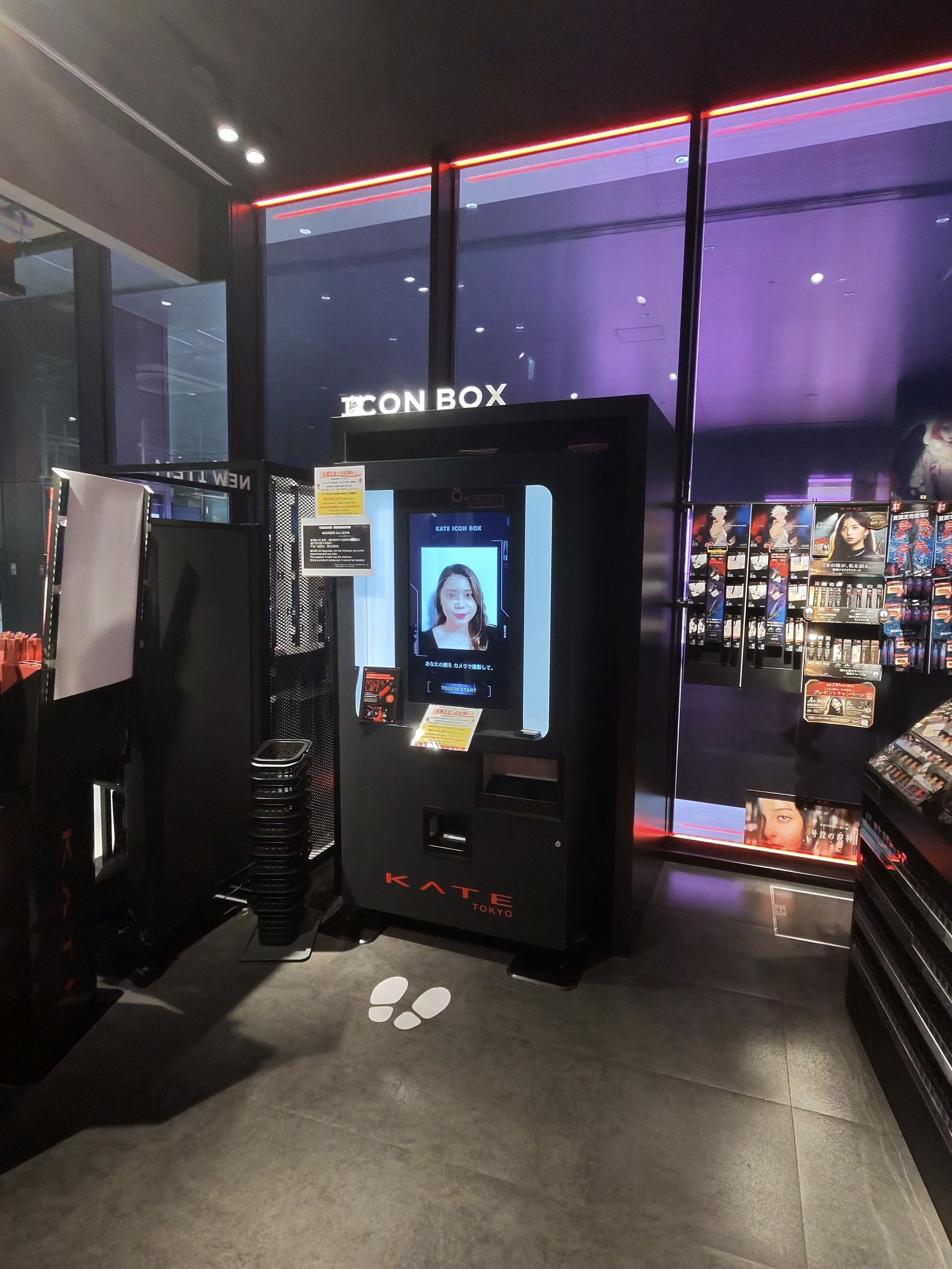
The KATE Tokyo ICON BOX lets visitors create a personalized digital beauty experience using facial analysis and virtual makeup technology inside the KATE TOKYO flagship store in Shibuya.
Why Designers Should Visit
KATE TOKYO Shibuya Sakura Stage Store combines beauty retail with digital interaction. Visitors can use digital kiosks like KATE Ticket and ICON BOX, which guide customers through personalized makeup recommendations and virtual experiences before they begin shopping. Instead of immediately browsing products, visitors first interact with the brand digitally, creating a more personalized experience.
What People in Tech Can Learn
These interactive systems show how technology can simplify decision making. Rather than asking customers to sort through dozens of products, the digital experiences help narrow choices based on individual preferences. This creates a shopping experience that feels more personal while also helping customers discover products they may not have considered otherwise.
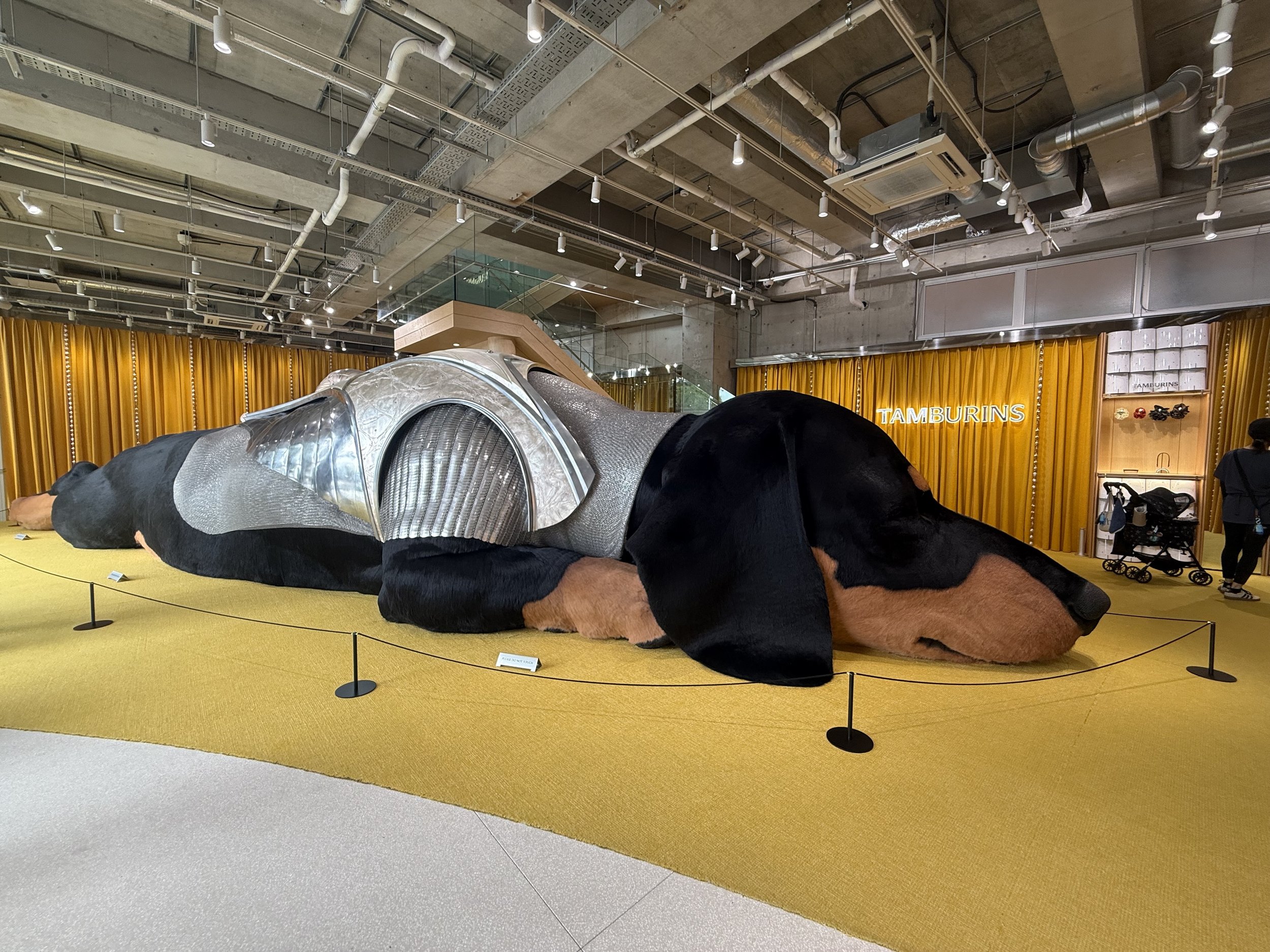
A giant dachshund art installation welcomes visitors inside the Tamburins flagship store Daikanyama, combining contemporary art, immersive retail design, and the brand's signature fragrance experience.
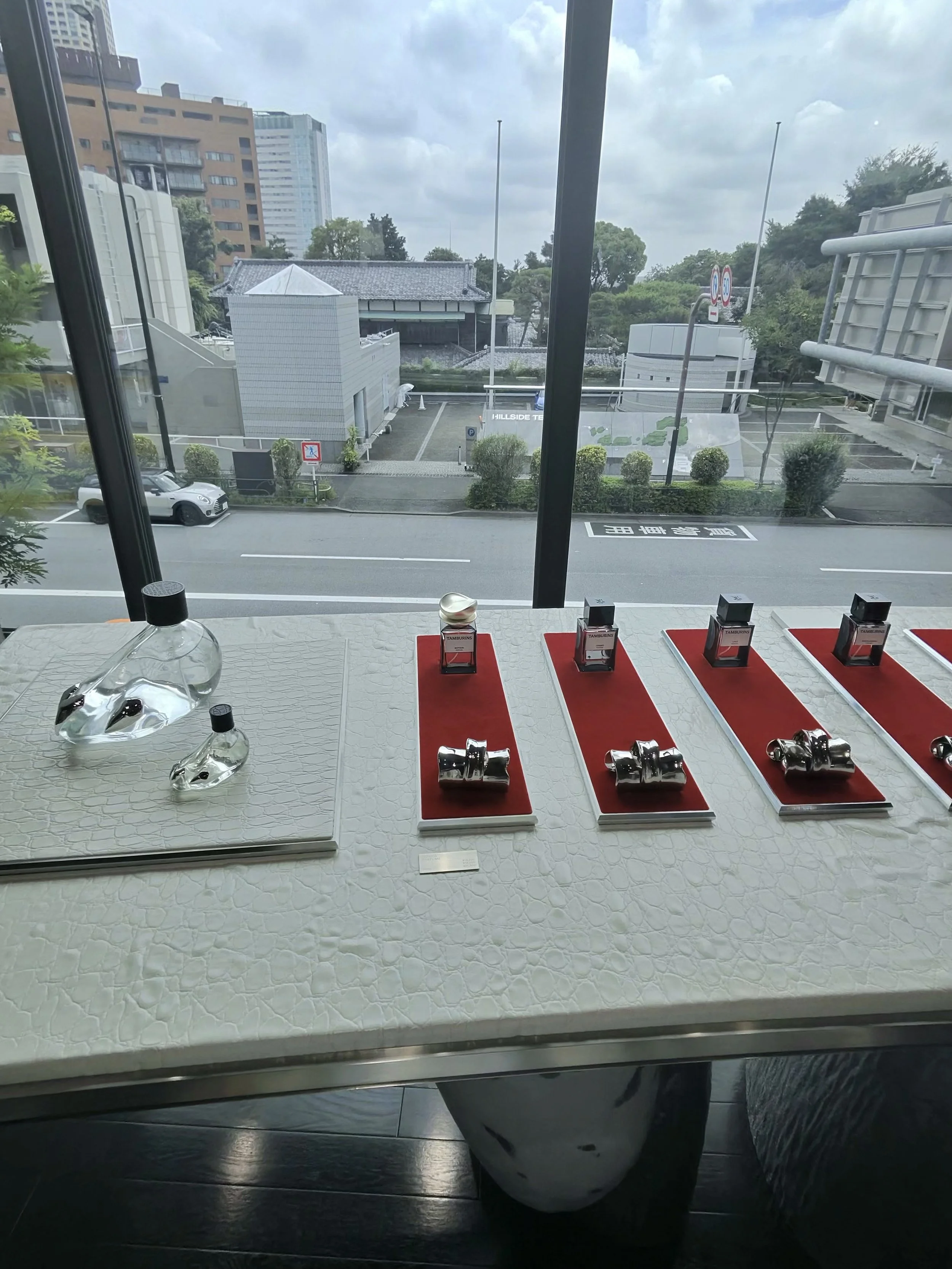
A curated fragrance display inside the Tamburins flagship store Daikanyama , showcasing the brand's minimalist packaging and artistic presentation alongside views of the surrounding neighborhood.
Why Designers Should Visit
Tamburins Daikanyama demonstrates how retail can become an immersive brand experience. The store uses architecture, scent, lighting, music, and product displays together to create a memorable atmosphere. Every detail contributes to the brand identity, making the visit feel intentional from beginning to end. Instead of focusing only on products, Tamburins create an emotional connection with visitors.
What People in Tech Can Learn
While the technology isn't always obvious, the customer journey is carefully designed. Visitors naturally move through different areas while interacting with products in a way that feels comfortable rather than rushed. It shows that good experience design often comes from thoughtful planning rather than adding more technology.
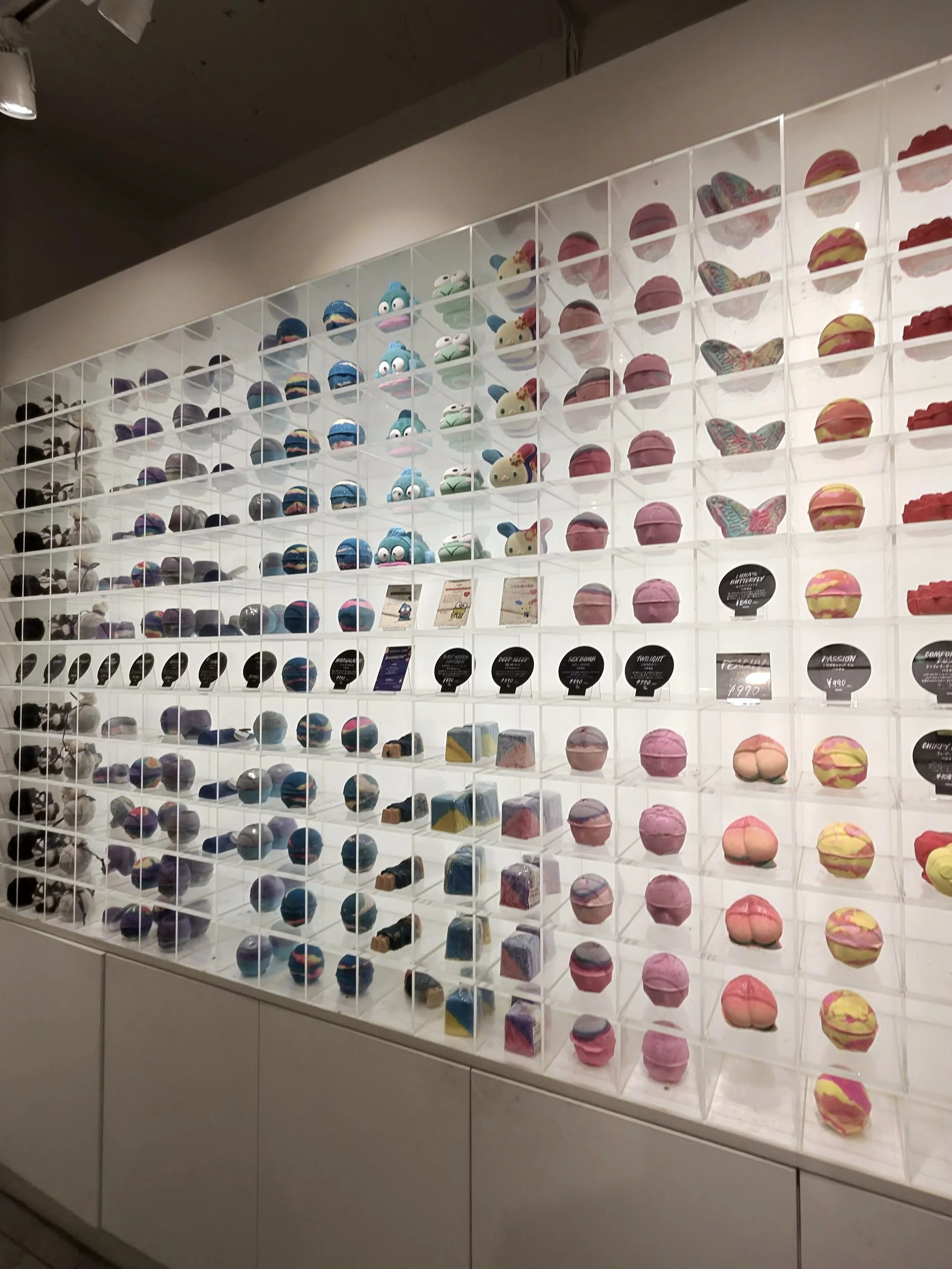
A colorful wall of handmade bath bombs and bath products at the Lush flagship store in Harajuku Tokyo, showcasing the brand's wide variety of scents, colors, and playful designs.
Why Designers Should Visit
LUSH Harajuku creates a highly interactive shopping experience where customers are encouraged to touch, smell, and test products. Bright colors, playful merchandising, and product demonstrations make the store feel energetic while still remaining organized. Instead of relying only on packaging, the products themselves become part of the experience.
What People in Tech Can Learn
LUSH demonstrates that interaction isn't limited to digital technology. Staff demonstrations, product testing, and hands-on exploration all contribute to the customer journey. For UX designers, it's a reminder that user experience includes every interaction a customer has with a brand, both digital and physical.
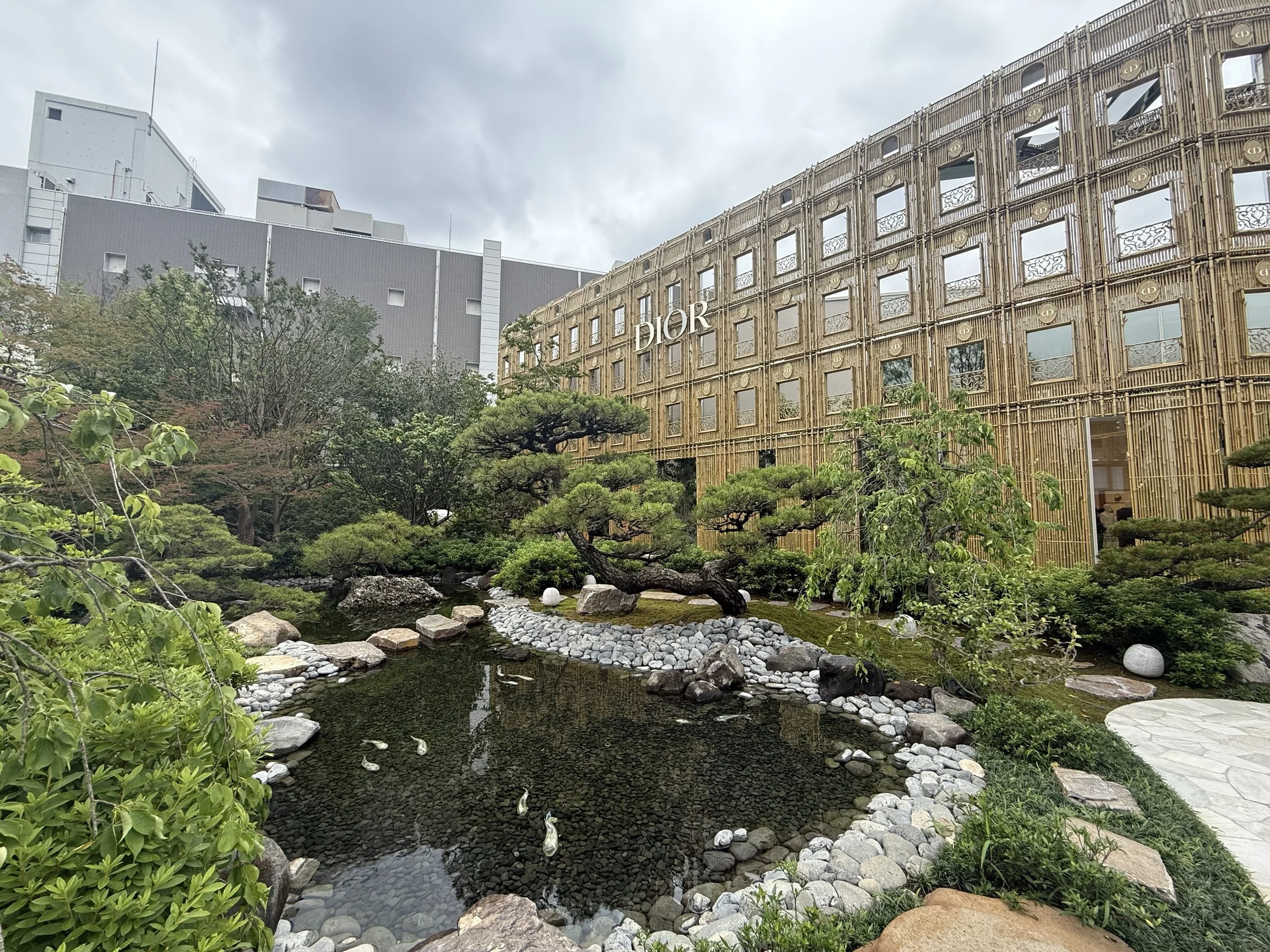
The landscaped garden outside the Dior Shibuya flagship store blends traditional Japanese garden design with contemporary luxury architecture, creating a peaceful retreat in the heart of Tokyo's shopping district.
Why Designers Should Visit
Dior Bamboo shows how architecture can become part of a brand's identity. The bamboo inspired exterior immediately communicates luxury while also connecting the store to Japanese craftsmanship. Before customers even step inside, the building itself begins telling the brand's story. This demonstrates how exterior design can influence expectations long before a customer interacts with products.
What People in Tech Can Learn
Even though Dior Bamboo uses very little visible technology, the overall customer journey is highly intentional. Lighting, customer flow, service, and visual presentation all work together to create a premium experience. It reinforces the idea that great experiences come from carefully coordinating every detail rather than relying only on digital tools.
What Makes These Flagship Stores Worth Visiting?
One of the biggest takeaways from visiting these flagship stores is that none of them focused only on selling products. Every store invested in creating an experience that reflected its brand. Whether it was through architecture, customer service, interactive technology, product displays, or storytelling, each location gave visitors something to remember long after they left.
For design students, this is a reminder that good design goes beyond how something looks. Every decision, from the store layout to the lighting and even the way employees interact with customers, shapes the overall experience. For people working in technology, these stores demonstrate that digital tools should support the customer journey instead of distracting from it. Interactive displays, QR codes, consultation tools, and personalized experiences all worked because they solved a problem or made shopping easier.
A store audit helps identify why these experiences are successful. Looking at a store through a designer's perspective means paying attention to every detail, from the first impression outside the building to the final checkout experience. Small improvements across each touchpoint can make a significant difference in how customers feel about a brand.
Studying these flagship stores shows that great customer experiences are rarely created by one feature. Instead, they are built through hundreds of thoughtful design decisions working together. Looking at stores through a designer's or technologist's perspective makes it easier to recognize how each decision contributes to the overall customer journey.
Why a Private Driver Makes Store Audits More Efficient
Many of Tokyo's flagship stores are spread across neighborhoods like Ginza, Shibuya, Harajuku, Aoyama, Daikanyama, and Shinjuku. Conducting a thorough store audit often means visiting several locations to compare branding, customer journeys, store layouts, technology, and merchandising. While Tokyo's public transportation system is excellent, traveling between multiple neighborhoods can take time and shift the focus away from observation.
TokudAw makes this process easier by creating personalized itineraries and providing transportation through its Japan Private Drivers fleet. Rather than planning train routes or navigating unfamiliar stations, designers, researchers, and business travelers can spend more time documenting observations, comparing retail experiences, and understanding what makes each flagship store unique. This allows visitors to make the most of their time while exploring Tokyo's innovative retail landscape
Flagship Store Highlights

Comparison table highlighting key design and technology insights from retail flagship stores in Tokyo, showing how each brand combines customer experience, innovation, and visual merchandising.
Frequently Asked Questions
What is a flagship store?
A flagship store is a brand's primary retail location, designed to showcase its products, identity, and customer experience. Many flagship stores also feature exclusive displays, interactive experiences, or services that aren't available in smaller locations.
Why should designers and tech professionals visit flagship stores?
Flagship stores demonstrate how technology can improve the customer journey without becoming the main attraction. Interactive displays, digital recommendations, self-service tools, and connected retail experiences all show how technology can support customers while keeping the experience simple and intuitive.
Why are store audits important for designers?
Store audits help designers understand how branding, layouts, signage, lighting, merchandising, and customer interactions work together to shape the overall experience. Observing these details in person can provide ideas that are difficult to gain from photos or online research alone.
What is a store audit?
Store audits are commonly used by designers, UX researchers, and retail teams to better understand the customer journey and identify opportunities to improve the overall experience.
What can UX designers learn from Japanese retail?
Japanese stores demonstrate how thoughtful navigation, clear communication, interactive technology, and proactive customer service create seamless user experiences.
Which Tokyo neighborhoods have the best flagship stores?
Ginza, Shibuya, Harajuku, Aoyama, Daikanyama, and Shinjuku are some of Tokyo's best neighborhoods for flagship stores. Each area offers a different retail experience, from luxury fashion and technology to lifestyle brands and immersive concept stores, making them ideal for store audits and design inspiration.
Why would designers or business travelers benefit from a private driver?
Many of Tokyo's flagship stores are located in different neighborhoods. A private driver allows visitors to spend more time observing stores and less time navigating between locations. This can make it easier to visit multiple destinations in one day while following a personalized itinerary.
