What Are the Best Ways to Recover After Climbing Mount Fuji?
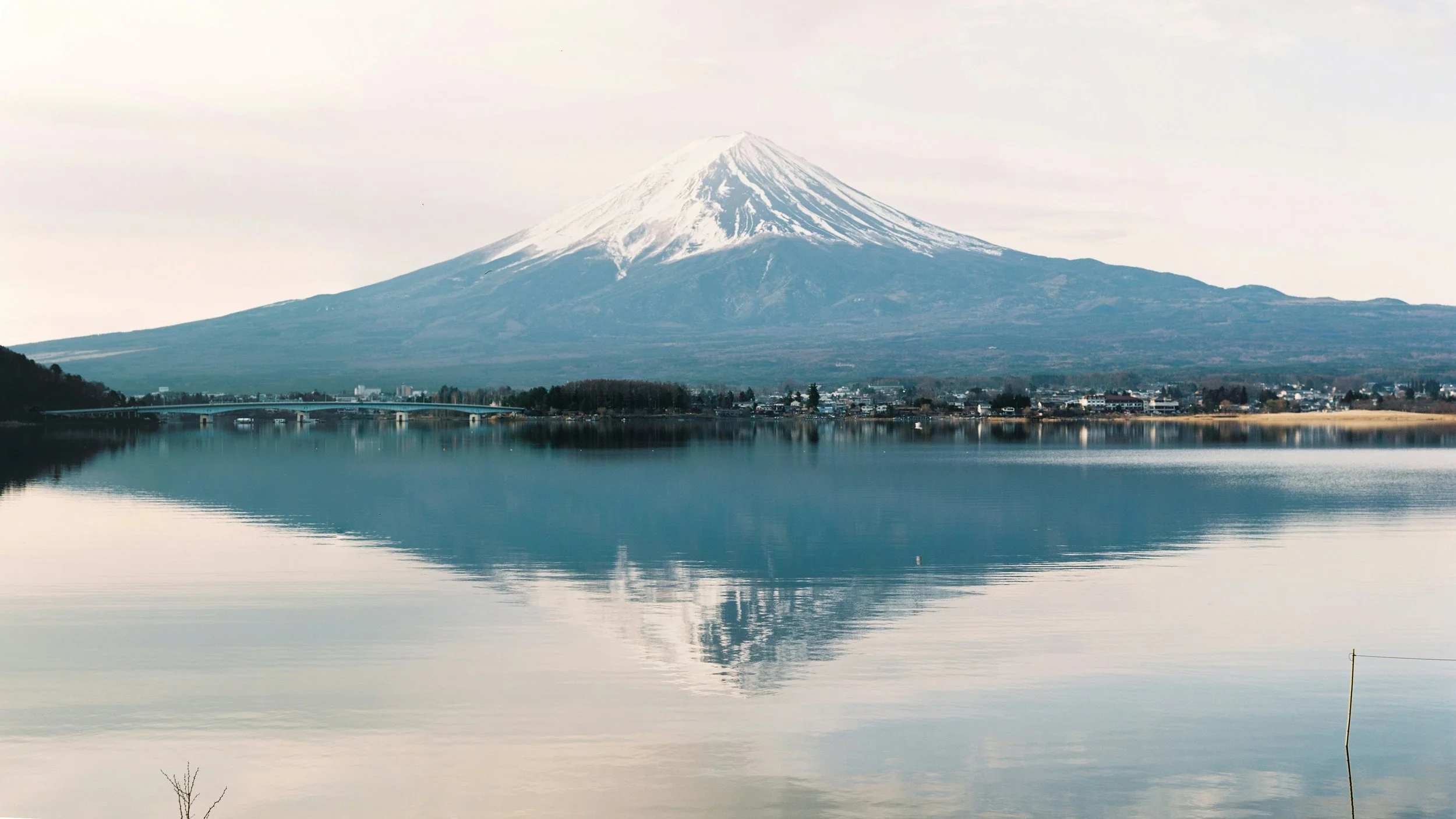
Climbing Mount Fuji is one of Japan's most rewarding experiences, but it can also be physically demanding. The best ways to recover after climbing Mount Fuji include rehydrating, eating nutritious meals, getting quality sleep, visiting an onsen, and allowing your muscles time to rest. Depending on the trail, hikers may spend 8 to 12 hours hiking at high altitude while dealing with steep terrain, changing weather conditions, limited sleep, and physical exhaustion. This guide covers practical recovery tips, local dining recommendations, onsen facilities, and ryokan stays that can help visitors recover comfortably after climbing Japan's most famous mountain.
Why Recovery Matters After Climbing Mount Fuji
Mount Fuji stands at 3,776 meters (12,388 feet) above sea level. Even experienced hikers often experience muscle fatigue, dehydration, soreness, and sleep deprivation after descending the mountain. The descent can be particularly challenging because it places significant stress on the knees, calves, and quadriceps. Many hikers report soreness lasting several days after the climb. Recovery after prolonged physical activity typically focuses on hydration, nutrition, rest, and light movement. Replenishing fluids, consuming carbohydrates and protein, getting quality sleep, and allowing the body time to recover can help hikers feel more comfortable after a long day on the mountain.
What to Eat After Climbing Mount Fuji
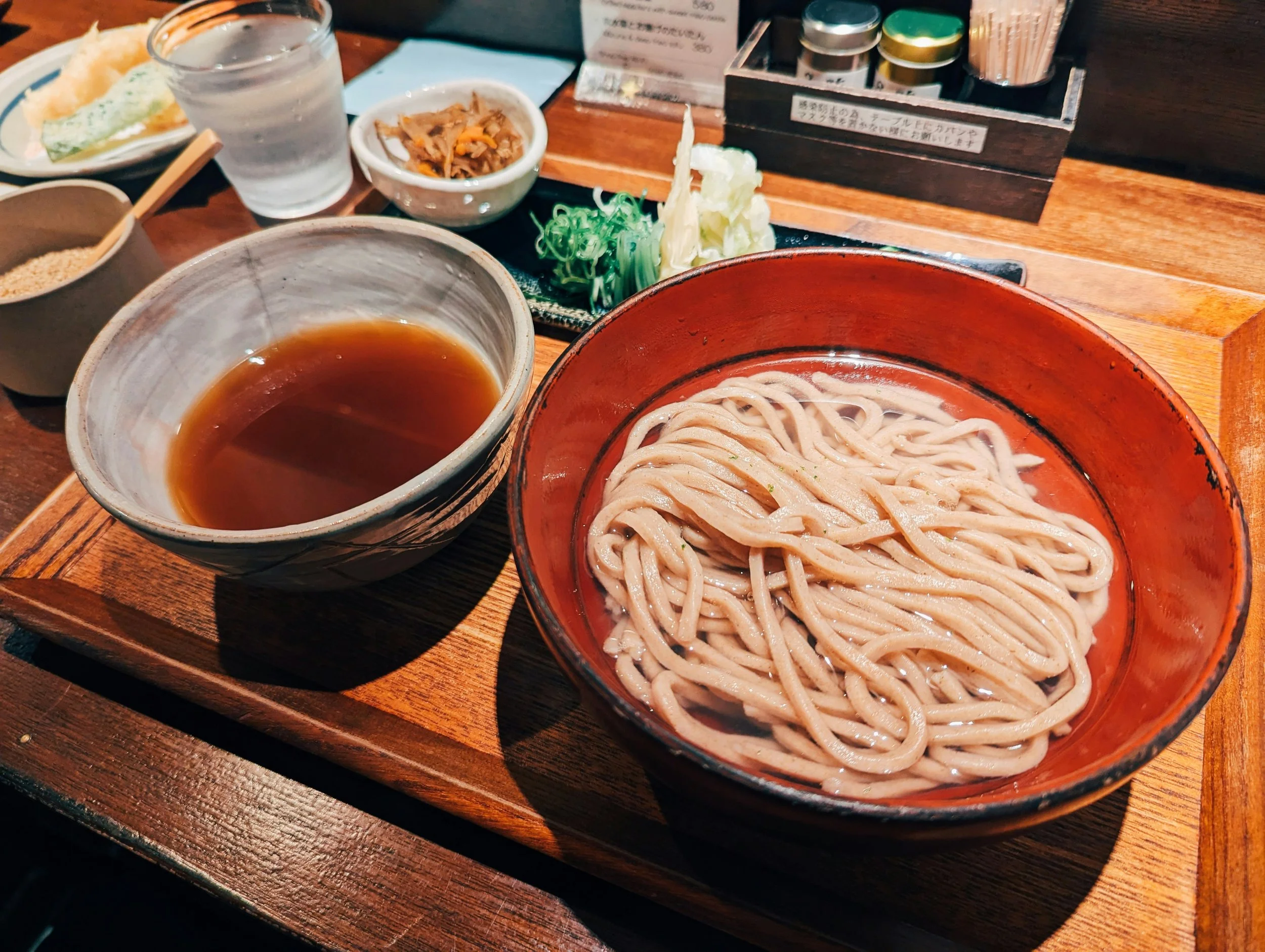
One of the best things hikers can do after descending is replenish fluids, electrolytes, carbohydrates, and protein.
Recommended Recovery Foods
Rice bowls with grilled fish or chicken
Udon noodle soup
Soba noodles
Japanese curry rice
Onigiri (rice balls)
Miso soup
Fresh fruit
Yogurt
Pocari Sweat or Aquarius sports drinks
These foods are commonly recommended because they provide carbohydrates for energy replenishment, protein for muscle recovery, sodium lost through sweat, and fluids that help support rehydration after a long hike.
Local Recommendations Near Mount Fuji
Fujisan Shokudo (approximately 3 minutes from Kawaguchiko Station)
A casual local restaurant near the Mount Fuji area serving Japanese comfort food and hearty meals popular with hikers looking to refuel after a climb.
Hoto Fudo (approximately 5–10 minutes from Kawaguchiko Station)
One of the most famous places to try Yamanashi's signature hoto noodles, a hearty miso-based noodle dish packed with vegetables and often recommended as a recovery meal after hiking.
Sanrokuen (approximately 10 minutes from Kawaguchiko Station)
A traditional robatayaki restaurant housed in a 150-year-old farmhouse near Lake Kawaguchiko. Guests grill local ingredients over a charcoal hearth, creating a unique post-hike dining experience.
Fuji Tempura Idaten (approximately 3 minutes from Kawaguchiko Station)
Located a short walk from Kawaguchiko Station, Idaten specializes in freshly prepared tempura using local Yamanashi ingredients and seasonal produce
Rehydrate Properly
Many hikers become mildly dehydrated during the climb. After descending:
Drink water gradually throughout the day
Consider electrolyte drinks such as Pocari Sweat
Avoid excessive alcohol immediately after the climb
Eat foods containing sodium to help replace minerals lost through sweat
Visitors interested in learning more about Mount Fuji's natural spring water and its role in hydration may also enjoy our article, The (Relatively) Unknown Health Benefits of a Mount Fuji Tour, which explores the region's famous spring water sources, including Oshino Hakkai and other locations around the Fuji Five Lakes area.
Convenience stores throughout the Fuji Five Lakes area sell sports drinks, water, fruit, and recovery snacks.
Nearby Convenience stores
FamilyMart Fujikawaguchiko Funatsu
Lawson Fujikawaguchiko Funatsu
These convenience stores are located near Kawaguchiko Station and throughout the Fuji Five Lakes area, making them convenient places to purchase sports drinks, water, fruit, onigiri, and other recovery foods after a climb.
How Onsen Baths Can Help Recovery
One of Japan's most popular post-hike recovery traditions is visiting an onsen.
Warm mineral-rich baths may help improve circulation, relax muscles, and provide relief after a long day of hiking. While an onsen will not completely eliminate muscle soreness, many hikers find it helps them feel significantly more comfortable.
Recommended Onsen Near Mount Fuji
Fujiyama Onsen
Website:https://www.fujiyamaonsen.jp/
Located approximately 1.2 miles from Kawaguchiko Station, near Fuji-Q Highland, Fujiyama Onsen is one of the most popular post-climb recovery options. The facility offers indoor and outdoor baths, sauna facilities, and relaxation spaces.
Benifuji no Yu
Website:https://www.benifuji.co.jp/
Located approximately 6.8 miles from Kawaguchiko Station, near Lake Yamanaka, this onsen is known for its Mount Fuji views and outdoor baths.
Yurari Onsen
Website:https://www.fuji-yurari.jp/
Located approximately 5 miles from Kawaguchiko Station, in the Narusawa area, Yurari offers multiple bath types and panoramic views of Mount Fuji.
Konohananoyu
Website:https://www.gotemba-konohananoyu.jp/
Located approximately 18.6 miles from Kawaguchiko Station, near Gotemba Premium Outlets, Konohananoyu combines modern facilities with traditional Japanese bathing experiences.
Why Sleep Is One of the Most Important Recovery Tools
Many hikers begin climbing Mount Fuji during the evening to reach the summit for sunrise. As a result, sleep deprivation is common. Rather than immediately returning to central Tokyo after the climb, many visitors choose to spend a night near Mount Fuji to allow their bodies additional time to recover.
Many ryokan in the Mount Fuji area offer a quieter environment than central Tokyo, allowing visitors to rest away from the noise and crowds often found in larger cities. For hikers who climb overnight to watch the sunrise, an additional night of quality sleep can be one of the most valuable recovery tools available before continuing their travels.
Recommended Ryokan for Recovery
Fuji View Hotel
Website:https://www.fujiview.jp/
Typical Price Range: ¥15,000–¥35,000 per night
Located near Lake Kawaguchiko, this hotel offers spacious rooms, mountain views, and a quieter environment than central Tokyo.
Konansou
Website:https://www.konansou.com/
Typical Price Range: ¥35,000–¥70,000 per night
One of the region's best-known ryokan, offering traditional Japanese rooms, hot spring baths, and views of Mount Fuji.
Kukuna
Website:https://www.kukuna.jp/
Typical Price Range: ¥30,000–¥60,000 per night
A modern ryokan-style property known for lake views and relaxation facilities.
Ubuya
Website:https://www.ubuya.co.jp/
Typical Price Range: ¥40,000–¥80,000+ per night
Popular among visitors seeking a more traditional luxury ryokan experience after exploring the Fuji area.
Recovery Timeline: What to Expect
First 24 Hours
Rehydrate
Eat balanced meals
Take an onsen bath
Prioritize sleep
24–48 Hours
Light walking
Gentle stretching
Continue drinking water
Avoid intense physical activity
48–72 Hours
Most hikers begin feeling significantly better
Muscle soreness gradually decreases
Energy levels improve
Explore More of Mount Fuji After Recovery
Many visitors spend an extra day exploring the Fuji Five Lakes area after completing their climb. If you're looking for memorable keepsakes from the region, our Meaningful Mount Fuji Souvenirs guide highlights unique local finds, including goshuin stamps, omamori charms, artisan crafts, and specialty products from the Mount Fuji area.
Climbing Mount Fuji is a memorable achievement, but recovery should be considered part of the experience. Taking time to rehydrate, enjoy local cuisine, visit an onsen, and spend a night in a relaxing ryokan can help travelers recover comfortably while experiencing another side of Japanese culture. With proper recovery, visitors can return to sightseeing, business travel, or additional adventures feeling refreshed and ready for the rest of their trip.
With TokudAw as your trusted travel partner, recovering after a Mount Fuji climb can be just as memorable as the ascent itself. From local dining recommendations and relaxing onsen experiences to traditional ryokan stays and transportation, TokudAw helps visitors make the most of their time in the Mount Fuji region. Book your private vehicle through Japan Private Drivers here.
Mount Fuji Recovery Options Comparison

Frequently Asked Questions
How sore will I be after climbing Mount Fuji?
Most hikers experience soreness in their legs, knees, calves, and quadriceps for one to three days after the climb. The descent is often harder on the muscles than the ascent.
Should I visit an onsen immediately after climbing Mount Fuji?
Many hikers enjoy visiting an onsen after descending. The warm water can help relax tired muscles and provide a comfortable way to unwind after a long day on the mountain.
Is it better to stay overnight near Mount Fuji after the climb?
Yes. Many visitors choose to stay in the Mount Fuji area for an extra night rather than returning directly to Tokyo. Additional rest can make recovery much more comfortable.
What should I eat after climbing Mount Fuji?
Foods that combine carbohydrates, protein, fluids, and electrolytes are often recommended. Popular choices include udon, soba, curry rice, grilled fish, onigiri, fruit, and sports drinks.
How long does it take to recover from climbing Mount Fuji?
Most hikers feel significantly better within 48 to 72 hours. Recovery time varies depending on fitness level, weather conditions, altitude adjustment, and overall health.
