How to do Japan Without Being Exhausted: The Philosophy of Ma and Slow, Mindful Travel
When a family arrives in Japan for the first time, it is not uncommon for them to hit the ground running to see the shining city lights of Shibuya, to smell the fresh aroma of ramen dishes, and to experience every “must-see” that they’ve been dreaming of up until this point. There is so much to see and do in Japan to the point that itineraries become jam-packed with movement. This is a problem travelers can overlook. Trying to cross things off of your bucket list can keep you exhausted, your kids overwhelmed, your grandparents struggling to keep up, and your trip full of anxiety. This will not translate to restful, quality time with your family that this vacation previously promised.
So, what can you do?
The secret to a life-changing family trip isn’t actually a secret, it is the key to experiencing the same quality of joy without over-exhausting yourself and your family. It is the Japanese philosophy of ‘Ma’, that transforms travel into a mindful practice to bring forth deeper emotions of contentment, gratefulness, and enjoyment.
5 Principles of Ma Influenced Travel at a Glance:
Before we continue to dive into explaining this philosophy in depth, take a look at the key principles that accompany this ideology to make for this transformative experience!
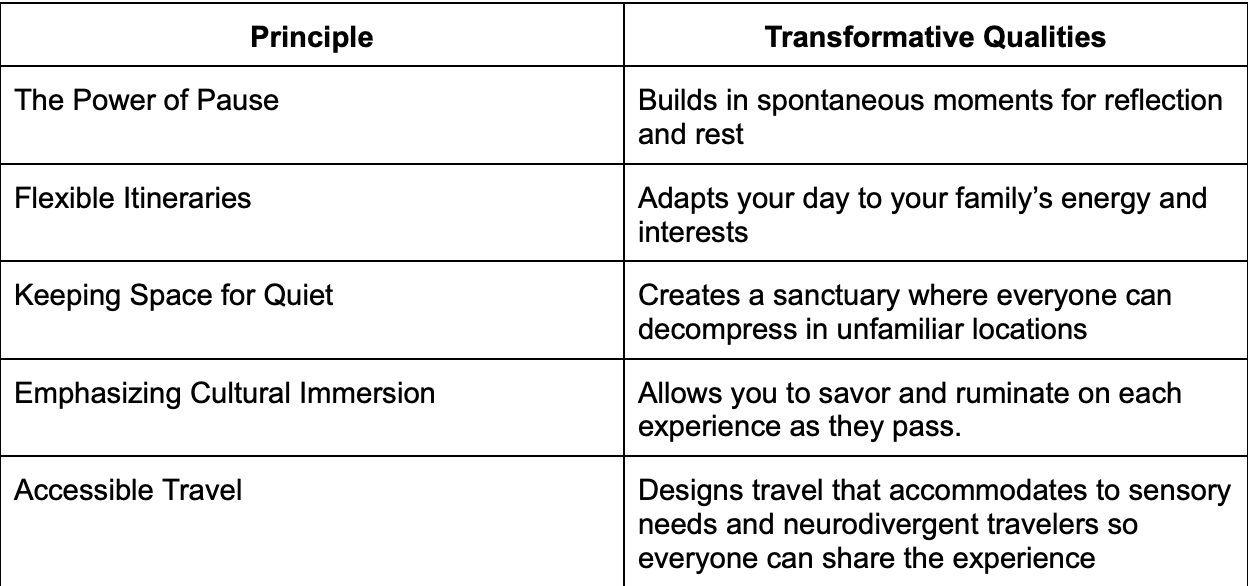
We will dissect every pillar of this philosophy and related ideas throughout this guide in depth, giving readers everything they need to apply Ma to their Japan travel itinerary.
What is Ma?
Ma is a Japanese concept that refers to “the space between things”. Identifying the silent gaps between noise or the breath between speech. This is an existential theory that the gap between things is what gives meaning to the things that surround it. Where space or pause in other cultures seems disposable because it does not serve an observable purpose, Japanese thinkers consider the interval of time and space to be a positive entity. For example, in architecture, an empty room is the most usable space because of the value the space in it brings.
This idea counteracts the biological reason why Japan travel can feel so draining, there can be multiple avenues of stress that can creep their way into your itinerary. Subway train and bus timetables, crowded city spaces, and language barriers can cause our bodies to enter a state of hyperarousal where cortisol levels rise, adrenaline surges, and our nervous system gets overwhelmed. It is here that our prefrontal cortex (the part of the brain responsible for reflection, appreciation, and understanding) isn’t connecting at full capacity, which makes completing your Japan ‘checklist’ more about moving through the motion than actually creating memories. This is why so many travelers return home from their Japan vacation feeling like they need another vacation to recover after rushing after experiences that they were too stressed to actually enjoy.
To travel with Ma is to recognize the gaps between your planned activities as valuable moments essential to the overall experience of your travel. It is space for you to linger, wander, and go along with the flow more spontaneously. This is a way of life that your family can carry into your everyday routines long beyond your vacation, remembering that meaningful moments in life don’t need to be scheduled. The space between the sights is where the soul of Japan truly comes alive. Applying the philosophy of Ma in life looks like recognizing the value in the ‘nothing’ moments of our lives between the emotionally resonant moments and fully experiencing those moments with the same level of power. For travelers, embracing Ma means focusing on the “being” just as much as the “doing”, and incorporating every moment in your meaningful journey of new experiences.
Making Every Encounter Precious: The Philosophy of Ichigo-Ichie
A sister concept to Ma by the name of Ichigo-Ichie expresses the theory of “one time, one meeting”. This Japanese idiom originated in the tea ceremony traditions of the 16th century, later popularized in the 19th century specifically in the context of tea ceremonies. This concept is also rooted in Japanese Zen culture emphasizing the importance of valuing every moment in our lives, because every encounter is unique and will never be repeated again in exactly the same way. Taking this into consideration, rushing through your travel experience does not allow you to value every moment, you are simply consuming time as if it will return back to you.
This is an attempt to amend the trap travelers fall into trying to maximize every moment of their vacation. They think “this trip is once in a lifetime, I have to make the most of it”. However, going about that with back-to-back activities, rushing through shrines and temples, and blindly trampling through public transit to get from place to place makes for a trip where you have seen everything, but have experienced nothing. You come home with photos that are not attached to memories, and a completely checked off list that you haven’t learned anything from.
What you don’t want is to end your vacation, needing another vacation to recover from it.
Ichigo-Ichie has immense ties to the Buddhist concept of impermanence, the idea that everything in existence is transient.
People age.
Seasons change.
The moment we are living now will never be lived again.
This idea is liberating in Japanese culture, it transitions your mindset to be more present, grateful, and more aware. In the words of Thich Nhat Hanh, “The present moment is the only moment available to us, and it is the door to all moments”; when we are fully present, we connect the flow of life, past and future, through the gateway of now. Practicing Ichigo-Ichie and Ma allows you to treasure these moments much more closely. Having a 90 minute meal with your family, listening to their laughs, slowly chewing and savoring your food, and being fully present in the moment would prove much more enjoyable than rushing through a 30 minute family meal in order to rush to your next destination. The philosophy of pause does not put you in a position to need a vacation from your vacation, it makes your vacation defy both time and space as your present moment extends to last a lifetime.
The TokudAw Difference: Applying Ma to your Travel Experience
Here at TokudAw, we believe that travel should be about making memories and being enriched by unique experiences that you could not have at home. This is why our business model is built around the philosophy of Ma to enrich our clientele experience with this mindful ideology.
We offer:
Flexible Itineraries- Self-paced itineraries are essential for maximizing your time each day of travel. Unlike traditional stricter group tours, TokudAw itineraries allow families to linger longer to comb through shops or examine every exhibit in a museum without constantly checking the time. Being able to set the pace allows you to stay longer where you’re captivated or move forward when you’ve already taken it all in. Flexibility like this is especially valuable for multi-generational families. Grandparents can have more rest at a slower pace while children can exert their energy with fast-paced activities and everyone in between’s needs are met. Serendipity gaps become filled with whatever catches your eye.
Space for Quiet with Private Cars- A common stressor for families moving through Japan for the first time is the stress of navigating maps, stations, and stops between activities. Especially coming from a location with a lack of public transit, the act of going through this process multiple times per day drains valuable energy that takes away from your activities and experiences. TokudAw offers mobile private sanctuaries through private car travel to provide our family with a space where everyone can be themselves in an isolated environment, removing travel stress from daily routine. TokudAw vehicles feature low steps for passengers with reduced range of motion and stroller/wheelchair ramps as well as generous space for everyone to travel comfortably. TokudAw even accounts for travelers with autism and neurodivergent passengers with quiet respite from the bustling streets of Japan. This is the embodiment of Ma influenced travel with the space available for rest and reflection to process your experiences after you move through them.
Cultural Immersion- Embracing Ma also means embracing Japanese culture. Visiting Japan is an amazing opportunity to learn history, observe religious traditions, and meet kind locals to have a culturally rich and educational experience. Practicing Ma in this moment means being entirely present in each place, reading the signs, and connecting to the space around you. This takes cultural immersion to the next level, no longer simply going into a temple to take pictures and leave. There is now a slower movement to your travel, reading the literature and seeking to understand the spiritual significance of the space, trying to feel it for yourself. This is exactly why it helps to hire TokudAw’s private guides who can help with every area of cultural education. Our knowledgeable guides and interpreters share stories, explain cultural nuances, and can call your attention to the smaller moments.They can help you find hidden gems in Japan that you might not have even known existed, these spontaneous changes of motion incorporate Ma into every area of your travel experience.
A Perfect Day Itinerary of Slow Discovery:
As an example, allow us to walk you through a sample experience of traveling with a flexible itinerary in a walkable area that incorporates the pillars of Ma as you explore Japan!
The magic of having activities within a walking distance lies in the freedom of moving between spaces at your own pace, where you can reflect as you walk, in the gap between places. One of the best places to practice this kind of mindfulness is the Ryogoku district, the heart of sumo culture and Edo-era history. You can spend a full day learning, exploring, and experiencing the city in an actually relaxing way.
Morning: Walking Through Time at the Edo-Tokyo Museum
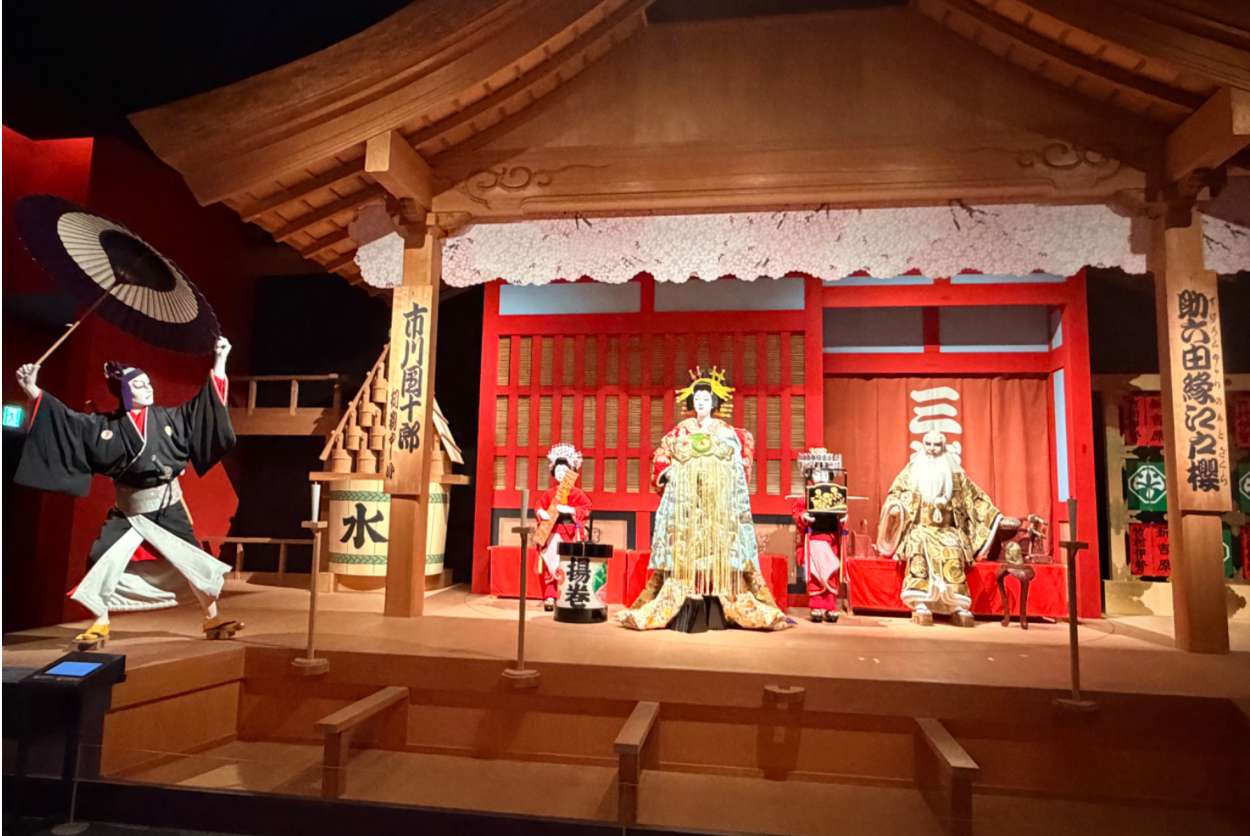
You can start your day at the Edo-Tokyo Museum, a unique immersive experience taking you through 400 years of Tokyo’s history. As you walk through the museum, pay attention to the details of the historic replicas of artifacts and structures and how they change through the different periods of time. There is a wide array of replicas, statues, and artifacs through all floors of the museum featuring special and permanent exhibits.
This experience is also a perfect experience for families. This is an opportunity to teach children the philosophy of Ma by helping them interact with the displays and try on traditional costumes, appreciating the moments between the stimulating experiences. This museum has many interactive displays that allow for touching, smelling, and hearing the information in a way that is both educational and entertaining to children. This is aside from the visual marvel that is the walkable rooms, miniature towns, and detailed statues 30 feet tall. This is also an opportunity for grandparents to slow down and linger through the dioramas and enjoy the atmosphere that has been carefully curated around them. For all ages, the multi-language labelling is exceptionally informative and the in-house cafe has delicious, accommodating foods for all diets!
Midday: Learning and Experiencing Sumo Culture and Chanko-Nabe
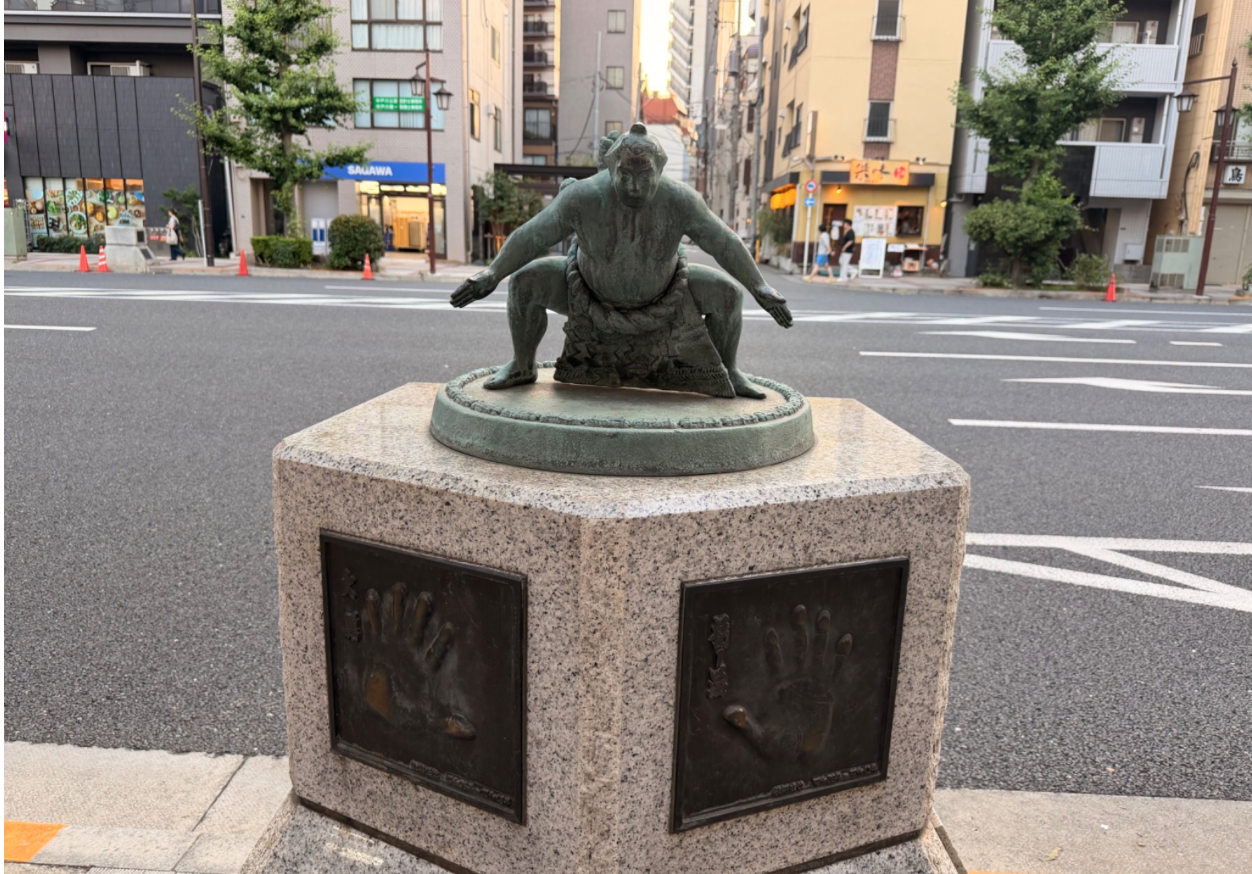
A short walk away from the museum is the Ryogoku Kokugikan area, which is an iconic sumo area containing the Sumo Museum and the architectural heart of sumo wrestling past and present. Your family can explore collections of preserved moments of history exhibiting everything sumo-related. Within this area is the Ryogoku Edo Noren, a building carrying an air of the Edo-period architecture surrounding a full-size sumo ring and dining area. This is a great place to stop for lunch! You can try new, healthy, hearty foods that sumo wrestlers eat to train the way they do. This environment stimulates group conversation, connection, and pause as you learn so much about this culture through true immersion.
Afternoon: Slowing Down and Reflecting in the Gardens

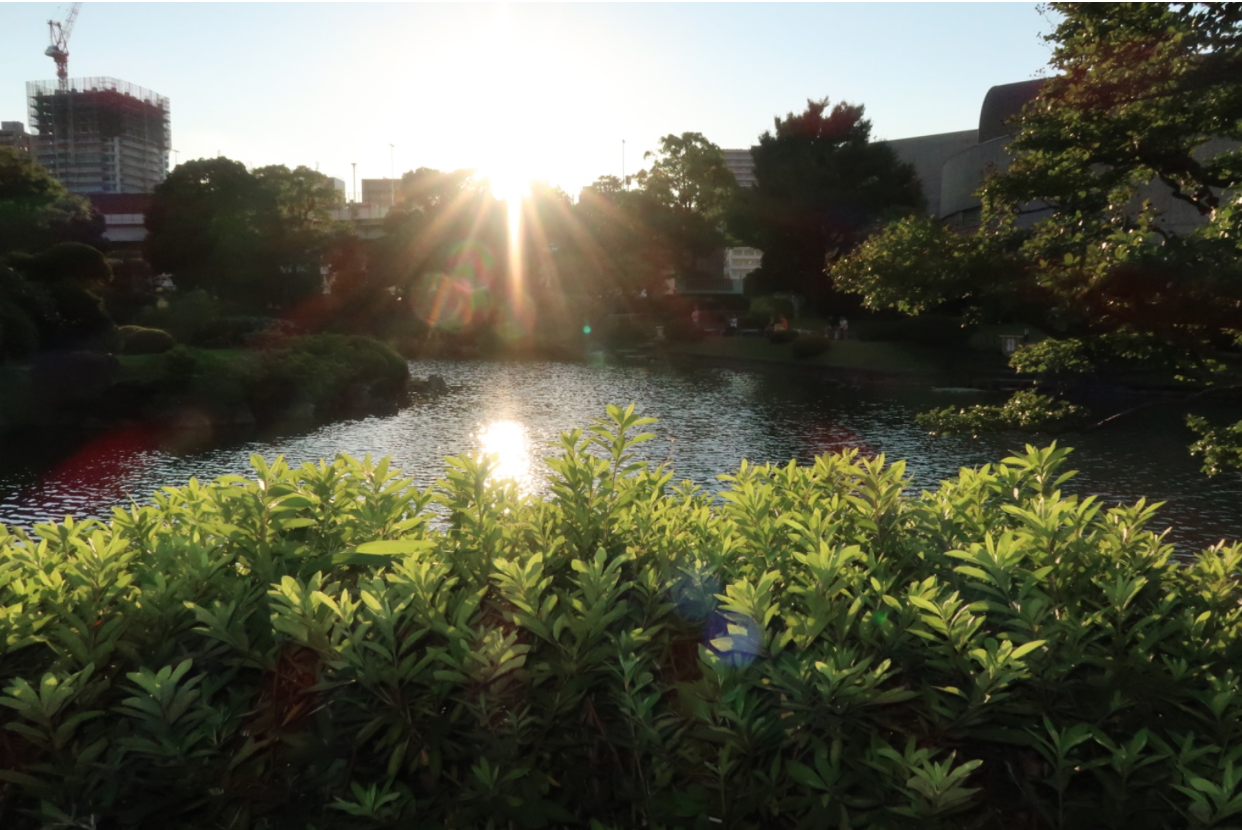
After the natural conclusion of this meal, you can take another short walk to the Kyu Yasuda Garden, a traditional Japanese garden that creates a beautiful environment for the practice of Ma. This area offers quiet paths, a beautiful still pond, with friendly families of turtles and birds wandering their environment. You can walk slowly through the garden, pausing to sit and watch the water, breathing in the fresh, still air. For creatives, you can even take a second with a sheet of paper to draw your surroundings or journal about what feelings this moment of pause brings forth. There are benches placed thoughtfully off the gravel path to give space for observation. This is a peaceful place to pause between activities where your family can reflect on the experiences of the day and spend quality time together.
The Philosophy of Tokudaw
TokudAw provides services aligned with the unique ethical framework of the Ma and Ichigo-Ichie, considering what is most beneficial for both travelers and the home community of Japan.
The difference:
TokudAw ensures the most meaningful engagement with the local culture beyond the performative aspect, a symbiotic relationship between the traveler and the location. In the process of guiding a family through Ryogoku, TokudAw also works to support the preservation of these cultural traditions.
TokudAw removes the stress of navigating transit and barriers of culture shock, allowing our clients to engage with the Japanese environment more freely and absorb these experiences at their own pace.
TokudAw’s services are a natural extension of Ma by slowing down, respecting the environment, and creating travel experiences that cater to the needs of each individual traveler.
TokudAw recognizes how much our modern world demands of us. Your time, attention, productivity, and energy are artificially extracted every day through the requirements of the social structures we live within. In opposition, the daily practice of Ma and the incorporation of its pillars into our travels is a radical act of awareness and self care. This is a valuable act, worthy of consideration and intention. This practice infuses our daily, mundane, ‘nothing’ moments of life with meaning and value. TokudAw works with this principle to bring families together during travel to explore without stress and with open minds and time to make the most of every moment of their experience.
If you are ready to transform your travel experience for yourself and your family, let TokudAw help you with your itinerary to best guide you in the incorporation of Ma! We can build an itinerary around your family’s pace, interests, and priorities while providing you with the private space to rest within your dream day. A TokudAw experience is one of memories that will stay with you long after your trip, not because you checked places off of your list, but because you were fully present in each second of your journey, holding onto what matters most.
Contact us today to get started planning your experience!
FAQ: How to Embrace Ma Philosophy in Family Travel
What is Ma and why is it important?
Ma is a Japanese philosophical concept that the “space between” things is what gives things value. In daily life as well as travel, it is important to allow for unscheduled, spontaneous time for rest and reflection between moments as well as present minds and hearts in the duration of the activity.
What is Ichigo-Ichie and why is it important?
Ichigo-Ichie means “one time, one meeting”, which is a Japanese Zen concept explaining that every encounter and moment in life is unique and will never be repeated again, emphasizing a need to treat every second as precious. You value every moment in life as absolutely essential, even the moments of pause between big experiences.
How does TokudAw incorporate Ma and Ichigo-Ichie into its itineraries?
TokudAw creates flexible itineraries that avoids over-packing your trip with back-to-back plans leaving no room for spontaneity. We leave these gaps to adapt to your family’s interests, energy levels, and capabilities to create space for lingering and savoring every moment in your journey.
How does private care travel help with the goal of slow travel in Japan?
A private car creates a safe, quiet space for your family to relax between locations. This eliminates the stress of navigating public transit in an unfamiliar environment and the stress of having a certain time table in which you have to move through your day. You can take your time, reflect on what you’ve learned and felt, and have meaningful conversations with your family and people you meet.
How can multigenerational family travelers benefit from slow travel?
Our vehicles are accessible with low steps, wheelchair ramps, and generous leg room. We build itineraries with breaks and flexible pacing so family members of all ages can go about this journey with the same level of mindfulness and intention together. We offer the services of knowledgeable interpreters, guides, and drivers who can guide families through their journey in Japan. Make sure to check out our travel blog for more multigenerational family content!
