18 Japanese Souvenirs Neurodivergent Travelers Will Actually Love (2026)
Souvenir shopping is that part of the trip most neurodivergent travelers say feels overwhelming, partly because the shops are loud and crowded, and partly because most guides recommend the same generic items.
This guide is different.
We've grouped 18 souvenirs by the sense or activity they engage in, so you can find something that fits how you (or the person you're shopping for) move through the world.
For visual stimulation
If you stim by watching repetitive motion, these three souvenirs are some of the most satisfying things Japan has put on a shelf.
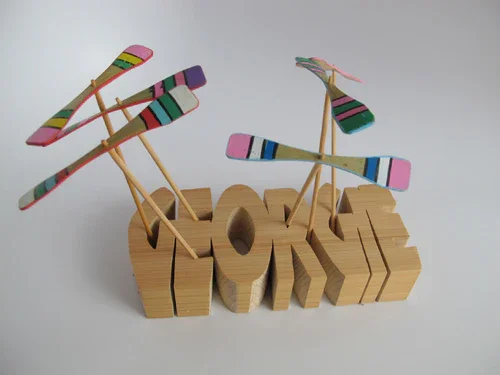
1. Taketombo (bamboo dragonfly)
A taketombo is a traditional bamboo propeller toy that flies straight up when you spin its shaft between your palms. It's the same toy Doraemon wears as his "take-copter" and costs.
The motion is rhythmic and predictable. You spin, release, and watch the propeller climb in a clean vertical line before drifting back down. So it’s good for visual stim without being overstimulating.
Price range: 200 to 500 yen
Where to buy: Most souvenir shops, temple markets, and traditional toy stores
Packing note: Small enough to pack flat in any carry-on
Source: Goods from Japan
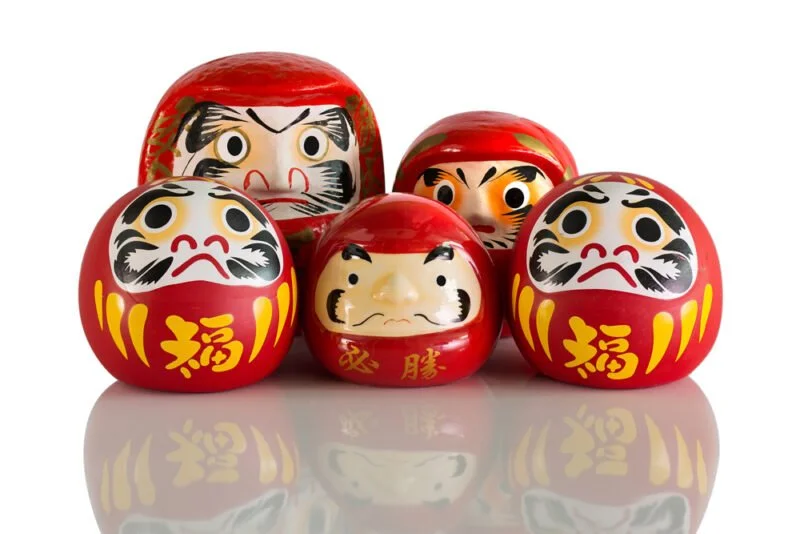
2. Daruma doll
Daruma dolls are round, hollow papier-mâché figures that wobble back upright when pushed. Tradition says you paint in one eye when you set a goal and the second eye when you achieve it.
The weighted base means the doll always rights itself, no matter how hard you tip it. A small daruma you can fidget with throughout the day doubles as a desk toy and a goal-setting reminder.
Price range: 500 to 3,000 yen
Where to buy: Temple markets nationwide, especially in Takasaki (the daruma capital), and most souvenir shops
Packing note: The papier-mâché is light but dents easily, so wrap it in clothes
Source: fromJapan
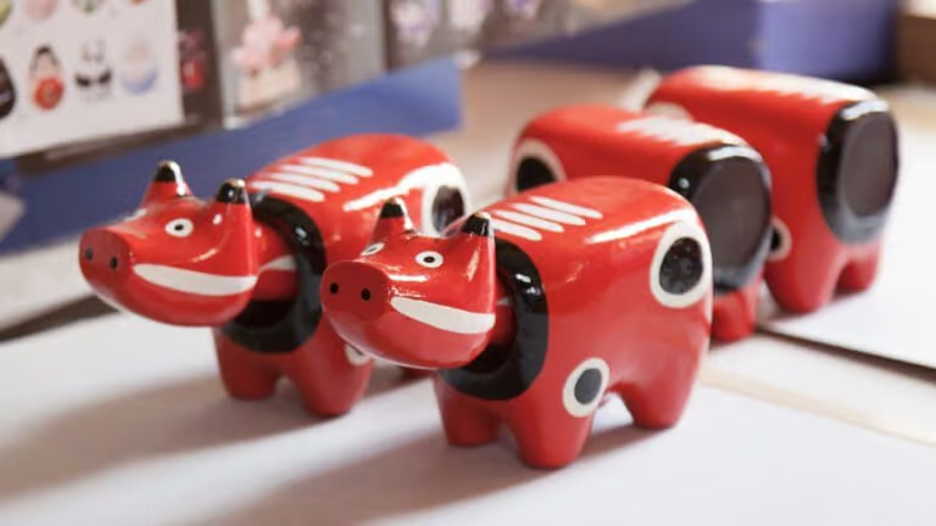
3. Akabeko (red cow)
The Akabeko is a red papier-mâché cow with black spots and a head that bobs slowly when touched. It started as a folk charm from Aizu in Fukushima and now sells across Japan as a luck symbol.
Price range: 3,000 to 6,000+ yen
Where to buy: Souvenir shops nationwide, with the most authentic versions sold in Aizu-Wakamatsu in Fukushima
Packing note: The head detaches if knocked too hard, so it's better as a desk piece than a bag toy
For sound and rhythm
Some neurodivergent travelers regulate through sound rather than sight or touch. The three options below cover the range from quiet and meditative to playful and loud, and none of them need batteries to work.
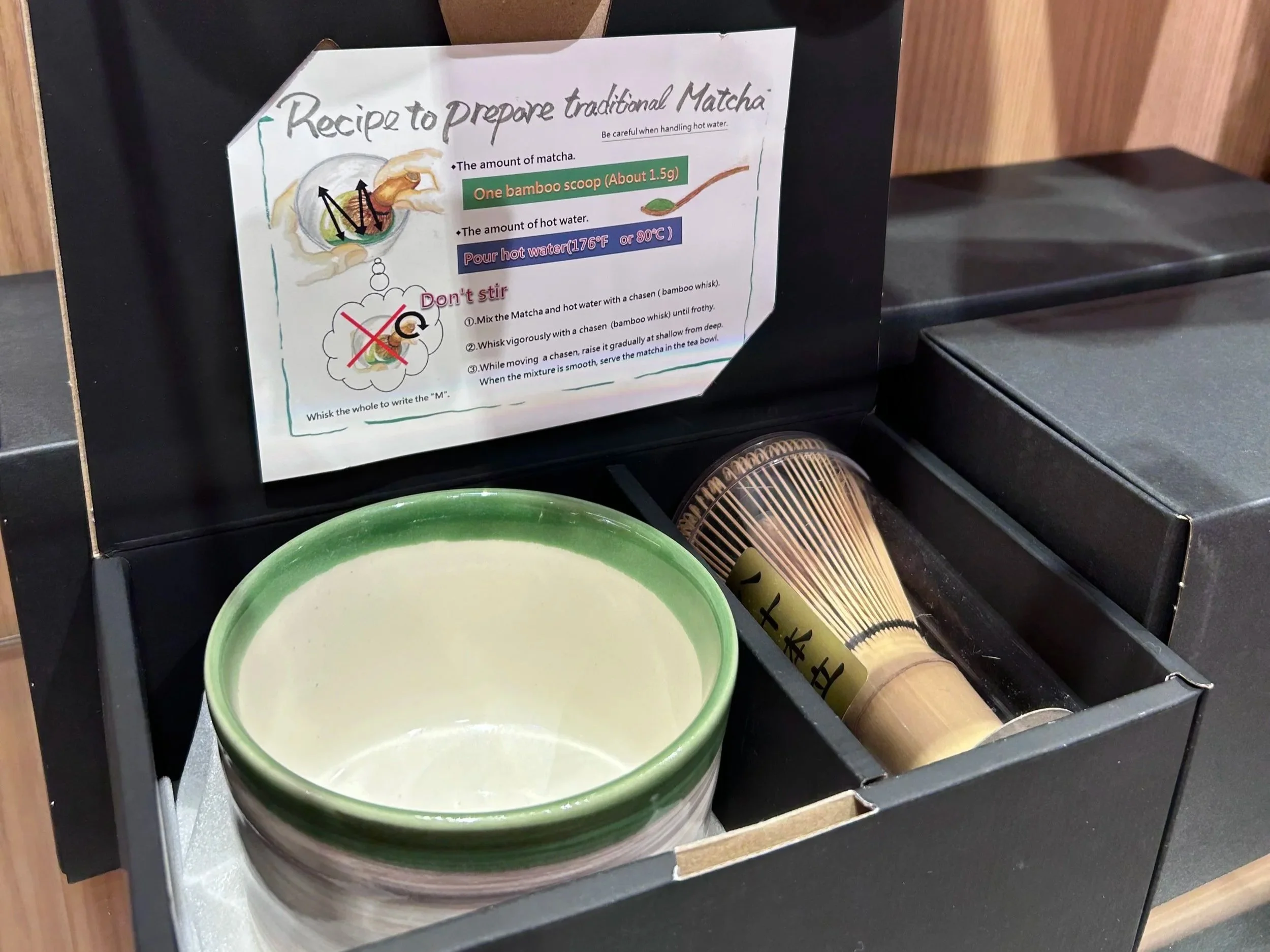
4. Tea whisk and bowl set (chasen and chawan)
A traditional matcha set includes a bamboo whisk (chasen) and a ceramic bowl (chawan). The whisking motion produces a soft, steady sound similar to ASMR. You also get the smell of matcha and a warm drink at the end.
Price range: 4,000 yen and up for a starter set
Where to buy: Depachika at Isetan, Mitsukoshi, or Takashimaya, plus dedicated tea shops in Uji and Kyoto
Packing note: The ceramic bowl needs careful padding for checked luggage
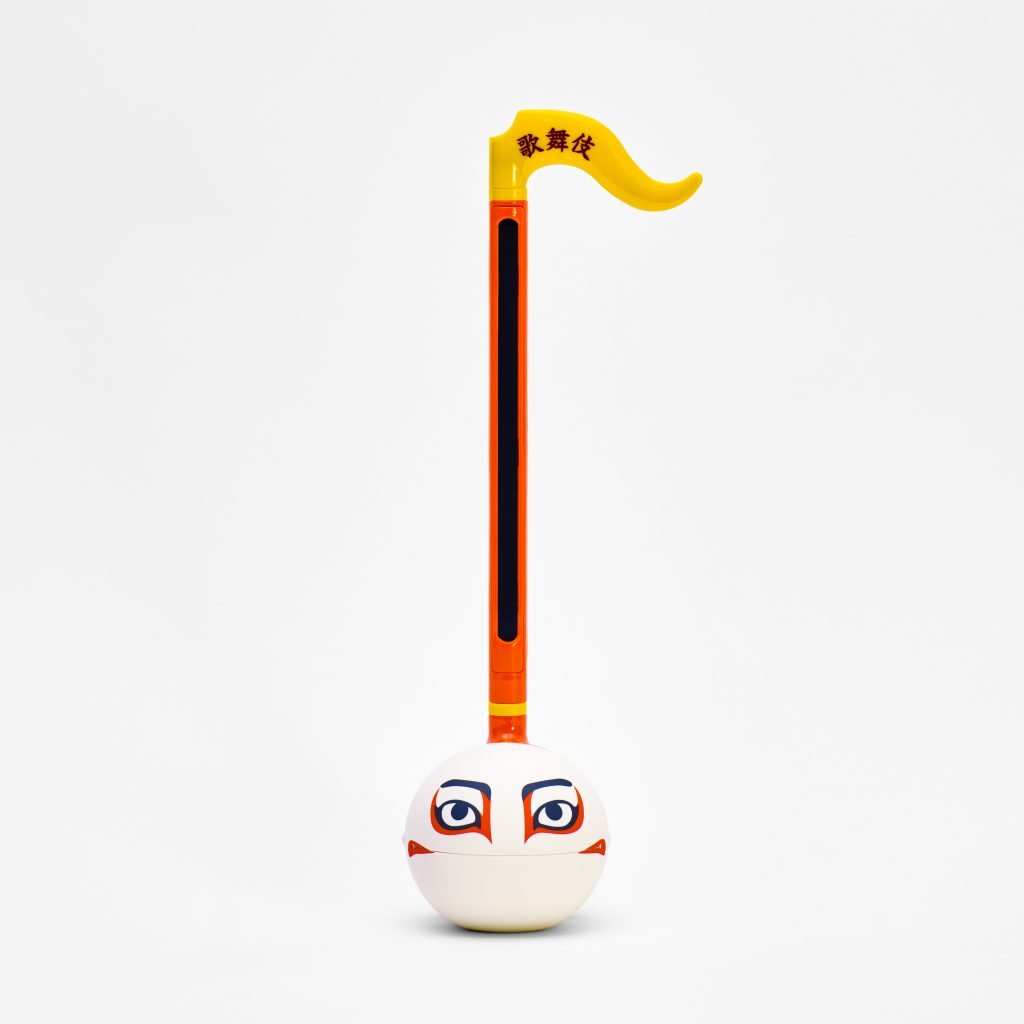
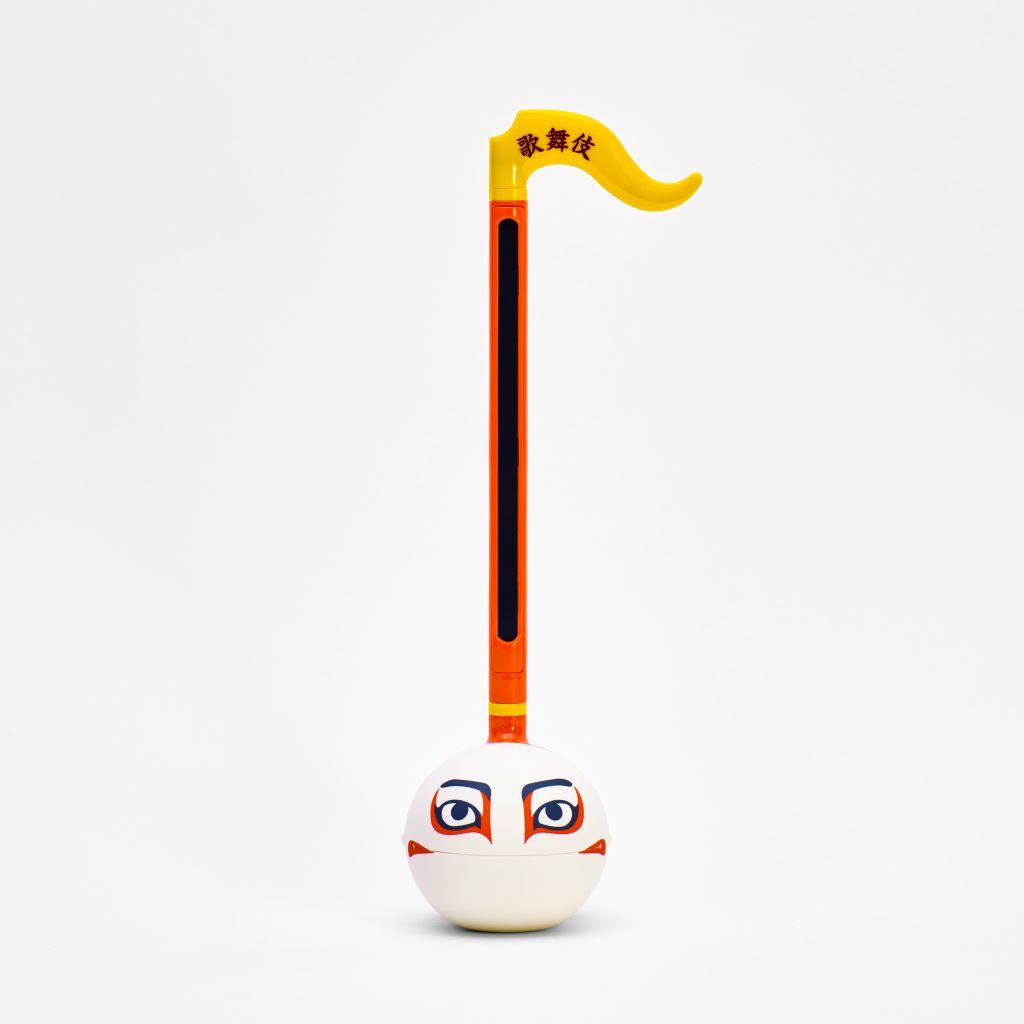
5. Otamatone
The otamatone is an electronic synthesizer shaped like a musical note, with a sliding pitch strip you press to bend tones. It produces unusual vocal-like sounds.
● Price range: 3,000 to 5,000+ yen
● Where to buy: Don Quijote, Kiddy Land, and most large toy stores
● Packing note: Battery-powered, so check the size. Mini version fits in a bag but full-size needs more room
Source: otamatone
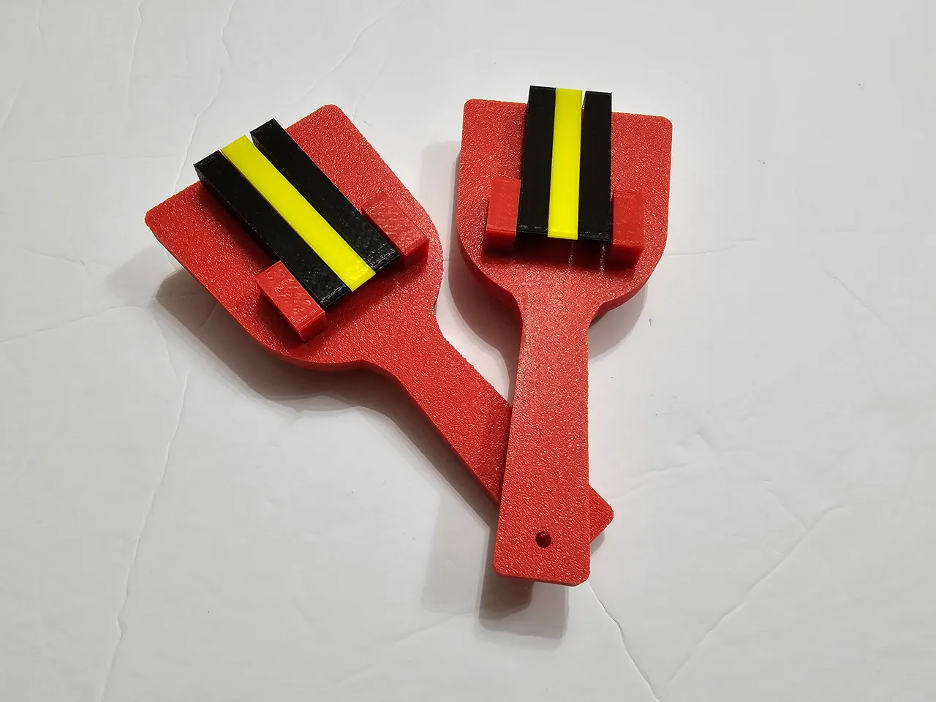
6. Yosakoi naruko (wooden clappers)
Naruko are small wooden clappers originally used by farmers to scare birds away from rice paddies. They're now the signature instrument of the Yosakoi dance festival.
● Price range: 2,000 to 5,000+ yen
● Where to buy: Festival shops, Kochi-region souvenir stalls, and traditional toy stores
● Packing note: Lightweight and durable, so it’s one of the easiest items on the list to travel with
Source: Printables
For tactile and textural play
These three are unique Japanese souvenirs, made to be held and worked with your hands.
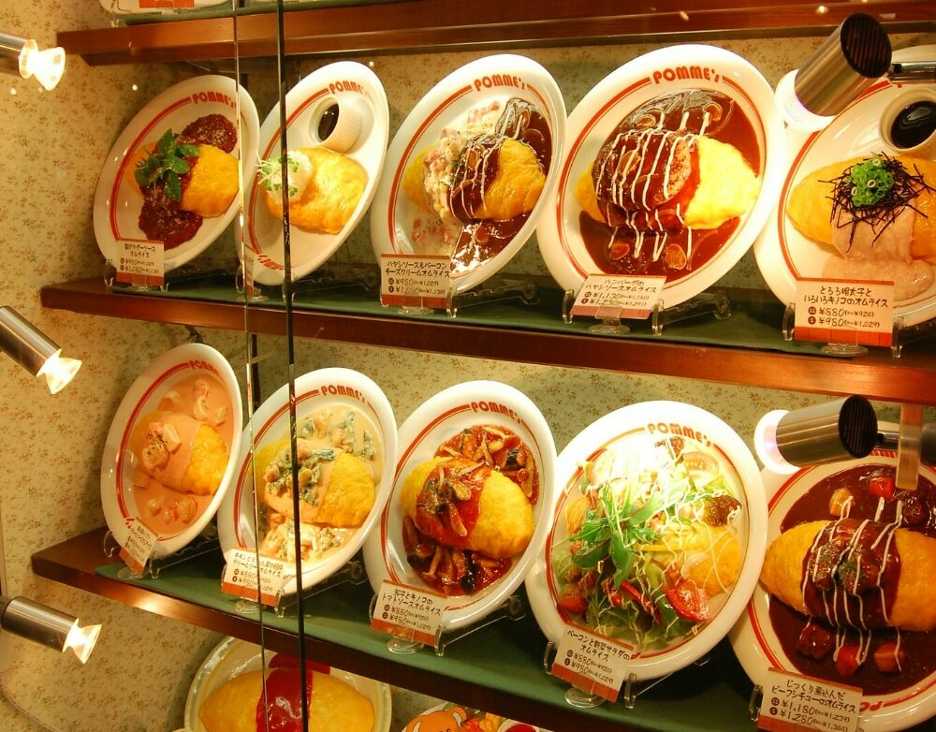
7. Sampuru (fake food replicas)
Sampuru are the hyperrealistic plastic food replicas displayed outside Japanese restaurants. You can buy keychain-sized versions or full-dish replicas, or take a workshop to make your own.
● Price range: Different for all the dishes
● Where to buy: Kappabashi Street in Tokyo (the kitchen district) is the main hub. Workshops in Asakusa let you make your own
● Packing note: Keychain sizes are easy to carry but full dishes need bubble wrap
Source: Arigato travel
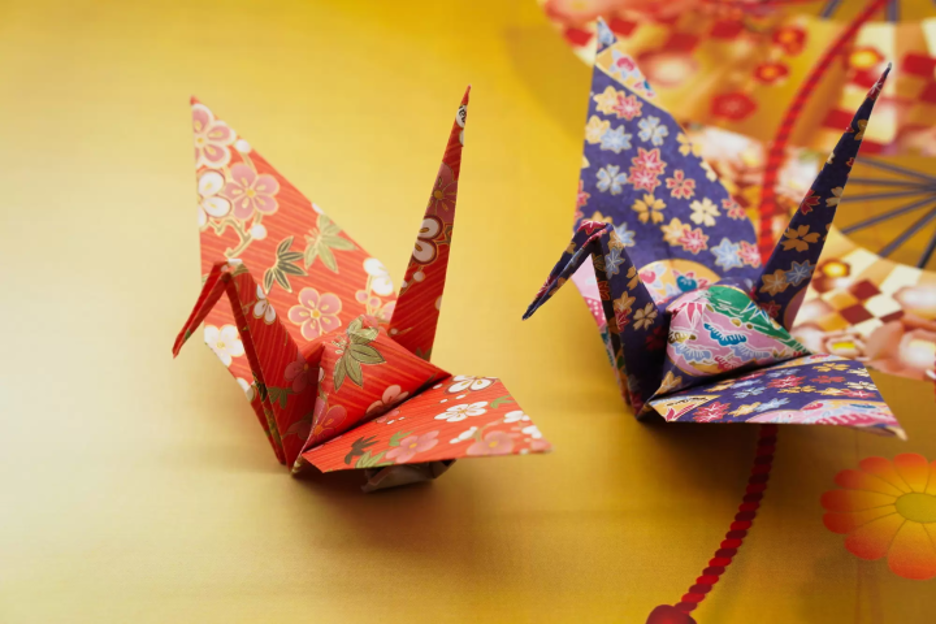
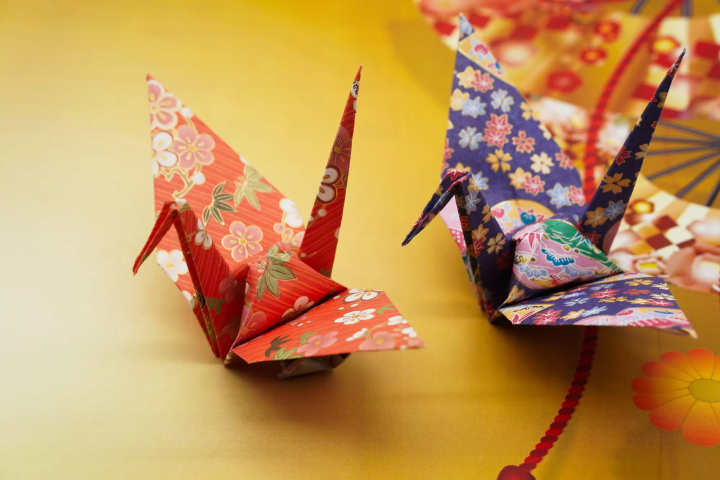
8. Origami paper
Japanese origami paper comes in textured patterns made for both folding and feeling. Its three main types are commonly sold: washi (soft and fibrous), chiyogami (smooth with detailed prints), and foil-backed paper (sharper folds, metallic finish).
● Price range: 1,500 to 3000 yen for starter packs
● Where to buy: Tokyu Hands, Loft, and any stationery shop
● Packing note: Flat, light, and easy to pack in carry-on
Source: matcha
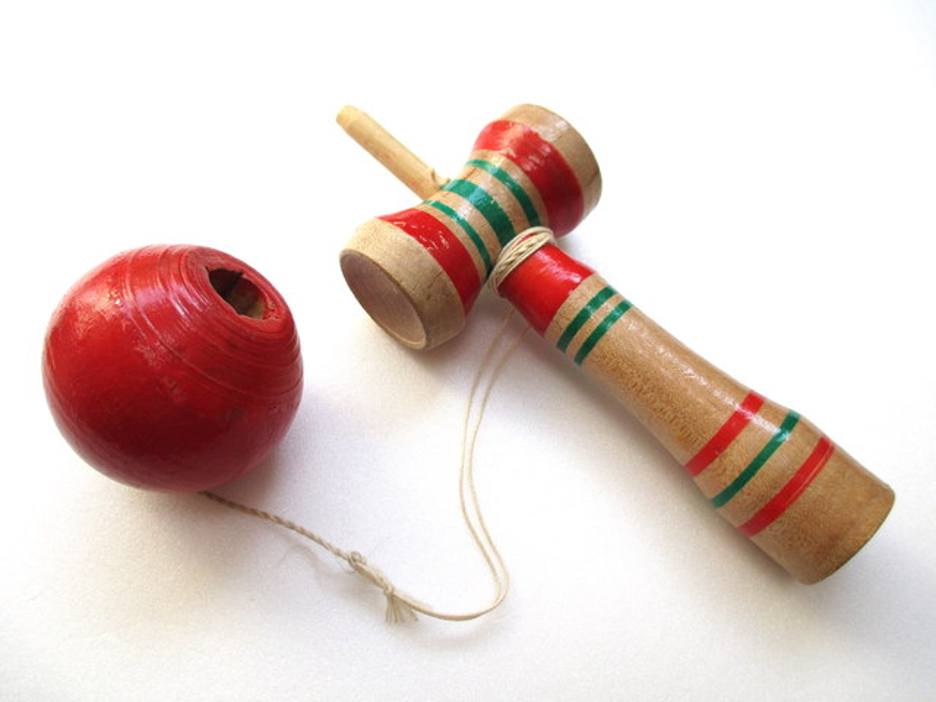
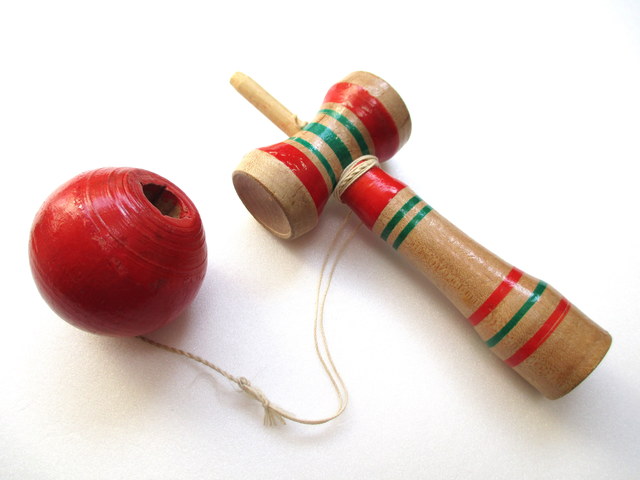
9. Kendama
A kendama is a wooden ball-and-cup toy with three cups, a spike, and a string-tethered ball.
● Price range: 1,500 to 10,000 yen
● Where to buy: Toy stores, traditional craft shops, and souvenir stores nationwide
● Packing note: Solid wood, but it can fit in a backpack pocket
Source: tsunagu Japan
For builders and methodical play
If you find building things calming, these three souvenirs come straight from autistic travelers' recommendations.
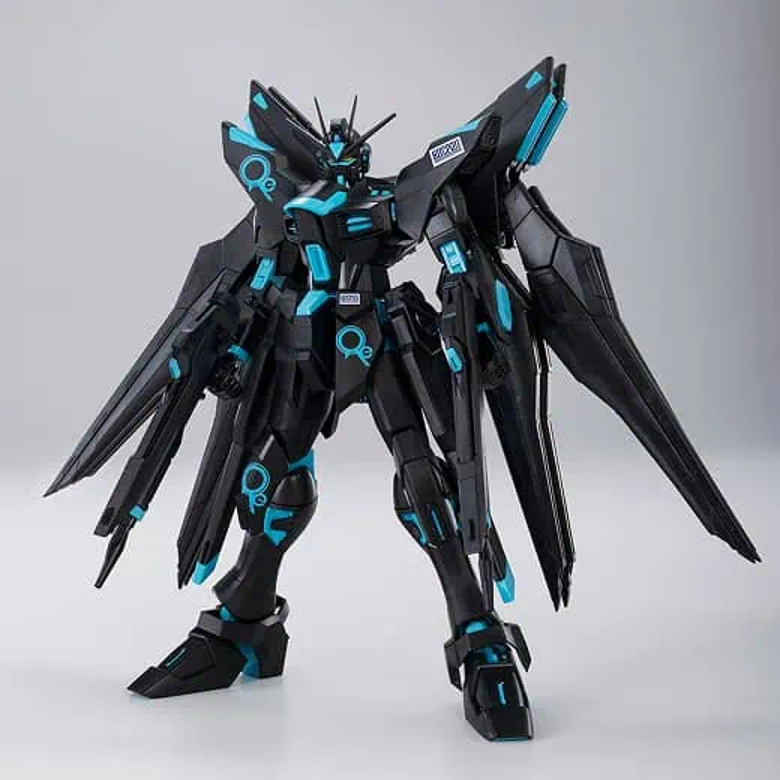
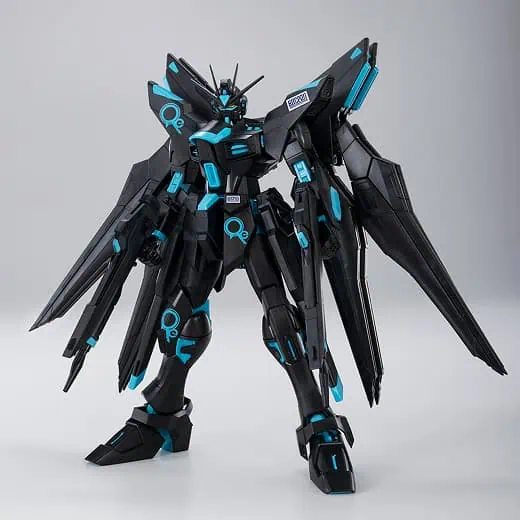
10. Gunpla (Gundam plastic model kits)
Gunpla are snap-together plastic model kits of Gundam mecha, originally a Japanese invention and still made primarily in Japan.
Building Gunpla is methodical, sequential, and absorbing, which is why it's one of the most-recommended hobbies in autistic communities. You don’t need any glue or paint for most kits.
● Price range: 1,000 yen for beginner kits, 10,000 yen and up for master grade
● Where to buy: Gundam Base Tokyo in Odaiba (largest selection), Yodobashi Camera, Bic Camera, and hobby shops in Akihabara
● Packing note: Gunpla boxes are flat and sturdy, so they pack well in checked luggage.
Source: Essential Japan
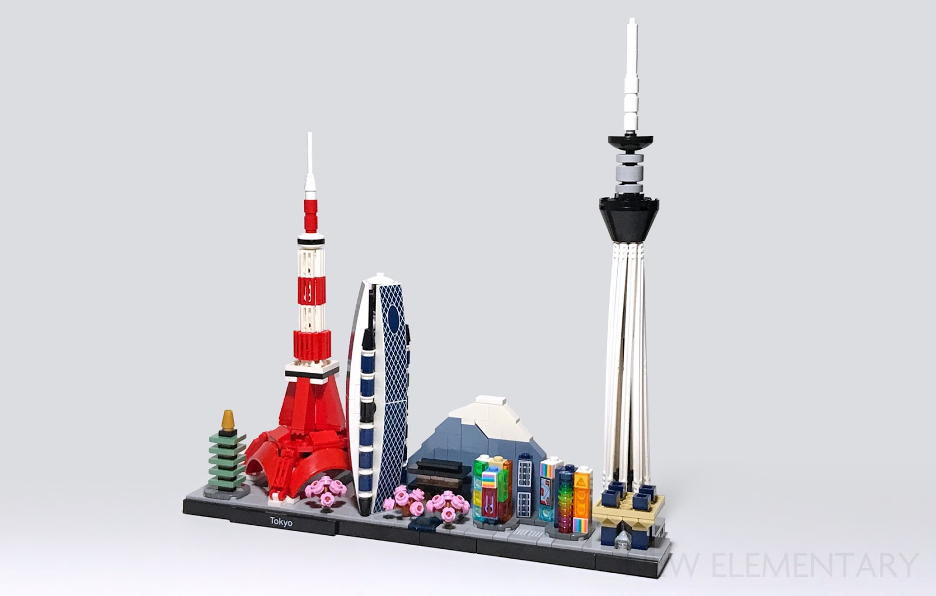
11. Tokyo Tower Lego set
The Tokyo Tower Lego set is sold only at the official Tokyo Tower gift shop, making it a true location-specific souvenir.
● Price range: Starting from 8,000 to 16,000 yen, depending on size
● Where to buy: Tokyo Tower gift shop only. The shop is on the lower floors, so you don't need a tower entry ticket to buy one
● Packing note: Sealed Lego boxes are sturdy and fit easily in checked luggage
Source: New Elementary
12. Kapla and wooden building blocks
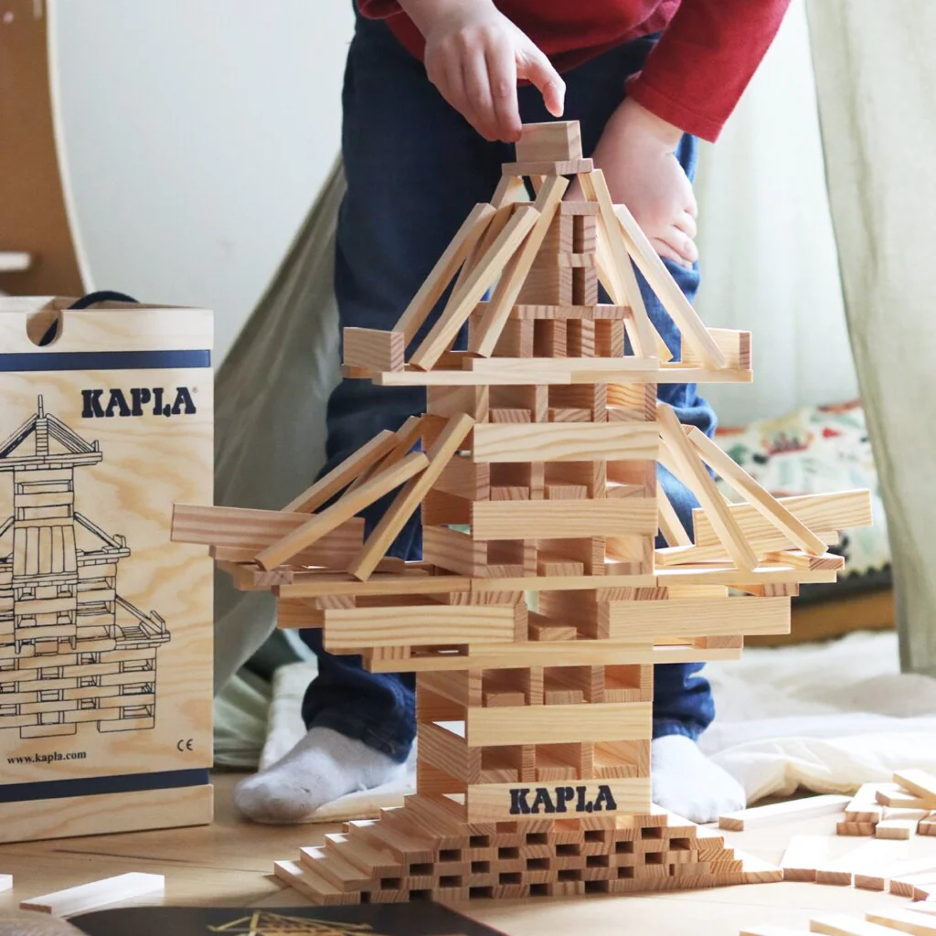
Kapla and Tsumiki are Japanese wooden building toys made of identical, unfinished wooden planks or blocks. Unlike Lego or Gunpla, they come with no instructions and no connectors. You stack, balance, and build whatever you want, then take it apart and start over.
● Price range: 6,000 to 16,000+ yen, depending on piece count
● Where to buy: Kiddy Land in Harajuku, Hakuhinkan Toy Park in Ginza, and most department store toy floors
● Packing note: Wooden boxes are bulky, so buy a smaller starter set if luggage space is tight
Source: Babipur
For collectors and stamp-seekers
This category is heavily underused in most Japanese souvenir guides but is genuinely the best fit for neurodivergent travelers who enjoy systematic collecting.
13. Goshuincho (temple stamp book)
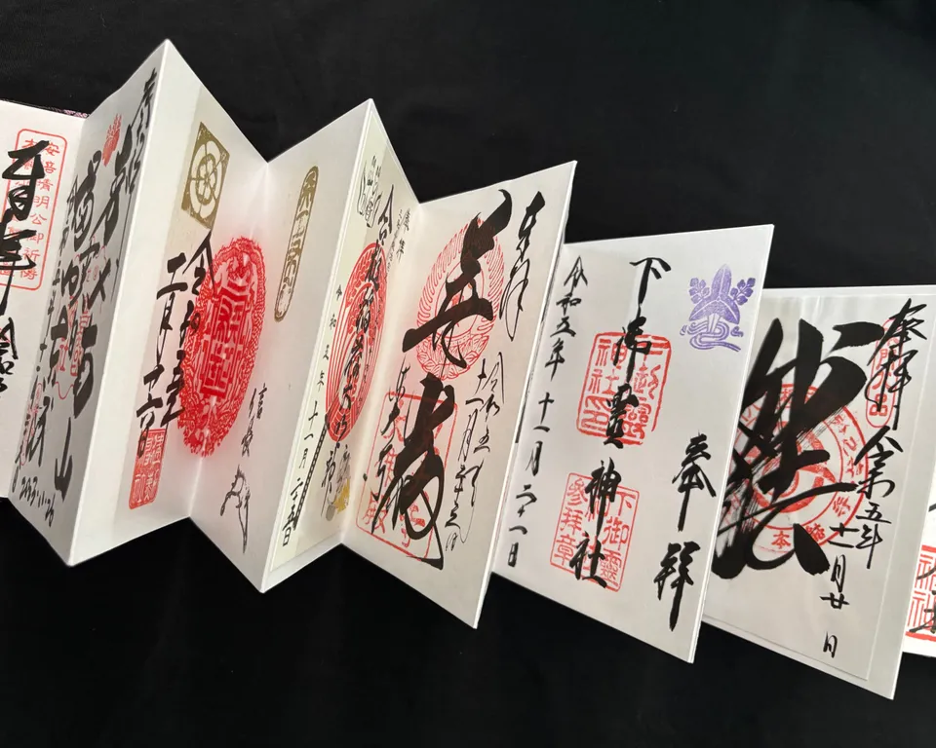
A goshuincho is a small accordion-folded book where Shinto shrines and Buddhist temples write or stamp goshuin (calligraphic seals) for visitors.
● Price range: 1,500 to 3,000 yen
● Where to buy: Most major shrines and temples sell their own goshuincho with site-specific cover designs
● Packing note: Small and easy to carry, but treat the book with care since the ink stays slightly wet for a few minutes after stamping
Source: Condé Nast Traveller
14. Eki stamps (train station stamps)
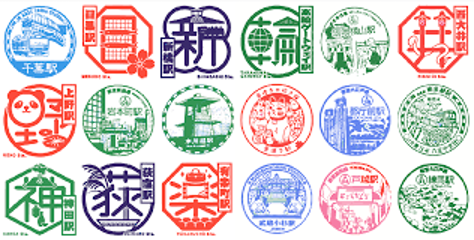
Most JR train stations in Japan have a free rubber eki stamp at a small desk near the ticket gates. The stamps feature local landmarks or specialties unique to each station.
● Price range: These are free, but the stamp book itself runs 500 to 1,000 yen at stationery stores
● Where to buy: Stamps are at the stations themselves. Books are sold at Tokyu Hands, Loft, and most stationery retailers
● Packing note: Bring your own ink pad as backup. Some stations have dried-out pads
Source: MikeLeeRose
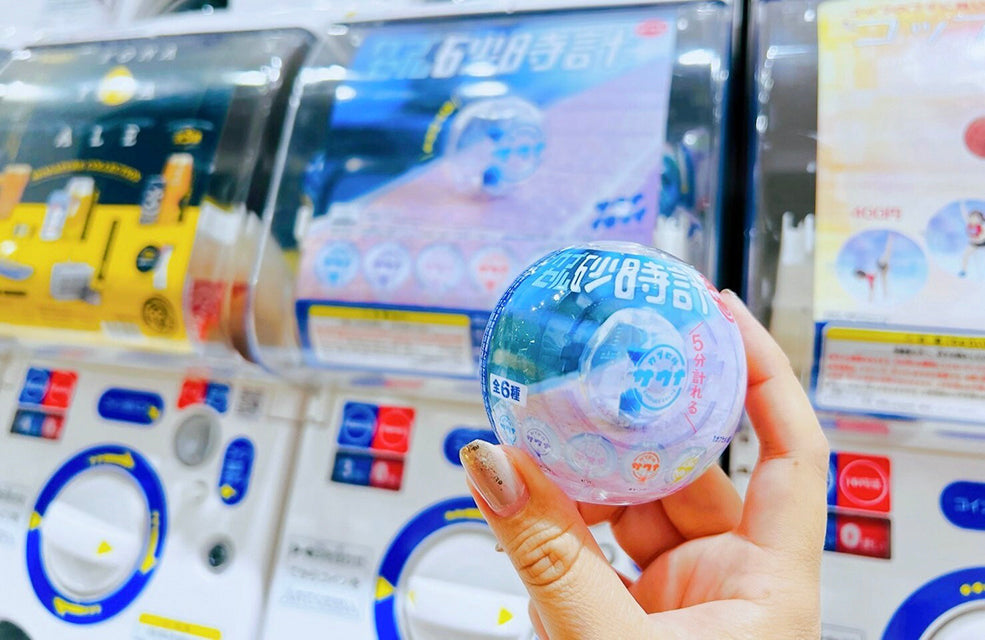
15. Gachapon capsule toys
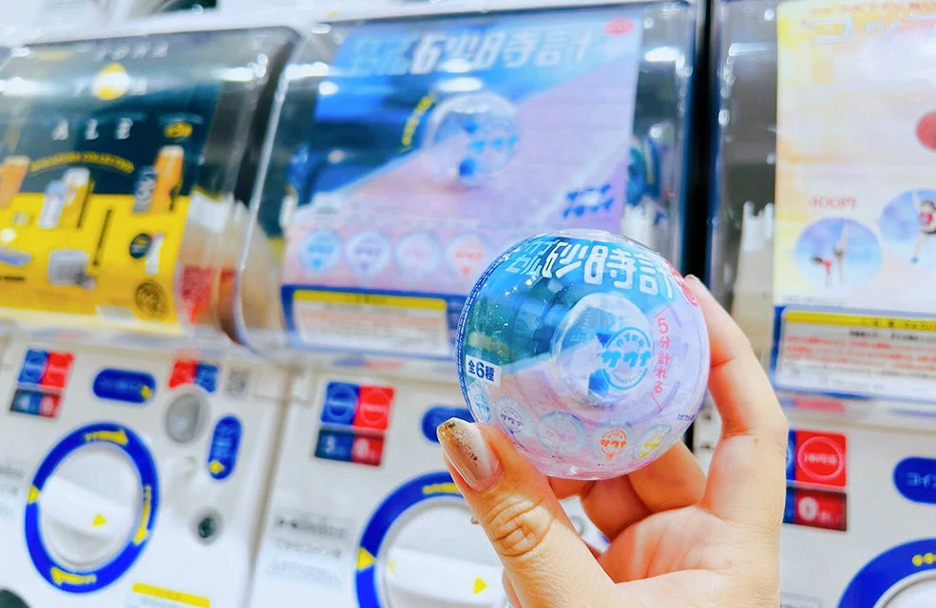
Gachapon are vending machines that dispense small capsule toys. Its series covers anime characters, food replicas, animals, and absurd novelty items.
● Price range: 200 to 600 yen per capsule
● Where to buy: Akihabara, Ikebukuro, and Tokyo Station have the largest concentrations of machines, with thousands in some arcades
● Packing note: Most capsule toys are tiny and pack into a single ziplock bag
Source: Blippo
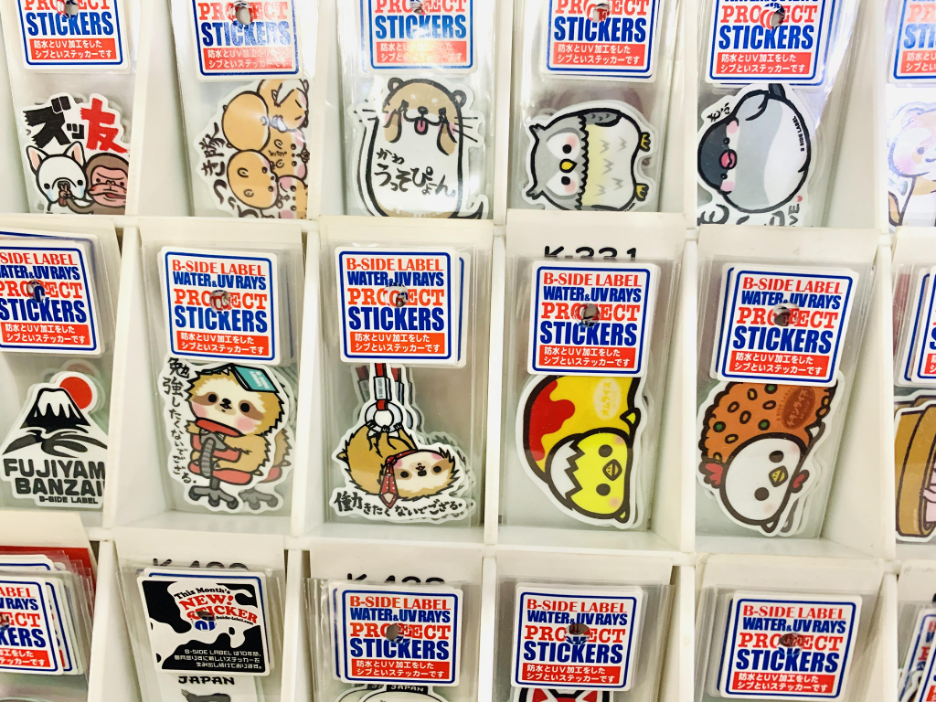
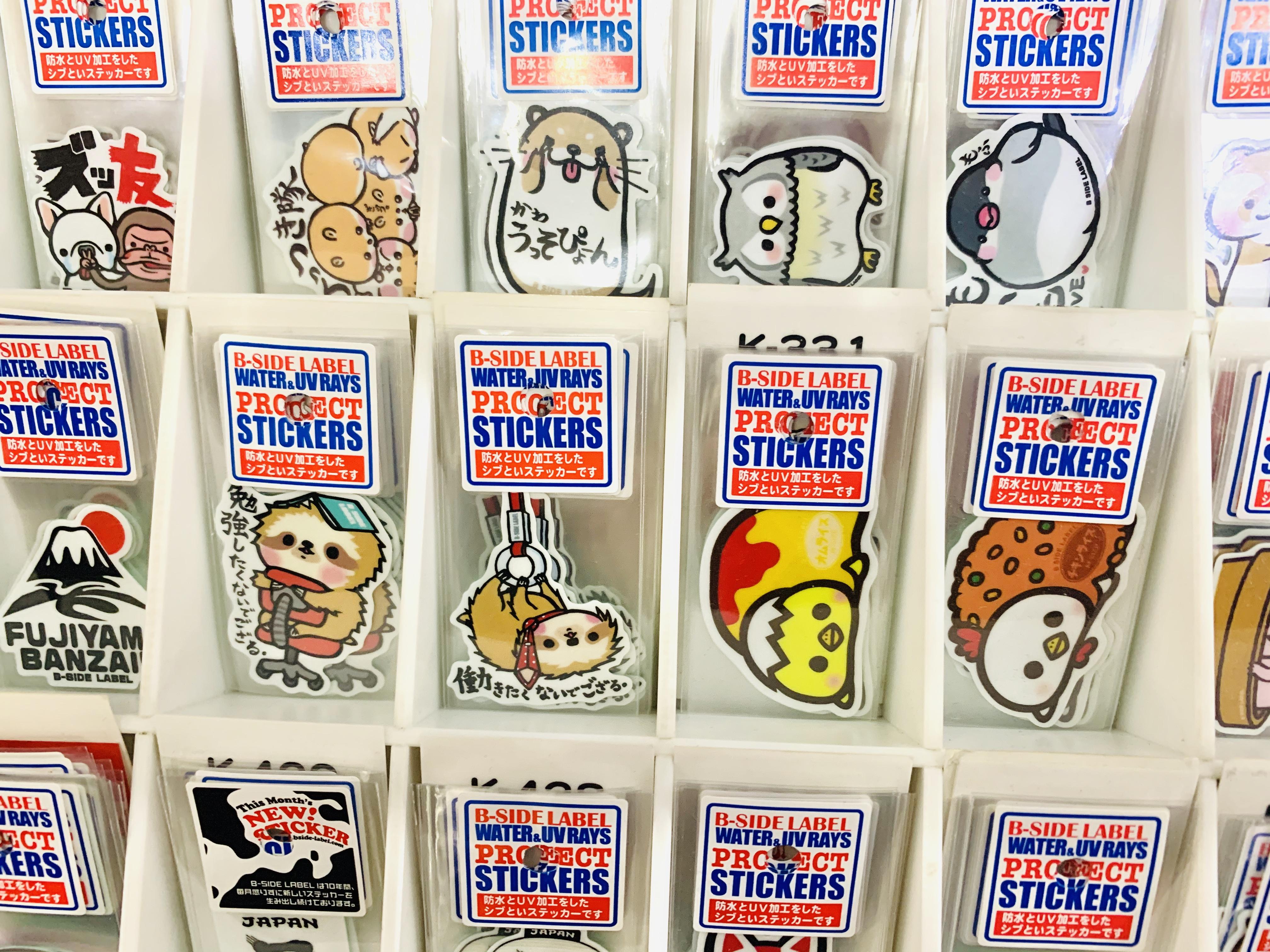
16. B-Side Label stickers
B-Side Label is a Japanese sticker brand with an enormous range of waterproof designs. You can use these stickers as decoration for laptops, water bottles, and notebooks long after the trip ends.
● Price range: 400 to 800 yen per sticker
● Where to buy: B-Side Label flagship stores in Harajuku and Osaka, plus the Mugiwara Store and Kiddy Land
● Packing note: Light and indestructible, so buy as many as you want
Source: WHEN IN TOKYO
Practical daily-use souvenirs
These two are the most-loved and popular Japanese souvenirs among repeat travelers. They're everyday tools, made better in Japan than almost anywhere else, and they quietly remind you of the trip every time you use them.
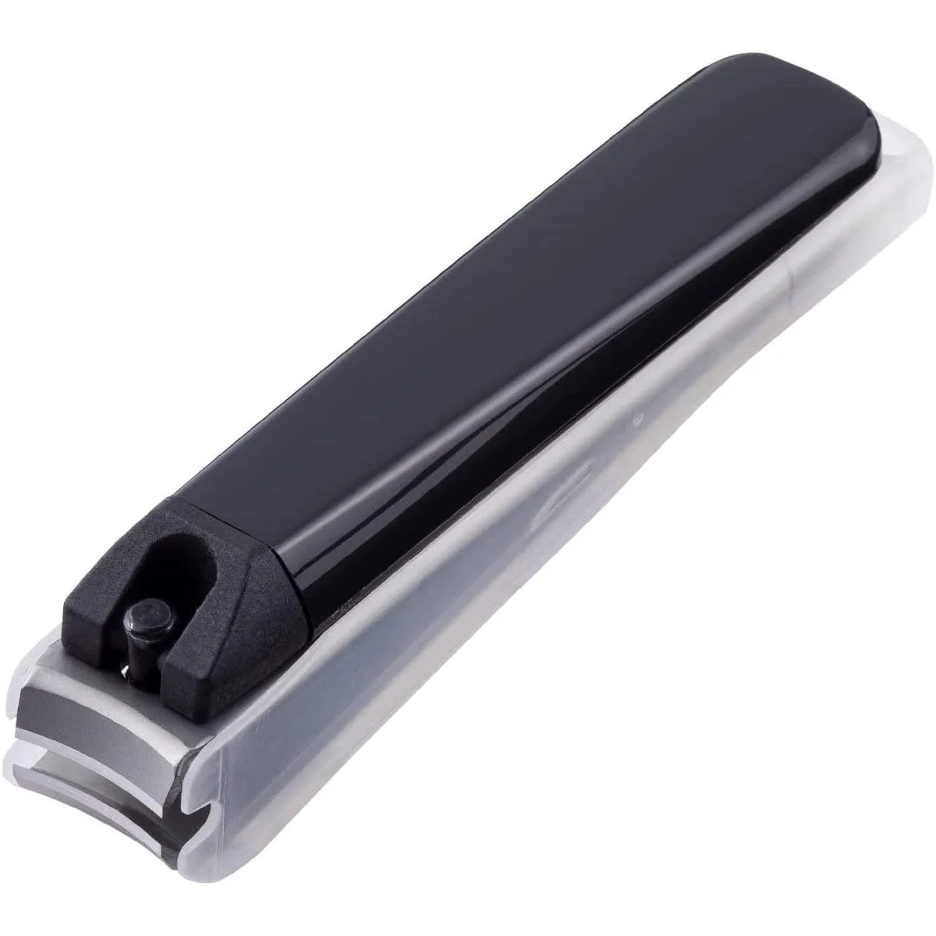
17. Japanese nail clippers
Japanese nail clippers from Kai, GreenBell, or Suwada are widely considered the best in the world. Some travelers even say they’re using clippers they bought eight years ago in Kyoto without losing sharpness.
● Price range: 500 to 2,000 yen for everyday brands. Premium Suwada models reach 10,000 yen
● Where to buy: Any 7-Eleven, Lawson, FamilyMart, Muji, or pharmacy. Premium models at department stores or Suwada's flagship in Niigata
● Packing note: Must go in checked luggage, not carry-on
Source: Japanese Taste
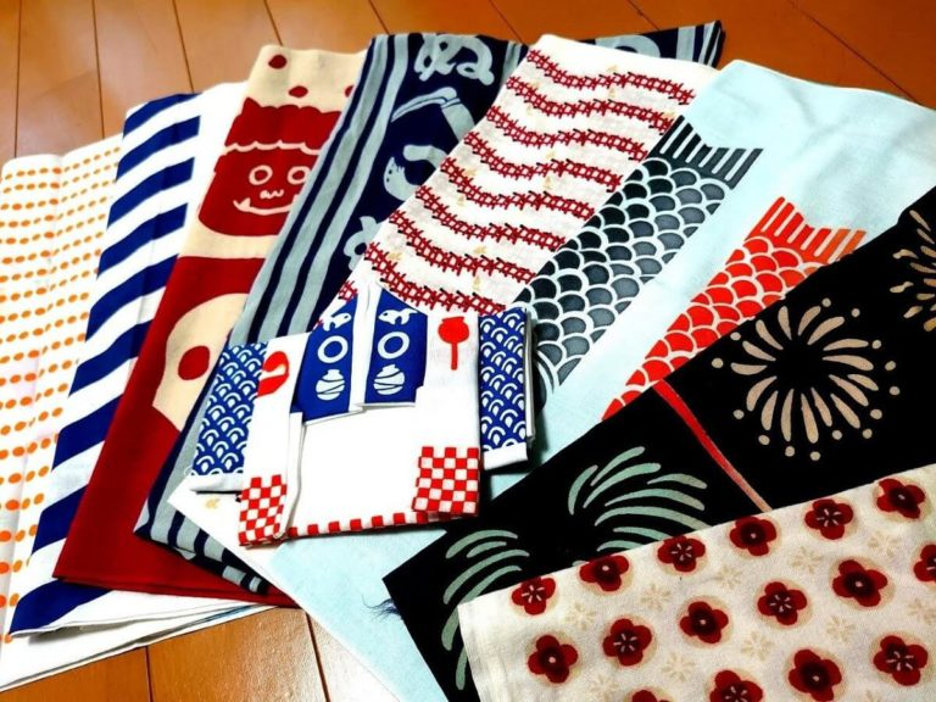
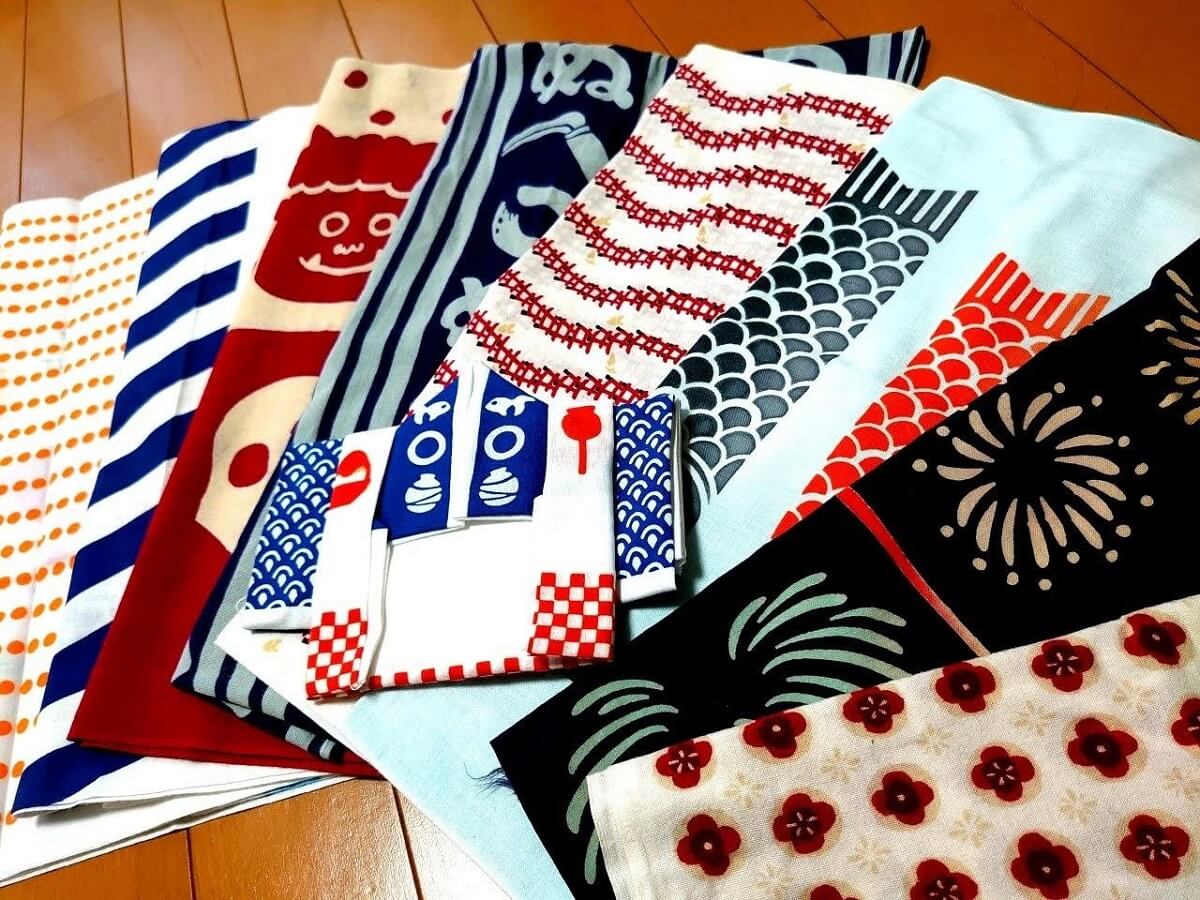
18. Tenugui (cotton hand towels)
Tenugui are thin cotton towels printed with traditional or modern Japanese designs. They work as hand towels, headbands, gift wrap, or wall art.
● Price range: Depends on the size and set
● Where to buy: Temple shops, depachika, and specialty retailers like Kamawanu (multiple locations in Tokyo and Kyoto)
● Packing note: Folds flat so buy several without worrying about luggage space




Source: How To Japan
Where to shop without the sensory overload
The biggest souvenir stores near major stations are the worst places to shop if you're sensitive to noise and light. We recommend quieter alternatives.
| Where | Why it works | Best for |
|---|---|---|
| Tokyu Hands or Loft | Well-lit, rarely crowded, no hard sell | Stationery, origami, and kendama |
| Kappabashi Street, Tokyo | Calm shopping street with single-purpose shops | Sampuru, knives, and kitchenware |
| Yanaka neighborhood, Tokyo | Small temple-area shops without music | Traditional toys and daruma |
| Don Quijote (off-hours only) | Massive selection if you go at the right time | Otamatone, gachapon, and snacks |
| Gundam Base Tokyo, Odaiba | Quiet on weekday mornings | Gunpla |
Plan a neurodivergent-friendly trip with TokudAw
Souvenir shopping is one piece of a bigger trip, and the trip works better when the rest of it is built around how you actually move through new places.
TokudAw builds private-car itineraries one at a time for neurodivergent travelers, with quiet pacing, custom stops, and a driver who knows the routes that avoid the worst crowds.
If you're planning a trip and want to talk through what would work for you, contact our team.
FAQs
What Japanese souvenirs are best for smell-sensitive neurodivergent travelers?
The safest options are low-scent or scent-free souvenirs like goshuincho stamp books, origami paper, kendama, tenugui towels, B-Side Label stickers, and Gunpla kits.
What Japanese food souvenirs are good for sensory-sensitive or picky eaters?
Many neurodivergent travelers prefer Japanese snacks with predictable texture and mild flavor. Some good options include plain senbei rice crackers, konpeito sugar candy, matcha Kit Kats, ramune candy, and individually wrapped mochi.
What are some awesome Japanese souvenirs for autistic adults?
Gunpla kits, goshuincho stamp books, gachapon collections, kendama, and origami sets are especially popular because they combine structure, repetition, collecting, and focused building activities.
Are there any weighted or grounding-style souvenirs in Japan for neurodivergent travelers?
Japan does not commonly sell weighted sensory souvenirs specifically for neurodivergent travelers, but some items can still feel grounding in the hands, such as small ceramic charms, wooden prayer beads, metal temple omamori, and solid wooden kendama.
Are Japanese stationery souvenirs good for ADHD organization and routines?
Yes, Japan is one of the best places in the world for functional stationery. Travelers with ADHD often enjoy Japanese planners, sticky notes, pencil cases, and habit-tracking notebooks because the layouts are clean.