The Ultimate Japan Travel Guide for Japanese Media Lovers
For millions around the world, Japan represents not only their dream destination, but a piece of themselves as they’ve grown strong emotional connections to Japan through Japanese media and culture. Japan is the land of characters, stories, and imaginative worlds of animation, games, and film. These pieces of media have shaped and changed the world for the better, inspiring creativity, shaping childhoods, and connected people across cultural borders. From the children watching Pokémon and exchanging cards to the teenagers dancing to Japanese dream pop songs to the adults watching Tarentino’s Kill Bill in theaters, Japan’s pop culture has been woven into the fabric of global life.
In Japan, these stories come to life. They fill the streets, sit beside you on the trains, and walk through the cities. At any given location in Japan, you can walk through the real-world locations that inspired your favorite anime, film, or game. You can visit a Studio Ghibli café that brings the edible masterpieces of Studio Ghibli’s artistry to life. You can even step into the world-famous Super Nintendo World in Osaka and feel like you’ve entered into a real-life console. This goes beyond sightseeing, it is a pilgrimage.
At TokudAw, we believe that every pilgrimage deserves to be comfortable, flexible, and deeply personal. For a family introducing their children to the magic of Japanese media, we can help you design a journey that brings your favorite stories to life.
At a Glance: Must-See Destinations for Japanese Media
Before we dive into the details, here is a quick overview of some of the iconic destinations we will explore in this guide:
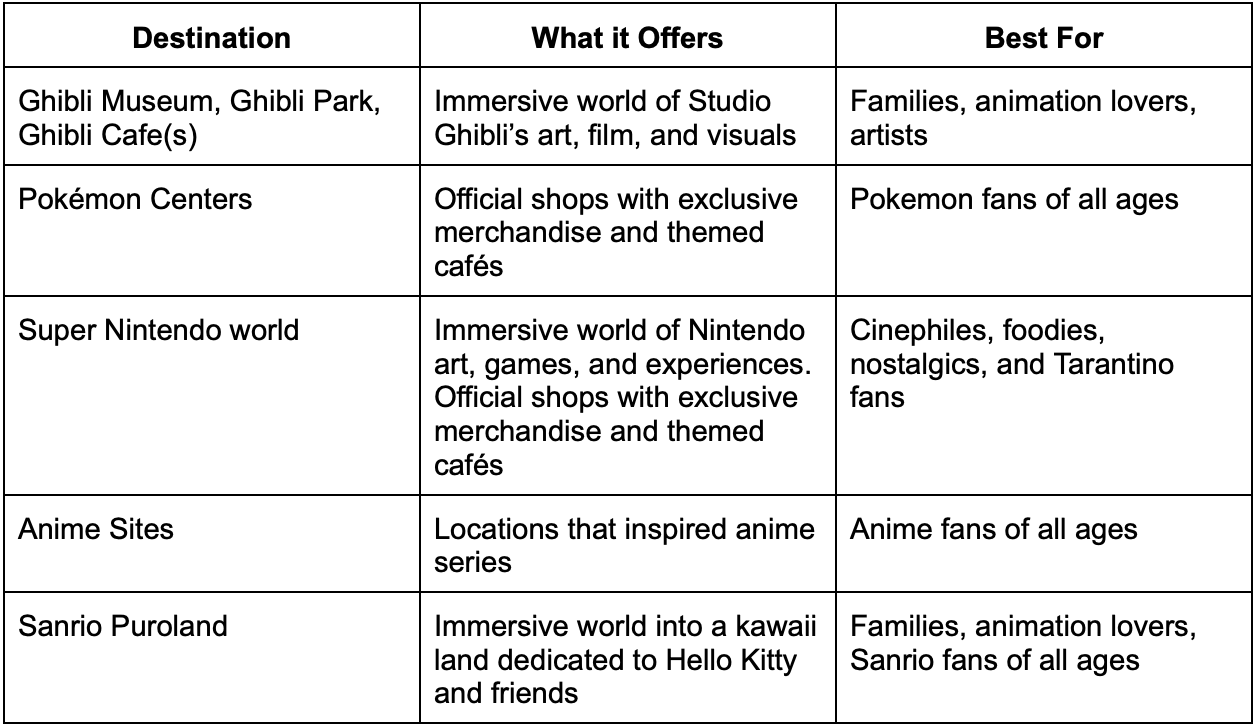
We will explore each of these destinations in depth and more, showing you how experiencing Japan through the lens of the media you love can change your travel experience for the better!
Why Popular Japanese Media Matters
You may find yourself asking, “Why does Japanese media hold such power?” and “Why do millions of fans travel thousands of miles to stand where their favorite characters do?”
We’re glad you asked!
Japanese pop culture has become a cornerstone of the country’s global influence through a phenomenon that enhances the nation’s image through cultural exports. Anime and manga are now consumed worldwide, not only contributing to increasing interest in Japan, but also have become important components in building a positive image of the country across different demographics.
In a world where international relations can be strained by historical and political differences, Japanese media has done something remarkable in breaking through these barriers.
Japanese media has taught people nationwide about the cultural norms, family dynamics, spiritual connections, and language of Japan. It has given many children their first introduction to foreign films when watching the soft Japanese animation. It has given many inspirations for Western media’s best work. And more than anything, Japanese media has given people a passion for Japan and a desire to visit the locations themselves, creating connections between cultures that last generations.
The Philosophy Behind the Media: Spirituality, Ethics, and the Human Condition
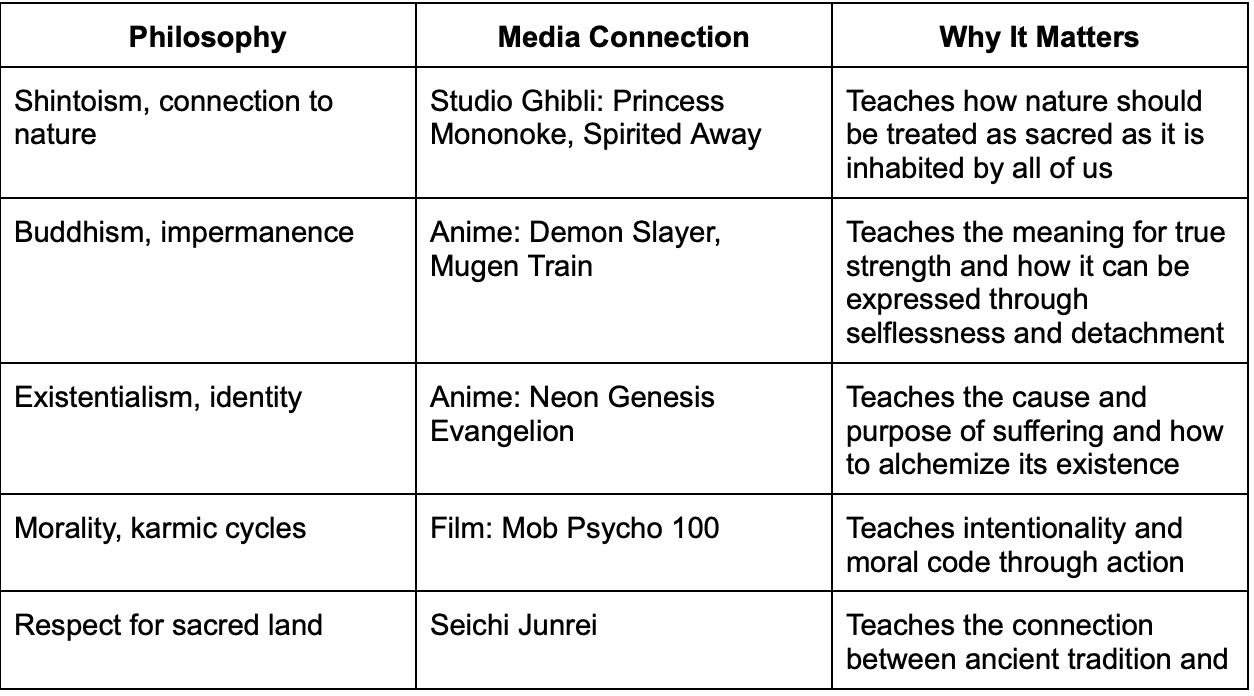
One of the most compelling aspects of Japanese animation is its ability to merge thrilling action with deep spiritual and philosophical ideas. The stories expand beyond simple entertainment, they draw on centuries of Japanese religious and philosophical tradition to express these thoughts in meaningful ways.
Shintoism and Cultural Connection:
Anime often reflects Shinto principles by portraying nature as sacred and inhabited by spiritual beings, shared by all. Hayao Miyazaki’s Princess Mononoke, for example, portrays the conflict between industrialization and the spirits of the natural world, emphasizing harmony between humans and the environment and the consequences of disrupting this balance.This film embodies the animist belief that natural entities have their own spirit and must be respected. Upon watching this film, travelers can take lessons from it and treat Japanese natural landscapes and cultural sites with this kind of respect and consideration.
Buddhism and Impermanence:
Themes of impermanence permeate anime as well. In Demon Slayer: Mugen Train for example, the hero Rengoku embodies unwavering selflessness and honor accepting impermanence. Impermanence is a fundamental Buddhist principle that sees beauty in life’s transience. His sacrifice teaches that true strength lies in selflessness and moral integrity. Upon consuming this media, travelers can take lessons from it, learn about, and engage in Japanese Buddhist practices and principles during their stay.
Existentialism and Identity:
Landmark anime television series like Neon Genesis Evangelion engage with deep philosophical ideas, particularly existentialist questions of identity and purpose. It draws from Buddhist thought, portraying suffering as arising from attachment and the inability to form meaningful relationships.
Karma and Morality:
When students in university courses on anime and religious identity discuss these themes, they discover that anime characters often face challenges that connect to long-standing Buddhist and Shinto teachings. In Buddhism, karma is not just about punishment or reward in a future life, it shapes how we relate to others and how we grow or get stuck as people.
Pilgrimage: Honoring the Sacred
This philosophical depth explains why fans treat visits to these locations with the reverence of a pilgrimage. This practice is known as “seichi junrei” or “pilgrimage to sacred places”. This term originally described Buddhist pilgrimages to temples and shrines, but fans adapted it to describe their journeys to real-world locations featured in their favorite anime. The act of touring these sites like a pilgrim came to be called “junrei”, with intended contrast to the historic religious practice. This form of pop culture tourism to Japan has become a major driver of inbound tourism to Japan, significantly influencing destination choices for travelers.
Why This Matters for You and Your Family
When you bring your family to these sites, you are:
Engaging with a global cultural phenomenon that has shaped how the world views Japan.
Exploring questions of meaning and beliefs that anime brings to life.
Participating in traditions that blend ancient Japanese pilgrimage practices with modern pop culture society.
Creating memories that connect your family to a rich cultural heritage that spans generations.
These lessons connect directly to the Arts component of STEAM (Science, Technology, Engineering, Arts, and Mathematics). Understanding the artistic and philosophical depth behind Japanese animation enriches your appreciation of the creative process and connects to TokudAw’s STEAM focused itineraries for families.
Studio Ghibli
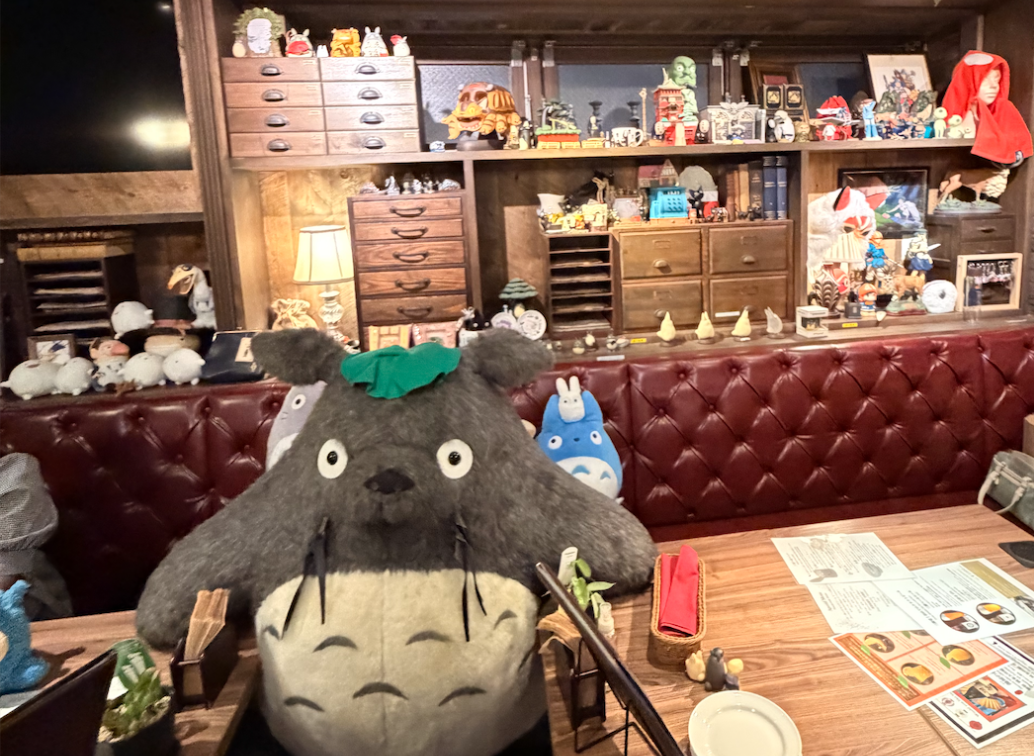
Studio Ghibli is the heart of Japanese media, therefore, sites where characters, settings, and feelings come alive can be found all throughout the country.
Ghibli Museum, Mitaka
Located in the western Tokyo suburb of Mitaka, the Ghibli Museum is a dream brought to life. It is designed by Studio Ghibli director Hayao Miyazaki himself, the museum is heavily influenced by European architectural styles, with Miyazaki using film storyboards to sketch out a plan inspired by locations such as the hilltop village of Calcata in Italy. The museum does not allow pictures to require fans to immerse themselves fully in the magic of the exhibits rather than experiencing it through the screen they always have before.
Studio Ghibli Cafe, Kichijoji
Located in the Kichijoji area of Tokyo, a Studio Ghibli themed café brings the beautifully animated edible content of the films to life. The full experience features 6 to 7 courses, the menu heavily highlights five iconic Studio Ghibli film dishes. This is accompanied by the beautiful surrounding themed decorations throughout the café in which the staff brings to your table with every themed dish. For all the foodies and animation lovers, this is a must visit!
Other Ghibli Destinations
Whether you want to visit the iconic Ghibli Park in Aichi, Shiro-Hige’s Cream Puff Factory in Setagaya, or the Edo-Tokyo Open-Air Architectural Museum in Kogenai, the beauty of Studio Ghibli can be found.
Pokemon
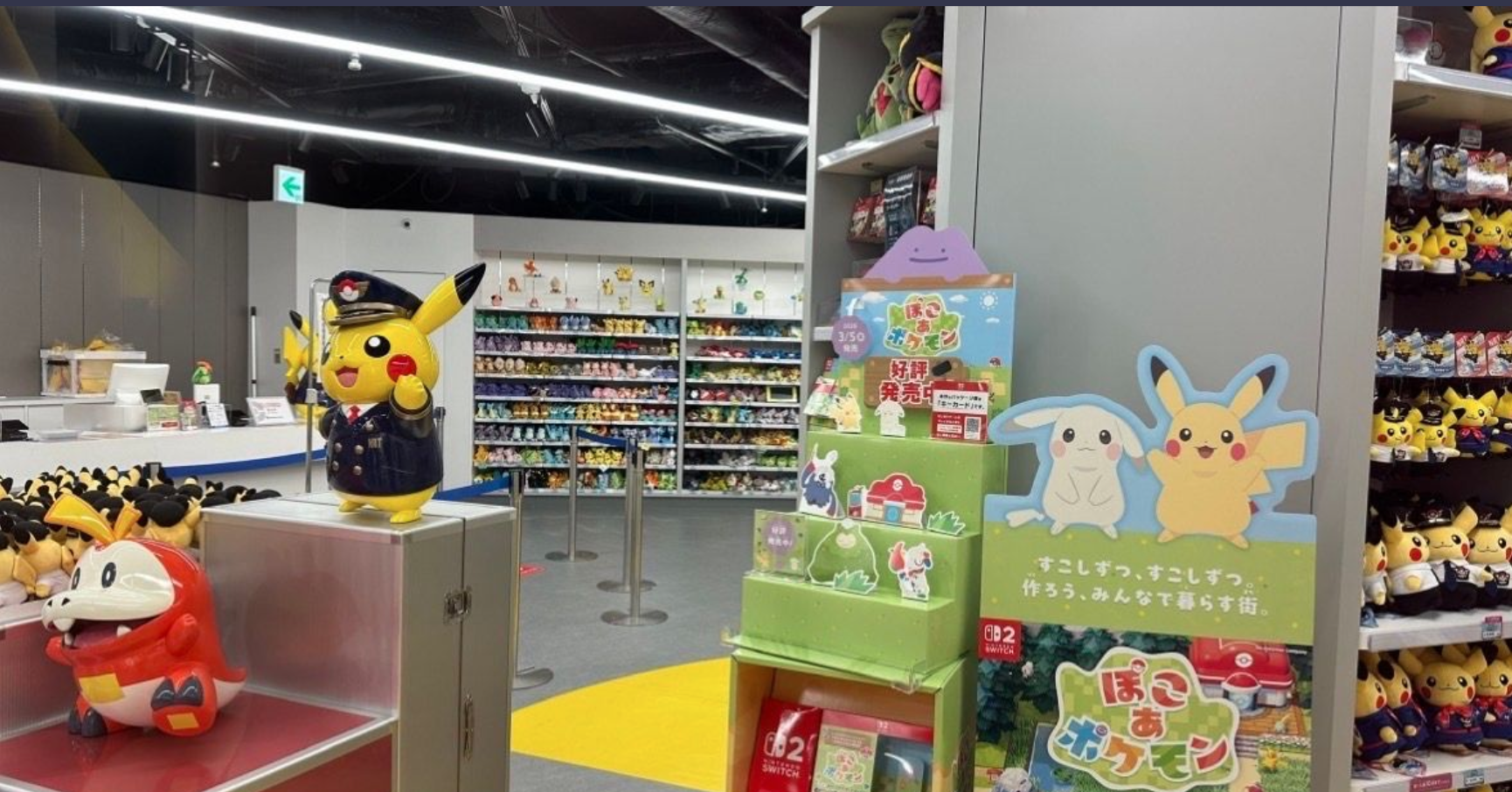
If you or someone in your family is a Pokémon fan, you definitely want to incorporate a visit to a Pokémon Center into your itinerary. These official shops are brimming with Pokémon games, trading cards, and exclusive merchandise that cannot be found anywhere else. Each location offers its own distinct charm and unique experience for all visitors.
Pokémon Center Tokyo DX Pokémon Café
Located on the fifth floor of Nihonbashi Takashimaya S.C. East Building, Tokyo DX is a must-visit Pokémon Center. On the same floor, you’ll find the accompanying Pokémon Café which is the only Pokémon themed café in the Kanto region. Here, you can enjoy adorable, Pokémon-inspired dishes such as Pikachu pancakes.
Pokémon Center Mega Tokyo & Pikachu Sweets
This is the largest Pokémon Center in Japan, located in Ikebukuro’s Sunshine City. Here, you see and participate in unique attractions like the Pokémon Card Station and the world’s first “Pokémon GO Lab”, where you can purchase official Pokémon GO merchandise and life-sized character statues. Inside, you’ll also find Pikachu Sweets which is a takeout restaurant featuring collectible drinks and seasonal menu items.
Pokémon Center Shibuya
Located in Shibuya Parco, this location combines fashion, art, and Pokémon. Visitors are greeted by a stunning animatronic Mewtwo and graffiti-style artwork. You can even create your own custom shirt at the Pokémon Design Lab.
Pokémon Center Skytree Town
Located inside Tokyo Skytree Town’s Solamachi shopping mall, this shop features statues of legendary Pokémon like Rayquaza, Lunala, and Solgaleo. It offers exclusive items like Edo Kiriko glassware and tenugui towels– unique souvenirs with a local twist.
Give your inner child a hug by visiting one of these locations and having some fun surrounded by your favorite characters!
Nintendo
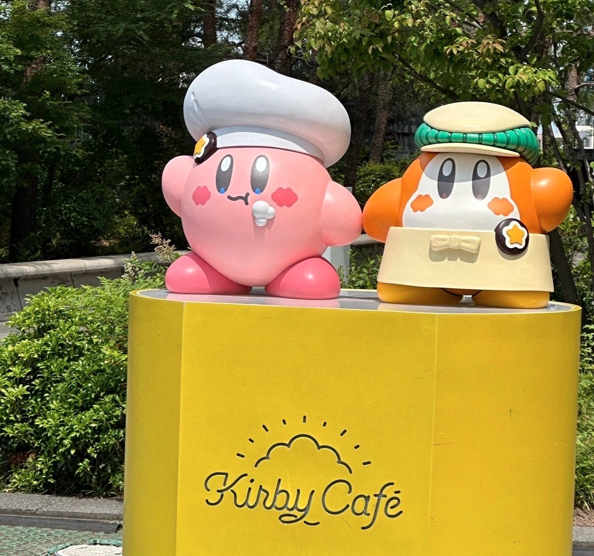
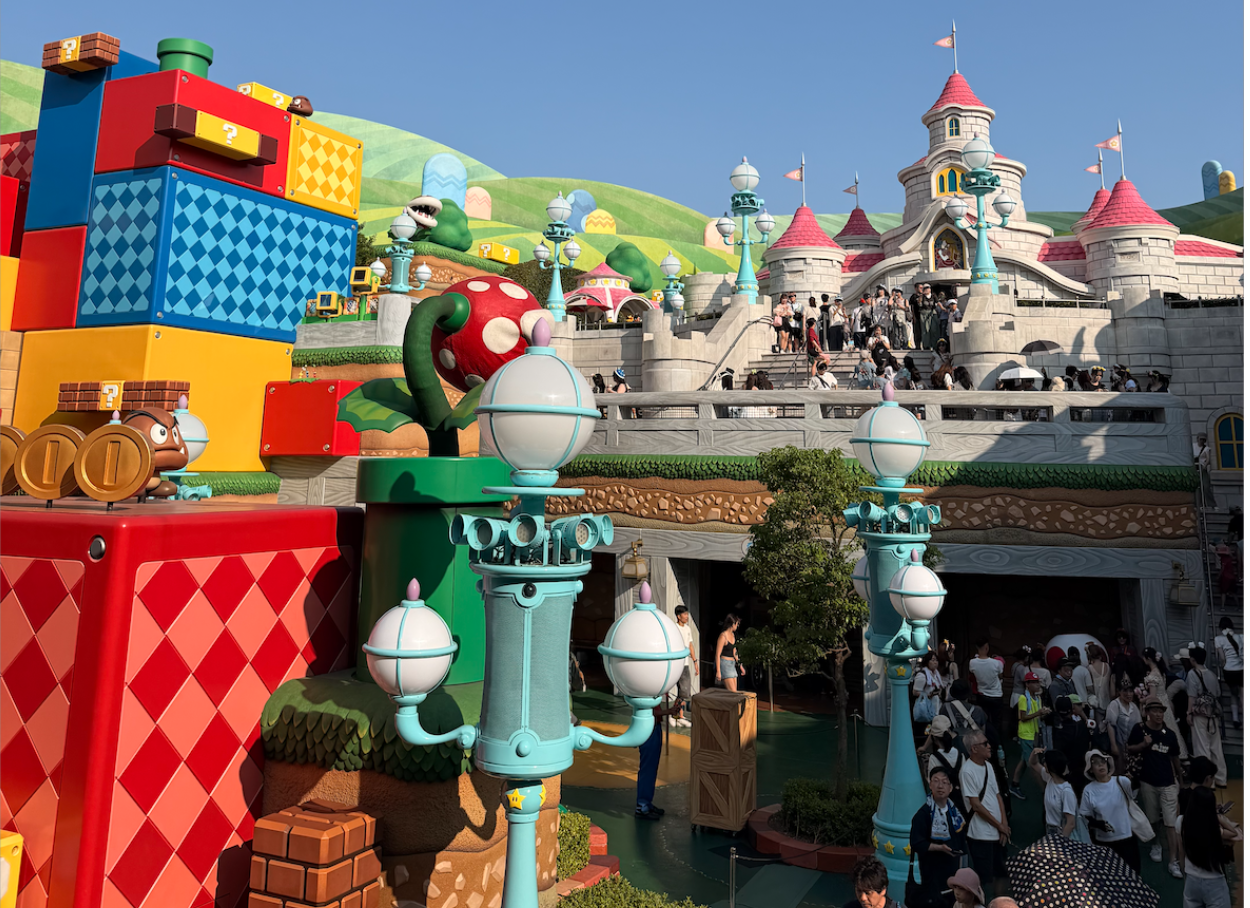
There are several locations in Japan to experience Nintendo media, however Super Nintendo World at Universal Studios Japan in Osaka is a world renowned pop culture site that is most sought after by travelers. Here, you can fully immerse yourself in the worlds of Mario and Donkey Kong. When wearing a “power-up band”, you can enjoy activities that make you feel like the protagonist of a video game, as you are able to interact with the surrounding decorations and settings of the park. Unlike the typical amusement park, the included state-of-the-art rides use AR technology and grandeur story telling to make the attractions all the more interactive and enjoyable. You can even visit Kinopio’s Cafe, a reservation café that serves Mario-themed dishes prepared by Chef Toad.
If amusement parks prove to be too overstimulating or fast-paced for your family, you could also consider the Nintendo Museum located in Uji. This museum has interactive workshops that are perfectly family friendly as well as an official café and merchandise shop featuring exclusive goods.
For Nintendo lovers, Japan is your own personal game console, whether you want to learn more about the franchise or interact with giant, uniquely scaled games and rides, you will find exactly what you’re looking for in Japan!
Animé
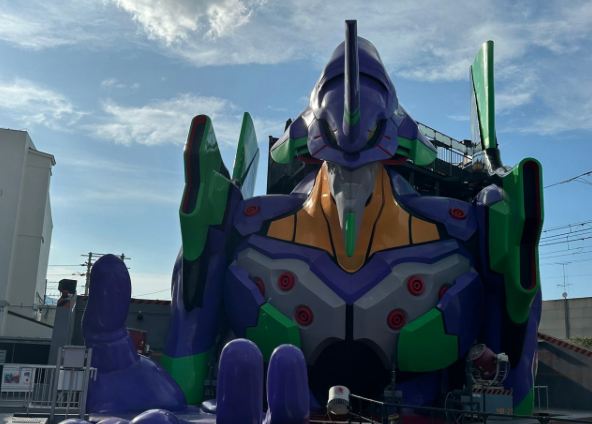
In the land of anime, there are countless real-world locations that have become the focus for travel for anime fans. For fans seeking a curated pilgrimage, the Anime Tourism 88-spots is a guide to key locations across Japan, inspired by the Shikoku 88-temple pilgrimage. Sites are certified based on votes from fans worldwide and are recognized as settings or models for anime works.
There is a site for every fandom:
Toei Animation Museum
Toei Animation Museum in Tokyo’s Nerima Ward offers a free, immersive experience into the world of one of Japan’s oldest animation studios. The museum displays original artwork, animation production details, and rotating special exhibitions. It also features a museum shop with exclusive merchandise.
Spirited Away: Sekizenkan in Gunma Prefecture
Sekizenkan is a 300 year old inn in Gunma Prefecture that inspired the iconic bathhouse in Hayao Miyazaki’s world-famous masterpiece, Spirited Away. Viewing this traditional building standing before the red bridge places you right into the magical world depicted in the films.
Neon Genesis Evangelion: Hakone Yumoto
Hakone Yumoto, which rests at the foot of the Hakone Mountains, is a key setting for the largely popular anime Neon Genesis Evangelion. Not only is it objectively beautiful, but you can even visit the official Evangelion store there which sells exclusive merchandise. Ube, Yamaguchi, which is the hometown of director Hideaki Anno, is also featured on the Anime Tourism 88-Spots list for the fifth consecutive year. The city hall displays an official “goshuin” stamp for pilgrims.
Love Live! Sunshine!! Numazu
If you love this anime, you would love the port city of Numazu in Shizuoka Prefecture as it is the direct inspiration for the beautiful setting. Visiting this city allows visitors and fans to feel as though they are walking through the story themselves.
Your Name: Yotsuya Staircase in Tokyo
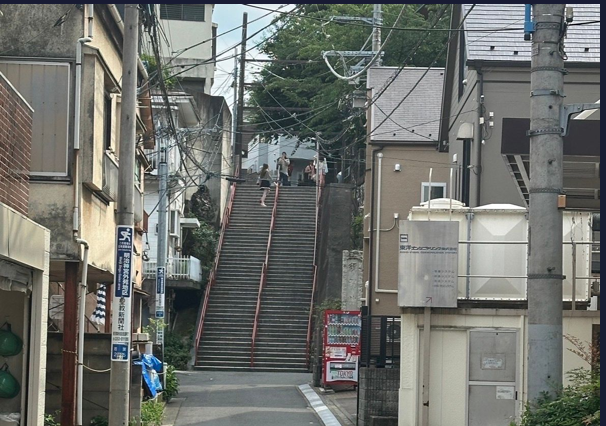
Perhaps the most famous location on this list, the iconic staircase in Tokyo’s Yotsuya district, featured in Makoto Shinkai’s Your Name is a social media favorite pilgrimage site. It’s a no-brainer can’t-miss!
Detective Conan Town
Hokuei Town in Tottori Prefecture is the hometown of Gosho Aoyama, the creator of Detective Conan. The entire town is filled with Conan-themed attractions:
Conan Station: The train station is officially named Conan Station, with character statues and themed decorations
Gosho Aoyama Furusato Museum: Features original artwork, interactive detective puzzles, and exclusive merchandise
Conan Street: Statues of characters throughout the town
The airport in Tottori is also Conan-themed, making it one of the best destinations for Conan fans!
Sailor Moon Locations
Sailor Moon fans have their pick of iconic locations in Tokyo:
Ichinohashi Park in Minato City: A key real-life setting in the series
Azabujuban: Several landmarks and character manhole covers
Ultraman Locations
Ultraman fans can explore:
Ultraman Museum in Fukushima Prefecture
Setagaya locations in Tokyo, where the character has a connection
Ultraman Cafe for themed food and merchandise
Dorawmon: Fujiko F. Fujio Museum
Located in Kawasaki City, the Fujiko F. Fujio Museum is dedicated to the creator of Doraemon, one of Japan's most beloved characters. The museum features valuable original drawings, a recreation of the artist's study, a video theater showing original short films, a character café, and a garden with life-size figures. The museum is designed to show how Doraemon "grows up with kids," making it a nostalgic journey for adults and a magical discovery for children.
Keep in mind: Advance reservations are required—tickets are not available for purchase at the museum.
Toei Studios Park
Toei Studios Park in Kyoto offers exhibits and photo opportunities for Evangelion and Kamen Rider fans. The park occasionally hosts special events and displays themed around these iconic franchises.
Bandai Museum
The Bandai Museum in Tochigi Prefecture, creators of Gundam, Ultraman, Power Rangers, and Sailor Moon, offers fans a chance to explore the history of these iconic franchises.
Godzilla
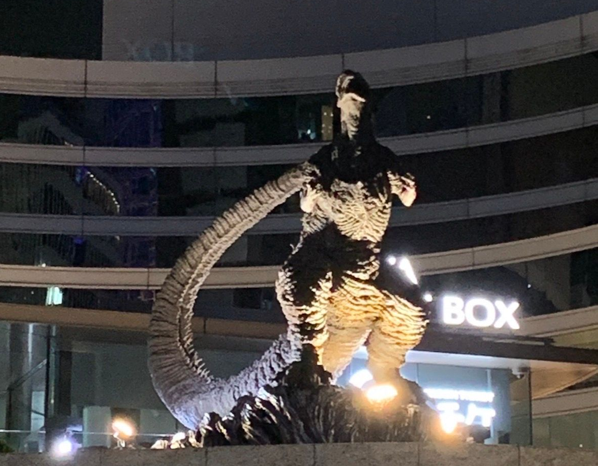
As a pinnacle of Japanese iconic media, Godzilla makes several appearances across Tokyo:
Godzilla Head in Shinjuku: A giant 12-meter Godzilla head atop the Hotel Gracery in Kabukicho. The head glows, smokes, and roars hourly from noon to 8 PM. You can even book a Godzilla-themed room for an up-close view.
Godzilla Store: Official merchandise shop
Mini Godzilla in Yurakucho: A smaller Godzilla statue in the Yurakucho area
Shinjuku Government Building: Hosts a free projection mapping show at night (check the schedule—it often features Godzilla)
Sanrio
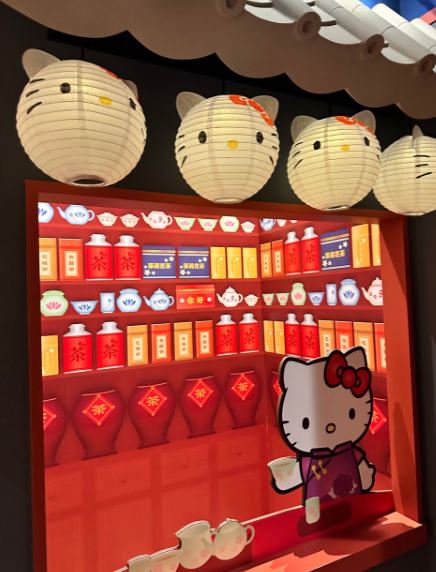
You can find Sanrio merch and cafes almost anywhere in Japan, but if you are looking for a more curated experience, look no further than Sanrio Puroland!
Sanrio Puroland, Tama City
For families with young children, Sanrio Puroland in Tama City, Tokyo is a fantasyland dedicated to Hello Kitty and the world of Sanrio characters. The park is entirely indoors which makes it the perfect rainy-day activity, as well as only featuring rides that are gentle and safe for toddlers. There are also themed restaurants and shops devoted to specific Sanrio characters with goods exclusive to Sanrio Puroland as well as spontaneous live shows and character parades.
This is the perfect pilgrimage location for families!
Sanrio Cafe in Harajuku
Located in the heart of Harajuku, this Sanrio-themed cafe is a must-visit for Hello Kitty fans. The cafe serves adorable character-themed food and drinks, making it a perfect stop during your Harajuku shopping trip.
Hello Kitty Museum at New Chitose Airport
New Chitose Airport's Hello Kitty Museum is a fun, interactive experience perfect for families. It offers lots of photo opportunities and interactive displays, less of a history museum and more a joyful, playful space. It's a great way to spend an hour before your flight.
Snoopy: Peanuts Pilgrimage
Snoopy Museum Tokyo
The Snoopy Museum Tokyo in Roppongi is the world's only satellite of the Charles M. Schulz Museum in California. It features special exhibitions with original "Peanuts" comic strips, a gallery dedicated to creator Charles Schulz, and dynamic displays of Snoopy and the Peanuts Gang.
Snoopy Themed Cafes
There are also several Snoopy-themed cafes across Japan:
Peanuts Cafe near Yoyogi Park in Tokyo
Snoopy Chaya in Karuizawa (a unique Japanese-style Peanuts experience)
Snoopy Chocolate Cafe (multiple locations, each with exclusive merch)
Peanuts Hotel Kobe
Peanuts Hotel Kobe is a themed hotel dedicated to the Peanuts gang. Each room features unique Snoopy and Peanuts designs, making it a dream stay for fans.
Character Shopping Destinations
KIDDY LAND Harajuku
KIDDY LAND Harajuku is a five-story character goods paradise in the Omotesando area. Each floor is dedicated to different characters:
B1: Snoopy Town — dedicated entirely to Peanuts merchandise
1F: Trending items
2F: Disney Avenue
3F: Toys & figures (Tomica, Plarail)
4F: Rilakkuma, Hello Kitty, and more
It's one of the best one-stop shops for character merchandise in Tokyo.
Character Street Tokyo Station
Tokyo Station's Character Street is a one-stop destination for character merchandise fans. Located in the Yaesu Underground Central Gate area of First Avenue Tokyo Station, this shopping strip is filled with official shops for popular franchises like Pokémon, Hello Kitty, Studio Ghibli, and many more. It's the perfect place to find exclusive souvenirs and gifts for every fan in your family
Sunshine City, Ikebukuro
Sunshine City in Ikebukuro is a massive shopping and entertainment complex that's a haven for character fans. It's home to the Pokémon Center Mega Tokyo, the Sanrio Cafe, and Namjatown, an indoor theme park with character-themed attractions. It's a great all-weather destination for families.
Nakano Broadway
Nakano Broadway is a must-visit for collectors and pop culture fans. This multi-level shopping complex is famous for its diverse collection of anime and manga-related stores, rare collectibles, and second-hand goods.
The highlights include:
MANDARAKE stores—a chain specializing in second-hand manga, anime figures, and collectibles
Vintage toys and rare animation cels
Unique stores selling everything from old Japanese currency to pop culture memorabilia
It's the perfect place to find rare figurines, old gachas, and manga books you won't find anywhere else.
Character Manhole Covers
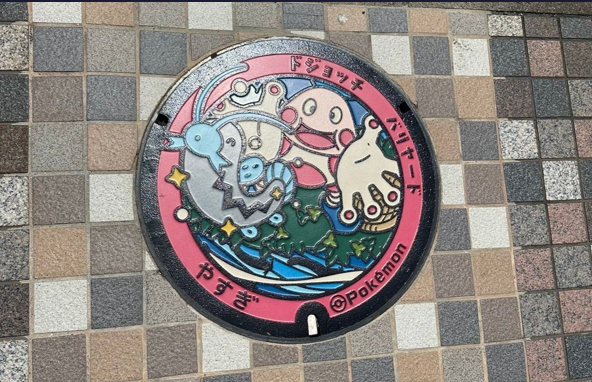
Japan has character-themed manhole covers scattered across the country. Collecting them is a fun treasure hunt for fans:
Sailor Moon manhole covers in Azabujuban
Pokémon manhole covers nationwide
Sanrio manhole covers in Shinagawa and Tama
Crayon Shin-chan manhole covers in Kasukabe, Saitama
Evangelion in Tokorozawa, Saitama
Ultraman in Setagaya, Tokyo
Detective Conan in Hokuei, Tottori
Lupin III in Hamanaka, Hokkaido
Character Themed Trains
Japan offers several character-themed trains that make the journey as memorable as the destination:
Pokémon with You Train: A bright yellow Pikachu-themed train in the Tohoku region, launched in 2012 to bring joy to children after the Tohoku earthquake. Features a Playroom Car for children.
One Piece Shinkansen: Three unique trains on the Sanyo Shinkansen (Osaka to Fukuoka) with exclusive artwork and anime opening theme as arrival chime.
Hello Kitty Shinkansen: Retired in spring 2026 after an 8-year run, but a beloved memory for fans.
Character Themed Hotels
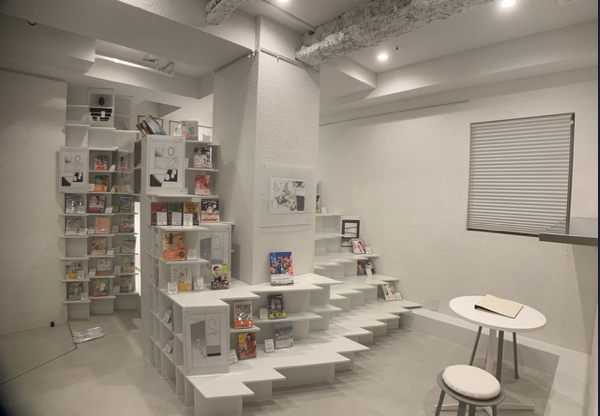
Hello Kitty Themed Rooms
For a truly kawaii experience, several hotels offer Hello Kitty themed rooms:
Keio Plaza Hotel in Hachioji (near Tokyo)
Tobu Asakusa Hotel in Asakusa
Grand Chariot Hotel on Awaji Island (featuring multiple character themes)
Gundam Themed Room
Nikko Hotel Odaiba offers a Gundam-themed room for fans of the iconic mecha franchise, complete with themed decor and exclusive memorabilia.
The TokudAw Difference
Navigating Japan’s media sites can be overwhelming. Tickets sell out months in advance, train stations can be overly packed, and some locations are tucked away in high buildings or in rural areas. When you’re traveling with family, the logistics can quickly become stressful.
TokudAw knows this and has a solution.
We offer:
Self-Paced Itineraries: Spend as much time as you want at your dream media sites, browse the shops, and take in the moment. Our itineraries allow you to linger where you’re captivated and to help you move where your desires take you.
Private Vehicles: Our vehicles feature low steps for seniors and children, wheelchair and stroller ramps, and generous space for the whole family to travel comfortably.
Local Expertise: Our drivers and guides are not just providing a service, they are ambassadors of Japanese culture who can share stories, explain cultural nuances, and help you find hidden gems.
Flexible Scheduling: Whether you need to be at the Pokémon Café for a reservation or want to catch the earliest entry time for Super Nintendo World we adapt to your schedule.
FAQ: Media Travel in Japan
What is “anime pilgrimage” and why is it popular?
“Anime pilgrimage" is the practice of visiting real world locations that appear in anime, manga, or video games. It has become a major driver of tourism in Japan with millions of fans traveling each year.
Can I visit multiple Pokemon Centers in Tokyo?
Yes! Tokyo is home to four Pokémon Centers in Tokyo DX, Mega Tokyo, Shibuya, and Skytree Town, each with its own unique charm and exclusive merchandise.
Is Sanrio Puroland suitable for young children?
Yes! All rides are gentle and safe for toddlers, and the park has mother and baby rooms and children’s restrooms. The entire park is indoors, making it comfortable in any weather.
How can TokudAw help with media travel in Japan?
TokudAw offers private, self-paced itineraries, private vehicles with accessibility features, and local expertise to help you navigate Japan’s media pilgrimage sites with ease.
What is the best way to get around Japan for media sightseeing?
We recommend a private chartered vehicle. It creates a safe, quiet space where your family can relax between locations, eliminating the stress of navigating public transit.
