“What Did Life Look Like When You Were My Age?” A Family Discussion Guide For Multigenerational Groups Exploring Japan
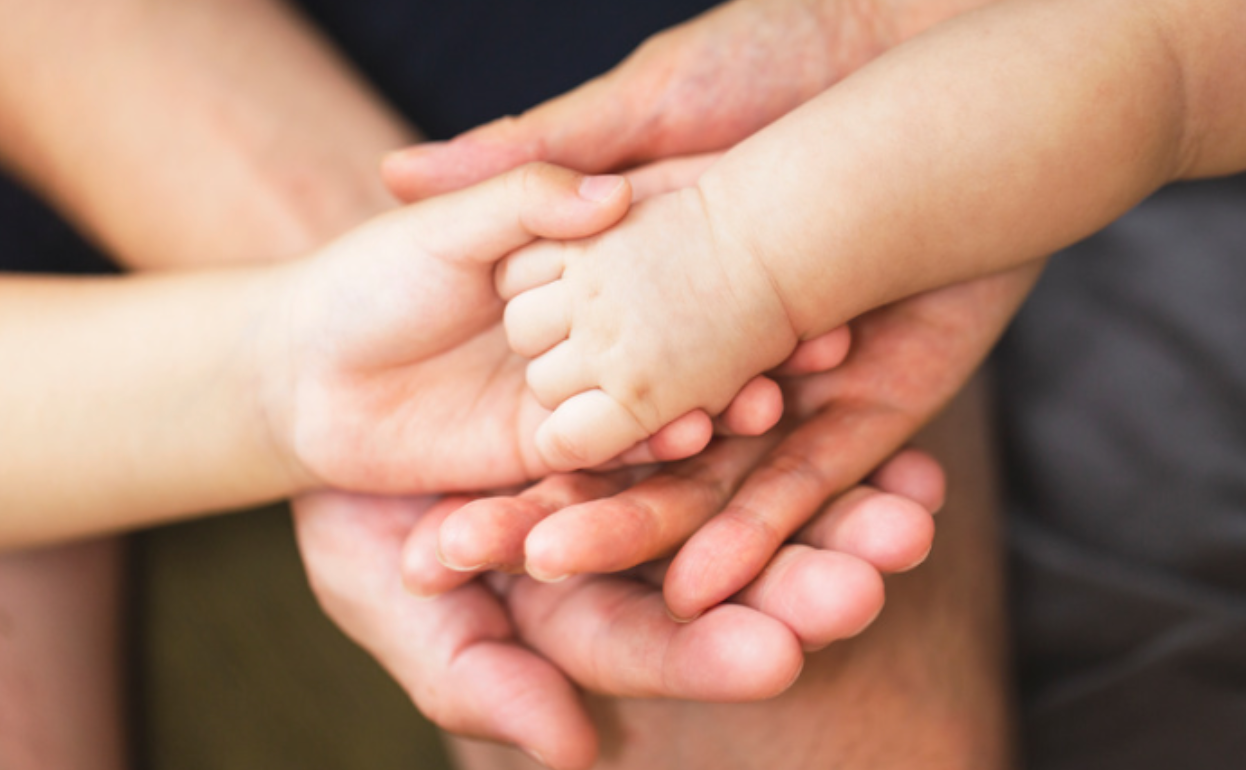
Image Source: Canva
There will come a day when a memory goes from a moment you keep on a shelf to a living, breathing thing to share and pay forward. This is the day you experience the gift of multigenerational travel, being able to see Japan through the eyes of your children or grandchildren, building upon the memories this beautiful place has previously birthed.
Japanese culture has a concept known as “tsunagu”, meaning “to connect”. Connecting people through invisible strings, connecting moments in time through memories, and connecting generations through love. Multigenerational travel is a tsunagu practice, sharing your personal history with a present moment surrounded by the people you love.
What you may discover is that creating a pleasant experience suitable for such a range of participants is easier said than done. While you or your parents may be nostalgic and reminiscent of the golden times you wish to share, you may be met by your teenager’s indifference or your toddler’s restlessness which can lead to frustration on all parties. A prominent Western philosopher Martin Heidegger proposed the idea that we only exist in relation to other things and people in the world. Think of this in your moments of frustration with your teenager’s indifference to your nostalgia, for example, they exist in a different relationship to time and memory. Alternatively, Zen Buddhist Thich Nhat Hanh theorized that the present moment is the only moment that exists, and in it, you can access all moments that have or will exist. Your family members may not be able to connect with this environment the way you do at first, but have the power to be present in the moment experiencing the here and now with you.
Family Discussion Topics At A Glance:
Before we explore each topic in depth, here are the key conversation themes listed in this guide to best keep in mind as you explore with your family.
Nature Sights- How did your family experience nature sights when you were young?
Eating Japanese Food- What recipes and flavors make you feel most at “home”?
Museums- What were your first first experiences with technology like?
Shrines and Spiritual Sites- How do you find peace with your surroundings and within yourself?
Shibuya- What do you notice about the people around you?
Shops (like Don Quixote)- What do you think would be the best souvenir to take home?
We at TokudAw would love to help you coordinate this layered task to ensure the most educational and spirited visit for everyone! The mistake you could end up making is piling everyone into public transit and rushing to visit sights that don’t necessarily carry the same memories that you do. To avoid this, try using this discussion guide to accompany these sights with a living conversation. Through these pairings of iconic Japanese must-see sights with deep discussion questions allowing for storytelling to cross the generational threshold and create meaningful connections between the family and their history.
Connecting with Nature: Hakone
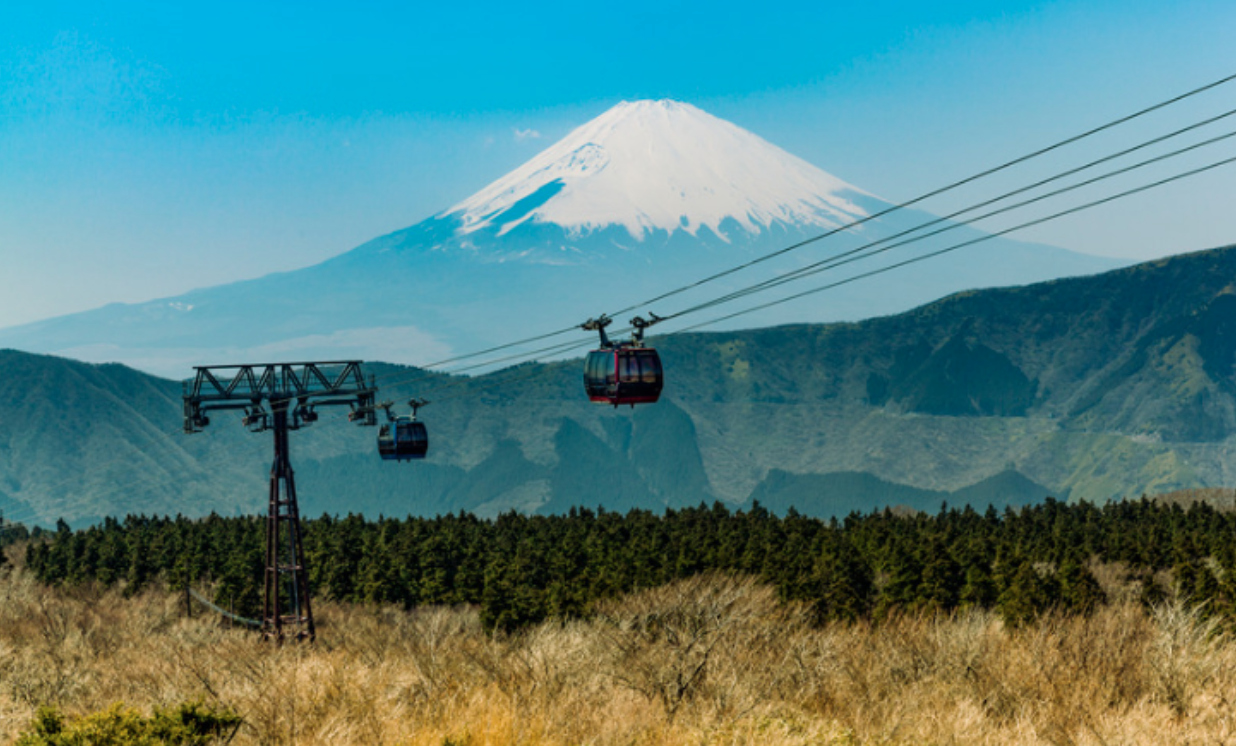
Image source: Canva
Natural environments are an unexpectedly ideal shared activity for families of all ages, providing a shared ground for both those native to Japan and a variety of other backgrounds. We personally recommend a trip to Hakone as a journey through Japan’s revered natural landscape with sights like the Owakudani steam vents and the visual masterpiece of Mount Fuji behind Lake Ashi. It remains affordable with the Hakone Free Pass that can be an amazing tool for moving throughout this experience, especially if you already have travel covered through TokudAw.
Beyond the scenic views, large open space, and relaxing energy, places like Hakone provide a special and open space for connection and conversation between families. Consider our accompanying conversation starters!
Discussion Suggestions:
Consider sharing how your family experienced nature together when you were young and how that has changed now that you are older with a family experiencing Japan.
Elderly travelers can tell their memories of outdoor trips and vacations through Japan and the task of traveling with limited navigation technology. This can connect to parents using this opportunity to unplug from their busy work-focused schedules and reconnect to the calming effects of nature.
This provides a pleasant bonding experience for parents to introduce their young children to these kinds of environments. This is a limitless environment for both those young and young at heart to experience the freedom of the natural world.
People tend to forget that we are a part of nature too and it ages just as we do. Connecting in locations like Hakone allows for thought-provoking questions about curiosity, freedom, and time. There exists a need to preserve places like these for future generations to connect with and grow within.
Japanese Food: the Taste of Memories
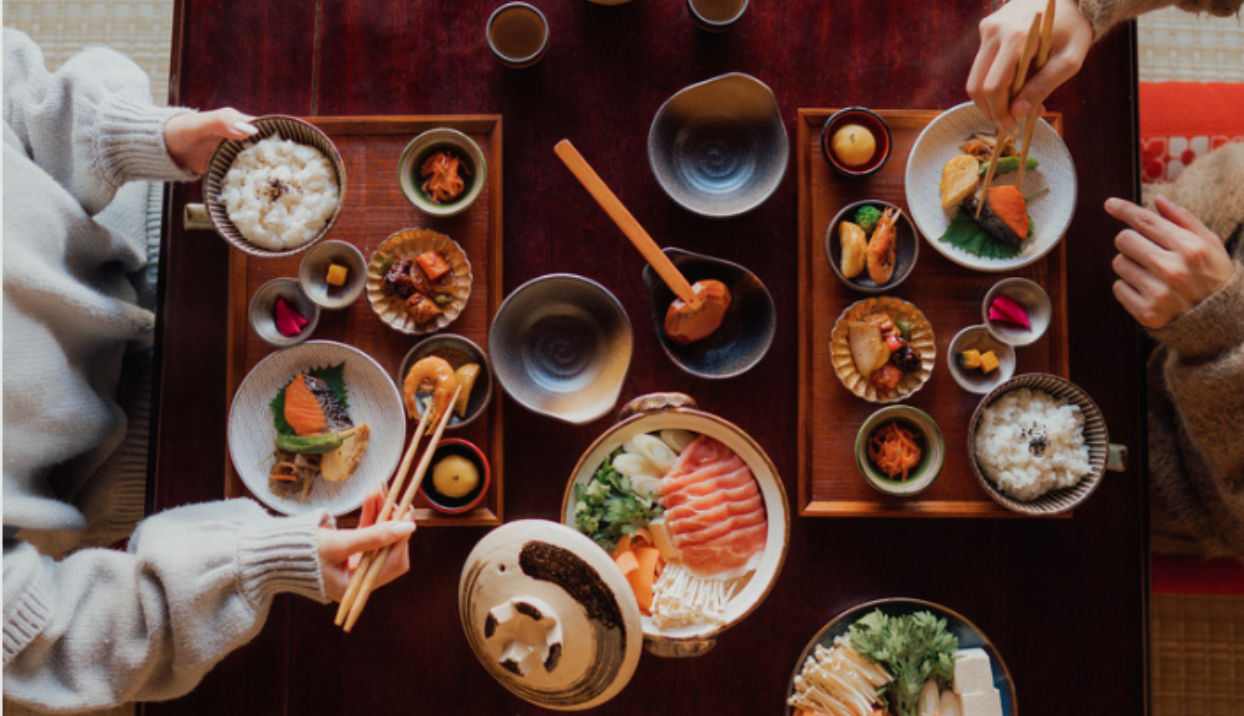
Image source: Canva
Food is a universal language; shared recipes, tastes, and smells, travel through cultures and across generations to something deeper than survival. Japanese cuisine in particular develops food in the forms of rituals, art, and historic replications. This creates unique sensory food experiences that you may not be able to interact with outside of the Japanese sphere.
Instead of plastic bowls, you can get street food on a skewer.
Instead of plates served to your table by a waiter, you can grab sushi from a conveyer belt.
Instead of a traditional table, you could drink matcha right above live swimming koi fish.
Every meal is an experience as well as an opportunity for lively conversation!
Discussion Suggestions:
Consider sharing your early memories of Japanese cuisine or food that connects you to the feeling of “home”. Explore the connection between your personal history and the food that nourished you through your life journey.
Grandparents and parents can share the traditional dishes that they remember from childhood, sharing how these recipes have changed and evolved over time. This presents an opportunity for connection with their children as they try unfamiliar and delicious food throughout Japan.
Parents can share what recipes they have to wish to pass on to their children and why that is important to them. There can be moments of bonding over the value of comfort food.
Kids love talking about food! Try having a funny conversation about the most unfamiliar or interesting thing they’ve tried in Japan.
Food is a layered sensory experience that is a definitive aspect of culture and collective memory, multigenerational families eating together makes for lasting memories to accompany fascinating travel experiences.
Technology Museums: Moving Through Time Together
TokudAw’s top recommended unique Tokyo museums are perfect for multigenerational families to both visit and converse!
The Extinct Media Museum is one of the most interactive museums in Japan, allowing for tactile and visual experiences for all ages. You can touch and hold old cameras, tapes, type writers and other vintage devices while learning about how the technological world has advanced across time. “Touch” museums have wide appeal with young children! This coupled with the nostalgic experience for older generations creates the perfect family activity.
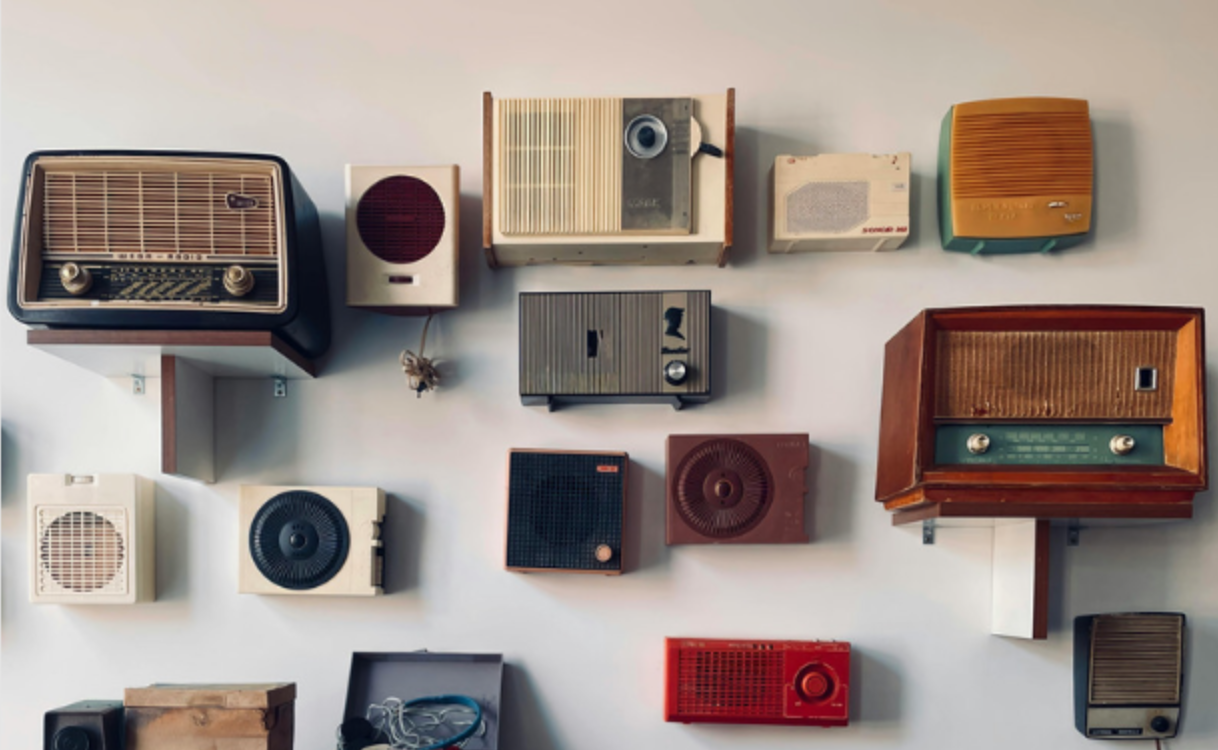
Image Source: Canva
The JCII Camera Museum similarly educates visitors of the history of photography, showcasing abstract, editorial, and creative works. This is the perfect breeding ground for nostalgia based exploration, returning to different memories and eras of time.
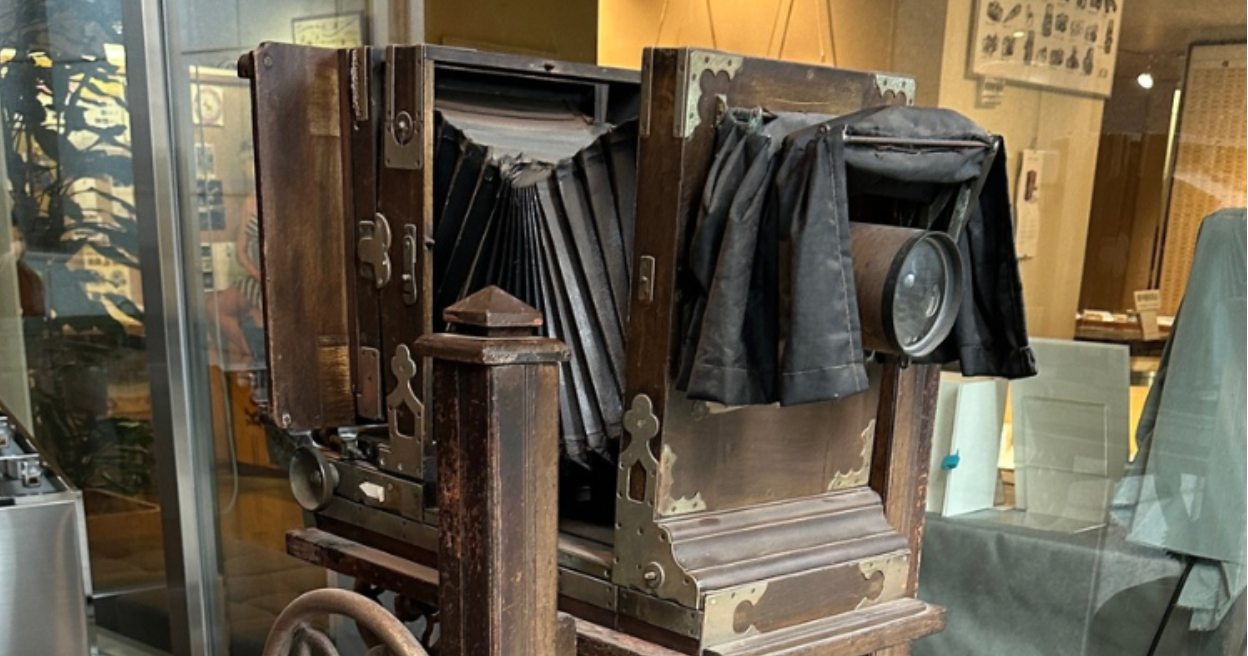
Image Source: TokudAw
With more educational means, museum experiences like these are powerful conveyors of true connection and conversation within families.
Discussion Suggestions:
Consider sharing your first experiences with technology and how it was used to interact with your environment. What do you miss about this era of technology? How does it differ from technology that was developed in other areas of the globe?
Encourage the elderly travelers to interact with the oldest exhibits in the museum as well as the newest, listen to their stories of interacting with digital gadgets in their earlier years and environments.
Parents, while having more recent experiences, surely can enjoy walking along memory lane evolving from bulkier, slower technology to the more streamlined products of today.
This activity will actually most likely capture the attention of younger family members most of all. Pre-2000’s technology remains increasingly hard to find and interact with for those born in the more recent years, this experience is an entirely new and engaging tactile experience.
These museums are the embodiment of a multigenerational bonding experience. You hold, feel, and hear the memories attached to these sentimental objects. As the museum director himself states, “Humans have a desire to leave something behind and pass it on to future generations.”
Shrines, Spirituality, and Stillness
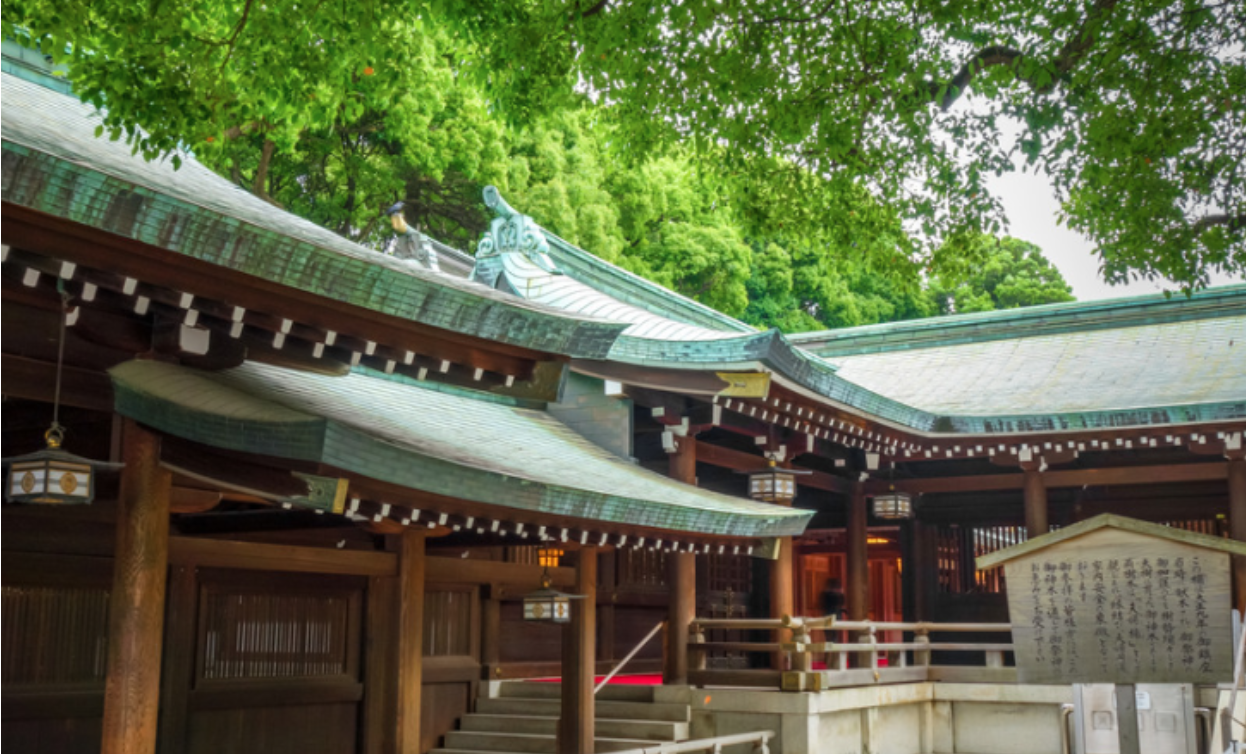
Image Source: Canva
When looking for a relaxing, slow-paced yet educational alternative to most recommended Tokyo activities, look no further than the beautiful selection of Shinto shrines. Meiji Jingu Shrine in Tokyo is a picture of escape and reflection under the beautiful architecture of Japanese Tradition. Such a beautiful place rooted in powerful traditions and ideas grounds multigenerational families in conversations about spirituality, peace, and tradition.
The Shinto tradition is rooted in concepts like “shinrabanshō”, meaning “all things in nature, all creation”. Japanese traditions uniquely connect the sacred to the secular, placing divine power in every natural space. Multigenerational families can learn from this philosophy, allowing them to connect not only to each other but to the world. This energy can be implemented into everyday life, connecting generations using the feelings felt in Japan long after the trip concludes.
Discussion Suggestions:
Consider sharing what makes you feel calm or how you interacted with sacred spaces like this in your past. Communicate with each other about how spirituality influences your life or how you find peace within the fight of daily life and how your family can be a part of that.
Engage in conversation with grandparents about the traditions that they grew up with and how they engaged with rituals throughout their lives. There is an opportunity for conversation about how these beliefs and traditions changed over time and how they were able to share these ideas with their families.
Parents can use the opportunity to connect with this moment of stillness and serenity as their lives may not be as filled with these moments with pressing work schedules.
While this may seem to be beyond the comprehension scope of young children at first glance, there are plenty of conversations this process provides for bonding between families.
You can:
Explain the concept of making a wish at shrines
Talk to them about what makes these rituals special
Walk them through the process of properly acknowledging statues as Buddhist temples
Try it!
Shibuya Crossing: Adapting to Modern Japanese Movement

Image Source: Canva
If you’re looking for more high-energy and fast-paced activities, a fabulous alternative is bringing your family to the world-renowned Shibuya Crossing. The Shibuya Crossing is the busiest and fastest pedestrian crossing in the world. Watching such an organized coordination of a large volume of people moving almost synchronously is true sight to behold. It is a visual example of Japan’s efficient and modernized pace of life and social order.
Pro Tip: For the best view, you can find a spot at the Starbucks overlooking the crossing, or head to a nearby cafe called “Gusto” to get an amazing vantage point. Get to the nearest cafe or observation spot in the area for a comfortable family resting point to watch all of the Shibuya action!
Within this bustling space with such fascinating shops and experiences nearby, try to find time for conversation!
Discussion Suggestions:
Observation exercise: Consider taking some time to stand and watch the world around you, watching the people cross. Take turns noticing what kind of bags people are holding, what kind of shoes most people are wearing, the speed at which they’re walking. Consider how this differs from the pedestrian experience you are most used to and share with each other.
You can ask grandparents about how they commuted when first being able to roam their environment independently. Ask them to share how their work life balance compares to the current pacing of Tokyo’s workers.
Parents can also talk to their children about how this type of movement can be inspiring and motivate them to bring an element of joy into their daily commutes and how they can look towards the future with excitement of engaging with this kind of environment.
“Sonder” is the realization that every passerby has a life as vivid and complex as your own. This is a powerful emotion you may experience in a place like the Shibuya crossing with thousands passing you and your family at one time. It can feel humbling, yet beautiful. You are lucky to be amongst these people and families experiencing such a fascinating place together, experiencing it in different ways.
This feeling connects you to something larger than yourselves, a connection to social harmony and collective consciousness, moving with thousands of people in the flow of life.
Don Quijote Treasure Hunt
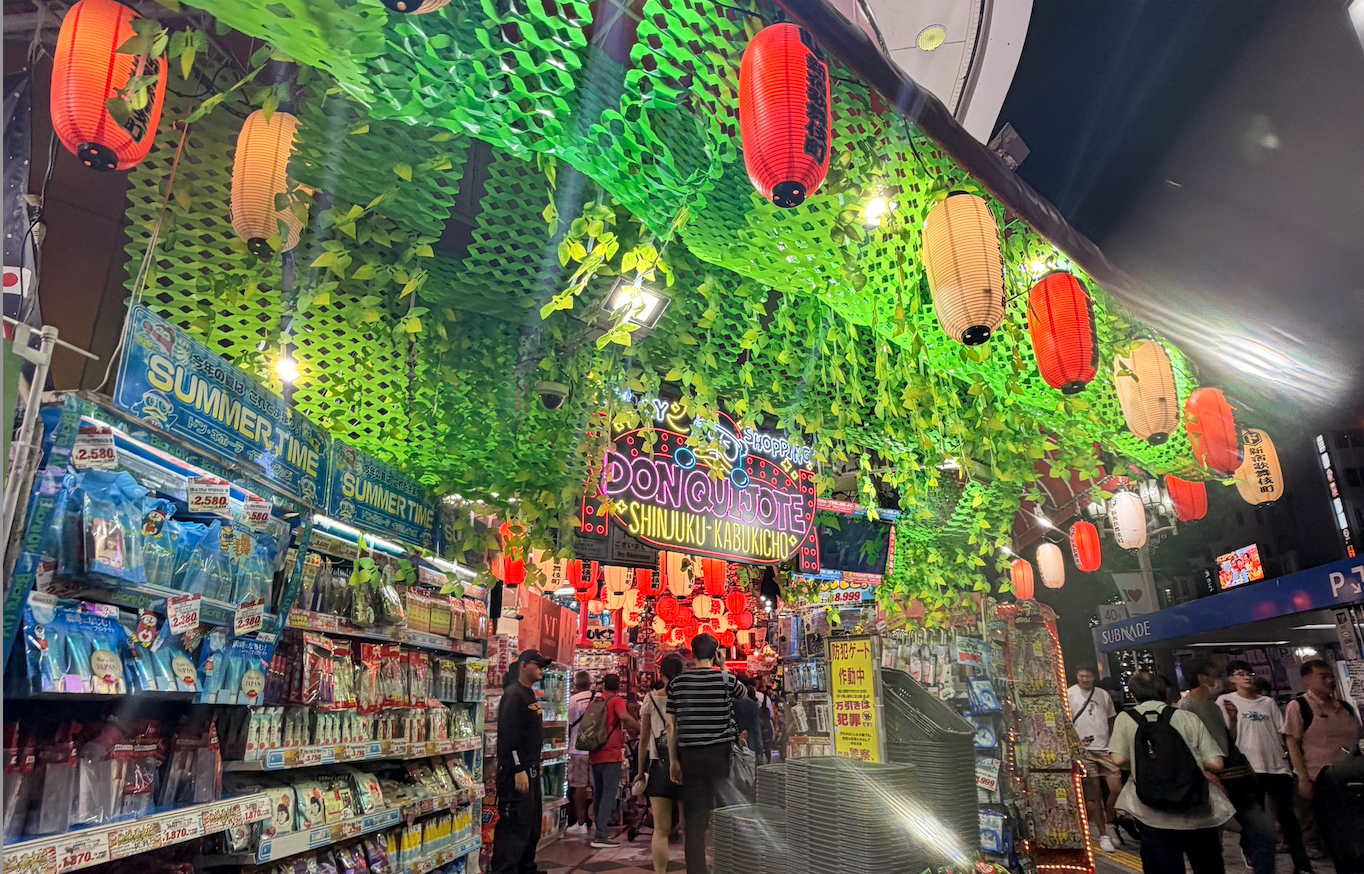
Image Source: TokudAw
If you are intrigued by the shopping life you see in Shibuya, you would be happy to know that a superstore by the name of Don Quijote exists all throughout the major cities of Japan that has Japan souvenirs for everyone. Don Quijote is actually more of an experience than a store, as it is built as a colorful maze containing anything you could possibly think of, especially long-lasting souvenirs to memorialize this amazing travel experience the family has shared.
Pro Tip: Keep in mind that Don Quixote stores often have excessive sound, lights, and stimulation, especially in Shibuya. Neurodivergent travelers, particularly children, may find this environment overwhelming. Consider visiting outside of peak business hours and preparing back-up strategies in advance.
Think toys and plushies for children, technology and collectibles for teenagers, clothes and kitchenware for young adults, and specialty food and comfort items for the elderly. Tokyo souvenir shopping can be a pleasantly opportunistic time to bond with family members as you search for that one desired item.
Discussion Suggestions:
Consider simply conversing about what everyone is looking to buy. Maybe you can pick out items for each other. Discuss if anyone has found something here that they’d never experienced in any other place.
This could be a common ground for the entire family to learn more about each other and Japan, discussing unique items throughout the shop. This environment is the perfect level of chaos and excitement for children to explore and navigate, trying to let them move throughout the store intuitively. This could make for a forever Japan memory of fun, freedom, and excitement with a souvenir to show for it!
Items are priced as low as 50 yen!
Your Perfect Travel Partner: TokudAw
What sparks meaningful conversation most of all within unfamiliar environments is comfort. We can help! No need for the logistics of travel and coordination planning to be a stressor for multigenerational groups. We account for minimized walking distances, accessible transportation and balanced itineraries.
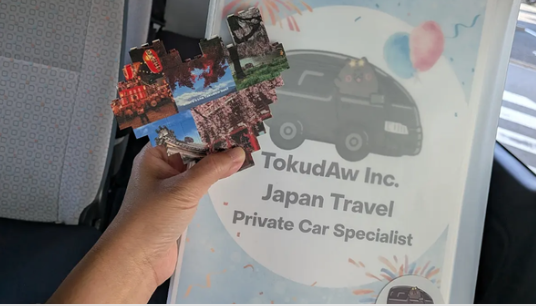
Image Source: TokudAw
Look no further than TokudAw’s Multi-Generational Inclusive Private Tours! We create trips around you and your family’s specific needs, offering a range of private and comfortable vehicles featuring low steps and wheelchair ramps. Specializing in reuniting communities, helping travelers explore their genealogy and heritage, and creating stress-free family
adventures, TokudAw thinks of everything. Our company even provides assistance with restaurant reservations and any possible cause of concern allowing for the best possible trip for you and your family to make unforgettable memories in Japan!
The TokudAw Difference: Real Stories from Real Families
You don’t have to just take our word for it! Take a look at our record of real families whose unique needs were met with the utmost care and consideration.
A man reached out to TokudAw with a goal to bring his family of 9 (including seniors, adults, and teenagers) to multiple cities in Japan. When we were made aware that the man’s mother additionally sought to connect to her heritage by finding the family tomb, we jumped at the opportunity to help this family achieve both goals. TokudAw’s team demonstrated our dedication by personally contacting local temple owners, verifying family lineage, and located the tomb and additional relatives with efficiency. TokudAw doesn’t simply “plan trips”, we also connect travelers with their heritage, bridging generations through our passionate logistics team.
A woman reached out to TokudAw with a goal of bringing a multigenerational group to Japan with small children seeking convenience and flexible scheduling. TokudAw took her concerns seriously and provided child seats, a knowledgeable driver, and an experienced personal guide who adapted to the family’s needs. The family recognized the TokudAw difference and allowed us to care for them just as we promised to do!
One Korean-American multigenerational family booked with the goal of connecting with their extended family in Japan. The challenge was, the American side only spoke English and the Korean side only spoke Korean. However, this is not a challenge with TokudAw! TokudAw arranged a Japanese guide who could speak both English and Korean to accommodate this family’s communication style, acting as a bridge between cultures.
Every family is different with different needs. TokudAw understands that.
We listen and adapt.
“We take care of the details so you can focus on making the best of memories together.” TokudAw
FAQ: Helping You Start Conversations on Your Family Japan Trip
What should I do if we need medical assistance or have issues with dietary restrictions?
When booking with TokudAw, you are immediately connected with our multilingual staff which are well-versed in interpreting, locating medical services, and arranging meals catering to any dietary needs. Additionally, with the additional purchase of standard travel insurance, getting appropriate medical attention when needed should prove to have no issues!
How do we keep everyone engaged when our family doesn’t share the same interests?
TokudAw creates flexible itineraries to accommodate all interests of the family. Grandparents can enjoy slow paced opportunities like quiet tea ceremonies and children can have exciting experiences like the Extinct Media museum as well as mixed experiences for all age groups within the same trip. Our private drivers coordinate these split experiences and regrouping seamlessly, eliminating unnecessary frustration.
Is Japan a good travel destination for a multigenerational trip?
Absolutely! Japan remains a safe and clean country with a wide variety of experiences capable of fascinating any traveler. The blend of traditional and modern landscapes represent a unique duality only found in Japan. With the help of TokudAw especially, your family can navigate large cities with ease and find something for everyone to share together.
How can I get everyone in my family interested in group conversation?
Avoid using closed ended questions and opt for more open questions like this guide suggests and respond to questions without judgement. Judgement is the enemy of open communication. It is best to be an engaged and active listener to prolong the valuable effect of oral storytelling.
For extra points: encourage everyone to carry a notebook, recording device, or digital camera to collect and retain the information shared within their experience!
What should I consider when planning a trip that includes both young children and elderly grandparents?
To best navigate this, try not to rush through your “to-see” list and instead focus on the quality time you are spending together as a family. Allow for breaks and restful moments between activities and move with a slow pace to accommodate all age groups and their limitation of movement. This kind of flexibility is built into TokudAw’s services as the pacing of our itineraries is customized to your family’s comfort and energy levels, incorporating both active exploration and relaxing beats.
What is the most stress-free way to get around Japan with a large multi-generational group?
Of course we recommend a private chartered vehicle. It allows for a safe, quiet resting point for the family to be themselves at a relaxed pace tailored to the group’s needs. TokudAw vehicles are designed with accessibility at the forefront: low steps for children and seniors, wheelchair and stroller ramps, and a generous amount of space for everyone to travel comfortably. With door-to-door service, assistance with luggage and personal items, and ultimate communication, TokudAw vehicles are the most stress-free ways to get around Japan with a large multi-generational group.
