What Can Visitors Learn From Tokyo’s Ad Museum and NHK Museum of Broadcasting?
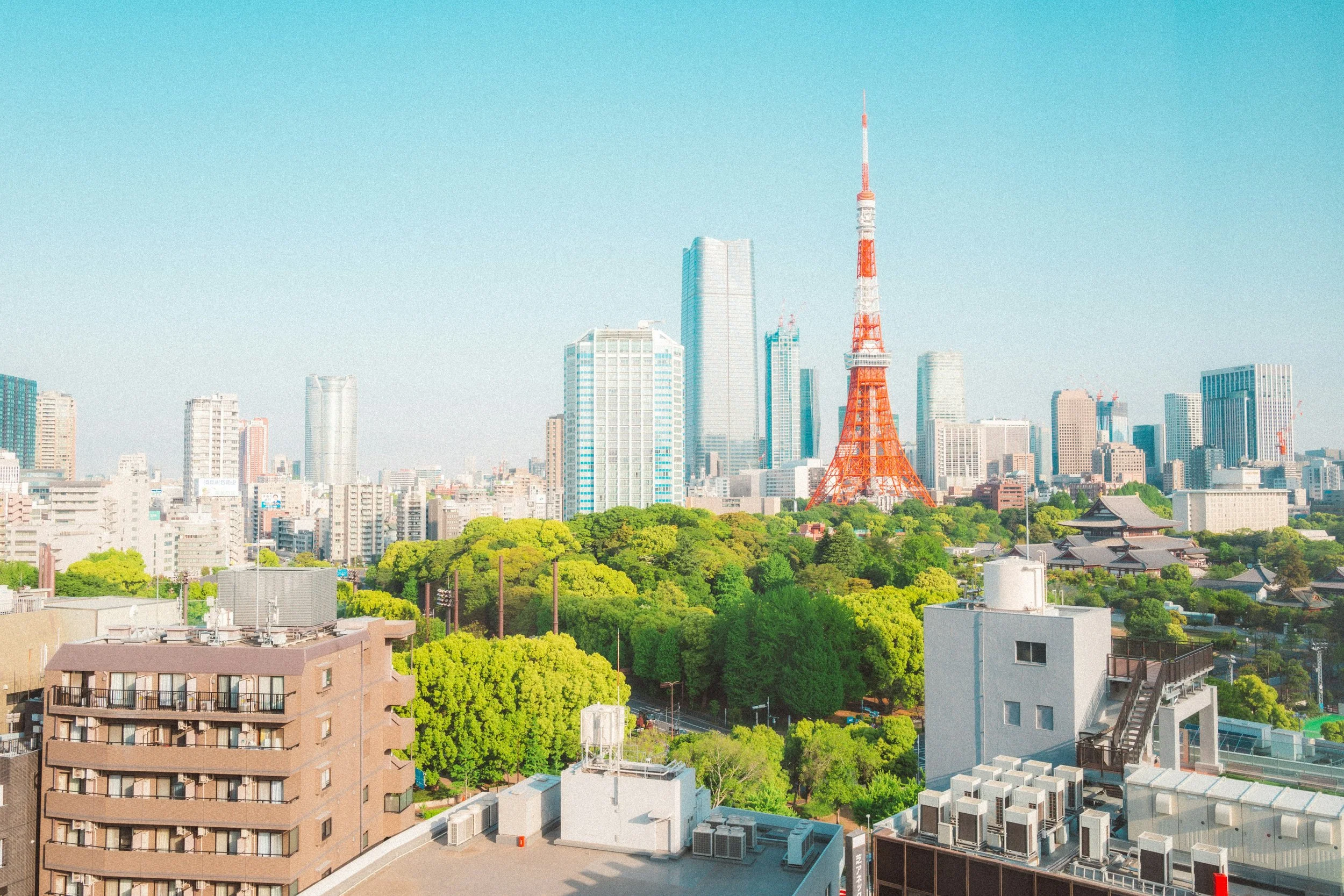
Source: Unsplash Tokyo skyline featuring Tokyo Tower, located near the NHK Museum of Broadcasting.
Tokyo has many museums, but the Tokyo Ad Museum and the NHK Museum of Broadcasting offer something different. Instead of only focusing on fine art or history, these museums show how media, design, advertising, storytelling, and technology shape everyday life in Japan. They are especially useful for visitors interested in communication, branding, television, culture, or design. For families, students, and multi-generational travelers, both museums offer a quieter way to learn about Japan while still keeping the experience visual, engaging, and easy to follow.
Why Visit These Museums in Tokyo?
Not every museum in Tokyo has to take up a full day. Some of the most interesting museums are smaller, easier to move through, and focused on a specific topic. The Tokyo Ad Museum in Shimbashi focuses on advertising and communication, while the NHK Museum of Broadcasting near Tokyo Tower focuses on the history of Japanese broadcasting and television. Together, they show how Japan communicates with the public through images, commercials, characters, sound, screens, and storytelling. These museums are helpful for travelers who want to understand Japan beyond shopping, food, and sightseeing.
Tokyo Ad Museum: Understanding Japanese Advertising
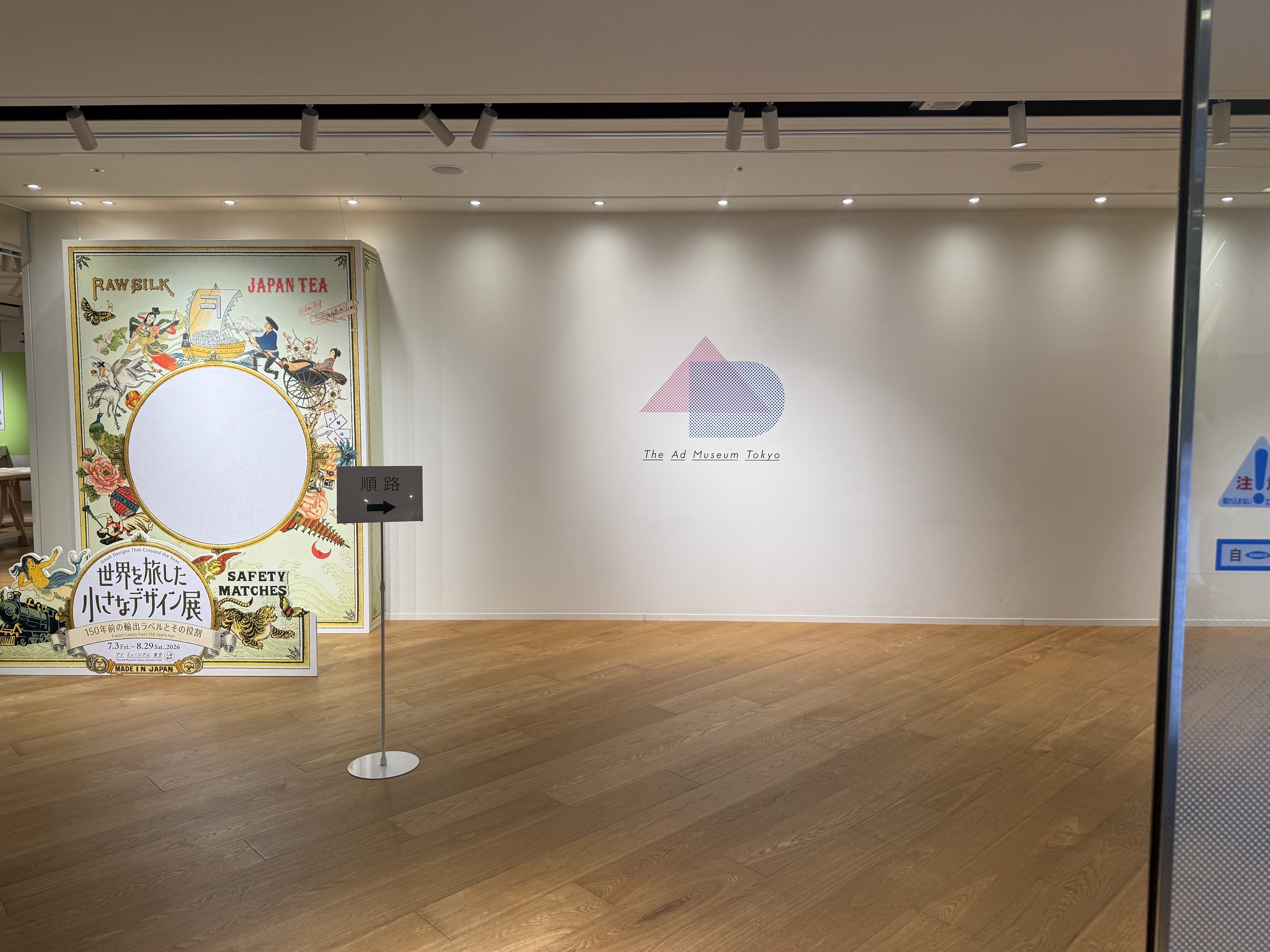
Entrance to the Ad Museum Tokyo, one of Japan's leading museums dedicated to the history of advertising.
The Tokyo Ad Museum is a strong choice for visitors interested in design, marketing, branding, or visual communication. The museum shows how advertising has changed over time in Japan and how companies use images, words, colors, and emotion to connect with people. For design students and marketing professionals, this museum is especially useful because it shows that advertising is not only about selling a product. Good advertising reflects culture, timing, audience, and emotion. A poster, commercial, or campaign can say a lot about what people valued during a certain period. The museum is also a good reminder that strong communication does not always need to be loud. Many Japanese ads use simple visuals, humor, nostalgia, or everyday moments to make a message memorable.
What Visitors Can Learn at the Tokyo Ad Museum
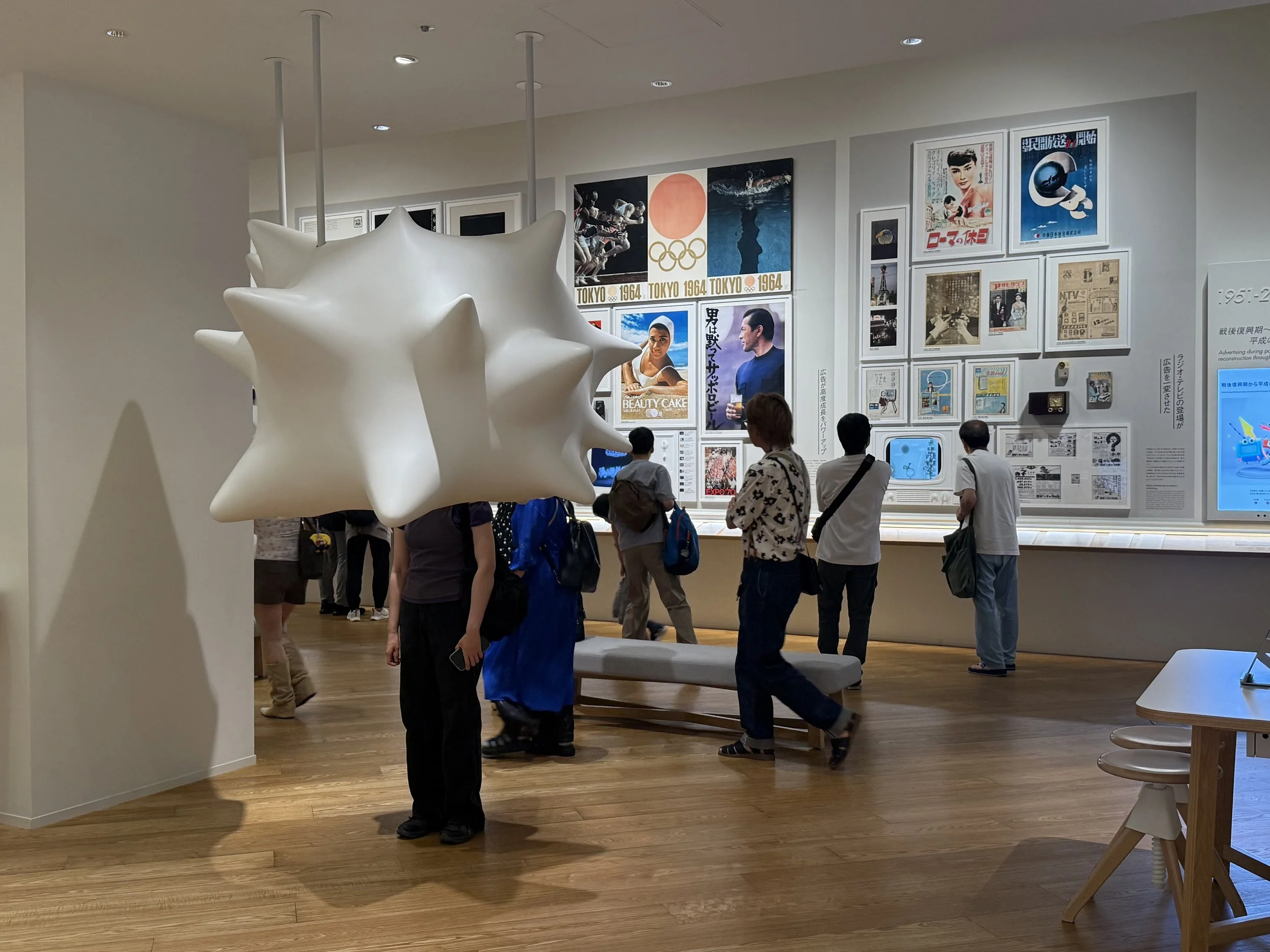
Historic Japanese advertisements and interactive exhibits inside the Ad Museum Tokyo.
Visitors can learn how Japanese advertising connects design with culture. The museum shows how brands use visual hierarchy, typography, photography, slogans, and storytelling to make people pay attention. It is also useful for understanding how advertising changes with society. Older ads may show traditional family life, food, transportation, or home products, while newer campaigns may focus more on lifestyle, technology, convenience, or emotional connection. For multi-generational families, this can be interesting because different age groups may connect with different parts of the museum. Older visitors may recognize how advertising reflects changes in daily life, while younger visitors may notice how design and media have evolved.
NHK Museum of Broadcasting: Learning Through Media and Technology
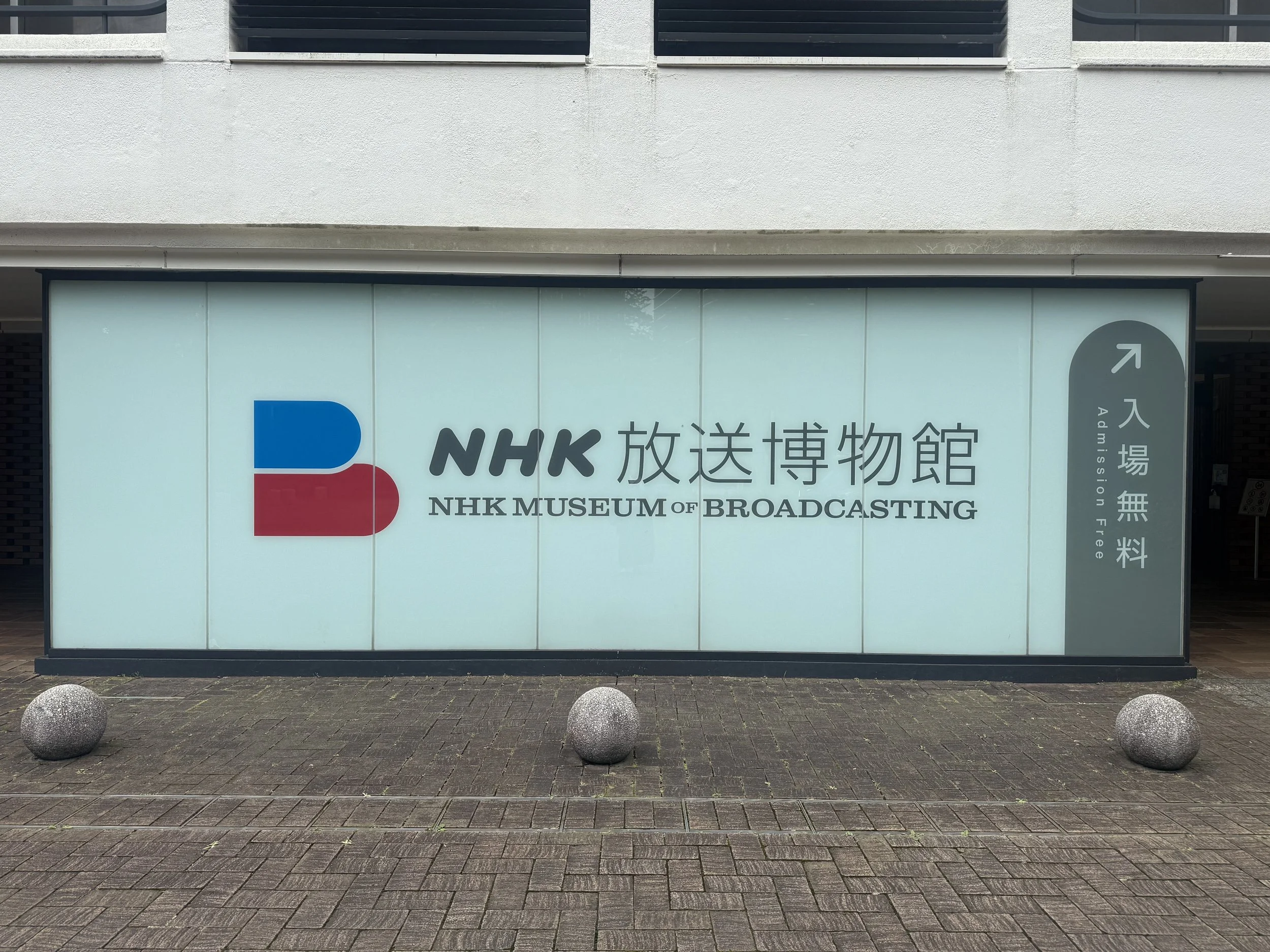
Entrance to the NHK Museum of Broadcasting near Tokyo Tower.
The NHK Museum of Broadcasting is a great stop for visitors interested in television, media history, sound, cameras, and broadcasting. Located near the Tokyo Tower area, the museum explains how broadcasting developed in Japan and how radio and television became part of everyday life. This museum feels different from a traditional history museum because much of the content is visual and interactive. Visitors can see broadcasting equipment, learn about studio production, and explore how television programs are created. For students, designers, and people working in media or technology, the NHK Museum is useful because it shows how communication depends on both storytelling and technical systems. Broadcasting is not just about what appears on screen. It involves cameras, lighting, sound, timing, editing, and planning.
What Visitors Can Learn at the NHK Museum
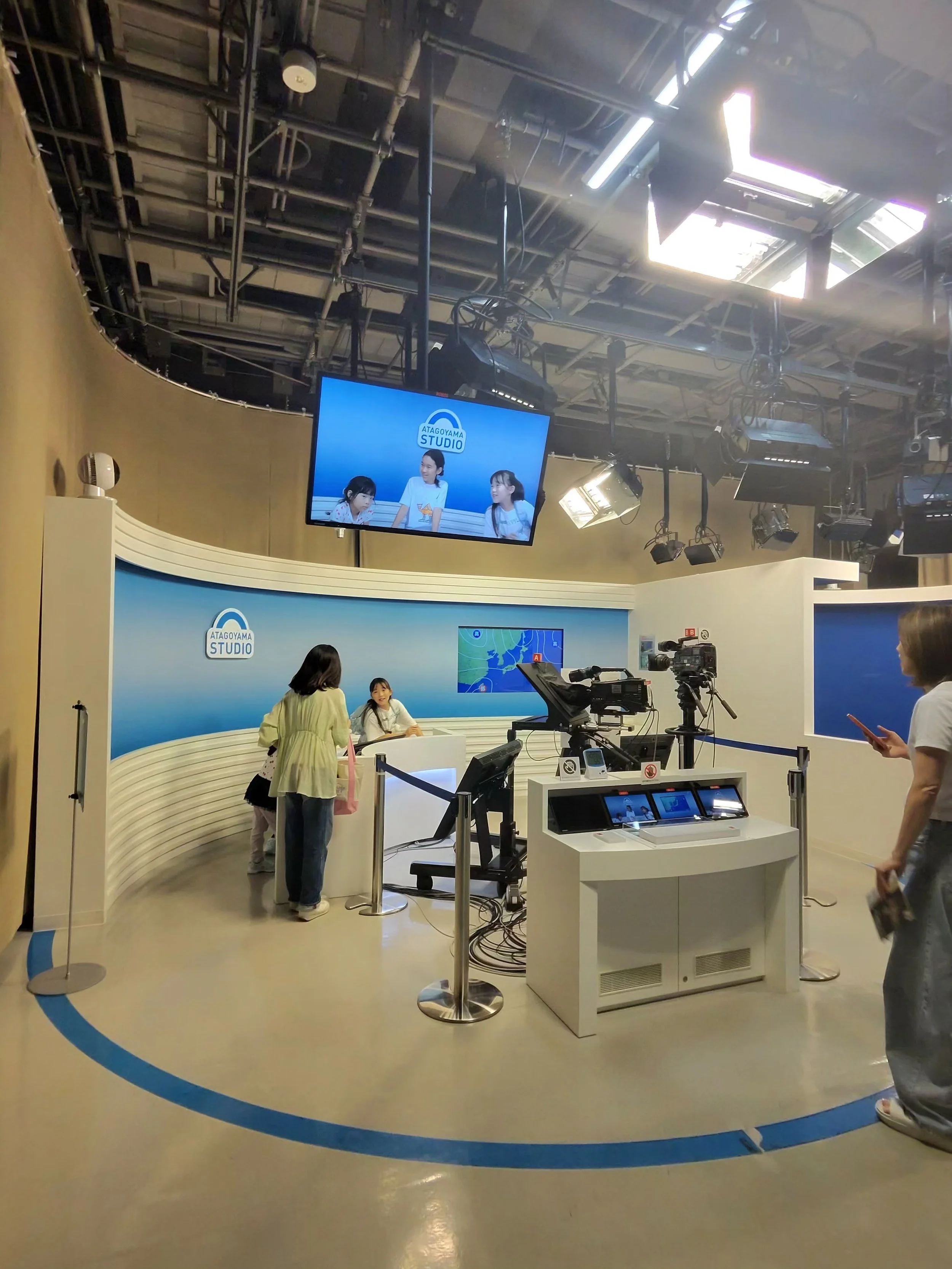
Visitors can step into a recreated television studio and experience how news broadcasts are produced.
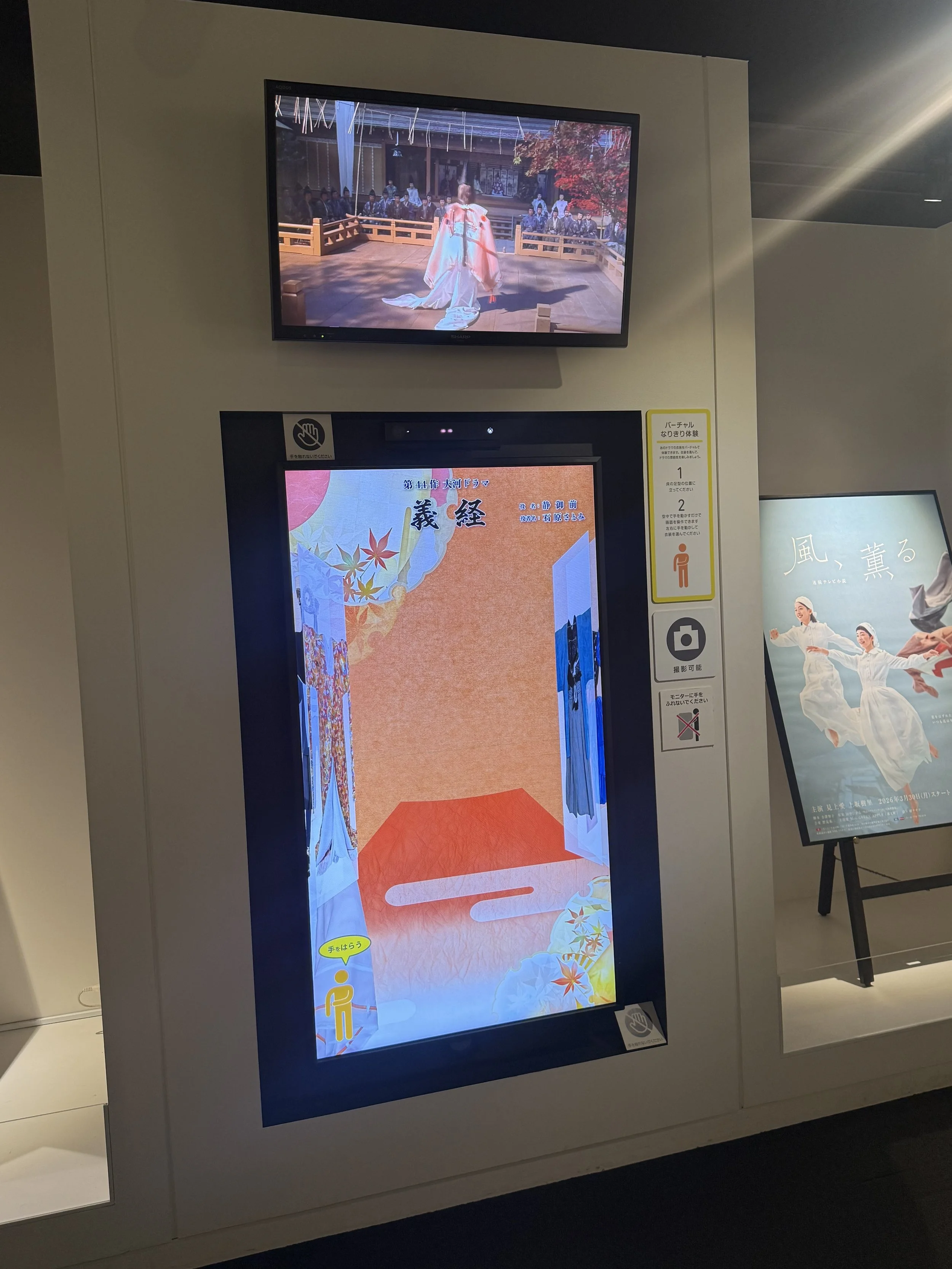
Interactive exhibits at the NHK Museum of Broadcasting let visitors experience how television programs are created.
The NHK Museum helps visitors understand how media reaches people. Exhibits show how broadcasting connects information, entertainment, education, and public communication. For design and UX students, the museum offers lessons in how information is organized for different audiences. Clear signage, visual displays, and interactive exhibits help visitors understand complex topics without needing to read long explanations. For families, the museum can be easier to enjoy than a text-heavy museum because there are screens, equipment, visuals, and hands-on areas. This makes it a good option for groups with different ages and attention spans.
Why These Museums Work Well Together
The Tokyo Ad Museum and NHK Museum of Broadcasting make a strong pair because both focus on communication. The Ad Museum shows how brands speak to the public, while the NHK Museum shows how media delivers information and entertainment to viewers. Together, they help visitors understand how Japan uses design, technology, and storytelling to connect with people. One museum focuses more on persuasion and branding, while the other focuses more on broadcasting and public communication. For anyone interested in design, marketing, media, technology, or Japanese culture, visiting both museums gives a fuller picture of how messages are created and shared.
Why These Museums Are Good for Multi-Generational Families
These museums can be a good fit for families traveling with different age groups because they are not only built around reading. Both museums include visuals, displays, and familiar media formats that make the experience easier to follow. For older adults, the museums may bring back memories of older television, radio, or advertising styles. For younger visitors, the exhibits can show how much media has changed over time. For students, the museums offer real examples of design, storytelling, and communication in action. They are also helpful for families who want something educational but not overwhelming. Compared to larger museums, these stops can feel more manageable and easier to include in a Tokyo itinerary.
How TokudAw Can Help Plan a Museum Day in Tokyo
The Tokyo Ad Museum and NHK Museum of Broadcasting are located in different areas of Tokyo, so visiting both in one day takes some planning. A private vehicle can make the day easier, especially for families, older travelers, or guests who want a smoother schedule without worrying about train transfers. TokudAw creates personalized itineraries based on each traveler’s interests, whether the focus is design, media, culture, technology, or family-friendly learning. With Japan Private Drivers, guests can move between neighborhoods comfortably while spending more time enjoying each museum and less time managing logistics. This kind of thoughtful planning is especially helpful for multi-generational families, where pacing, comfort, and flexibility can make a big difference.
Museum Highlights at a Glance

Comparison of the Tokyo Ad Museum and NHK Museum of Broadcasting, including what each museum is best known for and what visitors can learn.
Frequently Asked Questions
Are the Tokyo Ad Museum and NHK Museum good for first-time visitors?
Yes. Both museums are good for first-time visitors who want to understand Japan beyond the usual tourist attractions. They focus on communication, media, design, and culture, which makes them useful for travelers who enjoy learning how everyday life in Japan has changed over time.
Are these museums good for families with different age groups?
Yes. These museums can work well for multi-generational families because they include visual displays, familiar media, and topics that different age groups can connect with. Older adults may enjoy seeing older advertising or broadcasting history, while younger visitors may be more interested in screens, interactive displays, and modern media.
Do visitors need to understand Japanese to enjoy these museums?
Some exhibits may be easier to understand with Japanese language knowledge, but visitors can still enjoy the visuals, objects, displays, and overall museum experience. The Tokyo Ad Museum is especially visual, while the NHK Museum includes broadcasting equipment and media displays that are easy to follow even without reading every label.
Can both museums be visited in one day?
Yes, both museums can be visited in one day with good planning. Since they are in different parts of Tokyo, it helps to plan transportation ahead of time. A private vehicle can make the day smoother, especially for families, older travelers, or visitors who want to avoid multiple train transfers.
Why are these museums worth visiting?
These museums are worth visiting because they show how Japan communicates with people through advertising, television, design, technology, and storytelling. They offer a different kind of cultural experience and can be especially helpful for students, designers, marketers, media professionals, and families who enjoy educational travel.
