
What Japanese Foods Are Best for First-Time Visitors to Try?
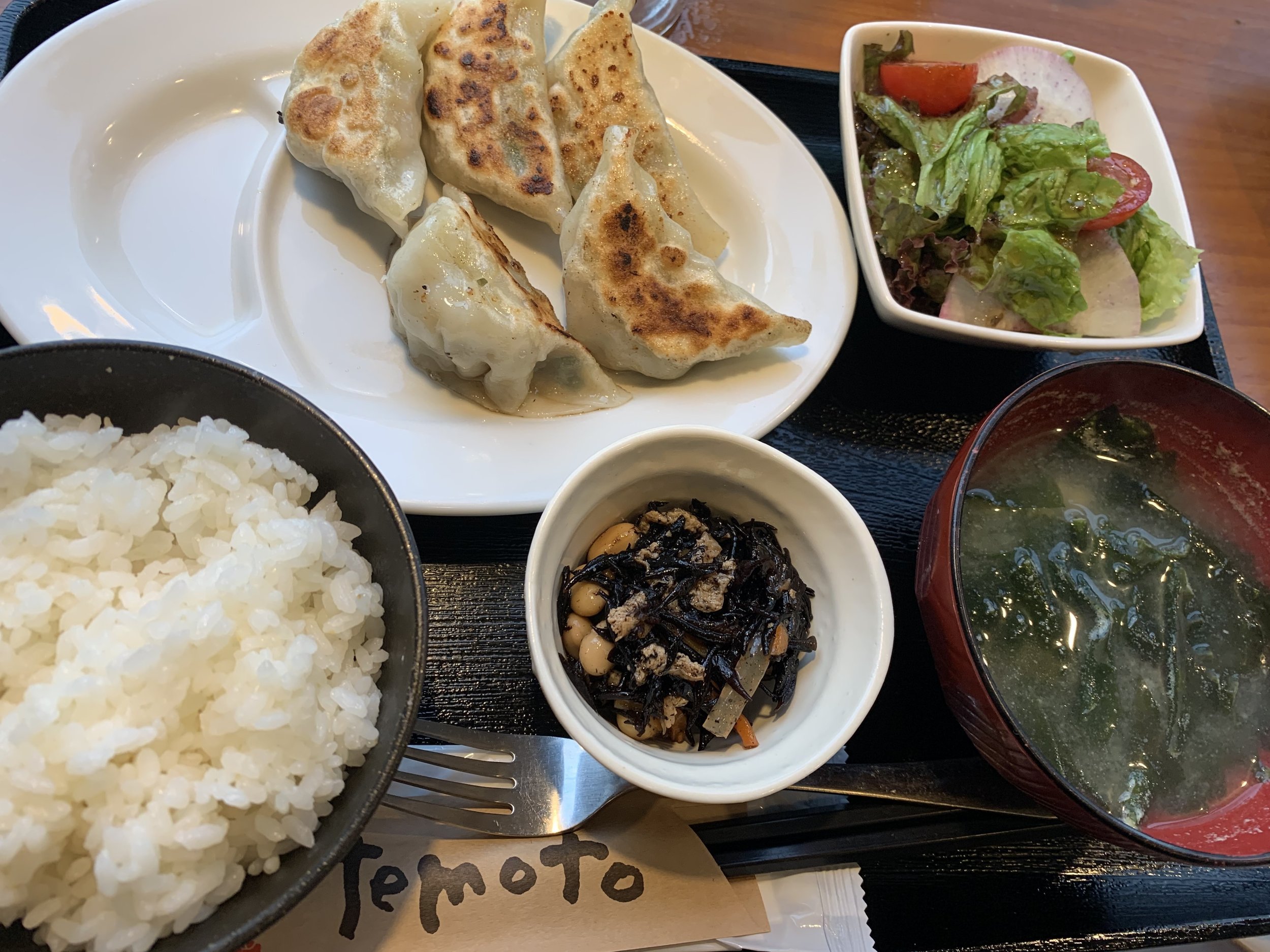
A traditional Japanese gyoza set meal with rice, miso soup, salad, and side dishes at a local restaurant in Tokyo.
One of the best ways to experience Japan is through its food, but eating at a local restaurant can feel very different from dining in other countries. Many first-time visitors are surprised to find that some restaurants expect guests to grill meat, cook ingredients at the table, or assemble part of the meal themselves. While these dining styles may seem unfamiliar at first, they're part of what makes Japanese food culture so memorable. For first-time visitors, understanding how these meals work can make dining feel much less intimidating. Many restaurants also make it easy to choose smaller portions, share dishes with family and friends, or customize meals based on individual preferences. This guide explains some of Japan's most popular dining styles, what to expect, and helpful tips for enjoying each one with confidence.
Why Is Japanese Dining Different?
Unlike many restaurants where food is prepared entirely in the kitchen, many Japanese meals invite guests to become part of the experience. Some restaurants bring raw ingredients to the table for guests to cook, while others serve noodles and broth separately or encourage diners to assemble their own meal. These traditions aren't meant to be complicated. Instead, they allow everyone to enjoy food at their own pace while creating a more memorable dining experience.
Another thing many visitors appreciate is the flexibility. Several Japanese dining styles naturally make it easier to order smaller portions or share dishes with others, making them a great option for couples, families with children, and multi-generational groups traveling together. Rather than committing to one large entrée, many restaurants allow guests to choose exactly what and how much they would like to eat.
Yakiniku (Japanese BBQ)
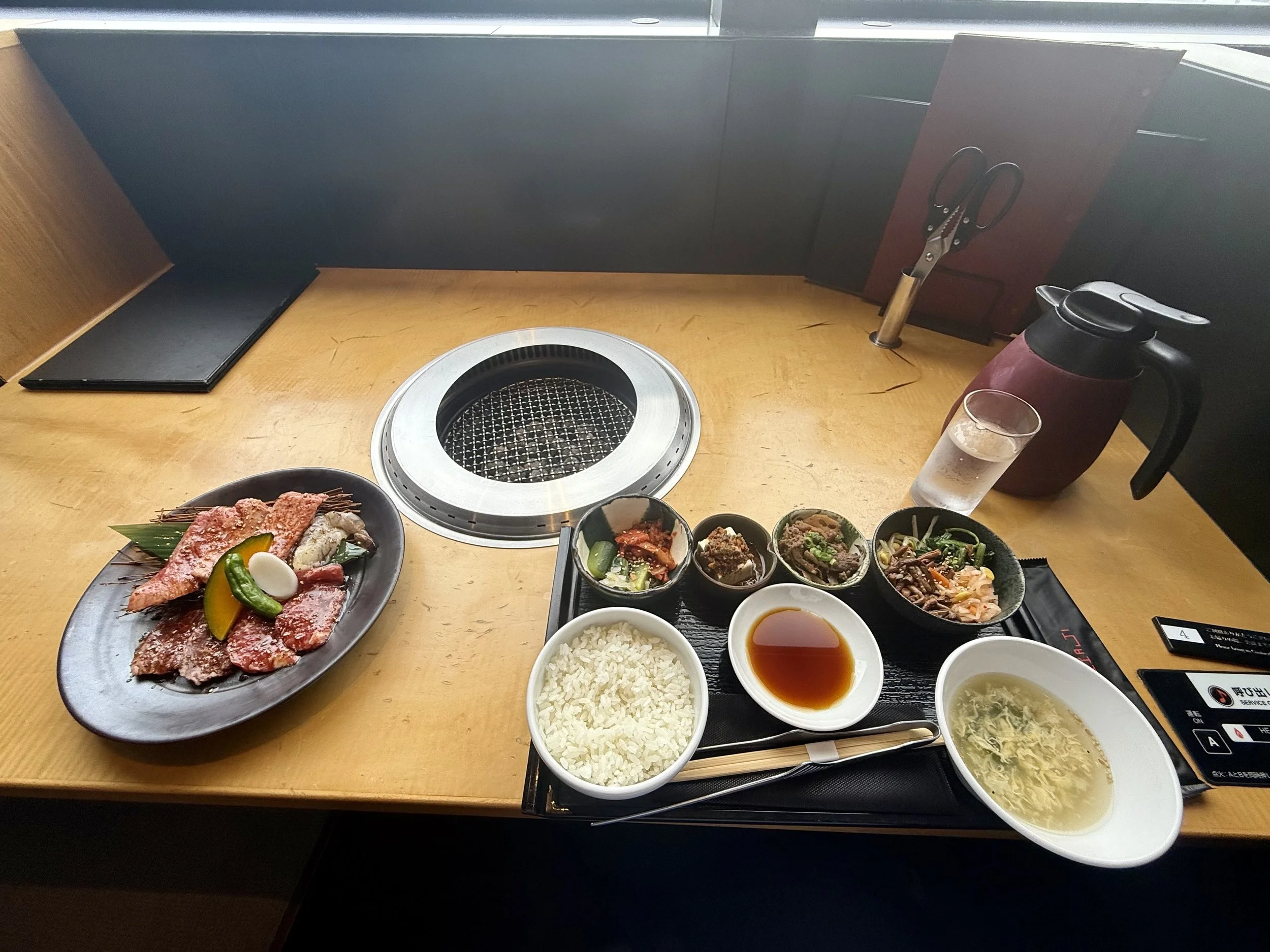
The Yakiniku Lunch Set at YAKINIKU TORAJI PARAM in Caretta Shiodome features premium wagyu beef, rice, soup, dipping sauce, and traditional Japanese side dishes.
Yakiniku is one of Japan's most popular interactive dining experiences and is often recommended for first-time visitors. Instead of receiving a fully prepared meal, guests order thin slices of beef, pork, chicken, seafood, vegetables, or other ingredients that arrive raw. Each table has a small grill where everyone cooks their own food. One of the biggest advantages of yakiniku is its flexibility. Individual plates allow guests to order only what they want instead of one large meal. This makes it an excellent choice for travelers with smaller appetites, children who may want familiar foods, or groups where everyone has different preferences. Cooking food together also makes yakiniku a social experience. Everyone can eat at their own pace while trying different cuts of meat and dipping sauces. For many visitors, it becomes one of the most memorable meals of their trip because the experience is just as enjoyable as the food itself.
Helpful Tip
Don't feel pressured to order everything at once. Most yakiniku restaurants allow additional orders throughout the meal, making it easy to start small and order more if needed.
Shabu Shabu and Nabe (Japanese Hot Pot)
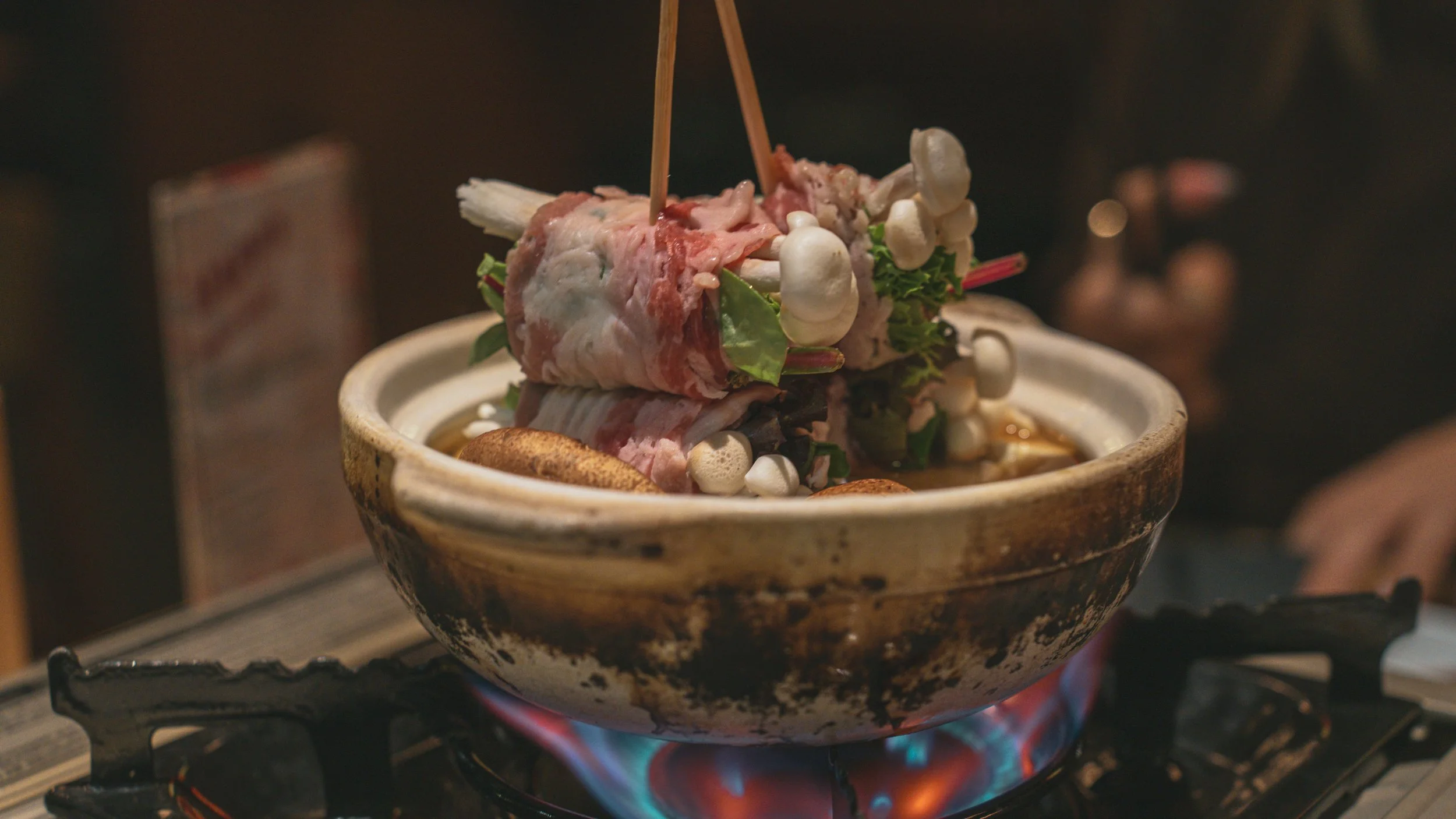
Source: Unsplash. A Japanese hot pot featuring thinly sliced pork, fresh vegetables, and mushrooms simmering in broth at a local restaurant in Tokyo.
Shabu shabu and nabe are warm, comforting meals that bring people together around a shared pot of simmering broth. Thin slices of meat, fresh vegetables, mushrooms, tofu, and noodles are gradually added to the broth and cooked at the table. Once cooked, the ingredients are dipped into sauces before eating. Unlike yakiniku, where each person grills individual pieces of food, hot pot encourages everyone to share the same broth while choosing their favorite ingredients. Since each person decides what to cook and when, the meal is easy to customize for different tastes and dietary preferences. Many travelers also appreciate that hot pot naturally allows for smaller portions. Guests can cook just a few ingredients at a time, making it easier to eat comfortably without wasting food. Families traveling with children or older adults often enjoy hot pot because everyone can prepare meals at their own pace. One of Japan's most popular hot pot chains is Shabu-yo, which offers a variety of broths, vegetables, meats, and desserts. Many locations also provide buffet-style dining, allowing guests to try different ingredients throughout the meal.
Helpful Tip
If traveling with children or older family members, choosing a mild broth instead of a spicy one allows everyone at the table to enjoy the same meal comfortably.
Soba: More Than Just Noodles
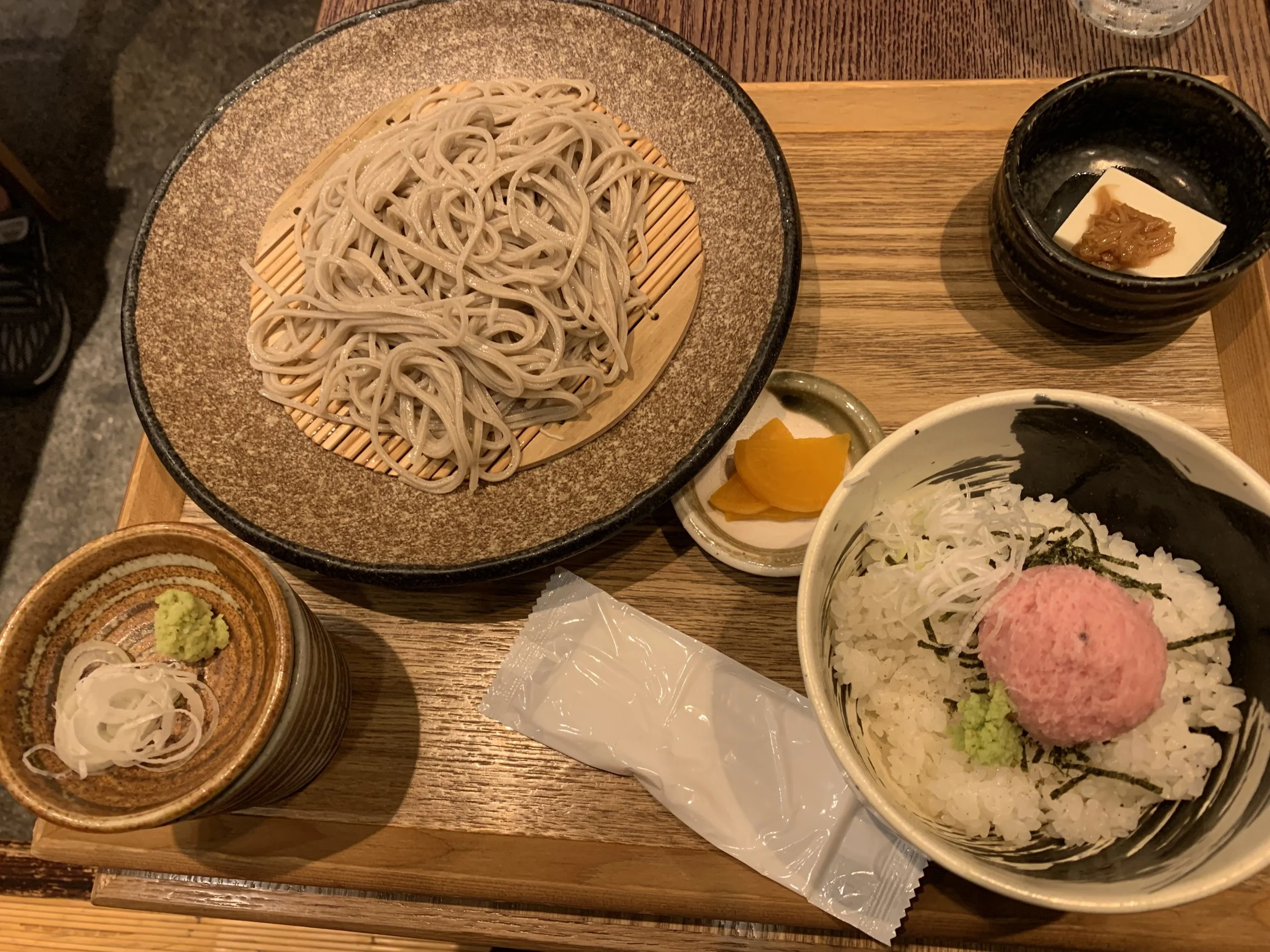
Cold soba noodles served with dipping sauce, wasabi, negi, and a rice bowl topped with minced tuna at a traditional restaurant in Tokyo.
Soba is one of Japan's most traditional noodle dishes and is made from buckwheat flour. It can be served hot or cold, depending on the season, but cold soba is especially popular during the warmer months. Instead of pouring the sauce over the noodles, diners pick up a small portion of noodles with their chopsticks and dip them into a separate cup of dipping sauce before each bite. One part of the meal that surprises many first-time visitors happens after the noodles are finished. Restaurants often serve sobayu, the hot water used to boil the noodles. Rather than drinking it by itself, the sobayu is poured into the remaining dipping sauce, creating a light soup that's traditionally enjoyed before leaving the restaurant. Soba is a great choice for travelers looking for a lighter meal. The portions are often moderate, and the simple ingredients make it a refreshing option, especially during Japan's hot summers.
Helpful Tip
Don't leave the sobayu on the table. Mixing it with the remaining dipping sauce is a traditional part of the meal and a great way to finish the experience.
Tsukemen: A Different Way to Enjoy Ramen
Many visitors are familiar with ramen, but fewer know about tsukemen. While both are noodle dishes, the dining experience is completely different. Instead of serving the noodles in the broth, tsukemen keeps them separate. The noodles are usually served cold or at room temperature while the broth is served hot and concentrated. Rather than eating everything together, diners dip each bite of noodles into the broth before eating. This keeps the noodles firm and allows guests to control how much broth they want with each bite. Because the noodles are served separately, tsukemen is especially popular during the summer when many people want something satisfying without eating an entire bowl of hot soup.
Helpful Tip
Dip only a small amount of noodles into the broth at a time. The broth is usually richer and more concentrated than traditional ramen, so a little goes a long way.
Okonomiyaki and Monjayaki
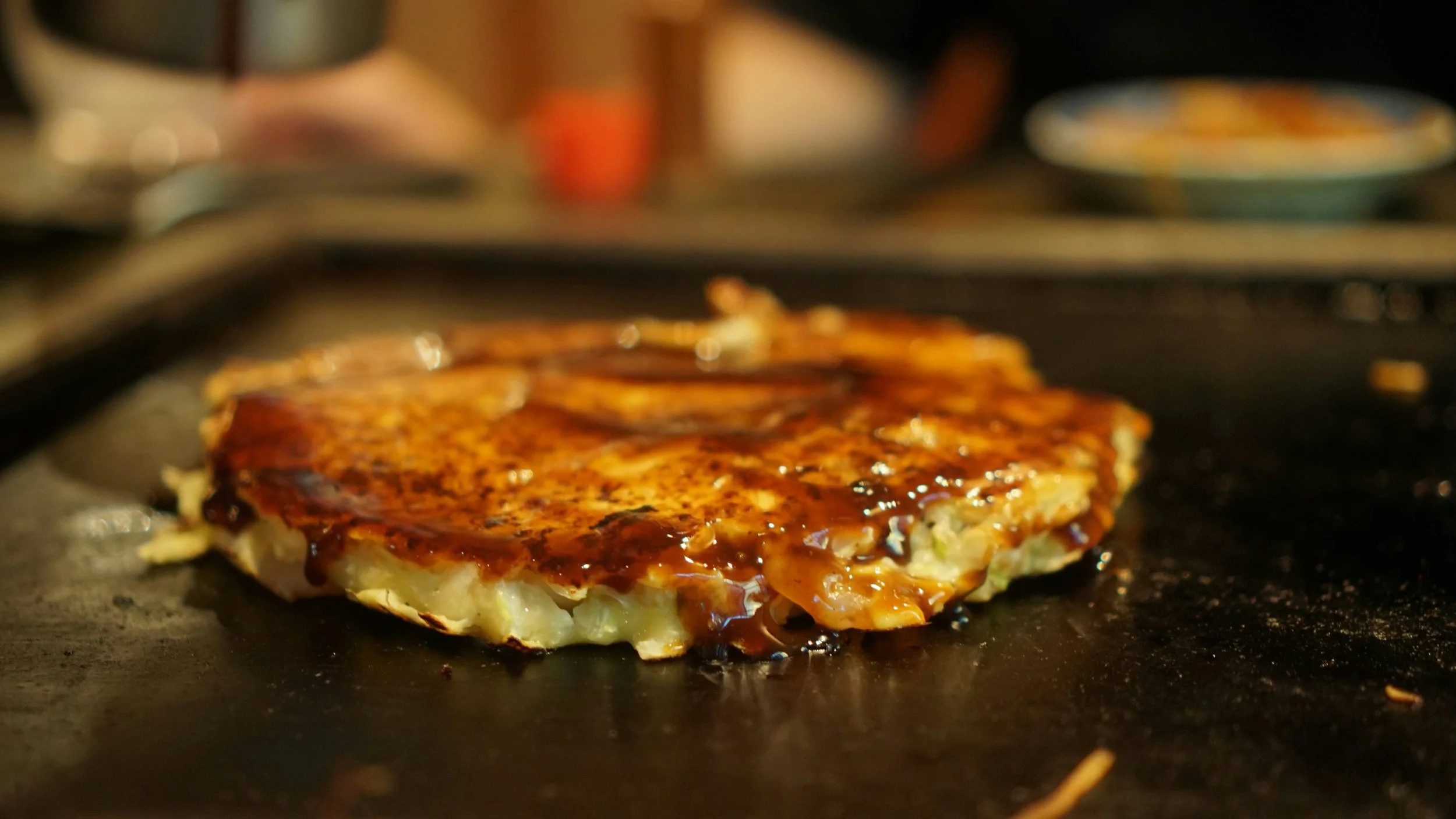
Source: Unsplash. Freshly grilled okonomiyaki, a savory Japanese pancake topped with rich sauce, cooked on a teppan grill at a restaurant in Tokyo.
Okonomiyaki and monjayaki are two of Japan's most interactive meals because they're cooked on a hot plate right at the table. While they're often mentioned together, they each have their own style and texture. Okonomiyaki is commonly described as a savory Japanese pancake made with cabbage, batter, meat, seafood, cheese, or noodles. Monjayaki uses many of the same ingredients but contains much more liquid, creating a softer texture that's eaten directly from the hot plate using small metal spatulas. Some restaurants prepare the food for guests, while others provide all of the ingredients and let diners cook everything themselves. Either way, these meals encourage conversation and teamwork, making them especially popular with families and groups of friends. For first-time visitors, this dining style offers more than just a meal. It provides a chance to experience Japanese food culture in a fun and memorable way.
Helpful Tip
If it's your first time making okonomiyaki or monjayaki, don't worry about getting everything perfect. Many restaurants are happy to help or will prepare the first one for you.
Ochazuke: Japan's Ultimate Comfort Food
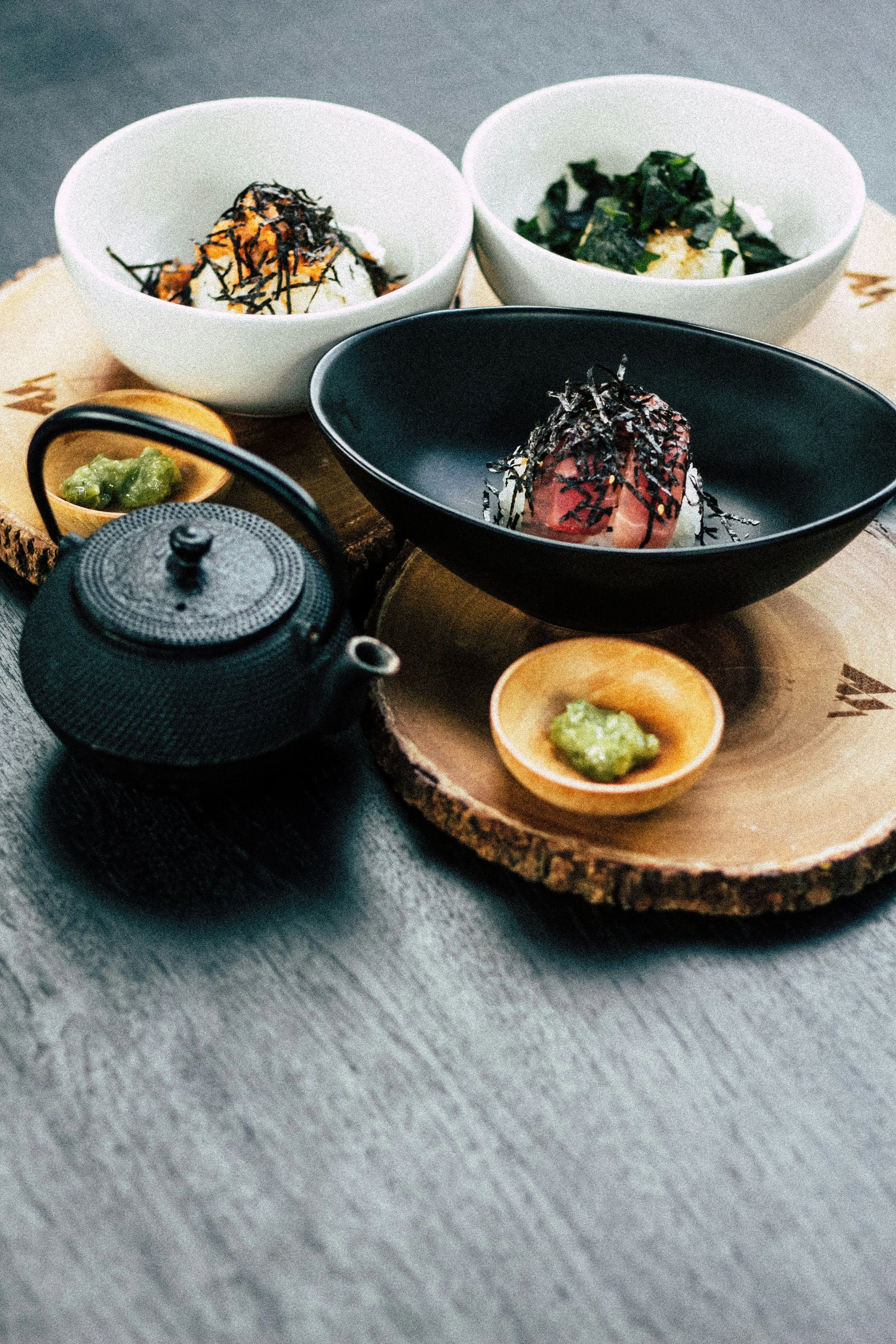
Source: Unsplash. Ochazuke, a comforting Japanese rice dish served with tea or dashi, accompanied by traditional toppings such as tuna, seaweed, and wasabi.
Ochazuke is one of Japan's simplest traditional dishes, but it has been enjoyed for generations. The meal begins with a bowl of rice topped with ingredients such as grilled salmon, seaweed, pickled vegetables, or other seasonal toppings. A small pot of green tea or light broth is served separately. Before eating, the tea is poured over the rice, creating a warm and comforting dish that's both light and flavorful. Many people in Japan enjoy ochazuke as a quick meal, a late-night snack, or whenever they're looking for something easy to digest. For travelers who may want a break from heavier meals, it can be a refreshing change while still offering a traditional Japanese dining experience. It can also be a good option for travelers with smaller appetites or older family members looking for a lighter meal.
Helpful Tip
Pour the tea over only the amount of rice you plan to eat first. This helps maintain the texture and warmth of the meal.
Nagashi Somen: A Unique Summer Tradition
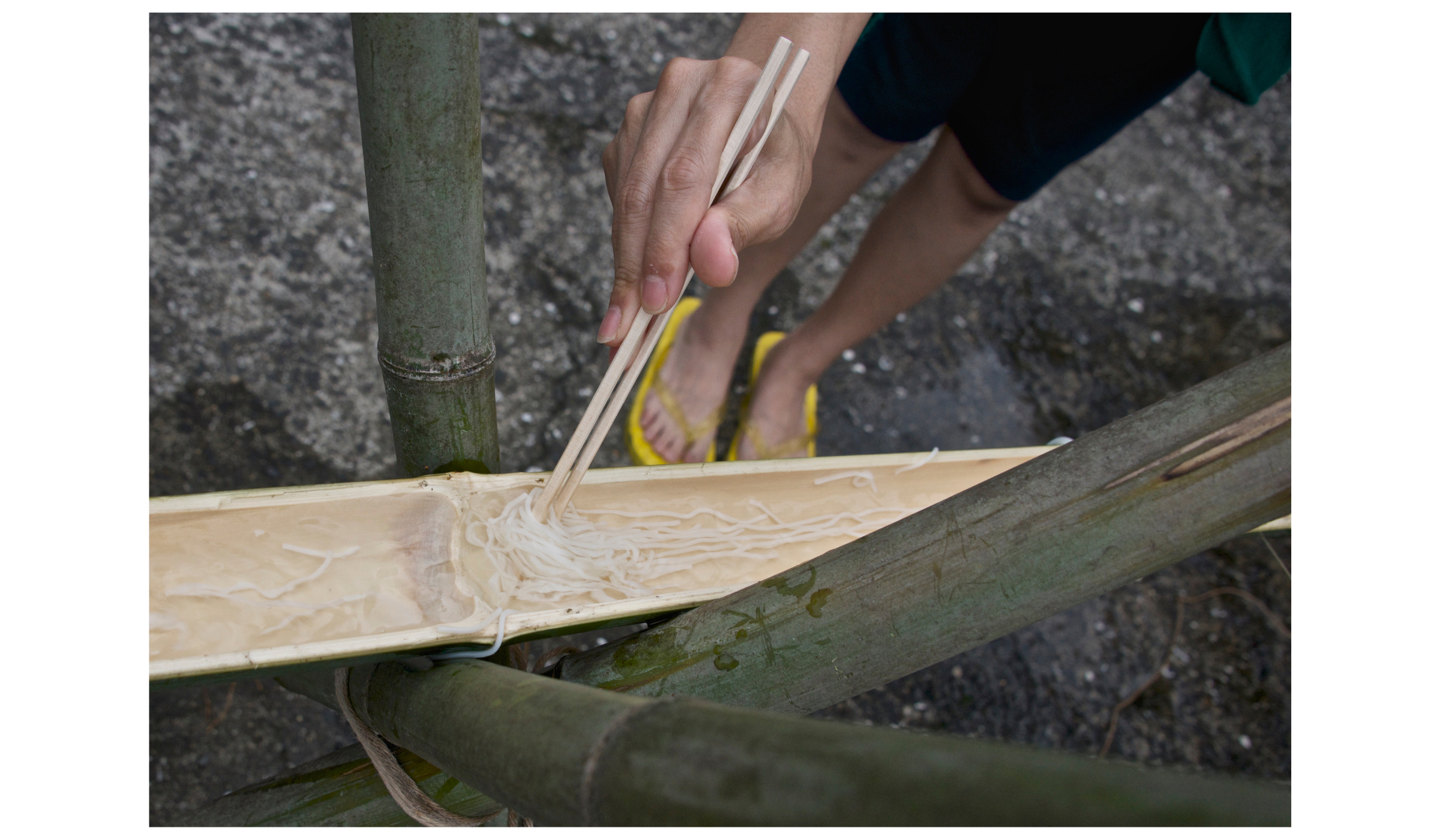
Source: Canva. Nagashi somen, a traditional Japanese summer experience where chilled noodles flow through a bamboo flume and are picked up with chopsticks before dipping into a flavorful sauce.
Nagashi somen is one of Japan's most unique seasonal dining experiences. Instead of receiving noodles in a bowl, thin somen noodles flow down long bamboo flumes filled with cold running water. Diners use their chopsticks to catch the noodles as they pass before dipping them into a flavorful sauce. While it may sound simple, catching the noodles quickly becomes part of the fun. Families, friends, and visitors often laugh and encourage one another as they try to catch each serving before it floats away. The experience is just as memorable as the meal itself. Nagashi somen is typically available during the summer and is especially popular in more rural areas, where restaurants use natural bamboo and outdoor settings to create a traditional atmosphere. Since it is seasonal, travelers should check ahead to see if it is available during their visit.
Helpful Tip
Nagashi somen is about enjoying the experience as much as the food. Don't worry if you miss a few noodles at first. Everyone does!
Helpful Tips for First-Time Visitors
Trying traditional Japanese food doesn't have to feel intimidating. While many dining styles may be different from what travelers are used to, restaurants are generally designed to make the experience enjoyable and welcoming. Here are a few tips to make dining in Japan even easier:
Choose interactive meals if you're traveling with family or friends. Cooking together often becomes one of the most memorable parts of the trip.
Don't be afraid of smaller portions. Restaurants like yakiniku allow guests to order individual plates, while hot pot lets everyone cook only what they plan to eat.
Watch other diners if you're unsure what to do. It's one of the easiest ways to learn local dining customs.
Ask for help if needed. Restaurant staff are often happy to explain how the meal works, and many popular restaurants provide picture menus or touchscreen ordering systems.
Take your time. Many Japanese meals are designed to be enjoyed slowly rather than rushed.
Whether traveling as a couple, with young children, or as a multi-generational family, these dining styles make it easy for everyone to enjoy the same meal while choosing foods that match their own tastes and appetites.
Which Japanese Dining Experience Is Right for You?
Each dining style offers something different, so the best choice depends on what kind of experience you're looking for. Travelers who enjoy cooking together may prefer yakiniku, shabu shabu, or okonomiyaki. Those looking for lighter meals may enjoy soba, tsukemen, or ochazuke. Families often appreciate restaurants where everyone can customize their own meal, while adventurous travelers may enjoy trying seasonal experiences like nagashi somen. Rather than focusing only on what to eat, these meals give visitors an opportunity to experience Japanese culture through the way food is prepared, shared, and enjoyed together.
Explore Japan's Food Culture with TokudAw
Many of Japan's most memorable dining experiences are spread across different neighborhoods and regions. From traditional soba restaurants and lively yakiniku grills to seasonal nagashi somen experiences in the countryside, each destination offers something unique. Planning where to eat while also navigating an unfamiliar transportation system can take valuable time away from enjoying the experience. TokudAw helps travelers explore Japan with thoughtfully planned itineraries designed around their interests, pace, and travel style. Through Japan Private Drivers, guests can comfortably visit multiple dining destinations without worrying about train transfers, parking, or navigating unfamiliar areas. This personalized approach is especially helpful for multi-generational families, business travelers, and visitors who want to experience Japan beyond the typical tourist attractions. Instead of rushing from one location to the next, travelers can enjoy each meal, discover local food culture, and experience Japan at a pace that feels comfortable.
Japanese Dining Styles at a Glance

Comparison of popular Japanese dining styles, including yakiniku, shabu shabu, soba, tsukemen, okonomiyaki, ochazuke, and nagashi somen, with their dining experience and who they are best suited for.
Frequently Asked Questions
What Japanese dining experience is best for first-time visitors?
Yakiniku is often one of the easiest places for first-time visitors to start because the menu is flexible and guests cook their own food at the table. Instead of ordering one large entrée, individual plates of meat, vegetables, and side dishes can be added throughout the meal. This makes it easy for everyone to eat at their own pace while trying different foods. Travelers who enjoy interactive experiences often find yakiniku both fun and approachable.
Are there Japanese restaurants with smaller portion sizes?
Yes. Several Japanese dining styles naturally allow guests to control portion sizes. Yakiniku restaurants serve individual plates, while shabu shabu and nabe allow diners to cook only the ingredients they plan to eat. Soba and ochazuke are also popular choices for travelers looking for lighter meals. These options are especially helpful for visitors with smaller appetites, children, or older adults who may not want large portions.
Which Japanese dining styles are best for families?
Interactive meals like yakiniku, shabu shabu, and okonomiyaki are excellent choices for families because everyone can participate while choosing ingredients they enjoy. Children often enjoy cooking food at the table, while adults can prepare meals at their own pace. Since many dishes are shared, these restaurants also make it easier for family members with different tastes or dietary preferences to enjoy the same meal together.
What if I don't know how to eat the food correctly?
There's no need to worry. Many restaurants provide picture menus, touchscreen ordering systems, or simple instructions to help first-time visitors. Watching how other diners enjoy the meal can also be helpful, and restaurant staff are often happy to explain how the dining experience works. Interactive dining is meant to be enjoyable, and most restaurants understand that visitors may be experiencing these traditions for the first time.
Which Japanese dining style is best for travelers with smaller appetites?
Several Japanese dining styles are ideal for travelers with smaller appetites. Yakiniku allows guests to order individual plates instead of one large meal, making it easy to start small and order more if needed. Shabu shabu also lets diners cook only the ingredients they want to eat. For lighter options, soba and ochazuke are both satisfying without being overly filling. These dining styles are also great for older adults, children.
