
Hidden Yokohama Train Museums
A visit to both Keikyu and Yokohama Tram Museum, a short distance from Yokohama’s cruise terminal
What to expect of both train museums
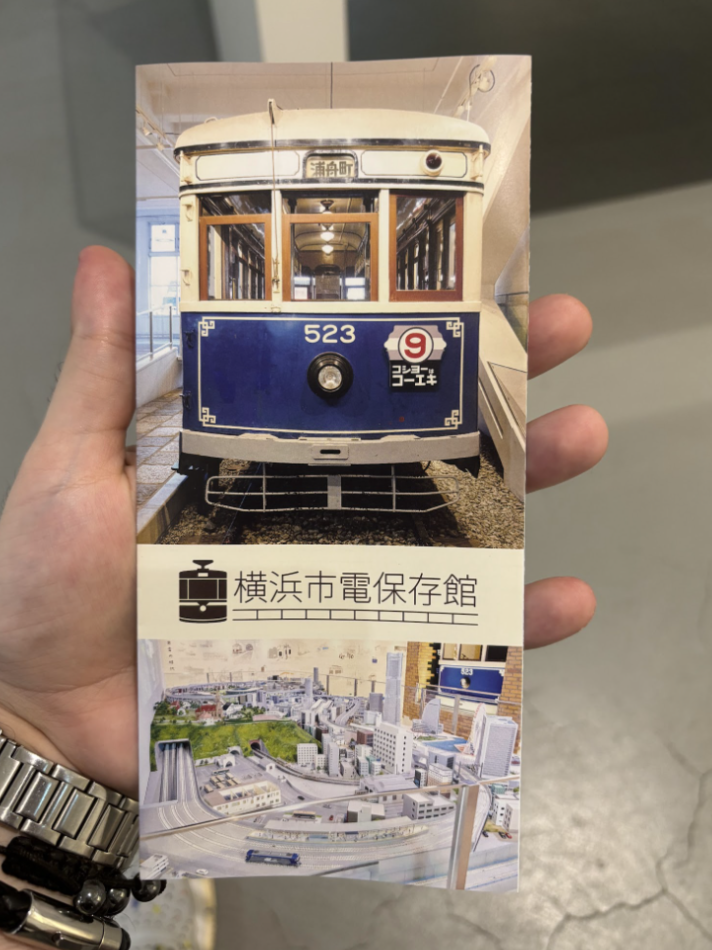
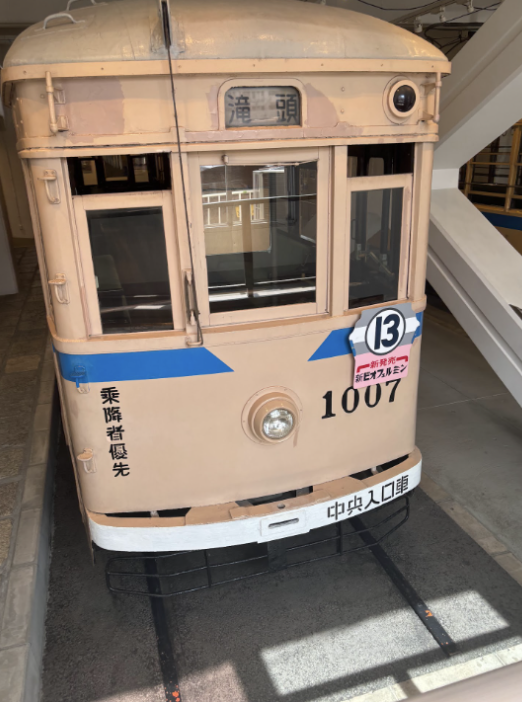
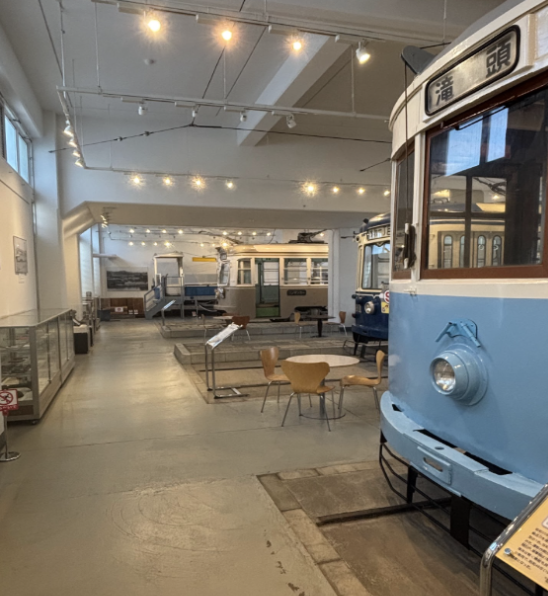
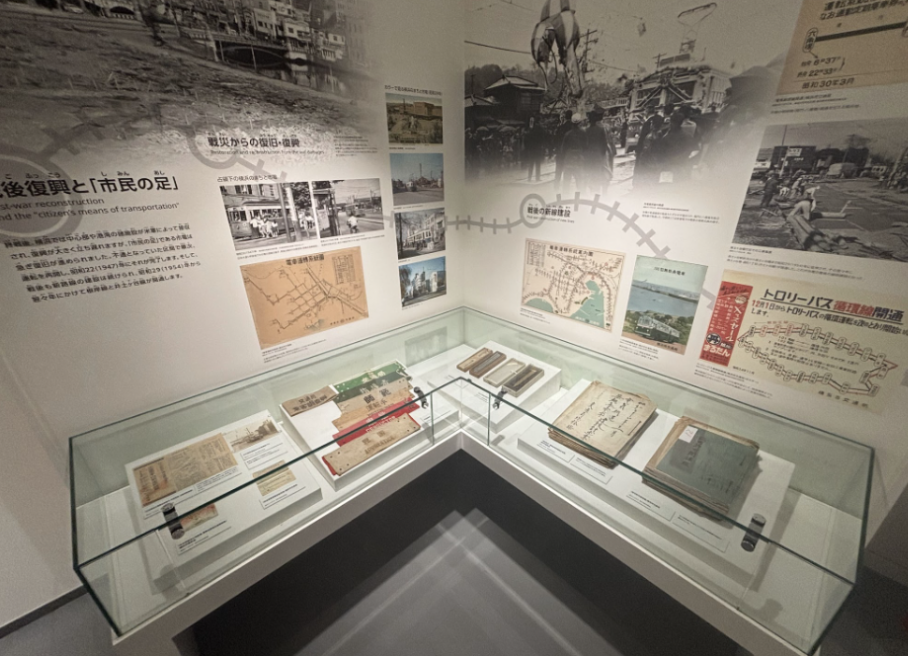
Both the Keikyu Museum and the Yokohama tram Museum offer different experiences and are unique in their own ways. The Yokohama Tram Museum focuses on preserving and celebrating the history of Yokohama's municipal streetcar system. Showcasing the vital parts of the city's old public transport network that was around from 1904-1972. It has nearly been 70 years of history. The Yokohama Tram museum shows this through various exhibits. On display in the first main room of the museum are 7 fully restored streetcars. Visitors have the opportunity to climb aboard each on and sit inside the carts and even on the drivers seat. The museum also has a model train system and has a display showcasing a large detailed mini layout of the city with moving trains and much more.
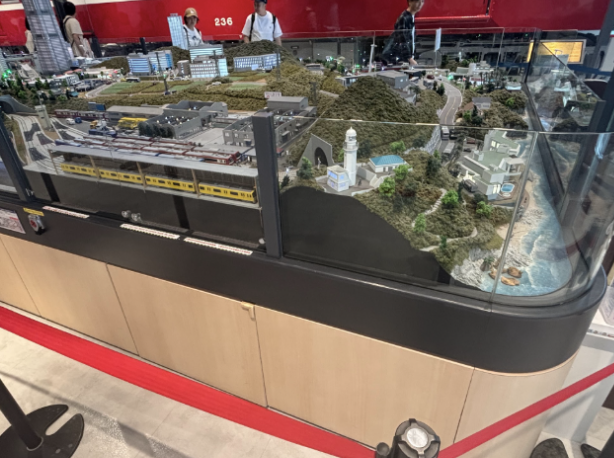
The Yokohama tram museum is located in the Takigashira, Isogo Ward Yokohama and being opened since 1973 gives you years of history. On the other hand, the Keikyu Museum located in Kanagawa, Nishi Ward, Yokohama offers a different experience. With this museum first opening in 2020 it showcases more to the Keihin Electric Express Railway than Trams. The Keikyu also has on display a large 12-meter railway diorama with interactive trans and bus driving simulators.
What is unique or interactive about the museums?
Yokohama Tram Museum hosts 3 main interactive exhibits. The first one is the ability to walk into the restored trams and experience what it is like to sit on board streetcars from the 1920s to 1950s. The second interactive exhibit is the Diorama. The way this is interactive is through paying a small fee of 100 yen and you will be able to control and drive around the diorama using certain model trains and streetcars. The third main interactive exhibit is the subway and tram simulator. This experience is a computer based simulator where visitors can take control of trams and be the tram conductor. Experience what it's like to drive through 1960 Yokohama.
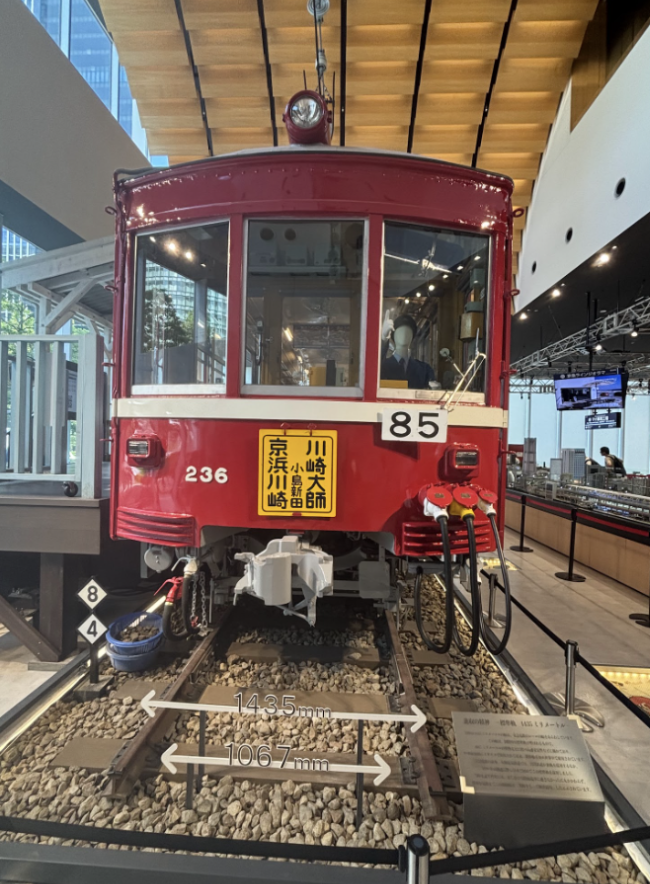
The Keikyu Museum also provides chances to take part in interactive displays. Like the Tram Museum you can operate a diorama with a real 800-form train control stand while viewing video from a front-car camera for only 100 yen. There is also an opportunity that requires a small fee and an online reservation where you can use a real driver's can from the new Keikyu 1000 series train and run a simulation that is linked with live action videos. Both museums' interactive exhibits are perfect for children. They give great opportunities for kids to experience what it is like to be a driver of one of these trains or trams. Especially as they can get hands on with what it would be like driving trains around a diorama. Furthermore, typically younger children are most younger children would be into trains so this will provide a great day out for them.
The most interesting things in each of the train museums?
For us the most interesting exhibits from each museum are based on what surprised us the most and what we felt were the exhibits that stood out the most. The 7 fully restored trams in the first room would have to be the biggest highlight of the Yokohama Tram Museum. The impact of seeing trams that date back to the early 1900s is definitely something that has an impact on us. Being able to compare how public transport like trains are designed now and the early trams can really make visitors appreciate how far we have come in transport but can still see a massive resemblance of how trams used to look and how most trains in Japan look today.
With the Keikyu Museum, we would suggest paying close attention to the diorama display. Even if you do not take part in the driving around in trains part of the display, the detail that went into it goes to show how much people care about this part of Japan's history. The diorama features miniature models of landmarks from Shinagawa down to the Miura Peninsula. Including recognizable Yokohama buildings as well as Haneda Airport. The display is about 12 meters in length, so younger children may find it difficult to be able to view the entire display.
Who should visit the train museums?
It will be easy to say that these museums are for those who class themselves as train enthusiasts and yes that is completely true but we believe that the experience can reach more than that. We believe that if you are interested in the development of Japan and the structure of how Japan operates, this would be a very pleasant experience for you as well. Seeing the chance of the streetcars to what now replaced them with the trains and metro systems showcases how advanced Japan has become. If you are someone who is also into architecture then you would be fascinated by the Yokohama Tram Museum because the museum is built and integrated with the Takigashira Bus Depot and Garage. Seeing how both buildings connect to one and other and knowing the age of the building can really make visitors appreciate how long this museum has been running.
What type of language support do both museums have?
Unfortunately the Yokohama Tram Museum offers very limited support from foreign languages. Most exhibits, panels and historical information are provided only in Japanese. This includes no audio tours and pamphlets also are only in Japanese. There is also very little support for members of the public who are visually impaired. With no braille materials or audio guidance this will make it hard for those to explore and experience the museum.
The Keikyu Museum also offers very limited foreign language support. With all of the displays and exhibits being in Japanese. The only real support for English is the train simulator with basic English operational prompts/interface support. With no dedicated English printer pamphlets visitors that don't speak English would have to rely on translation apps. The same can be said for the visually impaired. With no dedicated audio tour.
Are the museums accessible?
Both museums are accessible for wheelchair users. The Yokohama Tram Museum does offers basic features to help out disabled visitors like ramps down on the flooring where you can get a closer look at the trams. In addition to this the rest of the museum is on one floor so you do not need to worry about planning your journey in terms of finding an elevator and the location of it. Plus, for disabled visitors entry is free for one caregiver upon showing a disability certificate. There are restrooms for people with a disability. With plenty of seating around the layout of the museum if visitors need to sit. The museum also offers wheelchair rentals if it is required.
The Keikyu Museum is also very accessible and easy for visitors with disabilities. With the majority of the museum being a flat one floor museum. However the walkways around the diorama can be tight especially when it gets busy. And with a free entry system the chances of not being more busy are higher. With there only being one set of stairs within the museum and that to access the historic Deha 230 train carriage, there is a mobile wheelchair lift available. Restrooms are also available on site with one of them being universal restrooms.
Are there food options for visitors with dietary restrictions?
Both museums unfortunately do not have food options within the museums. With the exception of the Yokohama Museum, there are vending machines that offer a range of drinks if they are required. We suggest that you plan time for eating around the museum with most people either sourcing from local convenience stores or bringing their own.
About TokudAw
We think if you want to understand more about how the general public use transport and have done for many years then these museums should be on that list. They help express the development and infrastructure of Japan when it comes to public transport. Which in Japanese culture has been trains for over 150 years. We want to offer visitors to Japan opportunities to get an understanding of the culture and traditions of not just the past but also the present. Going and visiting these museums definitely shows that.
FAQs
What are the prices for the museums?
The Yokohama Tram museum has a range of prices depending on age such as the following:
Adults (High School Students and Older): 300 yen
Seniors (Ages 65 and Older): 200 yen
Children (Ages 3 to Junior High School Students): 100 yen
Disability Certificate Holders and Companion: Free
However the Keikyu Museum has a different approach for their visitors with it being a free entry to the museum but having to pay for individual experiences such as :
Train Simulator (Railroad Simulation): ¥500 per session (approx. 5–7 minutes, advance online reservation required)
My Vehicle / Train Factory (Craft Workshop): ¥1,000 per session (advance online reservation required)
Diorama Operation (Model Train Operation): ¥100 for a 3-minute turn (subject to availability/first-come, first-served)
Where are the museums located?
Yokohama Tram museum is located:
On the ground floor of a municipal apartment and housing complex that was built directly adjacent to the active Takigashira Bus Garage. Takigashira, Isogo Ward, Yokohama City.
Keikyu Museum is located:
The Keikyu Group headquarters bottom floor. Kanagawa, Nishi Ward, Yokohama.
What are the hours of operation for the park and museum?
The Yokohama Museum is open everyday apart from Wednesdays and Thursdays with the times being 10.00am - 4.00pm with last entries being allowed in at 3.30pm. However on weekends, holidays and summer vacations timing changes to 9.30am - 5.00pm with the last entry being 4.30pm.
Keijyu museum runs from 10.00am - 5.00pm with last entries being at 4.30pm however the museum is closed every Tuesday or the following day if Tuesday is a national holiday.
What else is there to do nearby?
There are plenty of other things to go and see around the Keikyu Museum. There is the Hara Model Railway Museum where you can see a massive collection of model trains and is host to one of the largest railway dioramas in the world as well as the Yokohama Anpanman Children's Museum. Here there are interactive exhibits, shops and themed bakeries based on popular animated characters. More aimed at children rather than adults.
Whereas with the Yokohama museum, you can be presented with shrines and temples such as Okamura Tenmangu Shrine. A local shrine featuring a striking vermilion-lacquered second torii gate and unique stone arrangements. Or the Hoshaku-ji Temple, a quiet, historical local Buddhist temple with surrounding green spaces.