
Neurodivergent Travel
Travel with comfort
Intuitive travel designed for all types of explorers.

We focus on the details that matter: sensory-friendly transport, predictable transitions, and communication that works for you.
WHO WE SUPPORTTravel that anticipates your needs
TokudAw specializes in creating a smooth, low-friction experience for Japan travel. We adapt our full suite of logistical expertise to support neurodivergent travelers — from managing sensory input to guaranteeing predictable schedules and providing clear, English-led communication. You're invited to share your preferences with us, so we can align the logistics of your journey with your individual needs. Travel should be built around the person: Japan, accessible, comfortable, and entirely on your terms.
Planning for time to process emotions, reduce sensory overload, and incorporate private space.
Managing potential anxiety, emotional bouts, forgetfulness, and fatigue with structured support.
Combining support strategies for both Autism and ADHD.
Acknowledging the experience of intrusive fears, anxiety, and the need for reassurance.
Providing assistance with language processing, spelling, and organization.
BEFORE YOU TRAVEL
Preparation & setting expectations
Reducing anxiety begins before you leave. Strategic pre-trip planning means you have all the information and tools needed to feel comfortable with your journey:
Pre-trip preview — We share a video of the type of vehicle that will pick you up.
Comprehensive confirmation — If helpful, we can send the expected weather, a reminder packing list (including a comfort item), a detailed itinerary, and an emergency plan.
Medication guidance — Some common neurodiversity medications are not allowed into Japan without proper documentation. We advise you on the necessary procedures before your trip. Helpful resources: ANA's Guide for Adults with Disabilities (PDF) · ANA's Guide for Kids with Disabilities (PDF)
Visual identity — Information on the Sunflower Lanyard as a discreet visual identifier, if desired.
During your journeySensory & communication support, on the road
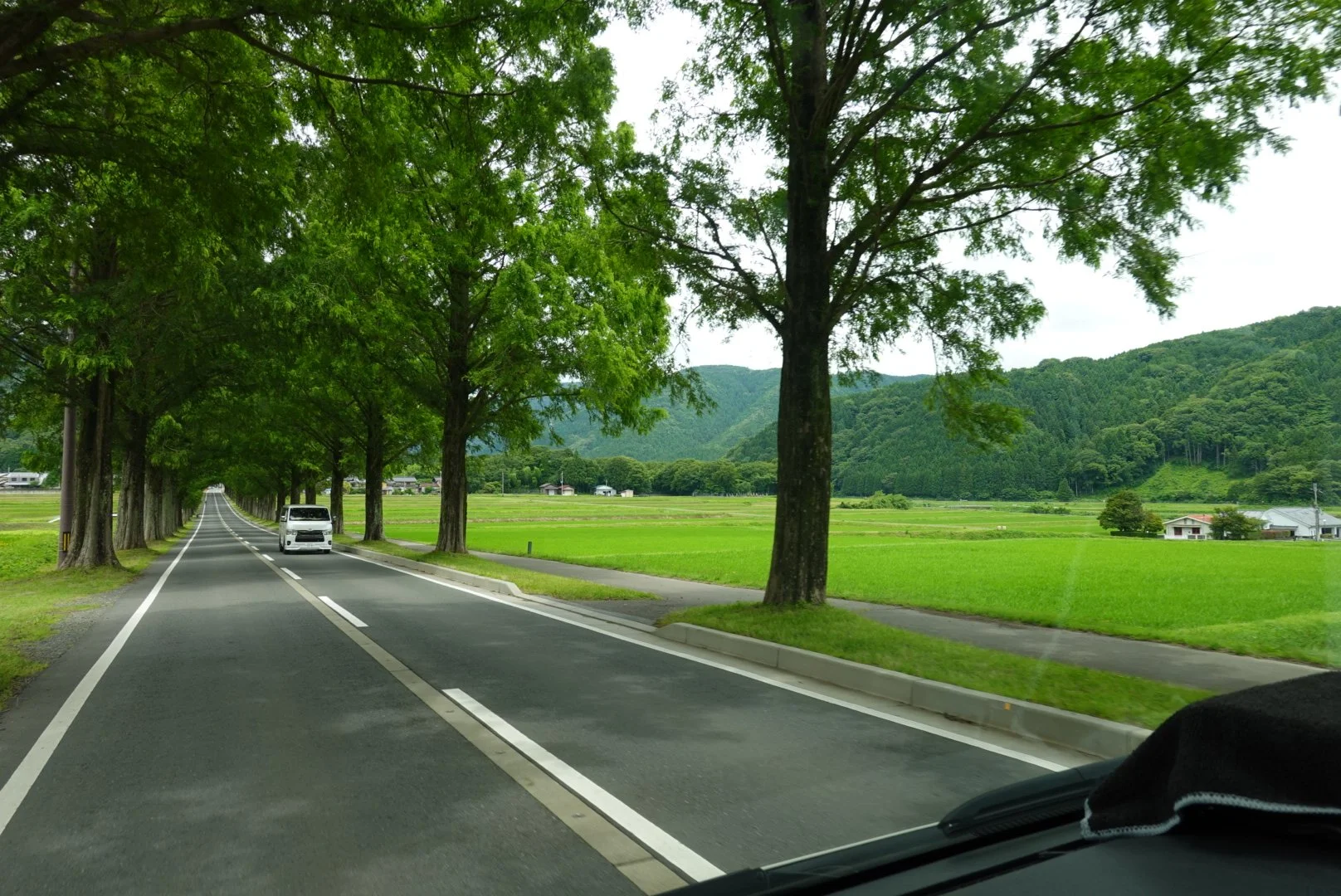
Our vehicles and staff are equipped to manage sensory input and keep communication clear throughout your trip:
Sensory management — Noise-canceling headphones and earplugs are available on request for crowded or noisy settings. Also available beforehand: sunglasses, eye masks, weighted blankets, lotion, putty, scented lip balm, and stress balls.
Food comfort — Vehicles are stocked with snacks, sweets in various textures, chewing gum, and hydration beverages, accommodating varying food sensitivities and comfort foods.
Essentials for ADHD — Vans are usually stocked with chargers, straws and cutlery, toiletries, UV umbrellas, cooling towels for the summer, sticky notes, and more.
Communication aids — Vans carry communication cards — feel free to use them to let us know how you feel.
Clear communication — Staff communicate clearly and directly and will clarify information whenever needed. Drivers are trained to support a calm, predictable travel environment.
Trained staff — Drivers and guides receive training focused on inclusive communication, predictable routines, and respectful support.
Proactive breaks — Breaks can be planned ahead, and our drivers are trained to suggest alternative, fun places to rest during the day.
PLANNING AROUND JAPANCommon challenges — and how we help
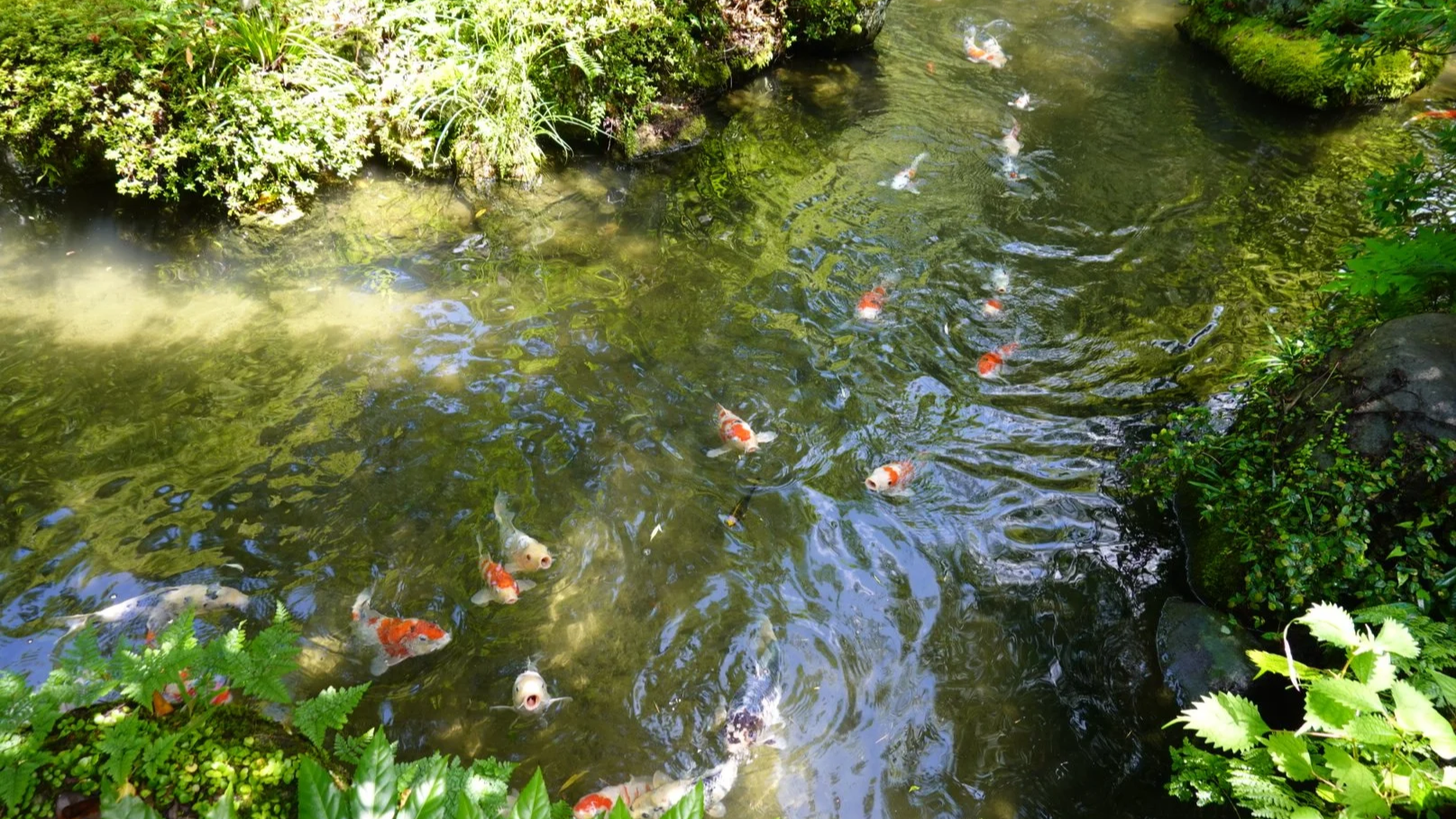
Japan offers many appealing qualities for neurodivergent travelers — order, quiet, predictability — but certain environmental and cultural factors can be challenging. We address these proactively:
Noise & overload — Environments like Shibuya Crossing or busy shopping areas can be overwhelming. We offer sensory maps for crowded places to identify quiet escapes, and suggest smaller, curated experiences over the major "big places."
Unfamiliarity & scent — We manage comfort levels, from food-smell sensitivities to navigating areas with triggers like cigarette smoke.
Stress & rules — We encourage mindfulness and celebrate small wins, helping guests navigate Japan's rules and protocol so etiquette never becomes a source of worry.
Lights — For light sensitivity, we advise on avoiding overly bright areas like Ginza, and help with in-room distractions such as flashing sensors.
Fatigue — We integrate rest periods, knowing public resting spaces are not always available.
Understanding food — We help guests know what's in each meal, using visual aids like food models and mobile ordering — and, when preferred, audio explanations.
COMFORT & WELLBEINGA focus on wellbeing
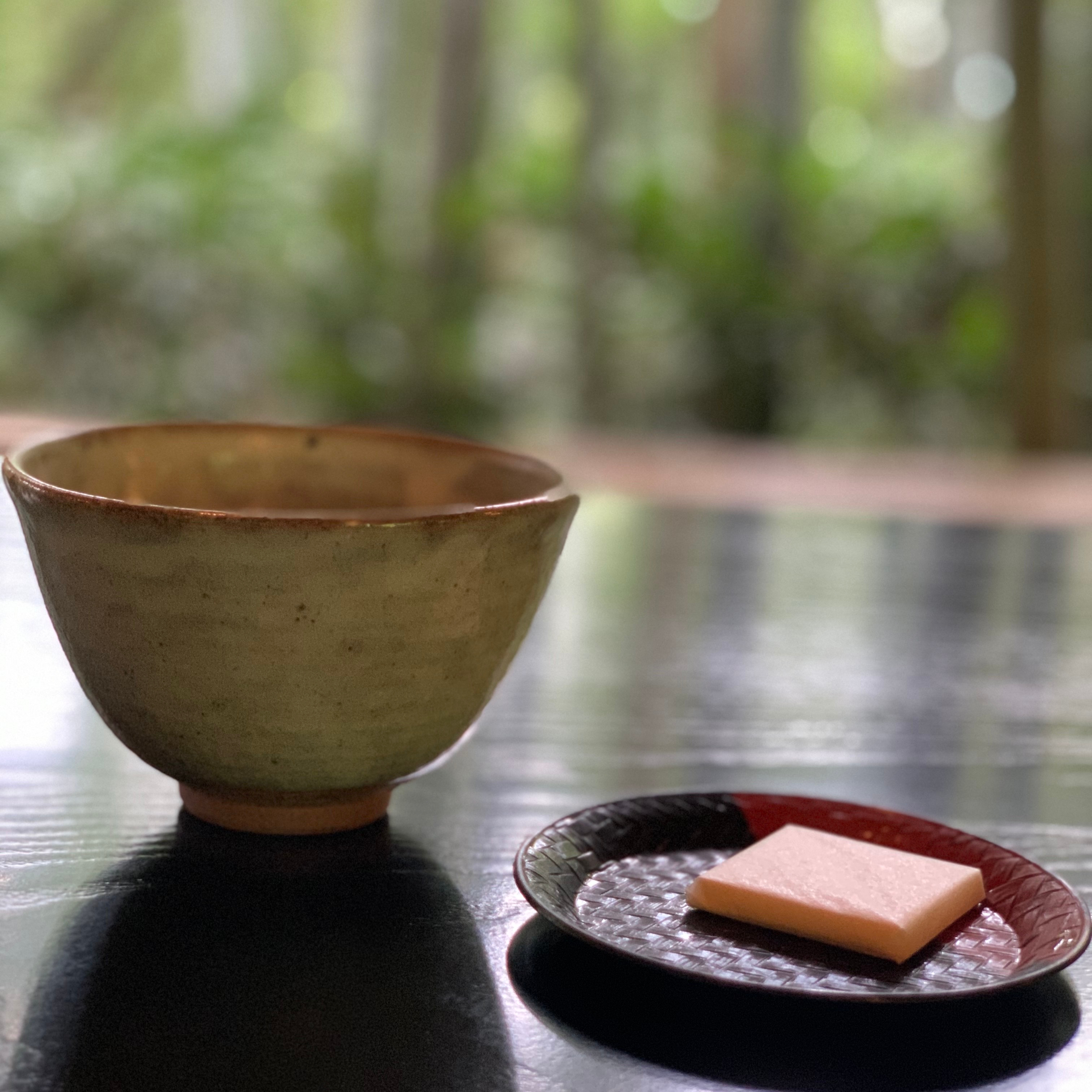
Some travelers find that regular meals and familiar foods help them feel more comfortable and focused while traveling. Where helpful, we can assist with planning meals or sourcing snacks that align with your preferences — supporting access to foods you already know you tolerate well, offering lower-sugar or no-added-sugar options, and staying mindful of common food sensitivities and dietary preferences wherever possible.
Traveling with mobility or other accessibility needs as well?
Visit our Accessible Private Tours page — many guests combine both services.
Start Planning
Let's design your accessible Japan