
Travelling Safely in Japan: A Guide by TokudAw
Japan is known for being a safe and welcoming destination for families, students, and tourist groups. But even in a safe country, unexpected situations can happen. Knowing what to do and knowing that you have support can make all the difference.
Japan is also a country where earthquakes, typhoons, heavy rain, volcanic activity, and other natural events can occur. The Japan National Tourism Organization recommends that visitors understand basic emergency procedures and stay informed during their trip.
When you’re travelling in a foreign country in which you are not familiar with the roads or the language, safety is about more than simply avoiding danger. It is about preparation, communication, clear procedures, and having people you can rely on when something doesn't go according to plan.
At TokudAw, we take the safety and wellbeing of our customers seriously. Whether it is feeling unwell, a lost passport, a delayed train, or an unexpected earthquake, our goal is to make sure you have the information and support you need throughout your time in Japan.
What Should You Do in an Emergency in Japan?
If something goes wrong during your trip, staying calm and knowing the appropriate response can help you act quickly.
Here are some of the most common situations you may encounter.
1. Medical Emergencies
Source: Unsplash
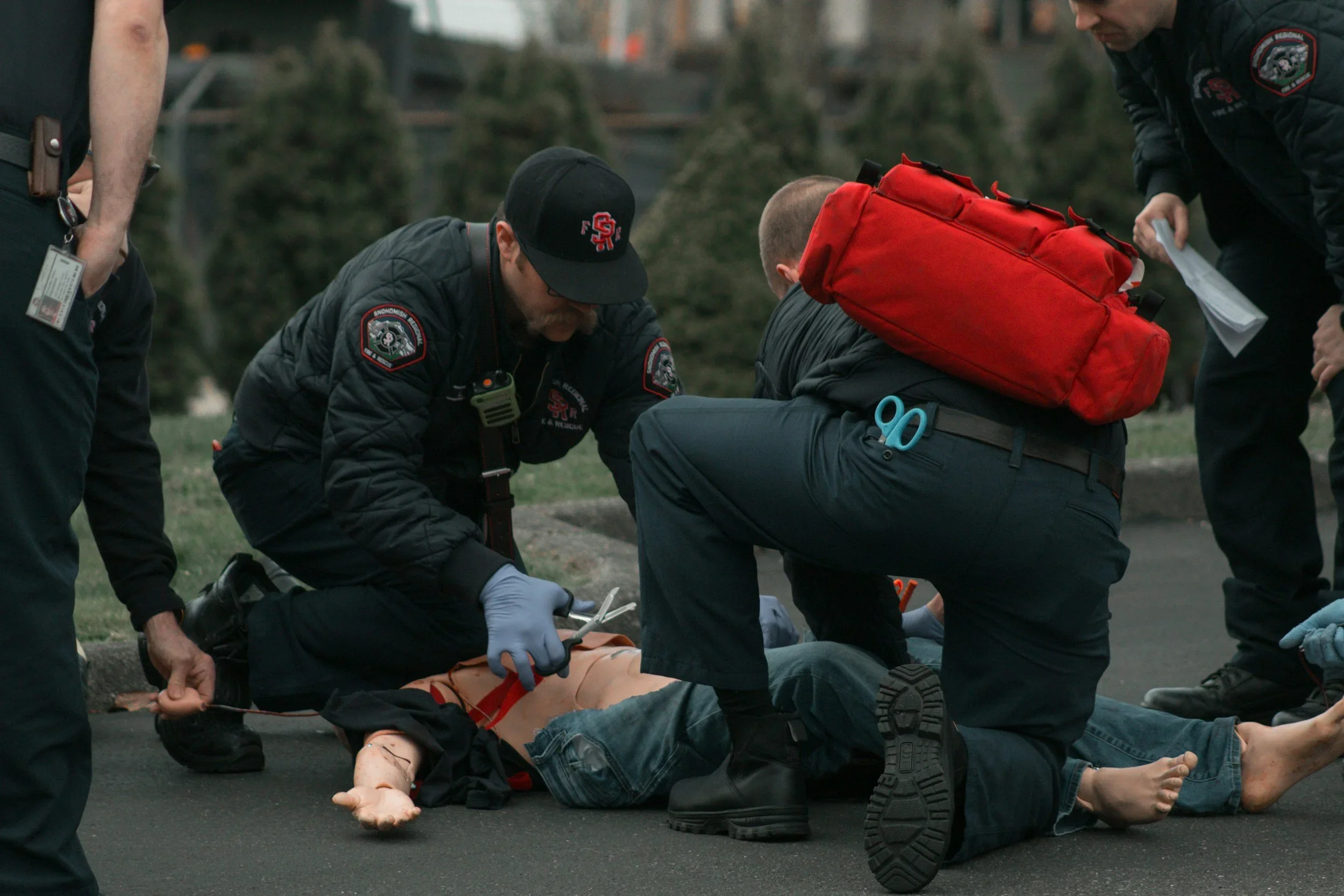
Being sick in a foreign country could be particularly stressful when you are travelling overseas.
This could range from a minor illness to something requiring urgent medical attention, such as:
An allergic reaction
Asthma or breathing difficulties
A serious injury
Food poisoning or severe illness
Dehydration or heat-related illness
A high fever
An accident
Thus, it is important to know Japan’s emergency numbers. For an immediate medical emergency, call 119 for an ambulance.
When calling 119, you may be asked whether the situation is a medical emergency or a fire, where you are located, what has happened, the symptoms or condition of the person, and your contact information.
Emergency numbers to remember:
🚑 Ambulance / Fire = 119
👮 Police = 110
🌊 Japan Coast Guard = 118
If you are travelling to Japan and had an unfortunate accident such as an injury while skiing japan’s legendary japow, it is also important to remember these centers that takes travel insurance:
Tokyo area:
Ski areas:
However, it is important to contact the insurance company ahead of time to ensure they can cover the visit.
JNTO also operates the Japan Visitor Hotline 24 hours a day, 365 days a year, providing assistance to visitors in English, Chinese, and Korean.
Japan Visitor Hotline: 050-3816-2787
For non-emergency medical needs, visitors can seek assistance locating an appropriate medical institution. JNTO also provides information about finding medical facilities and obtaining medical assistance in Japan.
2. Transportation and Logistics Problems
Source: Unsplash
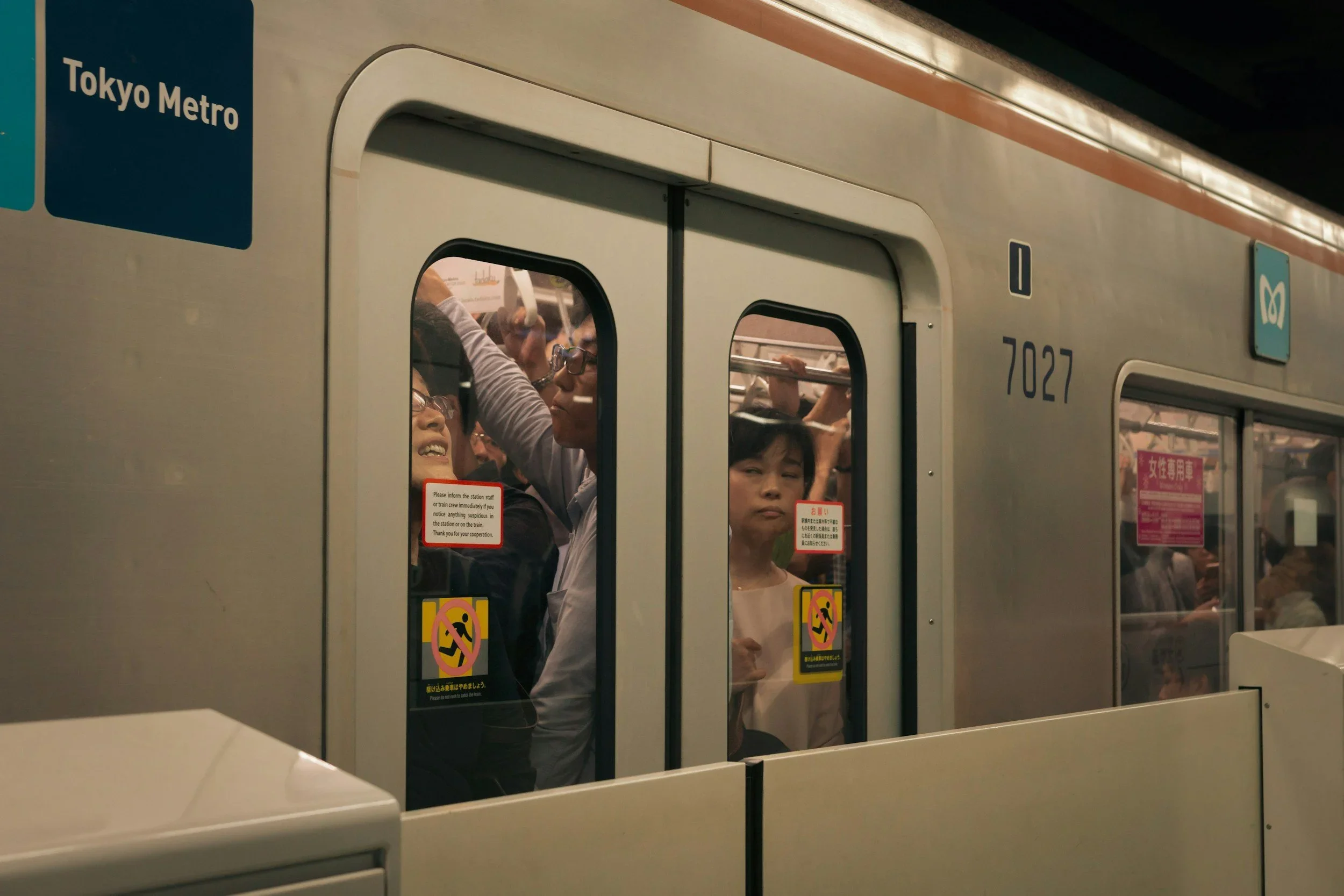
Japan’s transportation system is extensive and efficient, but navigating a new country with a large group can still present challenges.
You might encounter:
A member of your group becoming separated
A missed train
A delayed or cancelled service
Getting lost
Difficulty communicating with transportation staff
An unexpected change to your itinerary
The most important thing in such a situation is not to panic.
A way you can mitigate them is through having clear meeting points and communication procedures established before travelling. Moreover, for big groups, having a person in charge that can be contacted in dire times would be a great option as well.
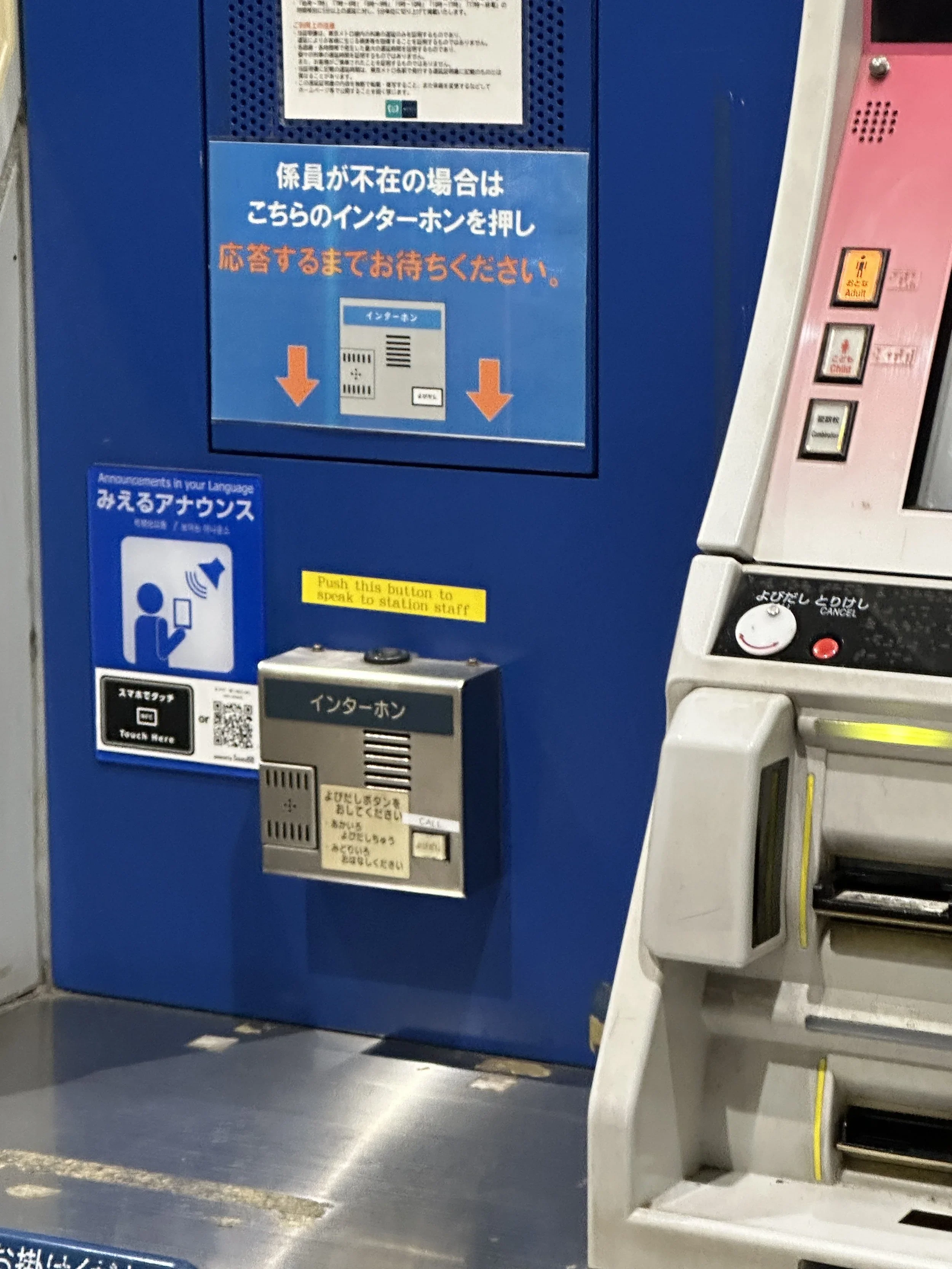
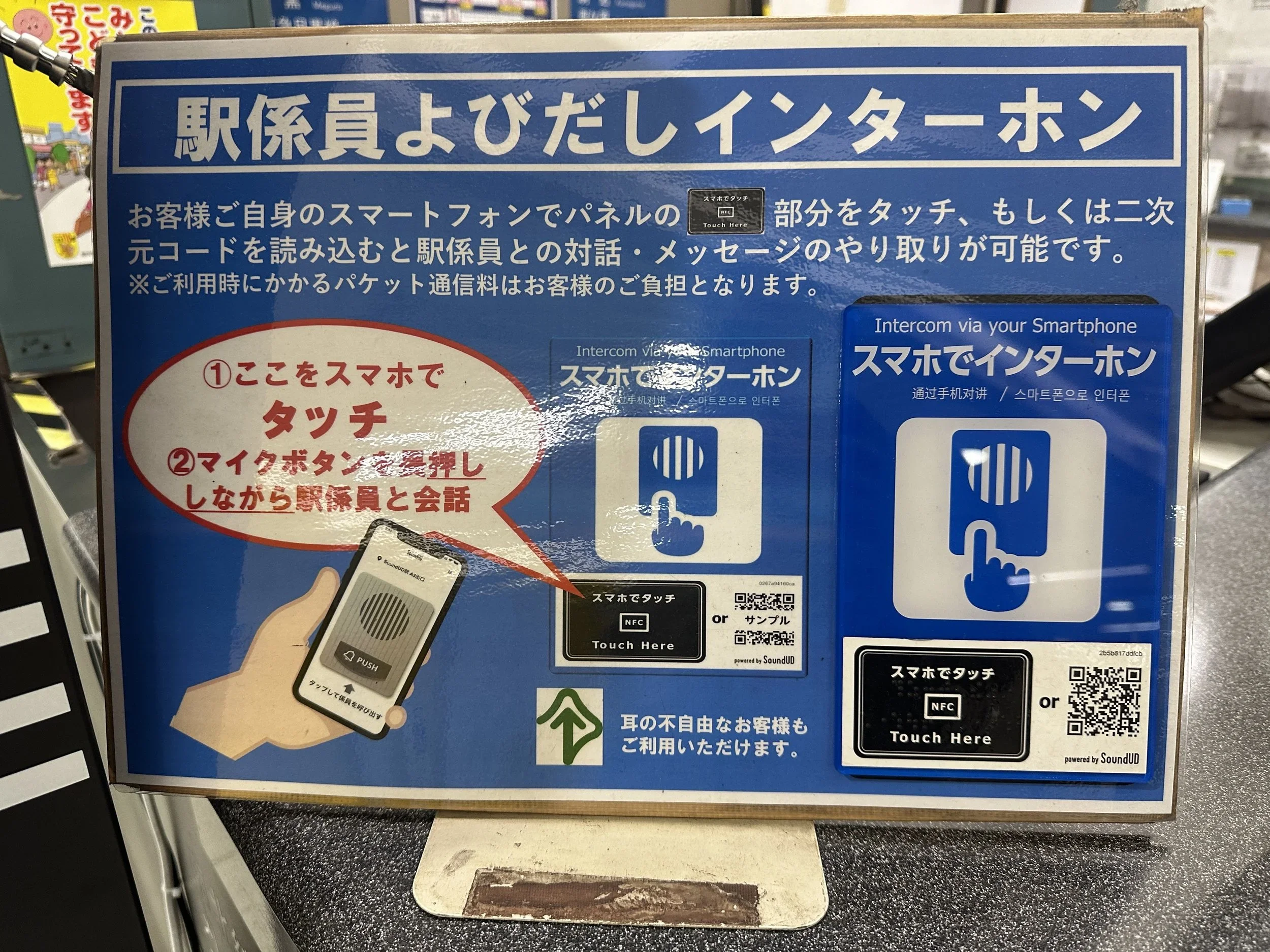
In cases that you have issues with the transit card or app, the best course of action would be:
Locate the nearest booth with a staff, if possible.
If there is no booth as so, locate the speaker device, typically near the ticket gates, to speak to the staff. Some stations will also have a telephone nearby the gates that you simply pick up.
Some staff may not be able to assist with English so having a translation app with a speaking function is also helpful.
Source: TokudAw Original
Source: TokudAw Original
Some stations may also offer assistance in your language if you are in big or major station in a busy city. However, if you are a bit more outside of the city center, the same situation may not apply.
In situations where the light turns red after tapping the transit card or app, the first step should be to back up, clear the space where you tap your card and try again.
3. Earthquakes and Other Natural Disasters
Japan is a country where visitors should be prepared for the possibility of earthquakes and other natural disasters.
This does not mean you should be afraid of visiting Japan. It simply means that understanding what to do can help you respond appropriately if an event occurs.
During an earthquake:
1. Protect yourself
Protect your head and move away from hazards such as falling objects. If you are in a room with one door access, remember to crack the door open a little so that the door frame is not jammed during the earthquake.
2. Stay calm
Do not immediately rush outside unless instructed to evacuate.
3. Follow instructions
Listen to staff, teachers, guides, transportation personnel, or emergency officials.
4. Be aware of aftershocks and secondary hazards
The danger may not end when the shaking stops.
5. If you are near the coast, be alert to tsunami risk
Following a significant coastal earthquake, move to higher ground if instructed or if tsunami risk is present.
For guests staying in hotels, they commonly provide safeguards in case of earthquakes and other natural disasters, such as:
1. Flashlight.
It is commonly kept near the bed. If the flashlight is mounted near the bed, it should automatically turn on when the power fails.
2. Manual in English about evacuation tips.
Manuals are commonly stored inside the desk or on the door for easier access.
3. Elevator safeguards.
The elevators are programmed to stop at the nearest safe floor and open the doors during natural disasters.
4. Backup power supplies.
Most hotels will have backup power supplies for common areas such as lighting, water, communications, as well as non-perishable food.
For current disaster information, visitors can also use the Japan Safe Travel Information service operated by JNTO.
4. Lost or Stolen Belongings
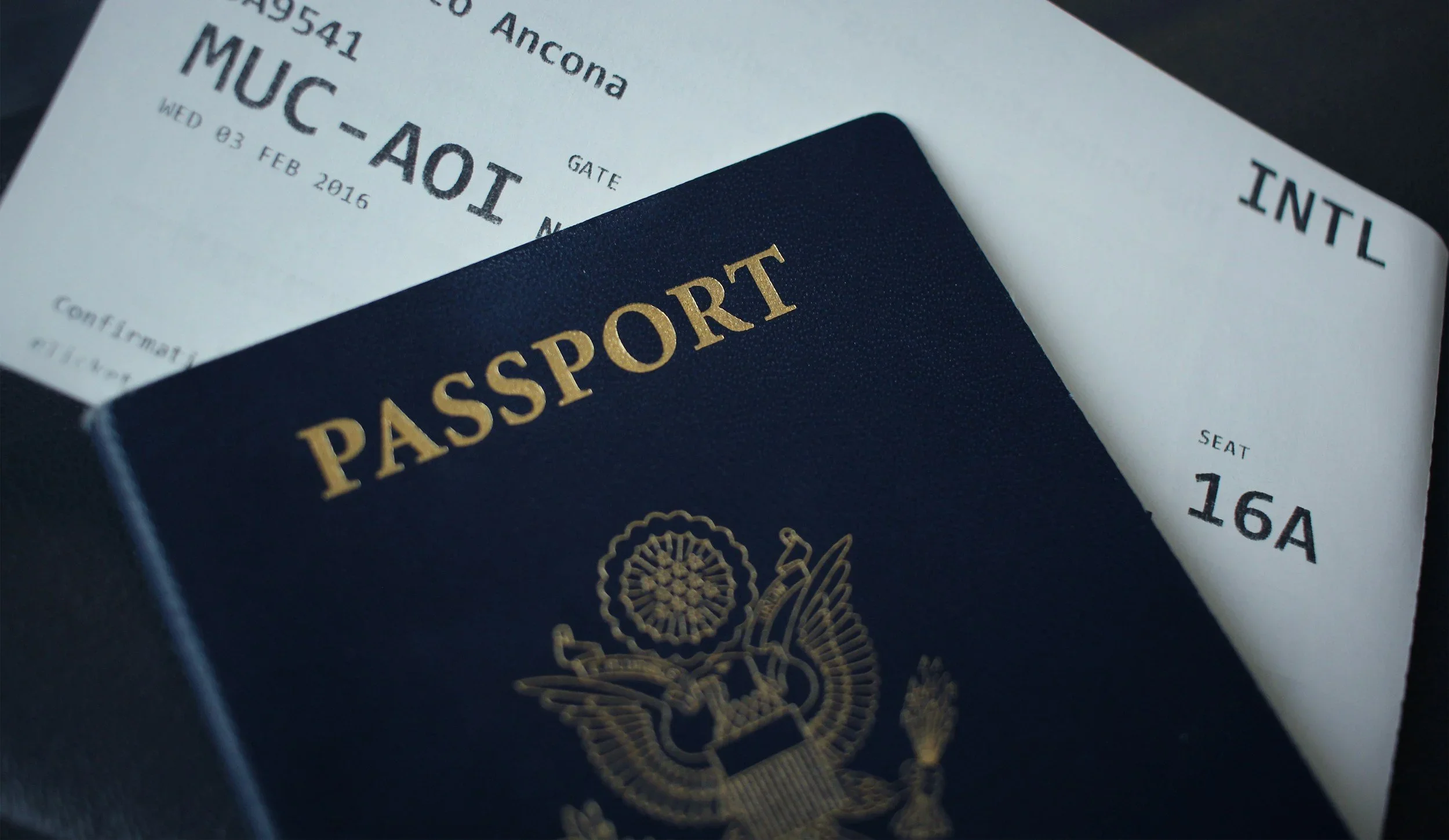
Source: Unsplash
Sometimes the emergency isn’t really an emergency at all, it’s the classic:
“I think I left my phone on the train.” “I lost my passport.”
Lost property can be stressful, especially when you’re in a foreign space and you might not speak the language very well.
If something is lost:
1) Retrace your steps if it is safe to do so.
2) Contract the location or transportation provider where the item was last seen.
3) Ask the nearest police box (koban / 交番) for assistance if appropriate. A koban is a small building usually located on the corner of major intersections throughout Japan. These can be thought of as satellite police stations, as they are open 24 hours a day and support the safety of the neighborhood.
4) For passports, bank cards, or other important documents, contact the relevant authorities or providers.
5) Inform your group leader as soon as possible if you’re travelling in groups.
In case of lost or stolen passport, contact the police (koban / 交番) and your country's embassy or consulate for assistance with replacement travel documents.
JNTO recommends contacting relevant issuers if important travel documents or cards are lost or stolen.
A useful precaution is to keep copies of important documents separately from the originals.
How TokudAw Helps Curates a Safety Travelling for You
At TokudAw, our approach is based on preparation, communication, responsible supervision, and having clear procedures for responding to unexpected situations.
The following are some of the ways our safety approach supports you.
1. Staff Training and Certifications
Our staff are prepared to respond appropriately to situations that may arise while working with children and international visitors.
Depending on the specific TokudAw program and staff member, this may include training or certifications in areas such as:
CPR and first aid
Emergency response
Earthquake and disaster preparedness
Child safety
Accessibility and disability awareness
Supporting travelers with different needs
Training is important because emergencies rarely happen at a convenient time. Having people who know how to respond can make a significant difference.
2. Clear Staff Identification
When travelling with a large group, every member of the group should be able to quickly identify the people who are responsible for supporting them.
TokudAw staff can be identified through clear identification protocols, such as name badges.
3. Insurance and Travel Protection
We encourage our guests to arrange appropriate travel and health insurance before travelling to Japan.
Travel insurance can provide important protection against unexpected circumstances, including medical treatment, trip interruptions, lost belongings, and other covered situations.
4. Child Safety Comes First
Source: TokudAw Original
Source: TokudAw Original
TokudAw cares about creating an environment where children are treated respectfully and appropriately.
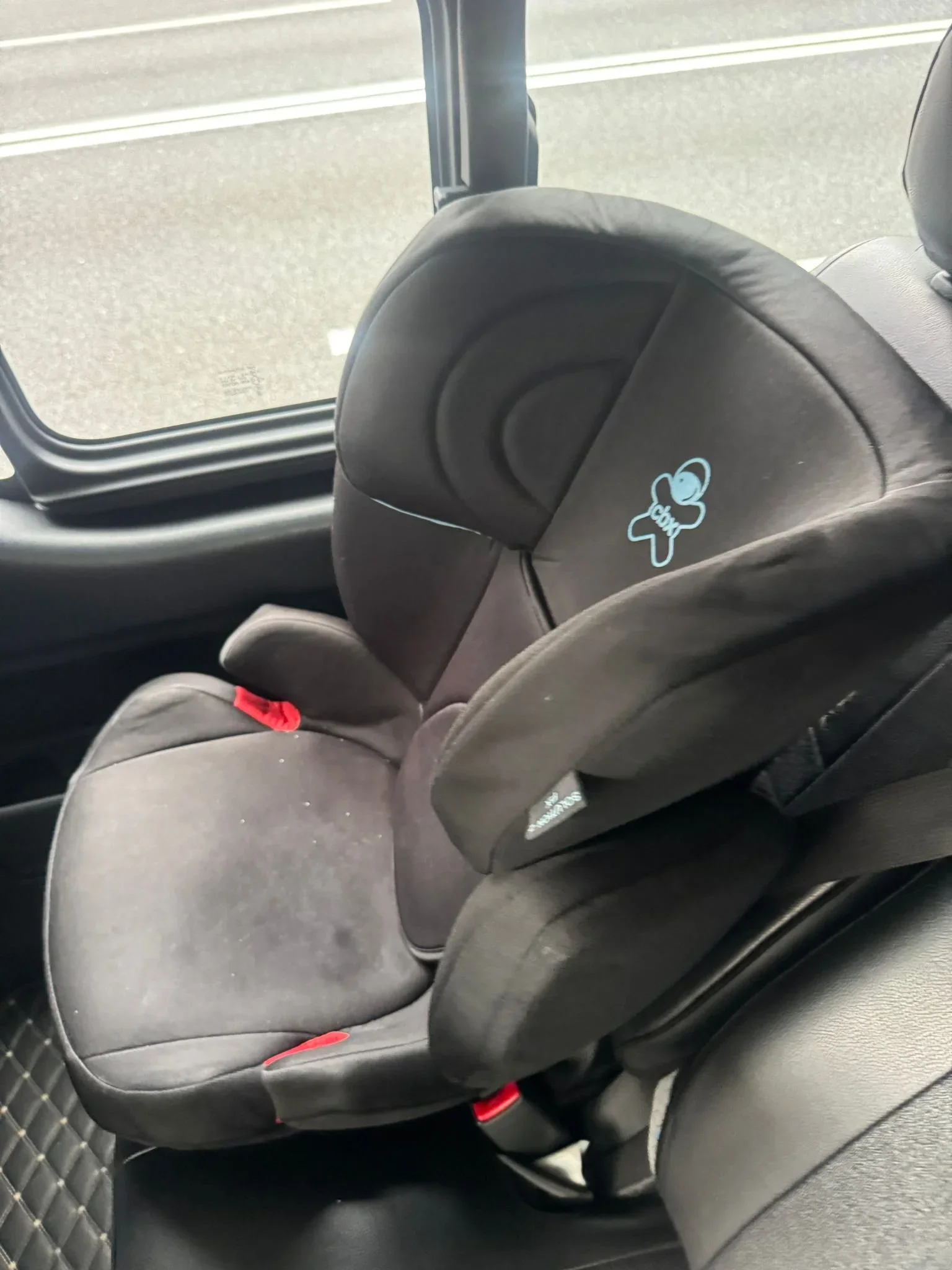
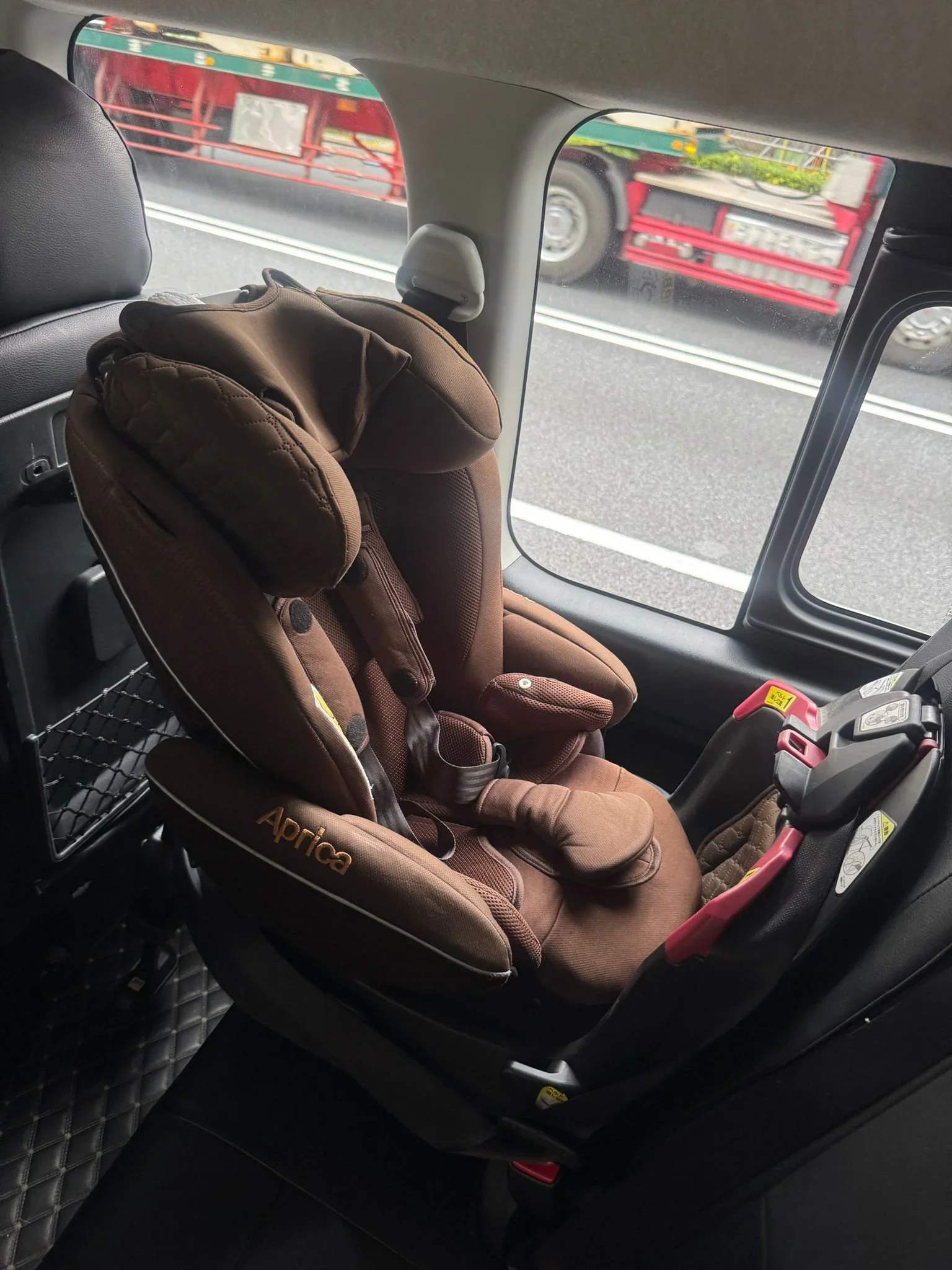
In Japan, car seats are mandatory for children under 6 for private vehicles, not those for commercial use. Many taxis won’t have car seats. TokudAw provides car seats upon request.
Important Tip: know your child’s weight and height so the right car seat can be provided. Be sure to ask how they were disinfected from your provider! TokudAw cleans after every use.
5. Vehicle Safety and Inspections
Transportation is an important part of travelling, which means vehicle safety is a key part of the overall safety plan.
TokudAw vehicles are maintained and inspected according to applicable requirements, with attention given to:
Regular vehicle inspections
Source: TokudAw Original
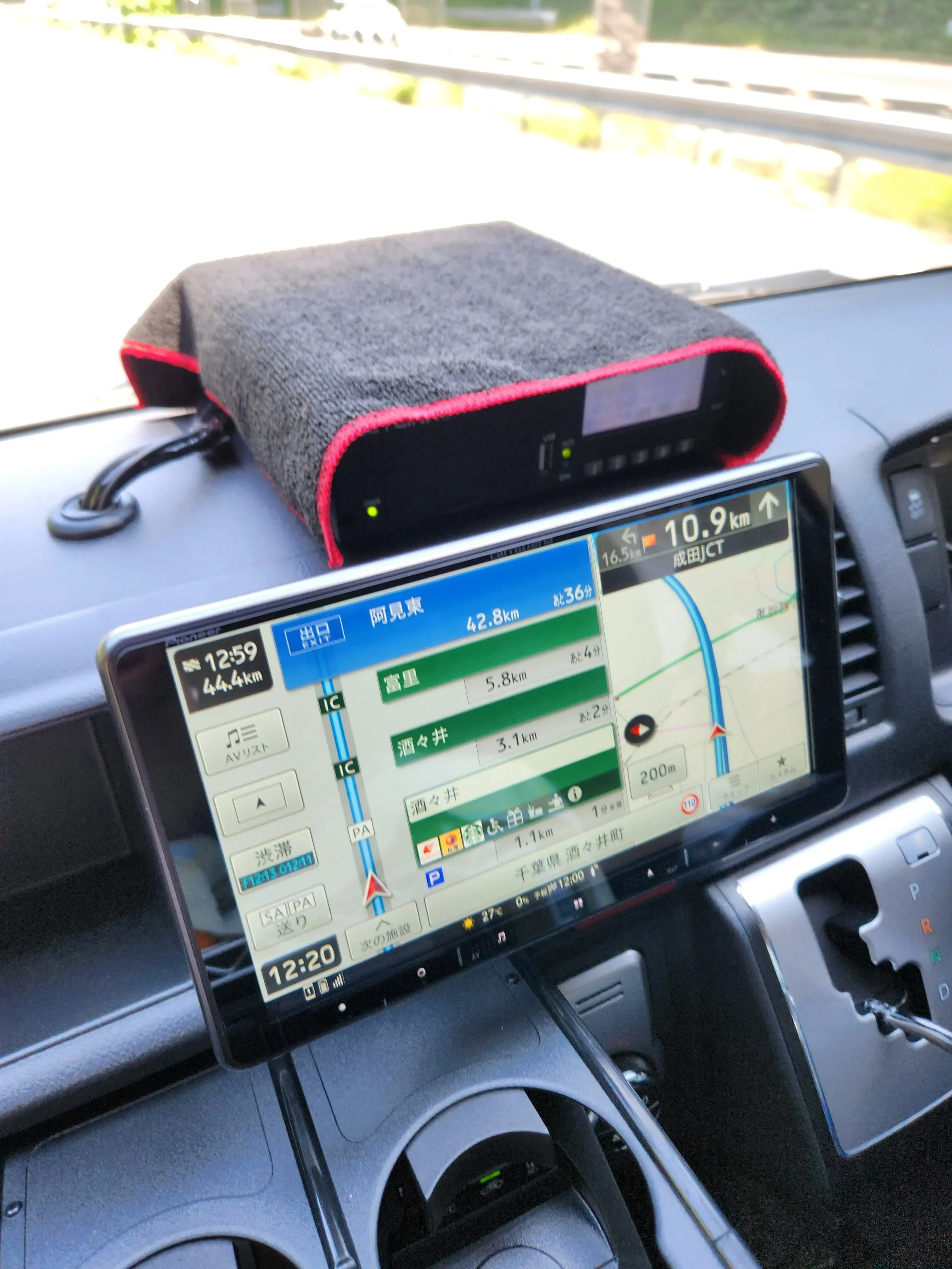
Each of Japan Private Drivers in-house vehicles is monitored through a black box, so we always know where your vehicle is and how the driver is driving.
All of our Japan Private Driver vehicles have been outfitted with SEV technology to enhance the experience of comfort for our guests and staff well-being. This includes: less body movement during turns, softer movement going through bumpy roads, quieter environment, and better air quality.
Driver Requirements
Source: TokudAw Original
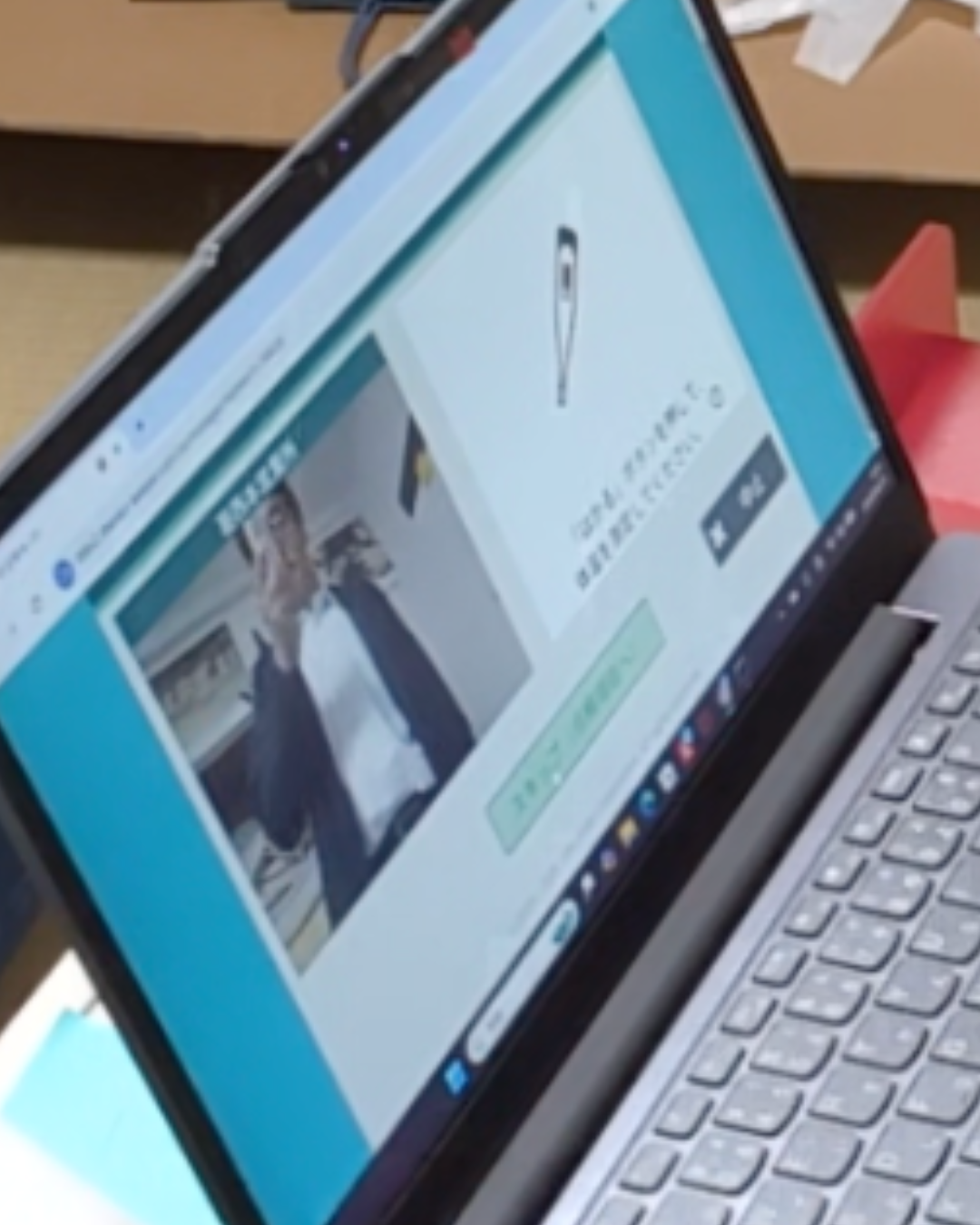
To ensure the health and safety of guests, drivers report temperature, alcohol test results and physical conditions, daily.
We brief the drivers 3 days before the planned route to take place to ensure that drivers had the time to: check the weather forecast on where they are going & what they should be careful of such as narrow routes, width of roads, distance to car park. This could cause route changes in some cases to which they are trained to be prepared for.
Our drivers are local, and paid a rate to ensure a full-time livelihood, and compensation for the entire time it takes to service guests, not just the time they are with guests.
Accessibility
Source: TokudAw Original
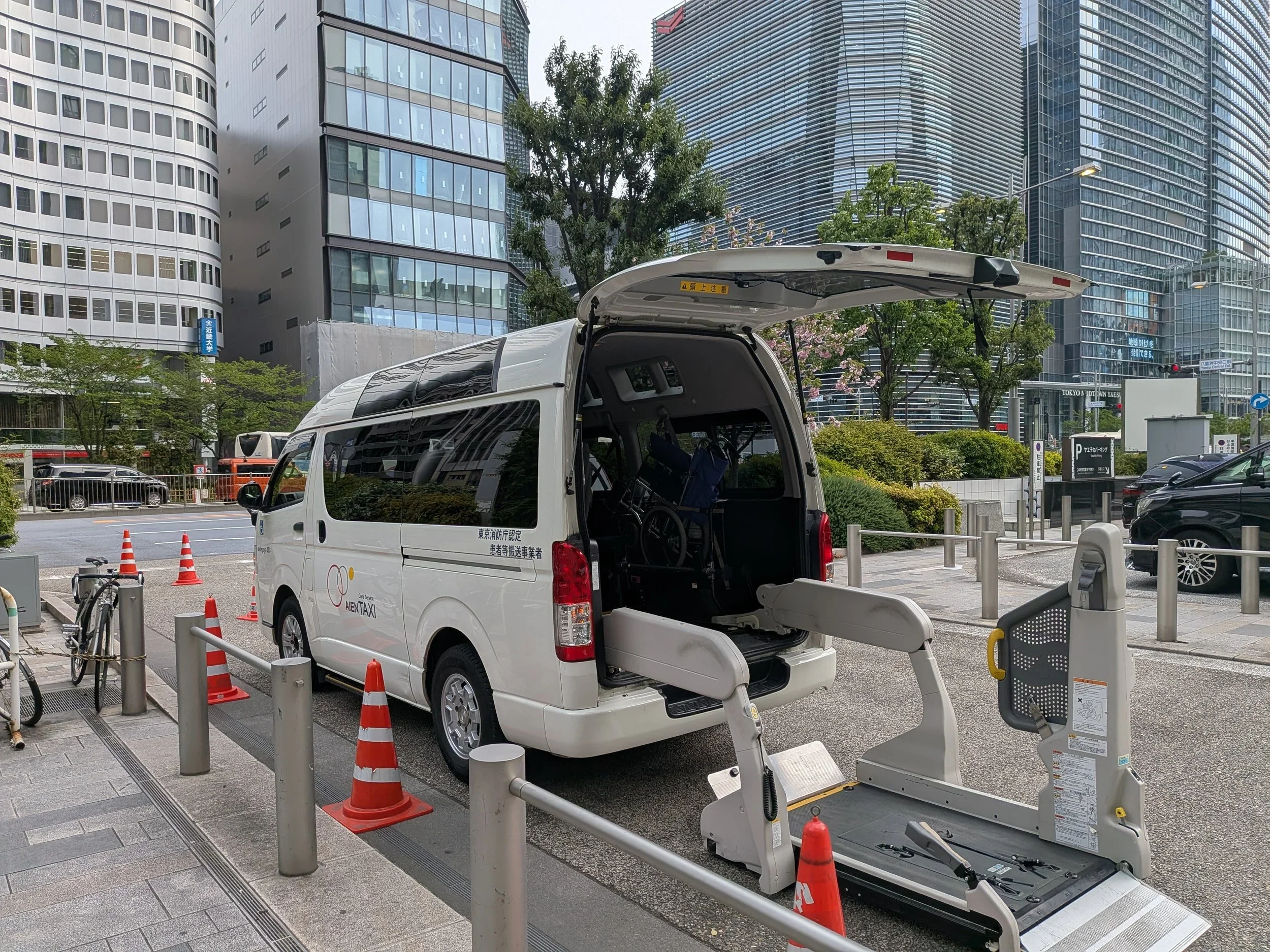
TokudAw vehicles have the capacity of lifts and availability of step ramps for guests with mobility impairments. Our vehicles also double as an emergency car if ever needed.
Important Tip: For extra accessibility, ask if the vehicle is equipped with an oxygen canister and stretcher.
Appropriate group supervision
Tokudaw staff and group leaders help ensure everyone remains appropriately supervised when boarding, travelling, and exiting vehicles.
All passengers are expected to wear their seat belts whenever the vehicle is moving, remain seated, and follow the driver's and staff's safety instructions.
In-vehicle air filtration
Source: TokudAw Original
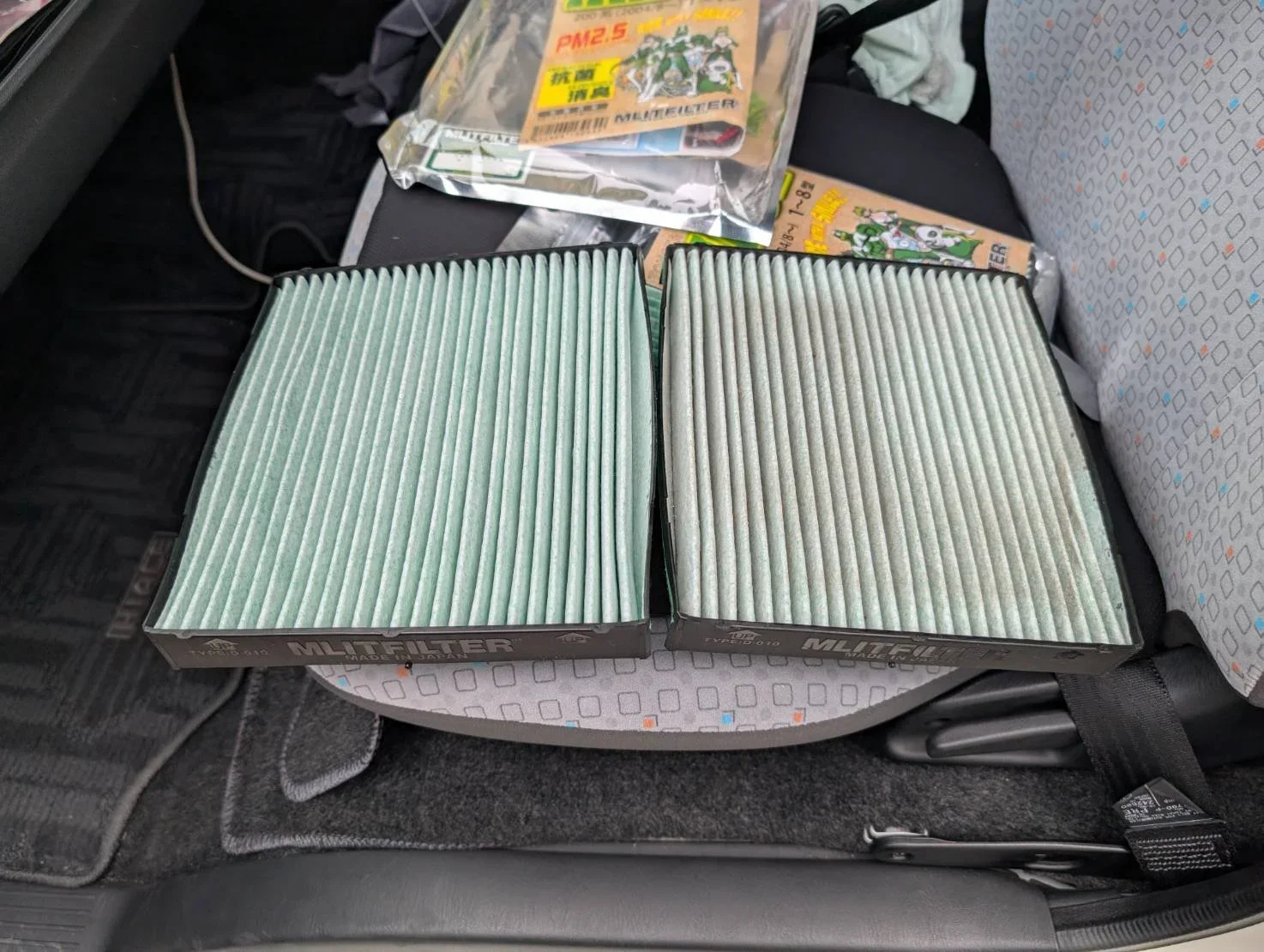
In-vehicle air filtration is present to ensure a clean environment, especially if you are traveling from February-April, when cedar pollen is at its peak. We use PM 2.5um filters in all our vans ro ensure clean air.
6. Communication and 24-Hour Support
Source: Unsplash
Communication is one of the most important parts of staying safe. At TokudAw, we ensure everyone always always knows how to contact the people responsible for supporting their group, whether it is the TokudAw staff or emergency numbers in Japan.
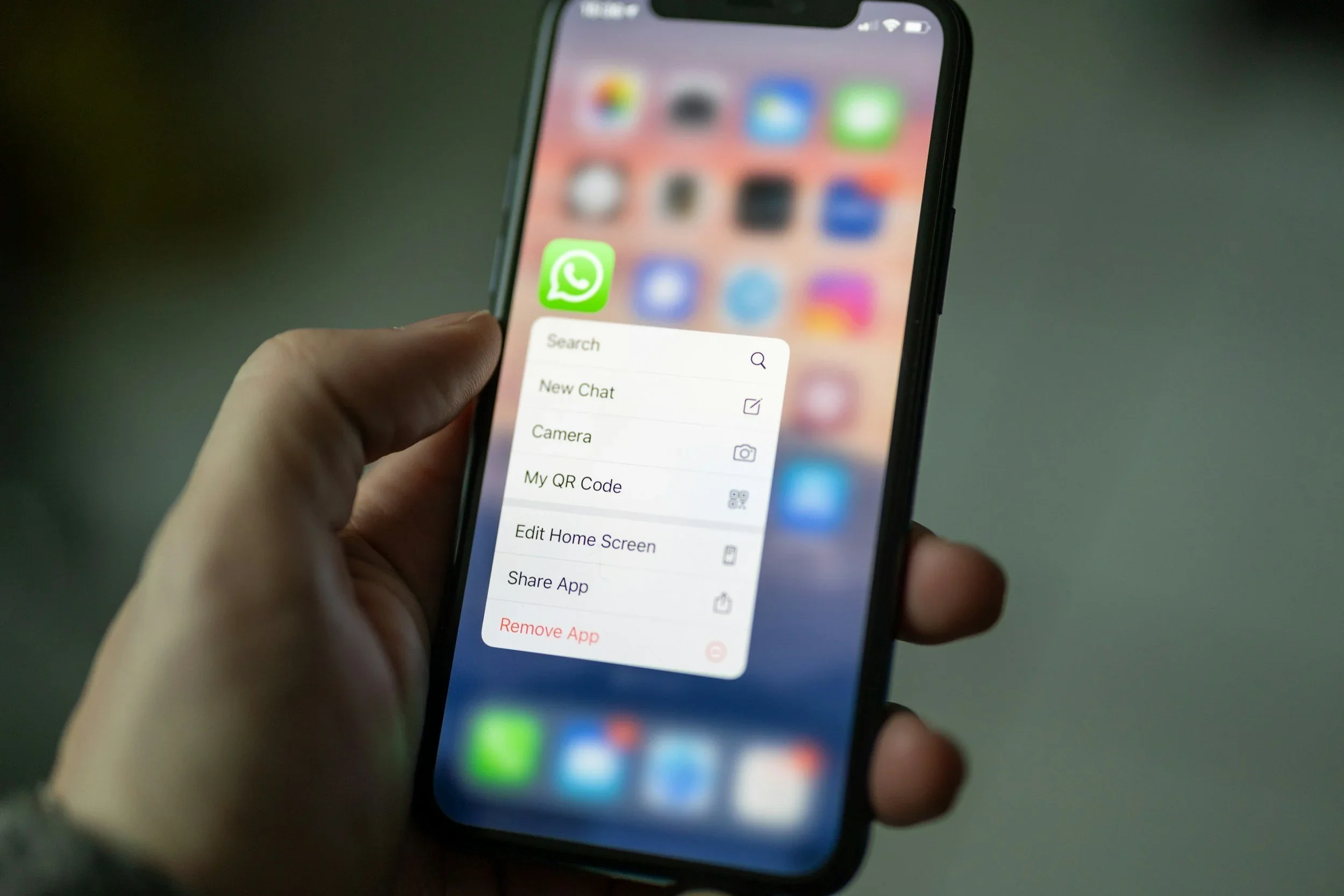
We also arrange a WhatsApp group that contains representatives from TokudAw that can be contacted whether for an emergency or general support while travelling.
FAQs
Is Japan safe to travel with big groups and kids? Yes. Japan is widely considered a safe destination for families and groups. However, unexpected situations can happen anywhere. Being prepared with clear emergency procedures, communication plans, and appropriate supervision helps groups respond calmly if something goes wrong.
What emergency numbers should I know in Japan? For emergencies, call 119 for an ambulance or fire and 110 for the police. It is a good idea to save these numbers before your trip so they are easy to access if needed.
Is travelling in Japan safe with all the earthquakes, tsunamis, and typhoons? Most of the time, yes. Earthquakes, tsunamis, and typhoons could happen any time, but having a plan for if or when they happen in your trip is important. For typhoons, TokudAw monitors the weather and will help reroute your group or alter your travel plans should weather become an issue at your destination. August to September are usually the worst months for typhoons. This can also mean they are some of the worst times to see Mount Fuji. Okinawa sees the most impact for typhoons, with more making landfall. During this season, it is also good to be mindful of mountain travel, as landslides can occur.
Plan an Accommodating Trip with TokudAw
At Tokudaw, safety is not something we think about only when something goes wrong. It is part of how we plan, communicate, and support our customers from the moment their journey begins.
We focus on the details that matter: friendly transport, predictable transitions, and communication that works for you. With TokudAw, you are the one making decisions as we curate an experience that you will never forget.