
Stories from Japan
Travel Blog
Destinations, food, culture and travel wisdom from the TokudAw team
Featured Post
Search Blog
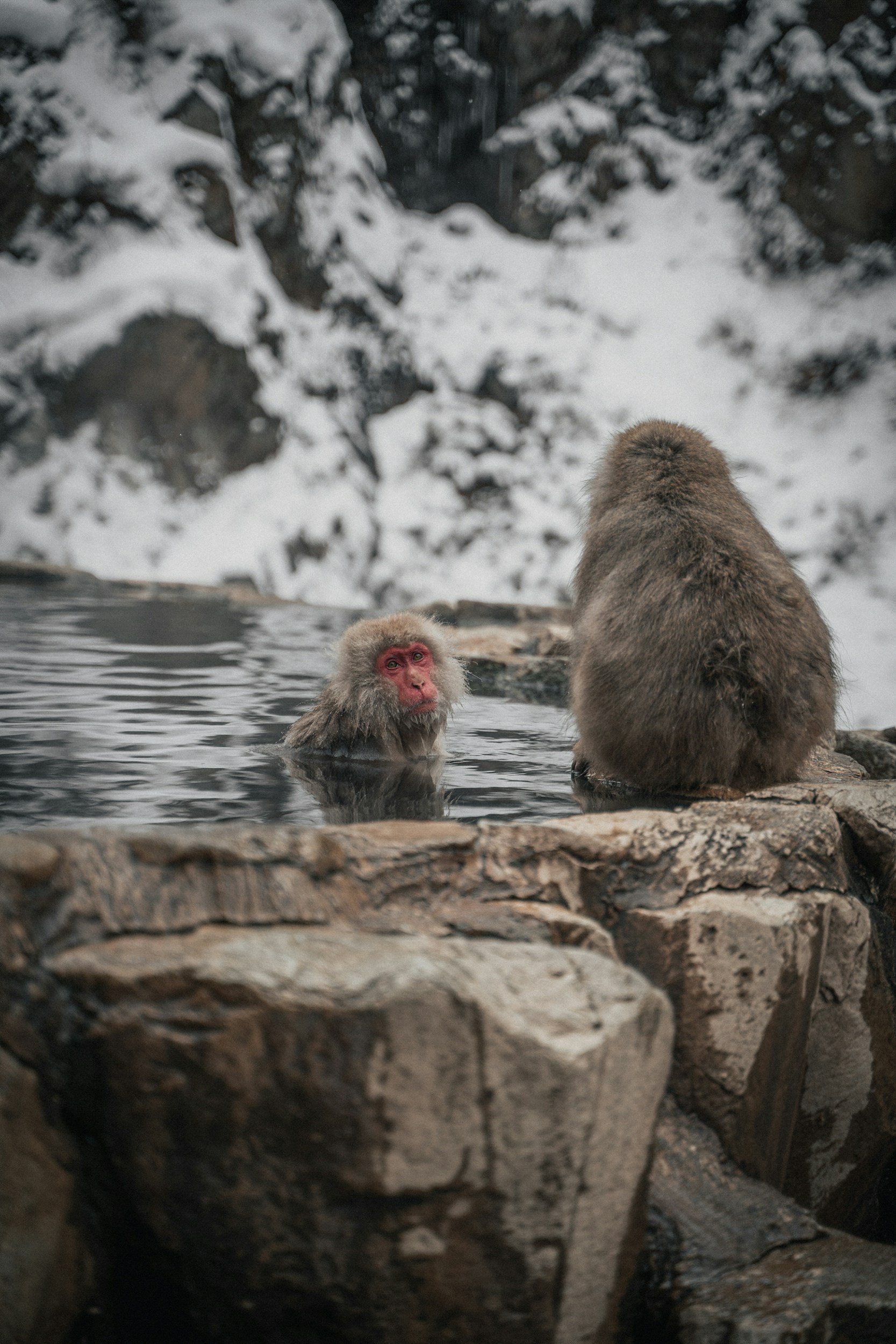
Japan Medical and Wellness Tourism
Japan is home to over 27,000 hot springs and over 3,000 onsen towns, many with healing benefits to skin conditions, joint stiffness, and other diseases. TokudAw has curated recommendations on where to go to enjoy a healing onsen and how to ensure your hotel has an authentic onsen.
Science in Japan
As a travel and transportation agency co-founded by a scientist, we integrate aspects of science found in Japanese culture, food, and nature. We’ve aggregated our top insights into this post, which we occasionally update.
10 Japanese Foods Neurodivergent Travellers Should Try
A breakdown of the top foods that support neurodivergent travelers in Japan should try and their benefits including Miso, Konjac, Nori, Soba, Tuna, Amazake, Rice, Rice, Dango, Strawbery Daifuku, and Umeboshi.
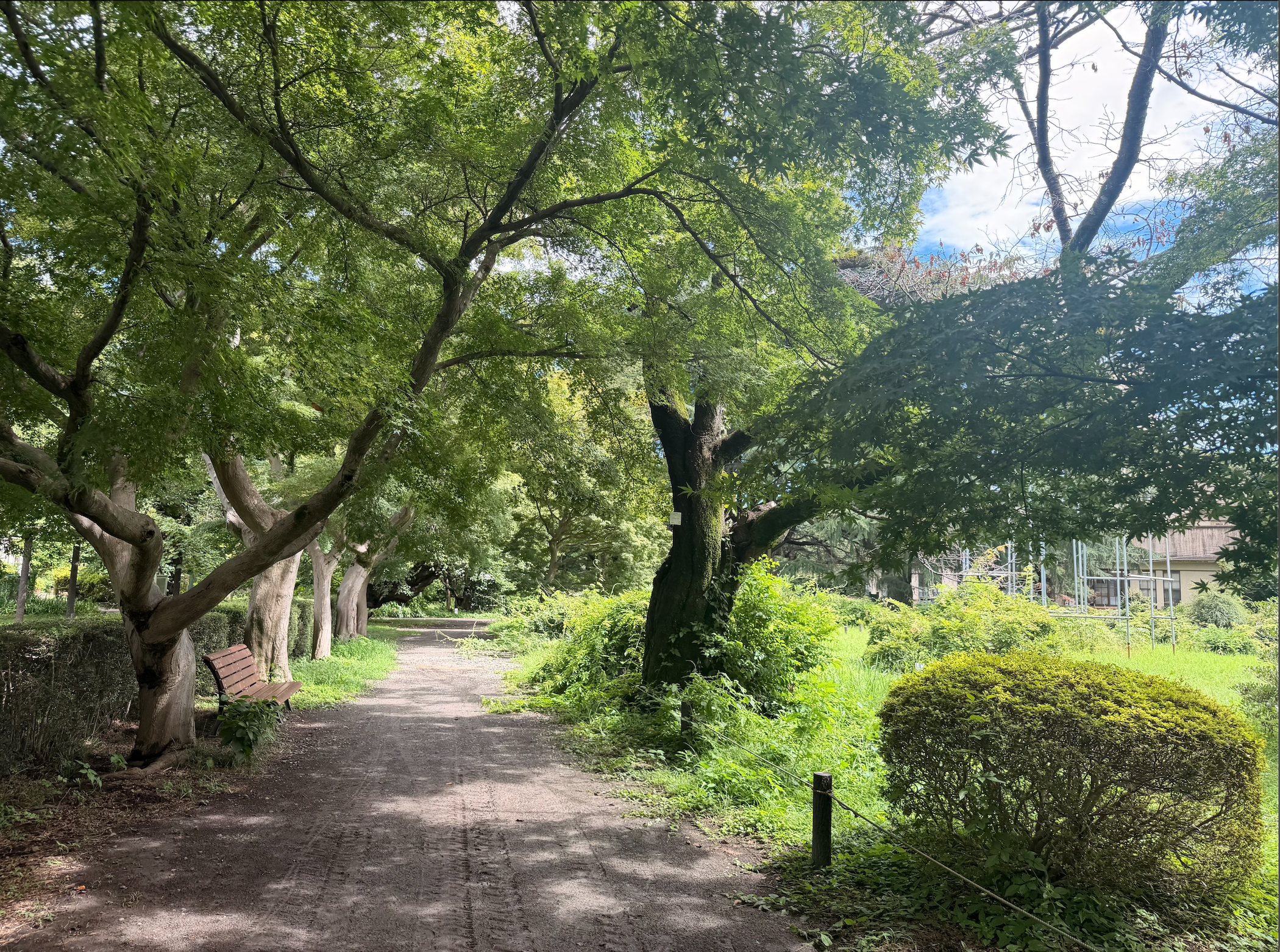
The Perfect Burnout Remedy for Busy Professionals: Slow Travel in Japan
As professionals in today’s world, people are constantly bombarded with notifications, expectations, and the pressure that comes with endless tasks and messages. The common bodily response is burnout, eventually growing tired of always being “on”. This article explores how mindful travel in Japan can help cure a burnt out mind.
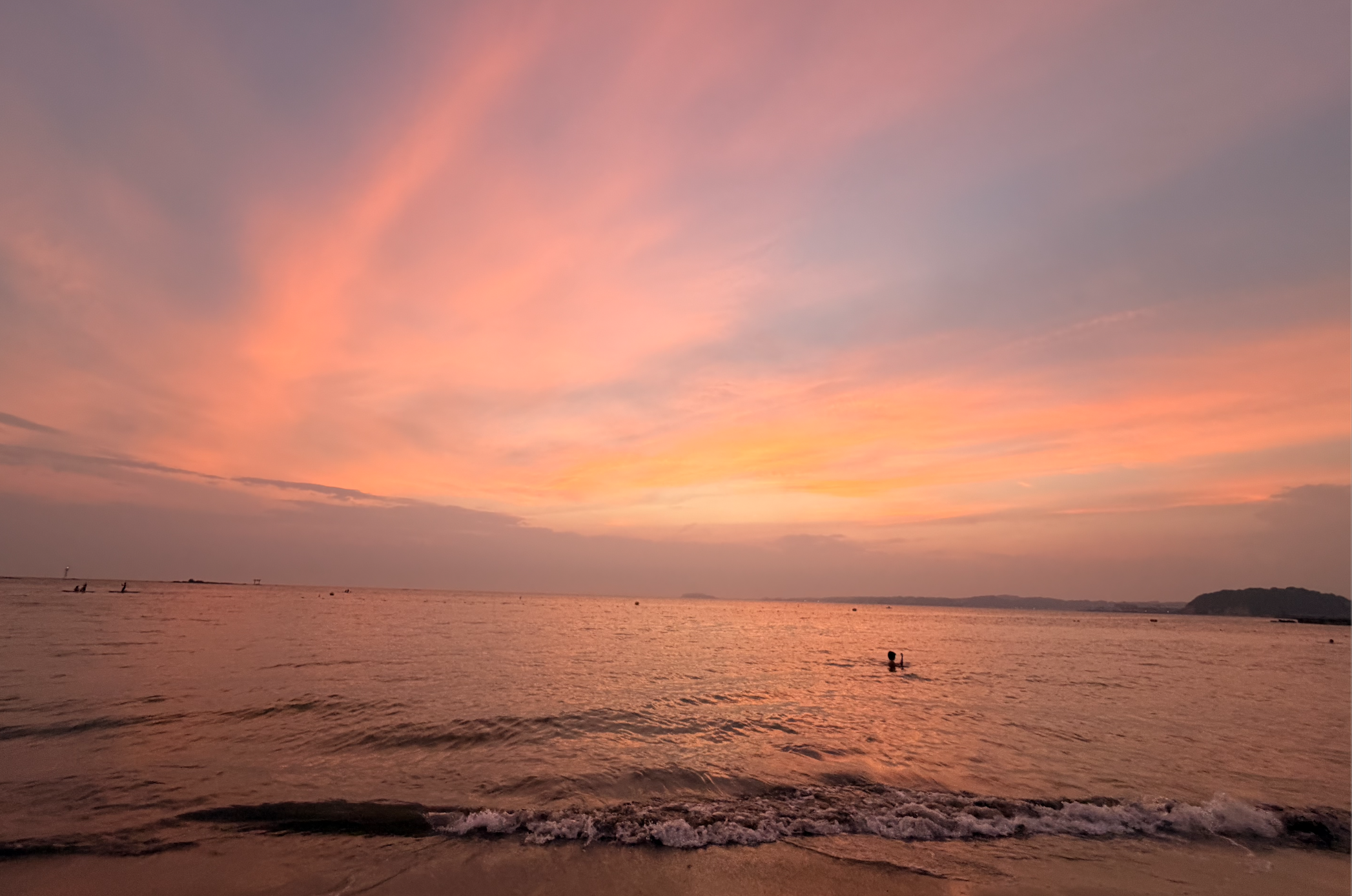
Digital Detox in Japan: How to Slow Travel, Detox from Screens, and Return to Reality
What if you had a completely alternative wind-down experience based on your exposure to Japanese Zen Culture? You, sitting in a quiet Japanese garden, listening to a gentle waterfall, are resetting your brain from its constant state of being over-worked. You get a moment of peace, with no notifications, alerts, or urgency. Instead, these anxiety-makers are replaced with the slow, deliberate rhythm of the world around you in which you are finally still and silent enough to observe.
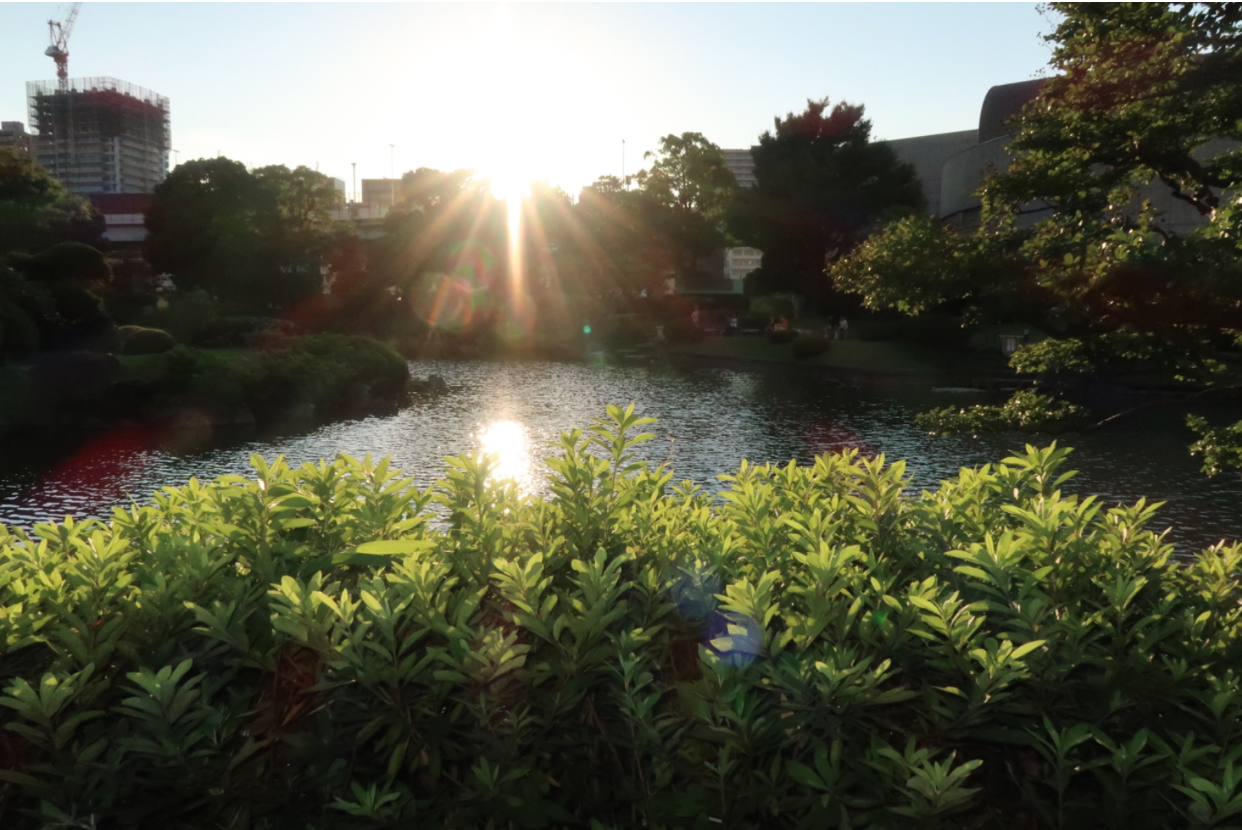
How to do Japan Without Being Exhausted: The Philosophy of Ma and Slow, Mindful Travel
The secret to a life-changing family trip isn’t actually a secret, it is the key to experiencing the same quality of joy without over-exhausting yourself and your family. It is the Japanese philosophy of ‘Ma’, that transforms travel into a mindful practice to bring forth deeper emotions of contentment, gratefulness, and enjoyment.
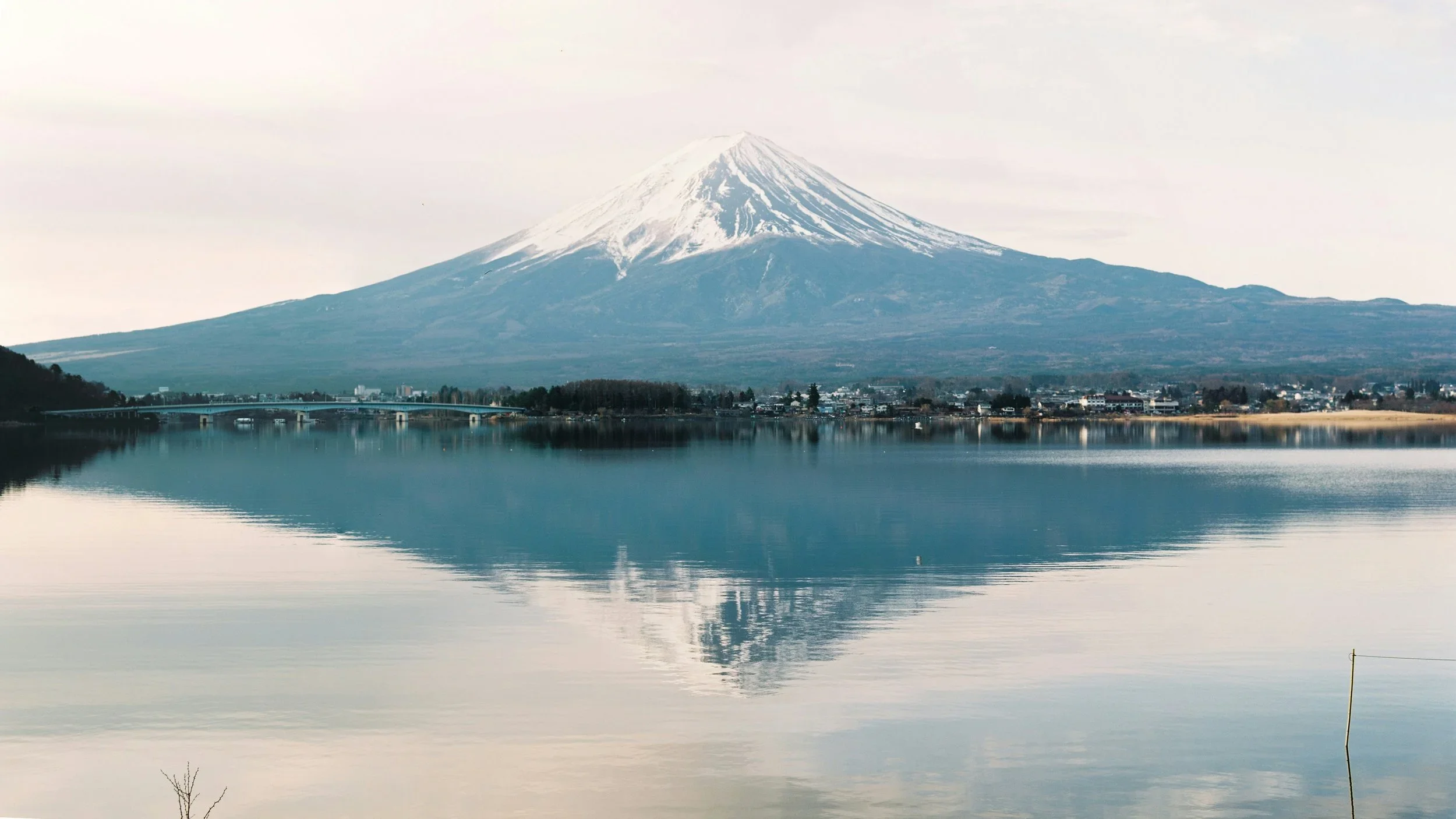
What Are the Best Ways to Recover After Climbing Mount Fuji?
Discover five of the most popular day trips from Tokyo, including Mount Fuji, Hakone, Nikko, Kamakura, and Tokyo's top attractions. Learn which tour is best for your travel style and how TokudAw can help make exploring Japan easier.
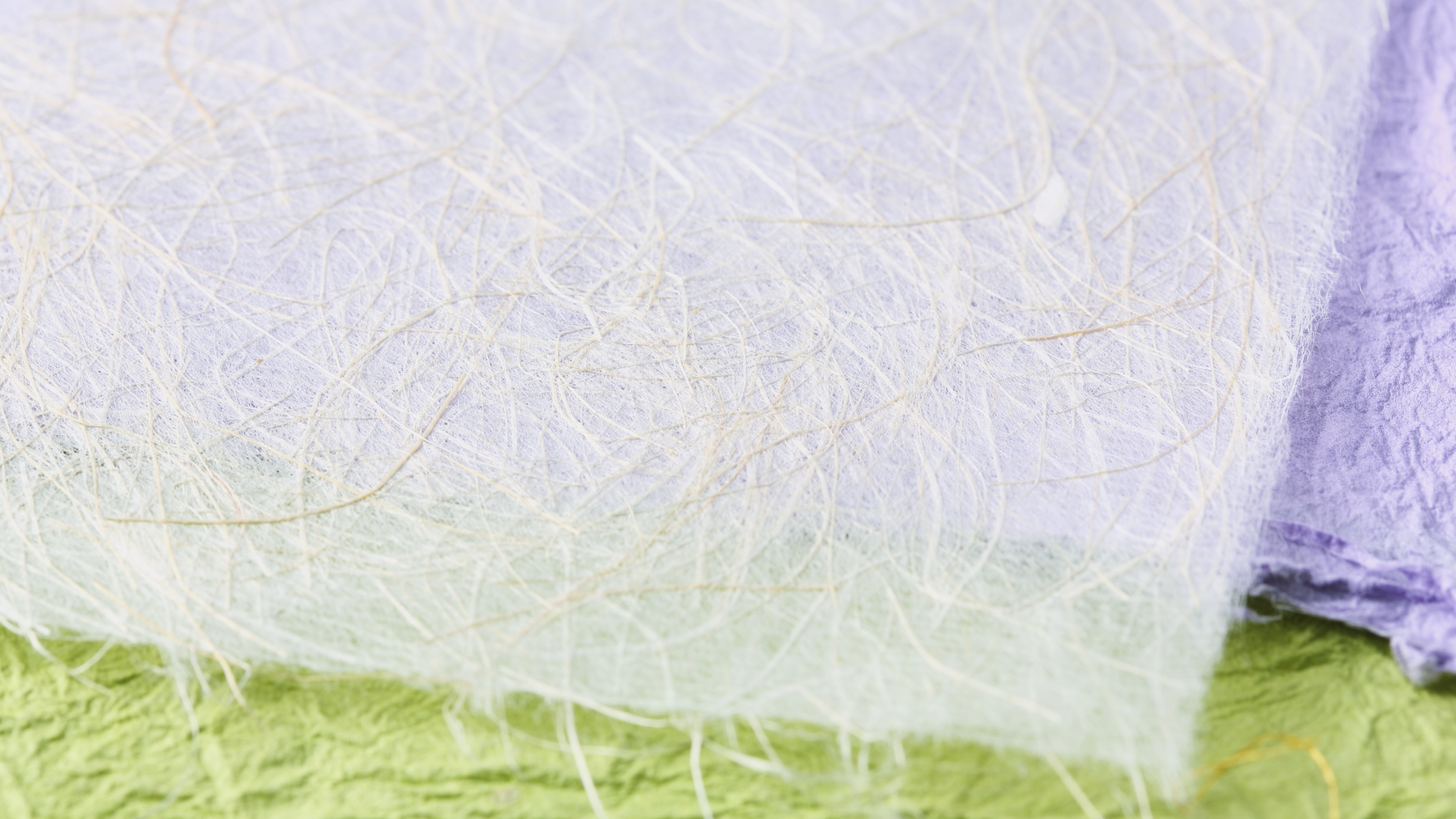
What Are the Best STEAM Activities for Families Visiting Japan?
Discover the best STEAM activities for families visiting Japan. From hands on science and technology to traditional arts and engineering, learn while exploring some of Japan's most fascinating destinations.
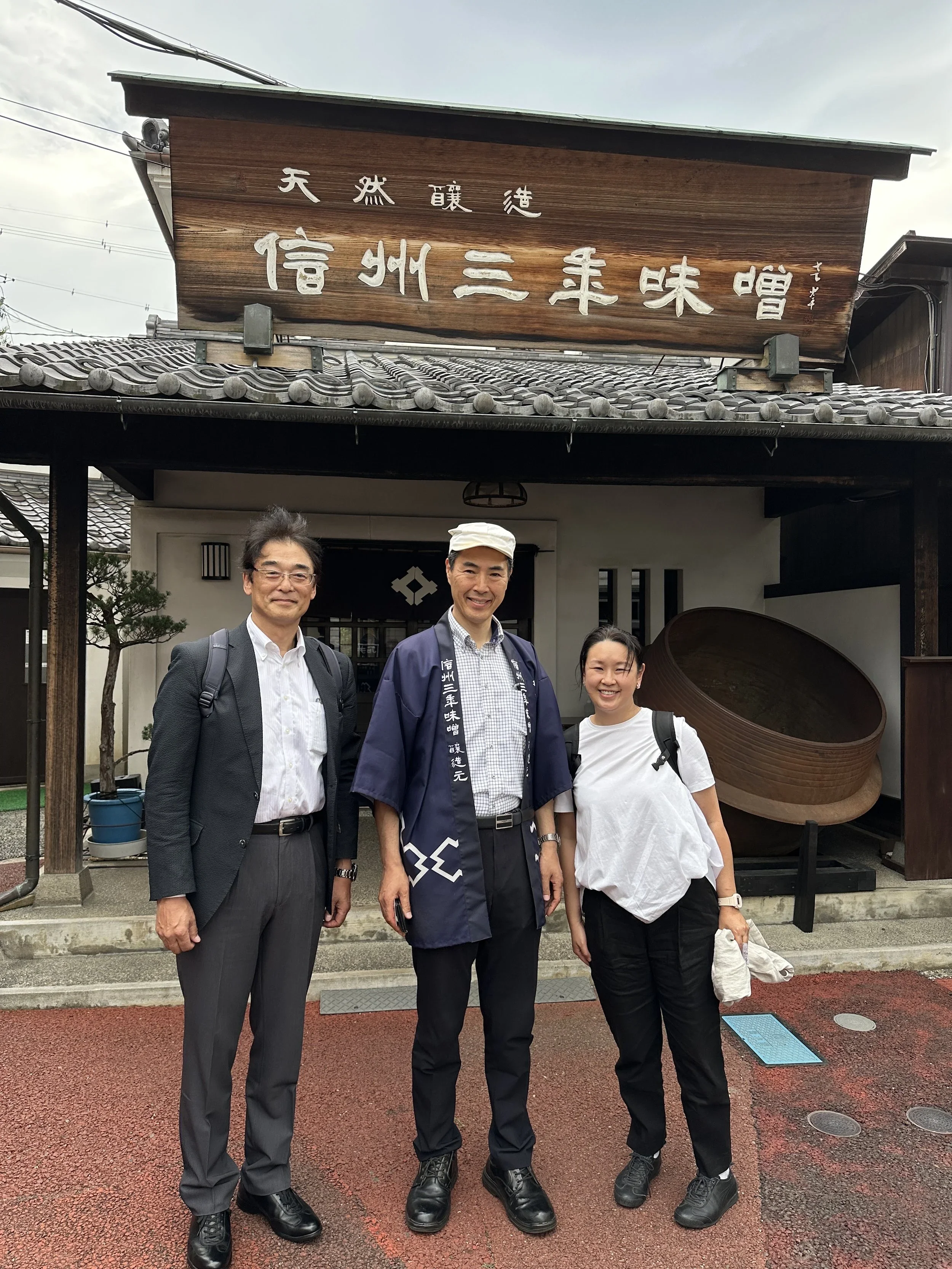
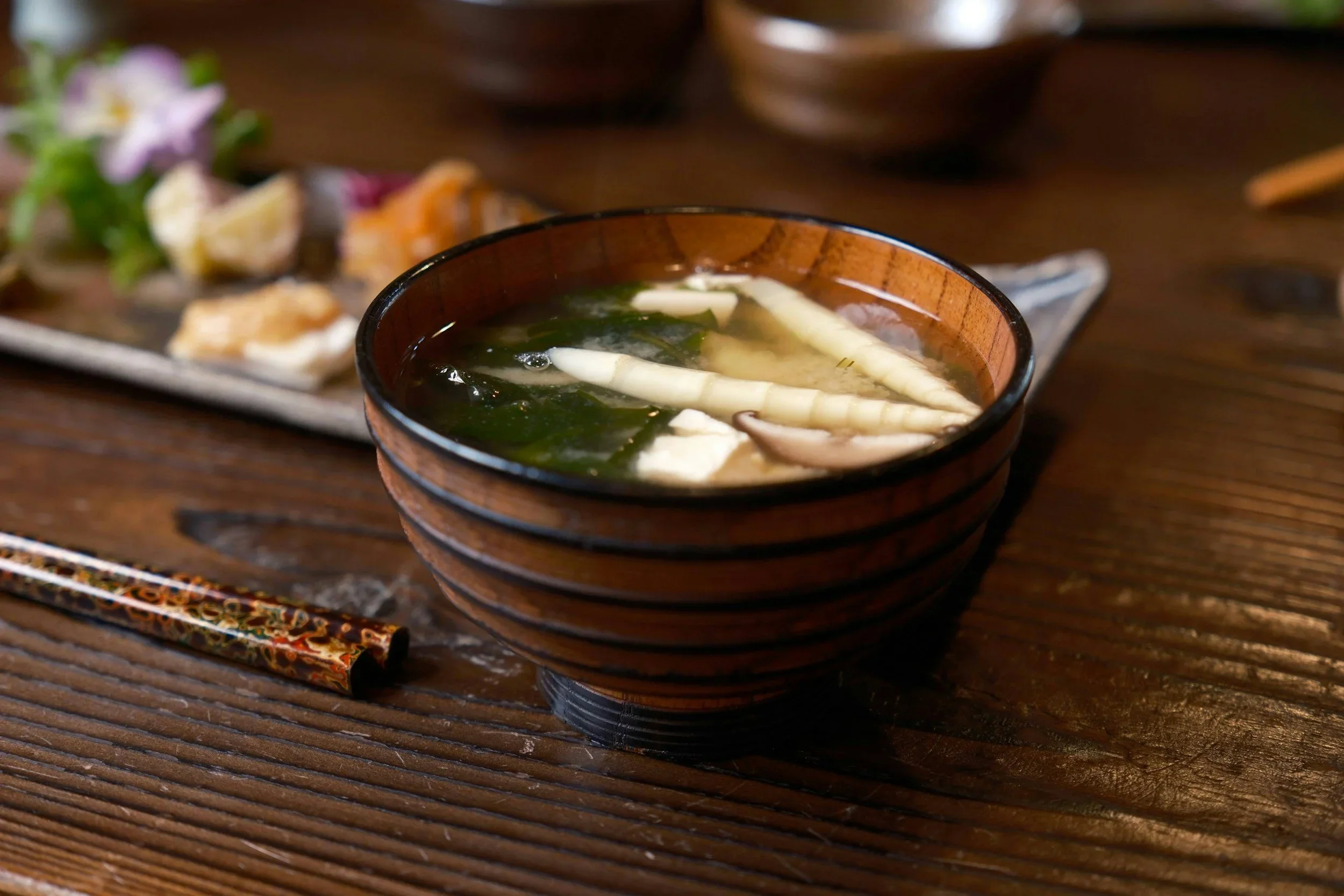
Science in a Spoon: Why a Nutritional Scientist Recommends These Japanese Miso Spots
Explore the fascinating world of miso through the lens of nutritional scientist Wanping AW, founder of TokudAw. This article breaks down the complex two-stage fermentation process that elevates miso from a simple paste to a "functional food" packed with bioactive compounds.
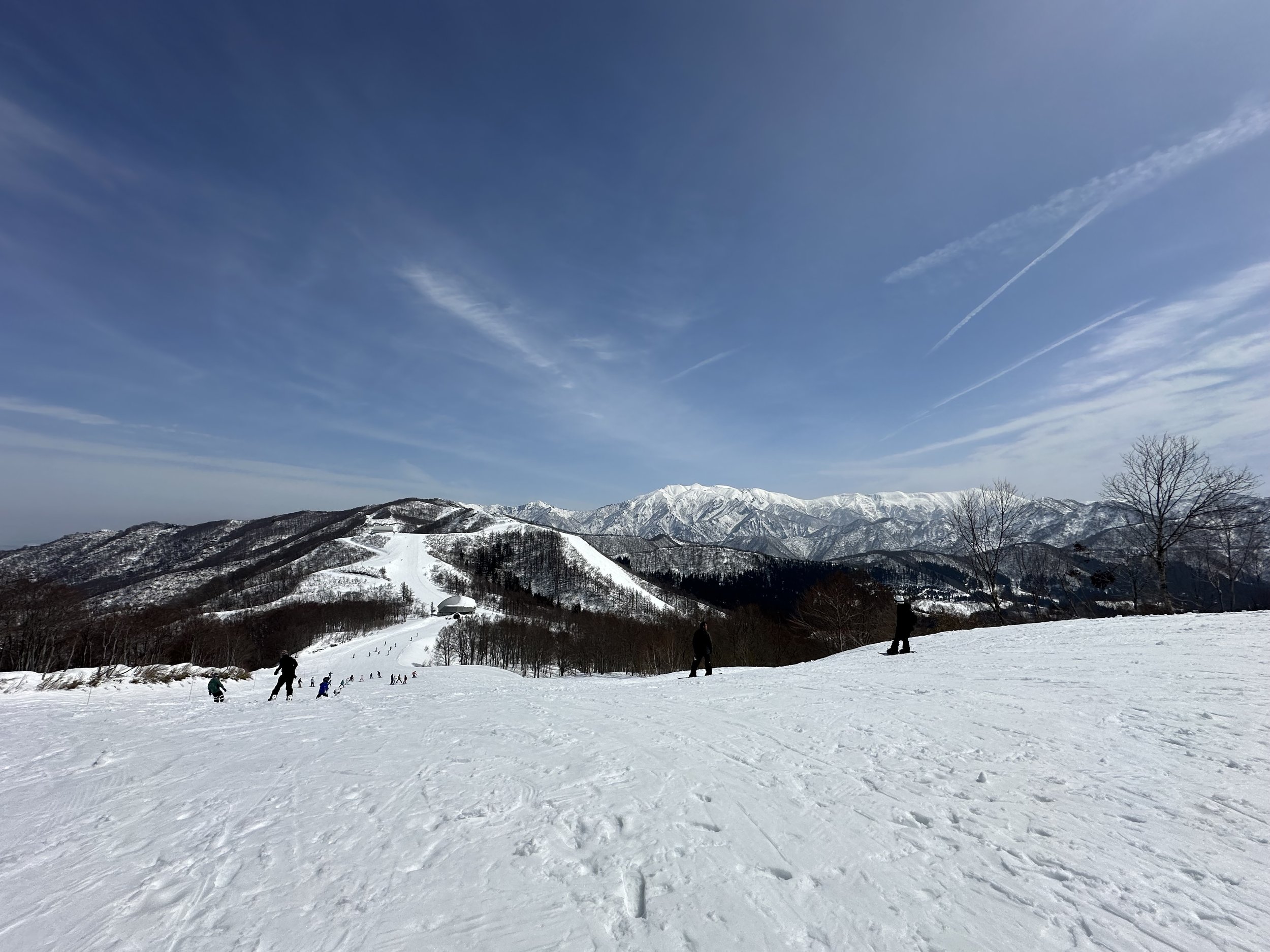
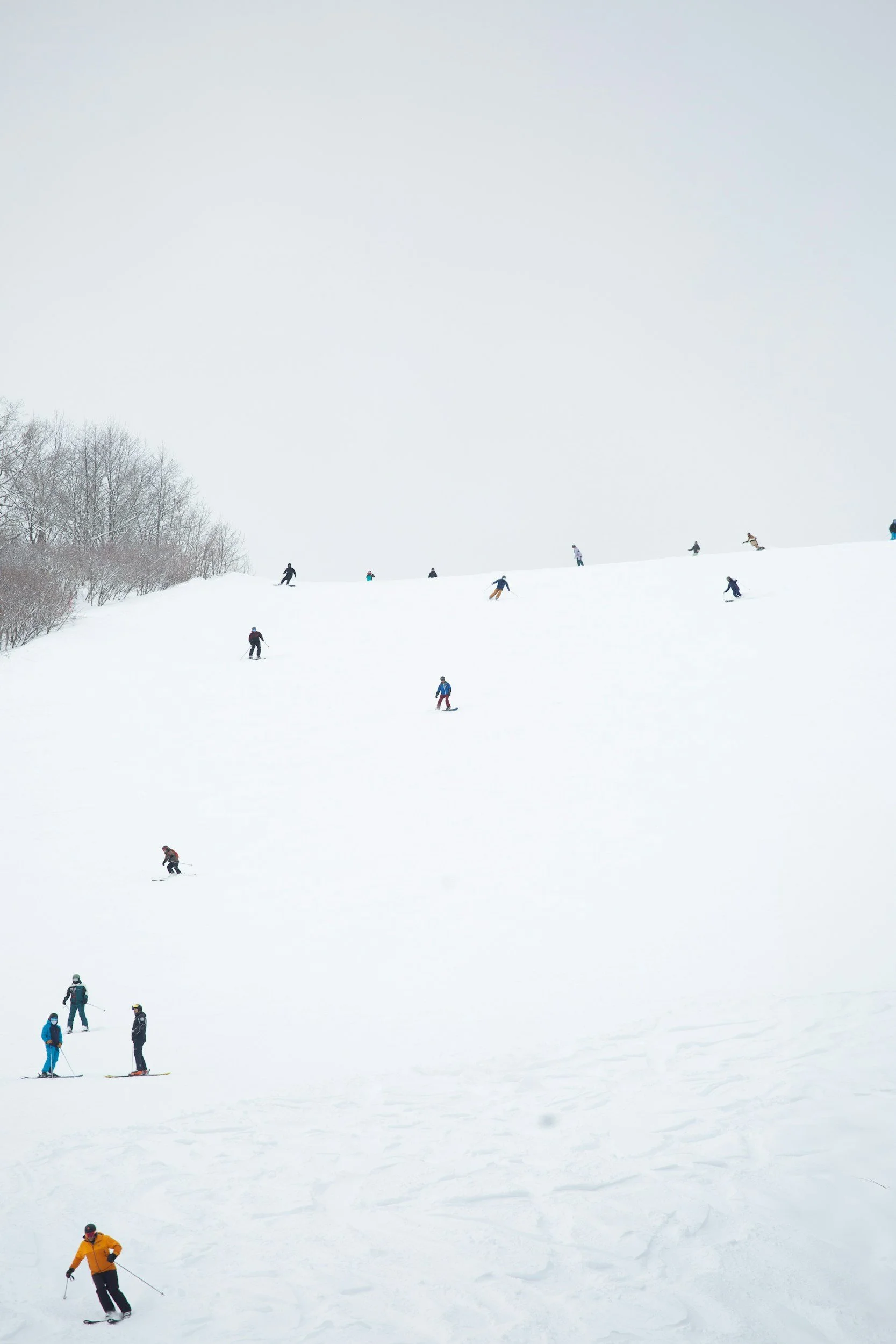
Fueling the Powder Chaser: Guide to Post-Ski Recovery in Japan - Food to nourish your body and experiences to relax and connect
Skiing the Japanese "Japow" is a peak physical experience, but it demands a scientific approach to recovery. In this article, our Nutrition Scientist and DMC Managing Director breaks down the top 10 Japanese foods—from electrolyte-rich Tonjiru and "liquid IV" Amazake to anti-inflammatory Soba—specifically chosen to rehydrate and repair your body.
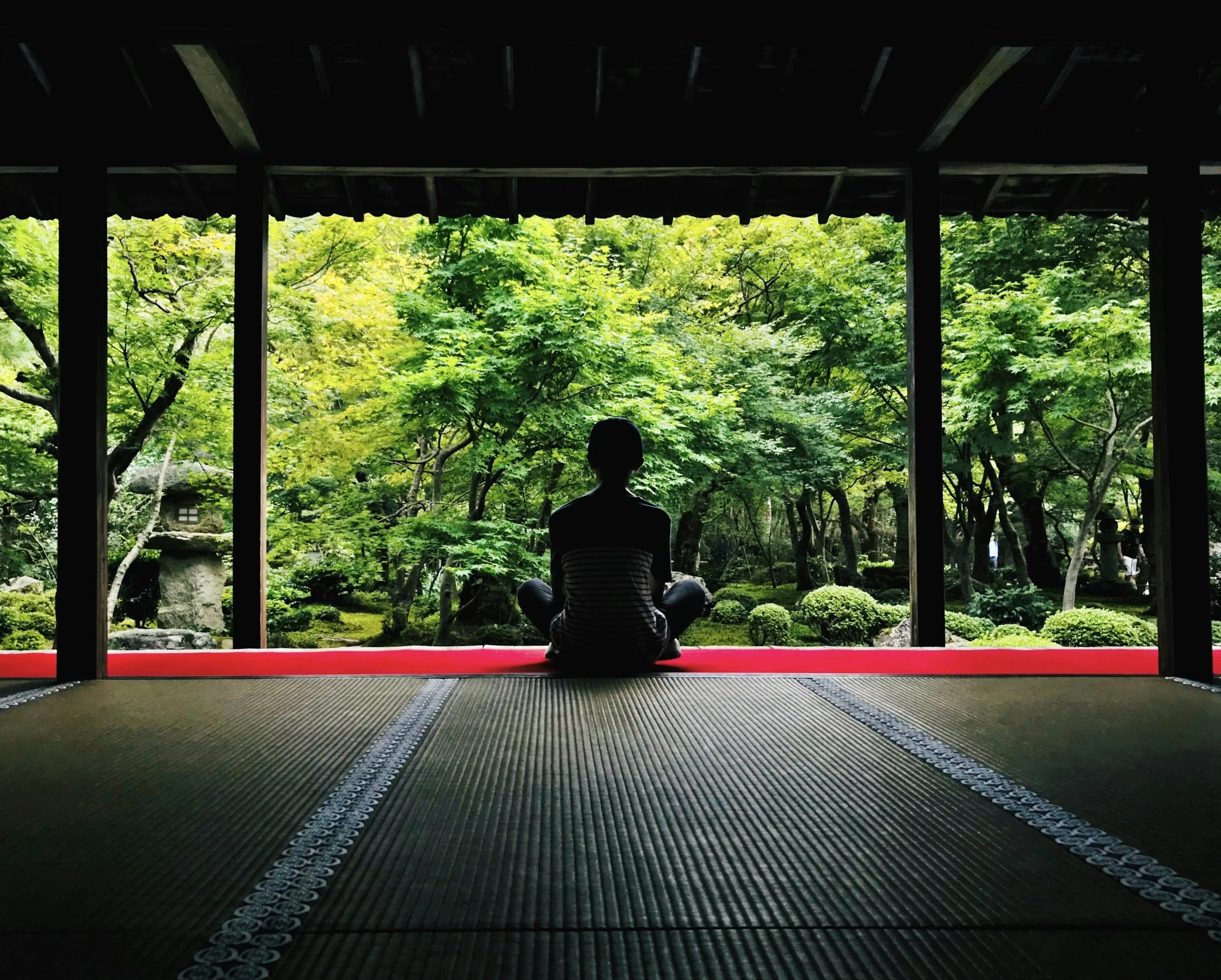
From Gardens to Baths: The Scientist’s Guide to help you get over jet lag when arriving in Japan
Jet lag is more than just exhaustion; it is a physiological state of circadian desynchrony. While light is a well-known "time-giver," new research in gastroenterology and physiology reveals that your digestive system is a powerful tool for resetting your brain. This article explores how to use targeted protein intake, strategic meal timing, and Japanese probiotic-rich foods to cut your jet lag recovery time in half, ensuring you spend less time in bed and more time exploring.
Getting over jetlag: The Science of Satiety: How to Reset Your Internal Clock for Japan Using Nutrition
Jet lag is more than just exhaustion; it is a physiological state of circadian desynchrony. While light is a well-known "time-giver," new research in gastroenterology and physiology reveals that your digestive system is a powerful tool for resetting your brain. This article explores how to use targeted protein intake, strategic meal timing, and Japanese probiotic-rich foods to cut your jet lag recovery time in half, ensuring you spend less time in bed and more time exploring.
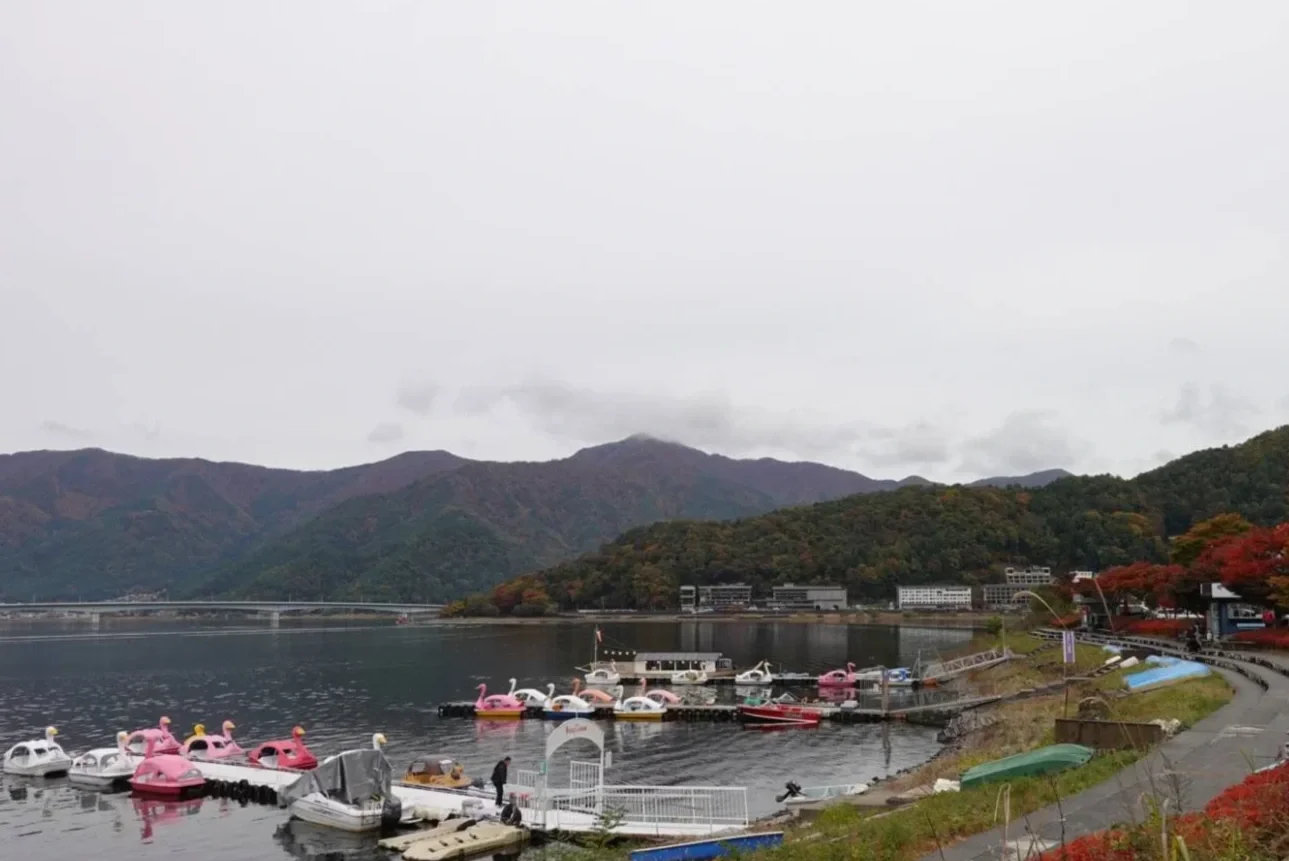
The (relatively) unknown Health Benefits of a Mount Fuji Tour
Mount Fuji, Japan's iconic and majestic peak, offers far more than just breathtaking views; it's a source of profound well-being, deeply rooted in its ancient volcanic geology. A journey to this sacred mountain provides an unforgettable sightseeing experience combined with a unique opportunity to tap into remarkable health benefits, particularly those derived from its pristine underground spring waters.
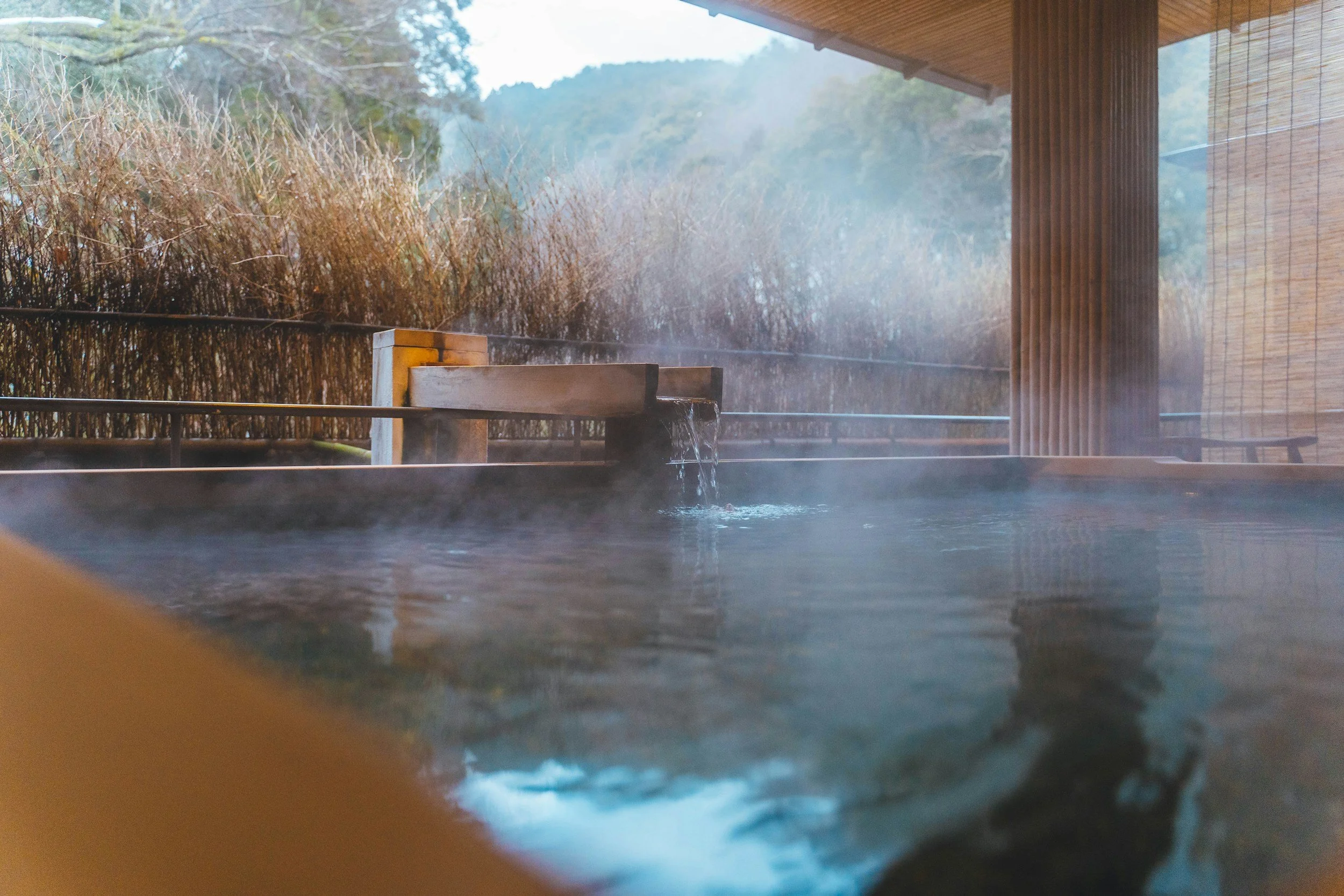
The Science Behind Onsen: Unveiling Japan's Natural Wellness
The science behind Japan's revered onsen (hot springs) culture, moving beyond the traditional perception of relaxation to a deeper understanding of their therapeutic benefits. It reviews research on how different types of onsen, such as Carbon Dioxide, Sulfate, Bicarbonate, and Acidic springs, can positively impact health through their unique mineral compositions. The piece highlights specific mechanisms, like vasodilation for circulation and the bactericidal effects of acidic waters on skin conditions.
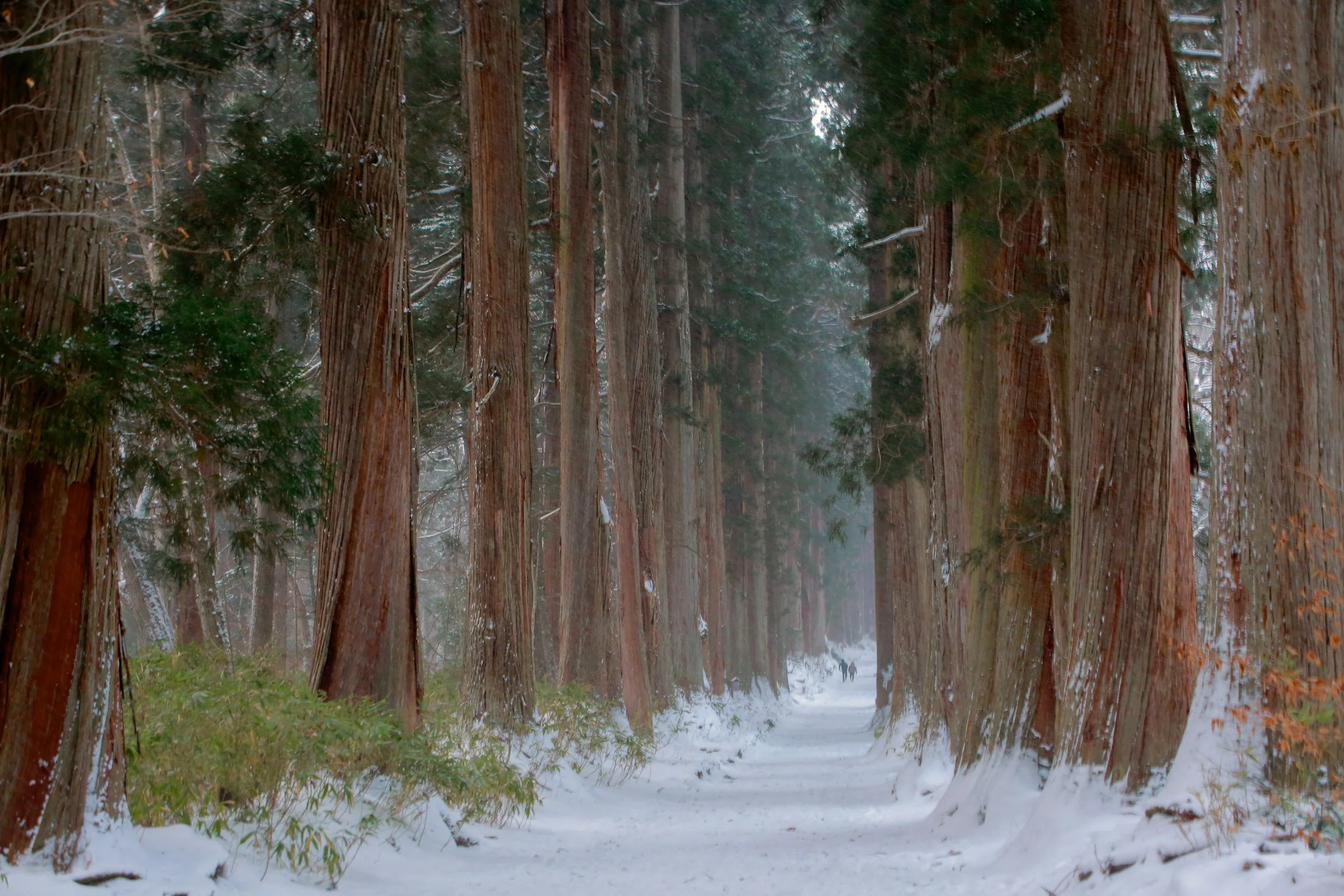
Forest Bathing and Stress Reduction: Shinrin-yoku Meets Neuroscience
Shinrin-yoku, or “forest bathing,” began in Japan as a mindful way to reconnect with nature. Over time, it has gained global recognition for its therapeutic effects, even earning acknowledgment from the World Health Organization as a form of nature therapy. While the practice feels deeply traditional, modern neuroscience is beginning to explain why immersing ourselves in forests can be so restorative.

Science-Backed Tips for Beating Heat Sensitivity in Japan’s Intense Summer
Japan’s summers are notoriously hot and humid, intensified by geography, the rainy season, and climate change. High humidity slows sweat evaporation, making it harder for the body to cool down and increasing the risk of heat exhaustion. Read our tips on how to stay comfortable in the middle of the Japanese heat and humidity.

How Laughter and New Cultural Experiences Boost Happiness
Traveling to a new country is more than just an opportunity to see beautiful sights. It can also be a powerful way to improve your mood and overall well-being. Science shows that laughter and cultural exploration have measurable, positive effects on happiness, helping you feel more connected, engaged, and fulfilled. Don't just dream of laughter and new cultural experiences – make them a reality with a custom-designed trip from TokudAw.
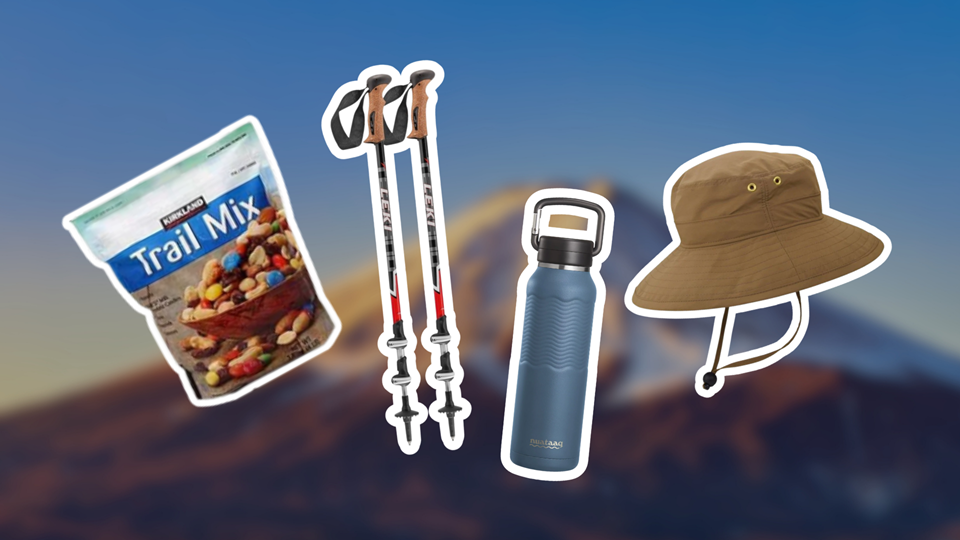
Altitude and Motion Sickness in Japan
Whether you're hiking Japan’s iconic Mt. Fuji or cruising along its scenic coastline, motion and altitude sickness can put a damper on your travel plans. This guide offers practical, science-backed tips to prevent symptoms like nausea, dizziness, and fatigue—covering everything from proper hydration and pacing strategies to deep breathing techniques and food choices. Learn how TokudAw’s premium, motion-stabilized vans designed for smoother, more comfortable rides.

The Science of Kawaii: How Japan’s Culture of Cuteness Supports Well-Being
Japan’s fascination with kawaii, or the culture of cuteness, is easy to spot. From pastel mascots and plush toys to playful stationery and whimsical fashion, it seems to touch every corner of daily life. But beyond its charming appearance, kawaii culture carries a deeper meaning. Research in psychology and neuroscience is beginning to show that it can have a real and positive impact on mental health and happiness.
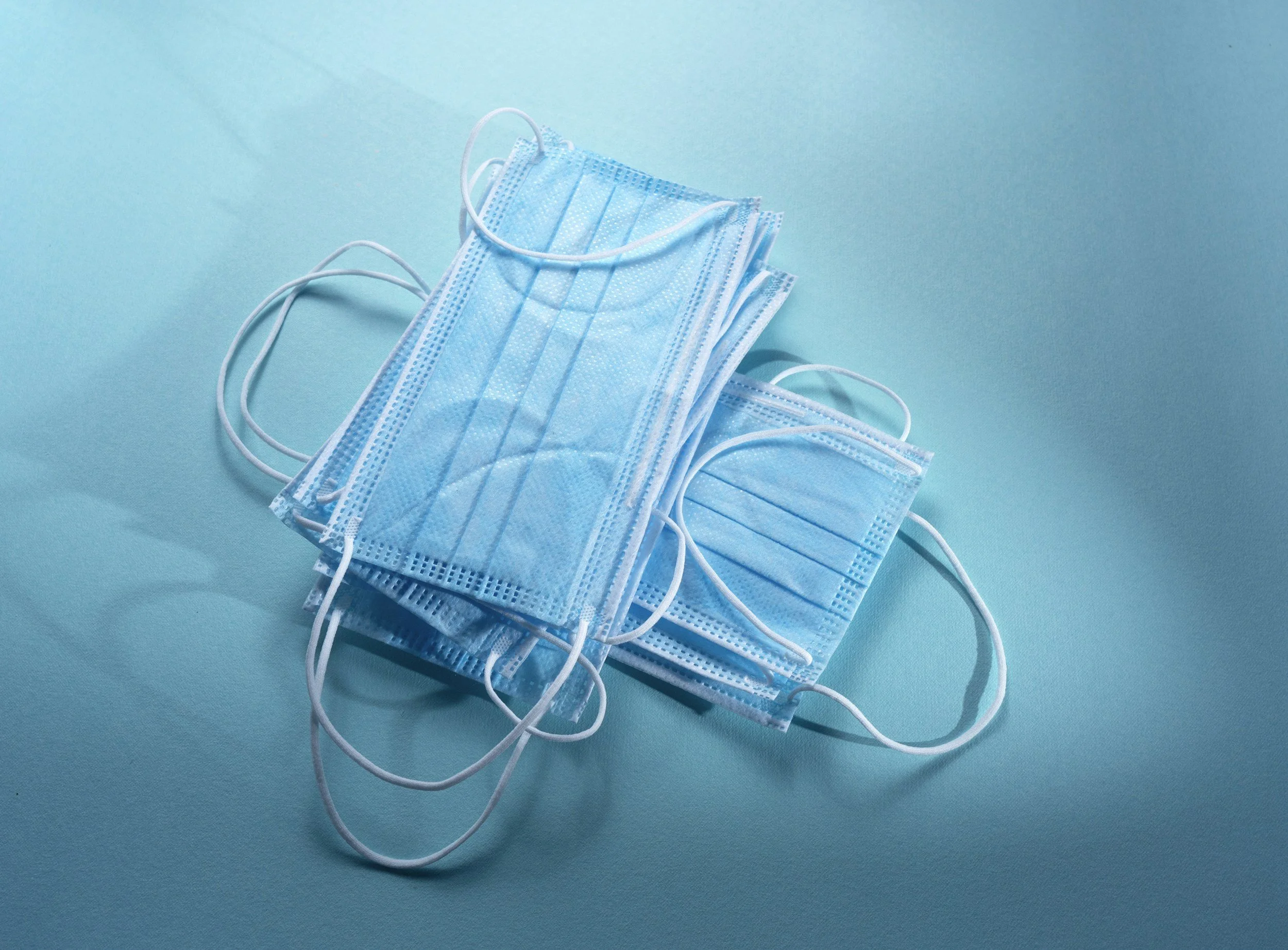
With flu season in full swing, here’s what travelers need to know before visiting Japan
Japan remains one of the world’s safest travel destinations, but like anywhere, it comes with seasonal risks—especially in winter, when flu and norovirus cases spike. Crowded trains, busy tourist attractions, and indoor heating all contribute to the rapid spread of infections. Learn from a biomedical scientist and founder of TokudAw, has spent years bridging science with travel. With a Ph.D. in Biomedical Science and deep expertise in Japan’s medical landscape, she offers key insights into how travelers can protect themselves—and how TokudAw provides health-conscious solutions for those exploring Japan.