
Stories from Japan
Travel Blog
Destinations, food, culture and travel wisdom from the TokudAw team
Featured Post

Search Blog

Science in Japan
As a travel and transportation agency co-founded by a scientist, we integrate aspects of science found in Japanese culture, food, and nature. We’ve aggregated our top insights into this post, which we occasionally update.
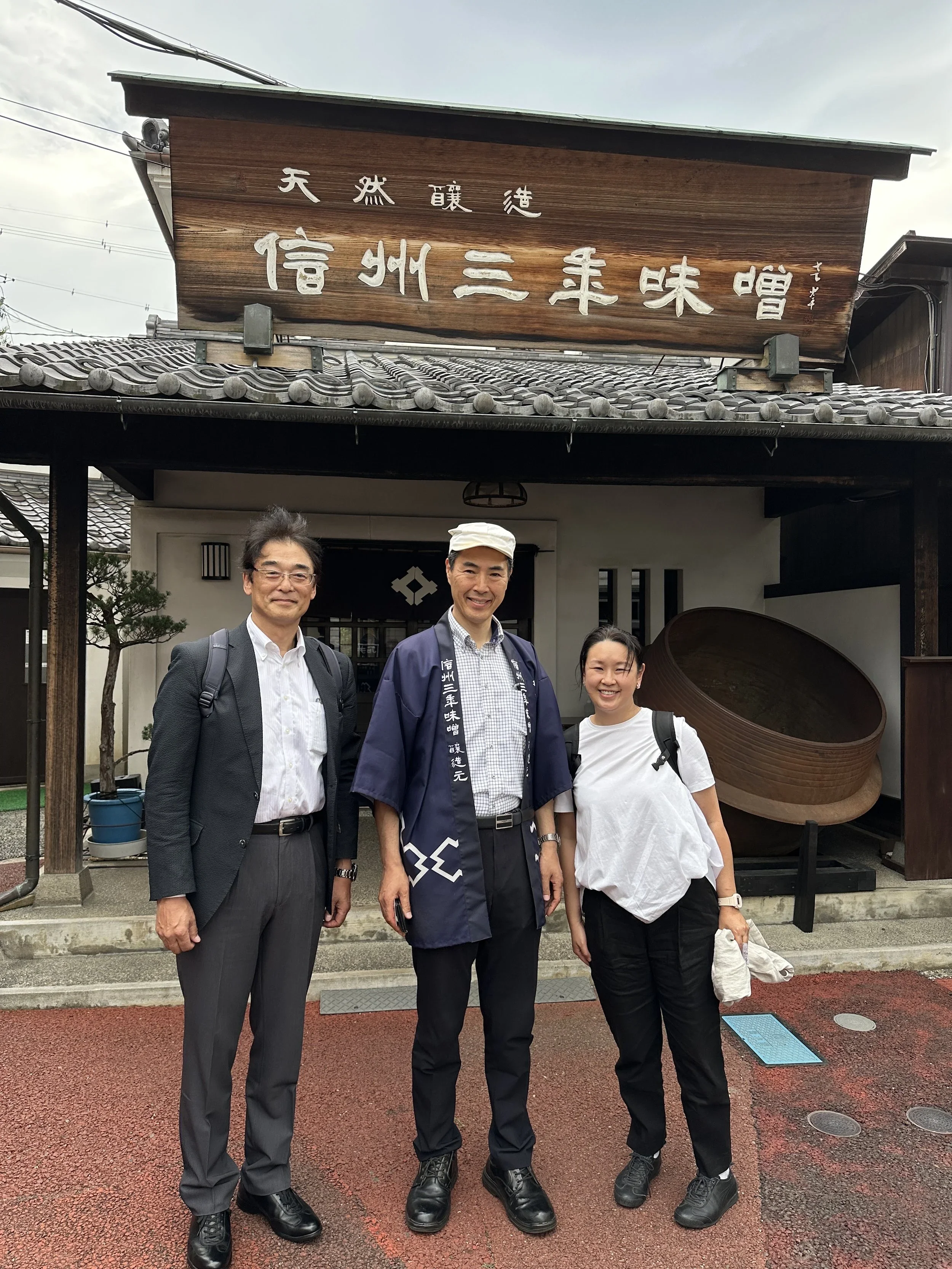
Science in a Spoon: Why a Nutritional Scientist Recommends These Japanese Miso Spots
Explore the fascinating world of miso through the lens of nutritional scientist Wanping AW, founder of TokudAw. This article breaks down the complex two-stage fermentation process that elevates miso from a simple paste to a "functional food" packed with bioactive compounds.
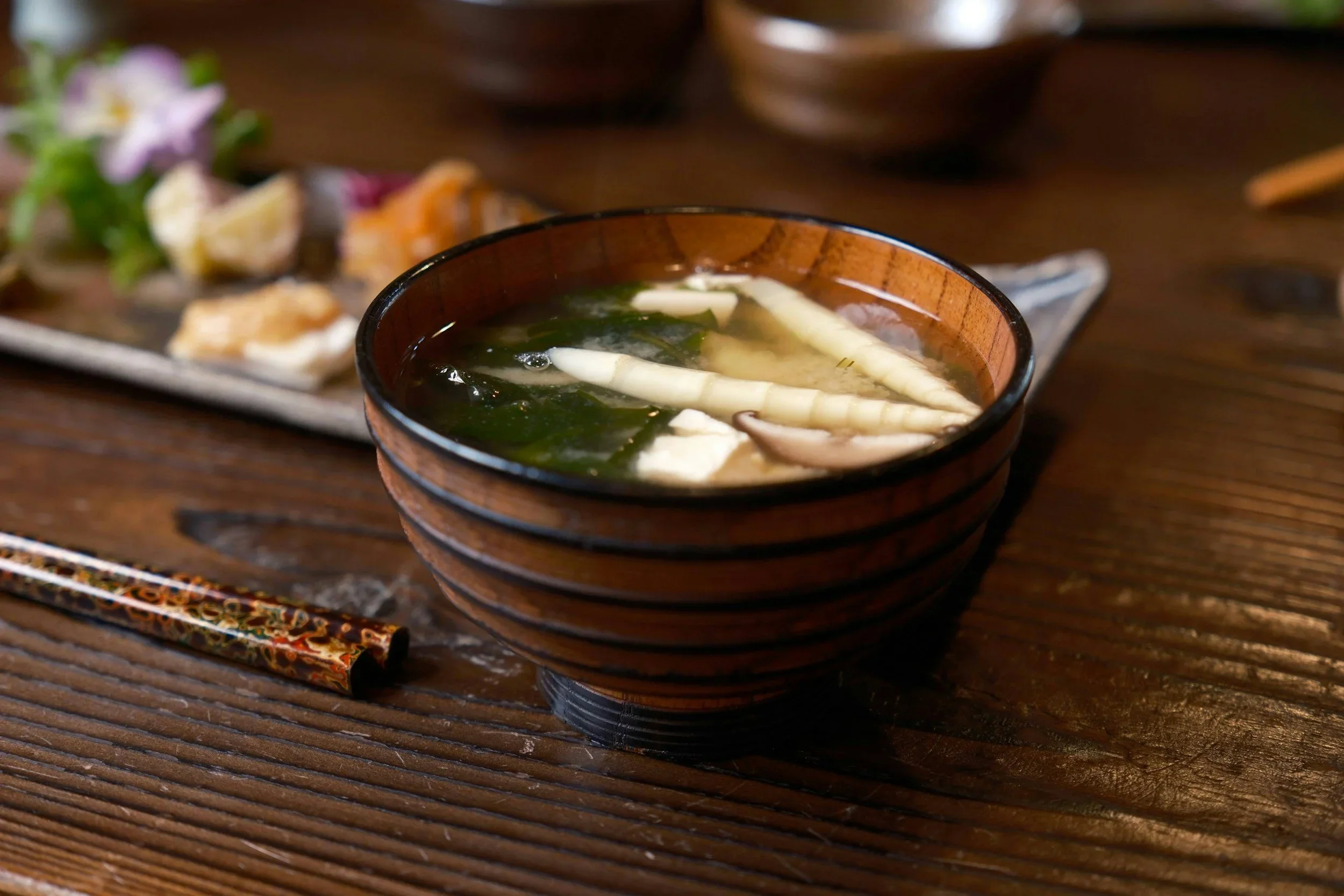
Getting over jetlag: The Science of Satiety: How to Reset Your Internal Clock for Japan Using Nutrition
Jet lag is more than just exhaustion; it is a physiological state of circadian desynchrony. While light is a well-known "time-giver," new research in gastroenterology and physiology reveals that your digestive system is a powerful tool for resetting your brain. This article explores how to use targeted protein intake, strategic meal timing, and Japanese probiotic-rich foods to cut your jet lag recovery time in half, ensuring you spend less time in bed and more time exploring.
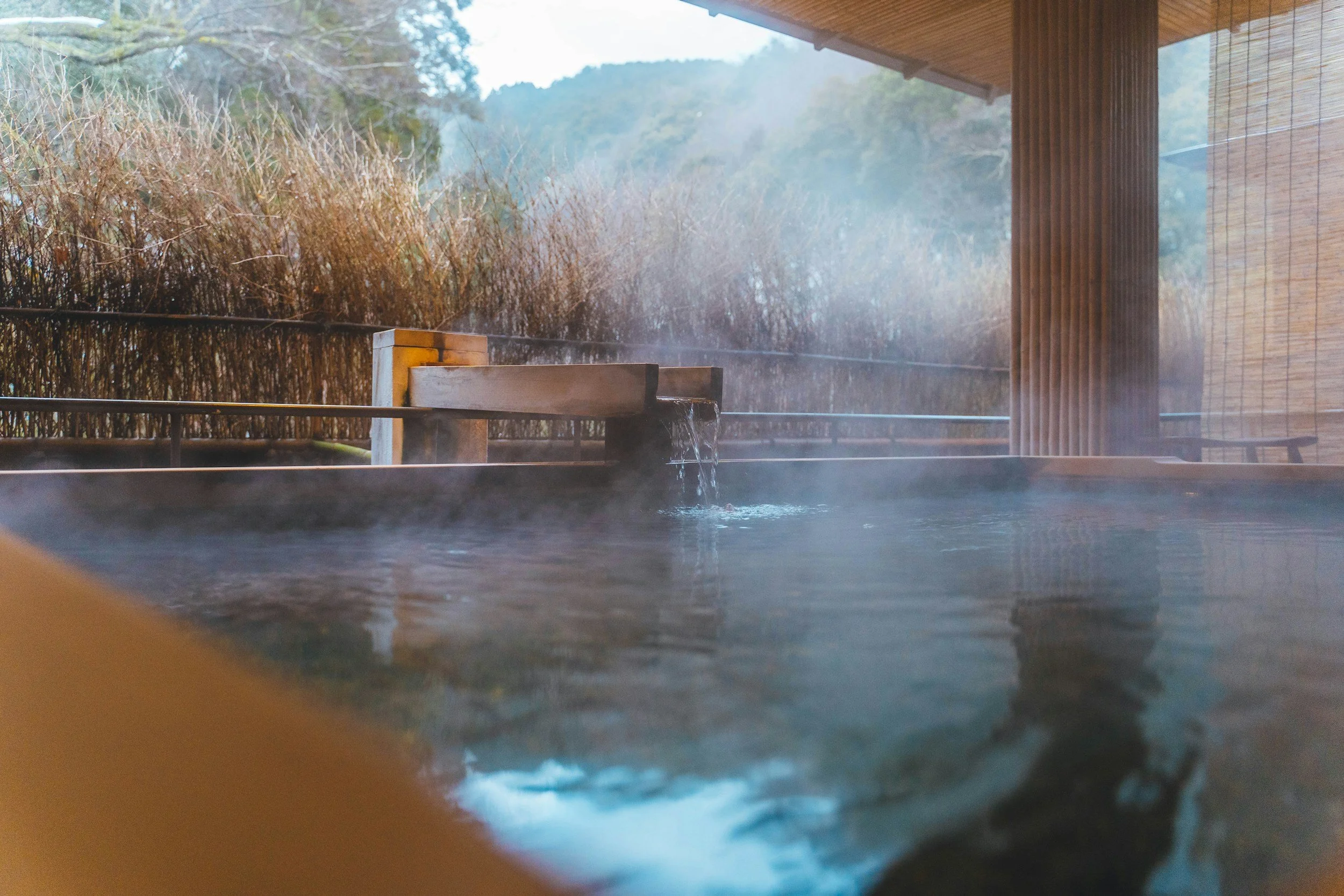
The Science Behind Onsen: Unveiling Japan's Natural Wellness
The science behind Japan's revered onsen (hot springs) culture, moving beyond the traditional perception of relaxation to a deeper understanding of their therapeutic benefits. It reviews research on how different types of onsen, such as Carbon Dioxide, Sulfate, Bicarbonate, and Acidic springs, can positively impact health through their unique mineral compositions. The piece highlights specific mechanisms, like vasodilation for circulation and the bactericidal effects of acidic waters on skin conditions.

Forest Bathing and Stress Reduction: Shinrin-yoku Meets Neuroscience
Shinrin-yoku, or “forest bathing,” began in Japan as a mindful way to reconnect with nature. Over time, it has gained global recognition for its therapeutic effects, even earning acknowledgment from the World Health Organization as a form of nature therapy. While the practice feels deeply traditional, modern neuroscience is beginning to explain why immersing ourselves in forests can be so restorative.

The Science of Kawaii: How Japan’s Culture of Cuteness Supports Well-Being
Japan’s fascination with kawaii, or the culture of cuteness, is easy to spot. From pastel mascots and plush toys to playful stationery and whimsical fashion, it seems to touch every corner of daily life. But beyond its charming appearance, kawaii culture carries a deeper meaning. Research in psychology and neuroscience is beginning to show that it can have a real and positive impact on mental health and happiness.