
A traveler’s guide to planning a trip around the notable UNESCO highlights while avoiding the crowds.
Many of Japan’s post popular destinations have the label of a Unesco world heritage site from the old city of Kyoto, the large castle of Himeji and even Mount Fuji. However, some of Japan's quieter attractions are also recognized by UNESCO. These include long-held festivals and traditional crafts and other natural landscapes of Japan.
But what exactly does UNESCO heritage mean? And what is the difference between a World Heritage Site and an intangible cultural heritage tradition?
Whether you are planning your first trip to Japan, organizing an educational visit, or looking for a deeper connection with Japanese culture, here is an introduction to the three types of heritage—and the places and experiences that can help bring each one to life.
What Is UNESCO Heritage?
The United Nations Educational, Scientific and Cultural Organization (UNESCO) works with countries and communities to identify, recognize, and safeguard heritage that has significance beyond a single place or nation.
The term heritage can refer to extraordinary buildings and landscapes, but it can also include the knowledge, skills, customs, and traditions that people continue to practice and pass on.
Japan has three different types of destinations and designations:
Cultural World Heritage: Places recognized for their outstanding historical, architectural, archaeological, or cultural significance.
Natural World Heritage: Places recognized for their exceptional natural beauty, geological importance, ecological processes, or biodiversity.
Intangible Cultural Heritage: Living traditions, knowledge, skills, and practices that communities recognize as part of their cultural heritage.
Importantly, UNESCO recognition is not simply a ranking of the world's most beautiful or popular destinations. World Heritage places must demonstrate Outstanding Universal Value and meet at least one of UNESCO's selection criteria: it is a creative genius, it represents an exchange of human values, it represents a testament to a cultural tradition which may be disappearing, it represents an outstanding architectural element that represents part of human history, an example of a human settlement or land use, something that represents events or living traditions, something of a natural phenomena, a significant geological, ecological or biological process, or contains significant biodiversity. Intangible heritage, meanwhile, emphasizes living cultural practices and the communities that sustain them.
How to visit a UNESCO Heritage site sustainably?
There are some destinations in the world that have asked to be removed from the UNESCO world heritage site designation because of overtourism. Several of Japan’s designated areas also suffer from overtourism and crowding, so, the best thing you can do as a visitor is to take the less-traveled path and support the lesser-known Cultural world heritage sites.
Cultural World Heritage: Japan's Historic Places
Cultural World Heritage includes monuments, historic buildings, archaeological sites, and cultural landscapes that help explain human history and achievement.
Japan's cultural heritage reflects centuries of religious practice, architecture, craftsmanship, political change, trade, and interaction between people and their environment.
Visiting these places can offer more than an opportunity to take photographs. It can reveal how people lived, what they believed, how communities were organized, and how traditions shaped the Japan we see today.
Where to Experience lesser-known Cultural World Heritage in Japan
Hiraizumi, Iwate: Buddhist temples and gardens instead of Kyoto’s temples and gardens.
Mozu-Furuichi Kofun, Osaka: Learn about archeology and ancient engineering at ancient burial mounts that reflect the structure of early Japanese society instead of visiting Nara or Kyoto.
Iwami Ginzan Silver Mine, Shimae: Explore the history of silver production that coexists with nature in one of the least visited prefectures of Japan.
Sado Island Gold Mines and Tomioka Silk Mill: Explore the sea of Japan and the unique island culture known for gold production and stop by the Tomioka Silk Mill on your way there form Tokyo to learn about Japan’s silk industry instead of visiting Hakone.
Hidden Chirstian sites in Nagasaki: A unique history of Japan hidden in the mountains near Nagasaki and Kumamoto instead of visiting the mountain town of Shirakawa-go.
Natural World Heritage: Japan's Landscapes
Natural World Heritage sites are recognized for exceptional natural beauty, important geological features, significant ecological processes, or the conservation of biodiversity.
Japan's natural heritage includes ancient forests, islands, and marine and terrestrial ecosystems. These environments can reveal another side of the country—one shaped by volcanic activity, changing seasons, diverse habitats, and the relationships between people and the natural world.
Where to Experience Natural World Heritage in Japan
Yakushima, ancient forests: Located south of Kyushu, Yakushima is renowned for its ancient forests, exceptional biodiversity, and Japanese cedar trees known as yakusugi. Its lush landscapes and mountainous terrain create a distinctive environment for nature exploration.
Shiretoko, a rich ecosystem: On the northeastern tip of Hokkaido, Shiretoko is recognized for its exceptional ecosystems and the connections between marine and terrestrial environments. Seasonal sea ice, coastal waters, forests, and wildlife all contribute to its ecological importance.
Ogasawara Islands, unique Islands: Located far south of mainland Tokyo, the Ogasawara Islands are known for their unique biodiversity and the evolutionary development of island species. Their isolation has contributed to the presence of many species found nowhere else. Reaching the islands requires significant travel time by sea, so they are best suited to travelers who can dedicate several days to the journey rather than those planning a short excursion from central Tokyo.
How to Experience Natural Heritage Responsibly
Natural heritage is not simply scenery to be consumed. Its value also lies in the ecosystems, species, and natural processes that continue to exist there.
When visiting these environments, follow local guidance, stay on designated trails, respect wildlife viewing distances, and avoid disturbing plants or animals. A knowledgeable guide can help visitors understand not only what they are seeing, but why the environment matters and how it can be protected.
Intangible Cultural Heritage: Japan's Living Traditions
Unlike World Heritage sites, intangible cultural heritage is not primarily about a physical location. It refers to living traditions and expressions, including performing arts, festivals, social practices, food traditions, and the knowledge and skills associated with traditional craftsmanship.
These practices are passed between people and generations. They may change over time while continuing to provide communities with a sense of identity and continuity.
TokudAw encourages guests to engage in a Treasure SessionTM to experience first-hand the art of washi paper, sake, or Japanese food. Complete our contact us form to find out more.
Experiences That Bring Japan's Intangible Heritage to Life
Washi Paper, traditional papermaking: Washi is traditional Japanese handmade paper produced using specialized materials, knowledge, and techniques. Its craftsmanship is recognized by UNESCO as intangible cultural heritage. Consider visiting a traditional papermaking region or workshop, such as the Mino area of Gifu Prefecture, Echizen in Fukui Prefecture, or the Sekishu-Banshi papermaking region of Shimane.
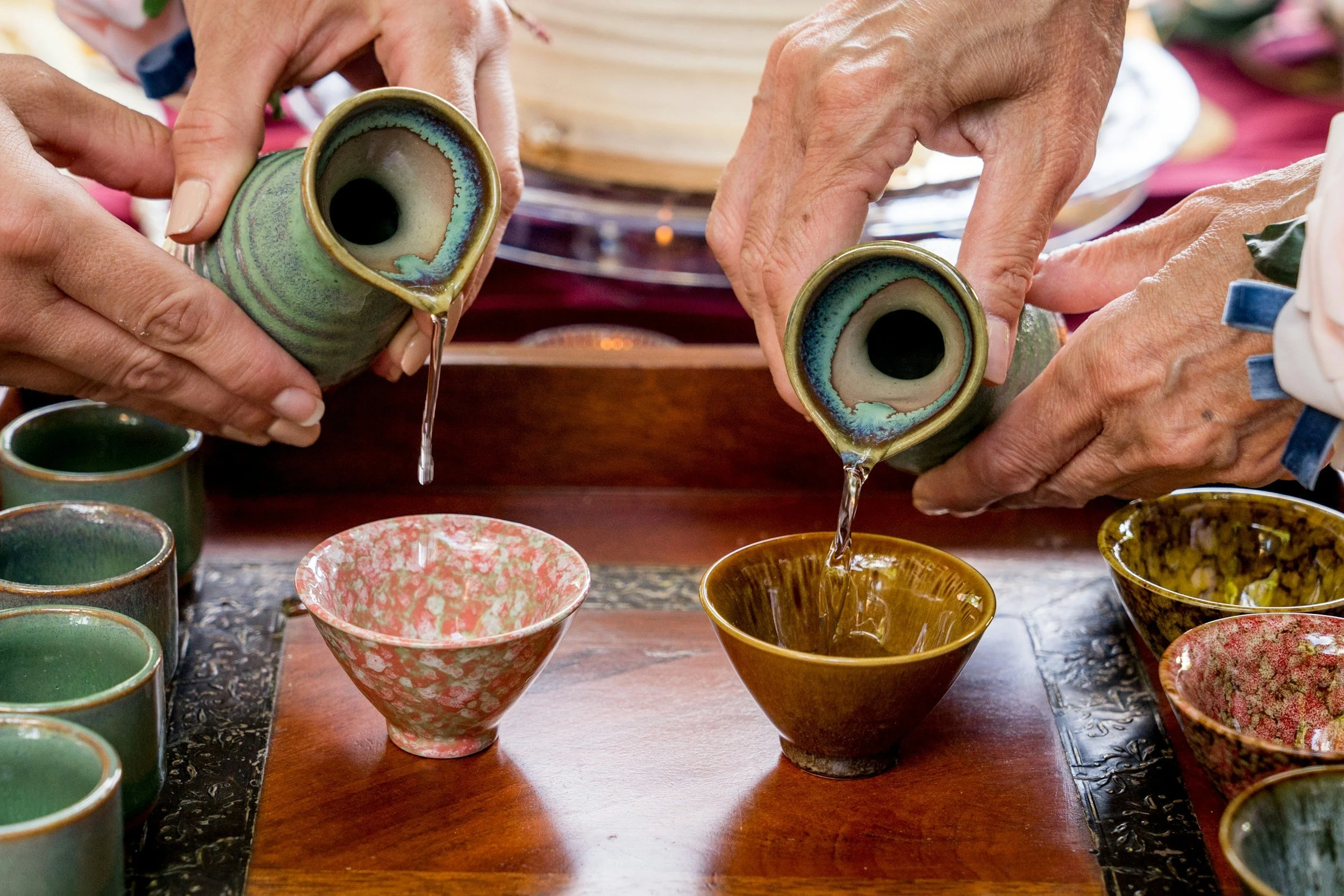
Traditional Sake-Making and the role of Koji: Koji is a mold used in Japanese fermentation traditions. In sake production, its enzymes help transform rice starch into sugars that yeast can ferment. The process illustrates how accumulated practical knowledge and careful control of ingredients and conditions contribute to a complex craft. Consider sake-producing areas such as Fushimi in Kyoto, Nada in Hyogo, or other regions with breweries that welcome visitors.
Washoku: The traditional dietary cultures of the Japanese, consists of a respect and recognition of ingredients and their origins as well as a seasonal awareness. Japanese cuisine also has some unique flavors such as dashi, ume, as well as some special preservation methods found in miso and pickles. The founder of TokudAw is a published nutritional scientist and can arrange a Treasure Session with a Japanese chef or a farmer to help you learn more about Japanese cooking and agriculture.
Traditional Japanese Performing Arts (Kabuki, Noh, and Bunraku): Japan's traditional performing arts offer different ways of exploring storytelling, music, movement, costume, and theatrical design. Kabuki is known for its stylized acting and visual spectacle and generations of family members performing. Noh combines music, dance, masks, and highly formalized performance and often can be seen on stages at festivals. Bunraku is a form of puppet theatre in which puppeteers, narrators, and musicians work together to bring stories to life.
Traditional Festivals: Especially in the summer, Japan is full of festivals that are centuries old. Several of these are recognized by UNESCO and involve elaborate floats, music, dance, costumes, rituals, and collective preparation. Kyoto's Gion Matsuri is one well-known example of a festival that extends over several weeks. TokudAw can help make arrangements to experience one of the UNESCO recognized festivals, or if you are curious and visiting Japan at a different time, we can arrange a museum visit for you. Many of these festivals have a museum where the parade floats and materials “live” when the festival is not happening—or examples of the items related to the event are on display.
Experience Japan's Heritage with Tokudaw
Japan's heritage is not only something to see. It is something to explore, question, taste, hear, and learn from.
A guided visit can help uncover the stories behind a historic building. A conversation with a craftsperson can reveal the skill and patience behind an everyday object. A walk through a forest can offer a deeper understanding of the ecosystems that make a place unique.
At Tokudaw, we help visitors explore Japan through cultural experiences, educational visits, transportation, and tailored itineraries. Whether you are planning a family journey, a student visit, a corporate cultural program, or a trip built around a particular interest, we can help you connect destinations with experiences that bring Japan's history, culture, and natural environments to life.
Interested in exploring Japan's heritage?
Contact Tokudaw to discuss a personalized itinerary or cultural and educational experience