
A local’s guide on where tattoos become a problem, how to access onsens and other facilities with a tattoo, where to find cover-up solutions and where to travel that is tattoo friendly.
Japan has a lot to offer to visitors who want to make the most out of their experience and combine active explorations like temples and museums, sport activities, monuments, hike in the first or walk in neighborhoods, but also relax at the beach or spend a relaxing day and enjoying onsen and Japanese bathing culture. Even if Japan has some specific rules around tattoos, you can still be able to experience everything. With a little preparation and the right organization you can make sure that your trip can allow you to enjoy your visits, keep your sport routine, relax, and avoid bad surprises.
Whether you have tattoos or not, TokudAw can help you build an itinerary and take care of your transportation to enjoy everything that Japan has to offer without feeling overstimulated or exhausted. Japan’s cultural connection to wellness makes it an especially rich destination to slow down. You can read more in TokudAw’s articles on slow travel in Japan, flexible itineraries, and wellness and onsen travel. From temple stay and forest bathing to onsen and sento bathing, there are many activities to enjoy, but travellers with tattoos may wonder whether they can access them all.
| Activities | Tattoo friendly? | How to prepare? |
|---|---|---|
| Sightseeing, Museums, and Parks | Usually no issue | Just enjoy |
| Running outdoors |
Usually no issue |
No need to cover your tattoos |
| Gym, Yoga, and crossfit | Covering may be required | Bring adapted clothes and ask in advance |
| Beaches and pools |
Covering may be required |
Bring or buy rash guards, swim leggings, or surf tops and water shoes. Ask in advance |
| Onsen, sentos, and spas | Policies vary | Check in advance, consider patches, look for private options |
| Formal meetings, restaurants | Covering may be preferred | Ask in advance |
What is Japan’s relationship to tattoos?
Tattoos in Japan carry a certain history and many meanings that are worth approaching with curiosity. On Japan’s main island, irezumi was developed as a traditional distinctive form of body art based on powerful symbolic connections, personal achievements, and later became associated with organized crime members. That association still influences some bathing facilities, hotels, and public spaces today. Historically, tattoos had also been used to punish criminals. This is the primary reason there is sensitivity to tattoos in Japan you may have heard about.
Nowadays, tattoos are still not as popular and subject to other regulations that vary between establishments, however you can also find many talented tattooed Japanese artists.
At the same time, tattoo traditions in Japan were never limited to one story or the central part of Japan. On the most recently annexed territories and their indigenous peoples, the Ainu communities in Hokkaido and Ryukyuan communities in Okinawa, and the Amami Islands, tattoos such as Ainu women’s facial markings or hajichi hand tattoos carried meanings linked to identity, adulthood, protection, and belonging. In the Meiji era (~1868-1912), the government decided to ban decorative tattooing. These policies disrupted traditions in the native Ainu and Ryukyu communities.
What sport activities can I do in Japan with my Tattoos?
There is no nationwide law preventing travelers with tattoos from enjoying Japan, however some establishments may have private rules and people are wary of tattoos. Most sightseeing, museums, restaurants, shopping streets, parks, and outdoor activities are open to you, and going for a run or walk outdoors generally does not require covering your tattoos.
For gyms, yoga studios, sports clubs, and CrossFit spaces, however, many ask visitors to cover visible tattoos. Pack a few versatile pieceslong leggings, sweatpants, a longer-sleeve top, or a light athletic layer so you can move comfortably without needing to buy special sleeves.
If you use ClassPass or book a class online, check the facility’s own website before reserving because the booking platform may not mention its tattoo policy. TokudAw can also help confirm policies for the studios and clubs on your route. For beaches and swimming pools, bring a rash guard, surf top, or longer swim leggings if the location asks you to cover your tattoos. Even if the tattoo is on your foot!
Useful places to look for suited clothes include Mont-Bell for outdoor and water-sports gear, Decathlon Japan for affordable swim and sportswear, Goldwin for technical apparel, and Uniqlo or GU for simple everyday layers.
Can I access Sentos and Onsen with my tattoos?
Bathing is one of Japan’s most meaningful cultural experiences, so it is worth preparing thoughtfully. Many onsens (hot springs), super-sento (day-use facilities with multiple soaking pools), and some hotel spas still do not permit visible tattoos, while others accept small tattoos when covered with waterproof, skin-colored patches. Policies are set by each establishment, so check its website, ask your hotel to call ahead, or contact the bath directly before visiting.
Neighborhood sentos (bath houses) are often more flexible than large onsen or luxury spas, but this is not a rule. Some accept covered tattoos others do not accept tattoos even when covered. Lots of local sento and onsen facilities have a website with an FAQ section. It is always useful to have a look. If you have no way to check on the internet, you can always ask your guide or hotel to call them for you. It is important to double check because even if no rule is written, each facility has the right to ask you to leave if someone complains about your tattoos.
Some places will allow you access the facility only if your tattoos are covered. For smaller tattoos, look for waterproof tattoo-cover seals at Don Quijote, Matsumoto Kiyoshi, Welcia, or Tsuruha. Don Quijote often sells multipacks in different sizes and skin tones, while waterproof medical tape can be useful for very small tattoos. An exact skin-tone match is not essential, though it can be more difficult for travelers with darker skin to find something close to natural color.
If you have larger or multiple tattoos, a private bath (kashikiri) or a tattoo-friendly onsen may be the easiest choice. Private baths may be included with your room or available for an additional fee, depending on the property. TokudAw can help identify suitable options and arrange a stay or day trip around them.
Are there specific destinations that are tattoo friendly?
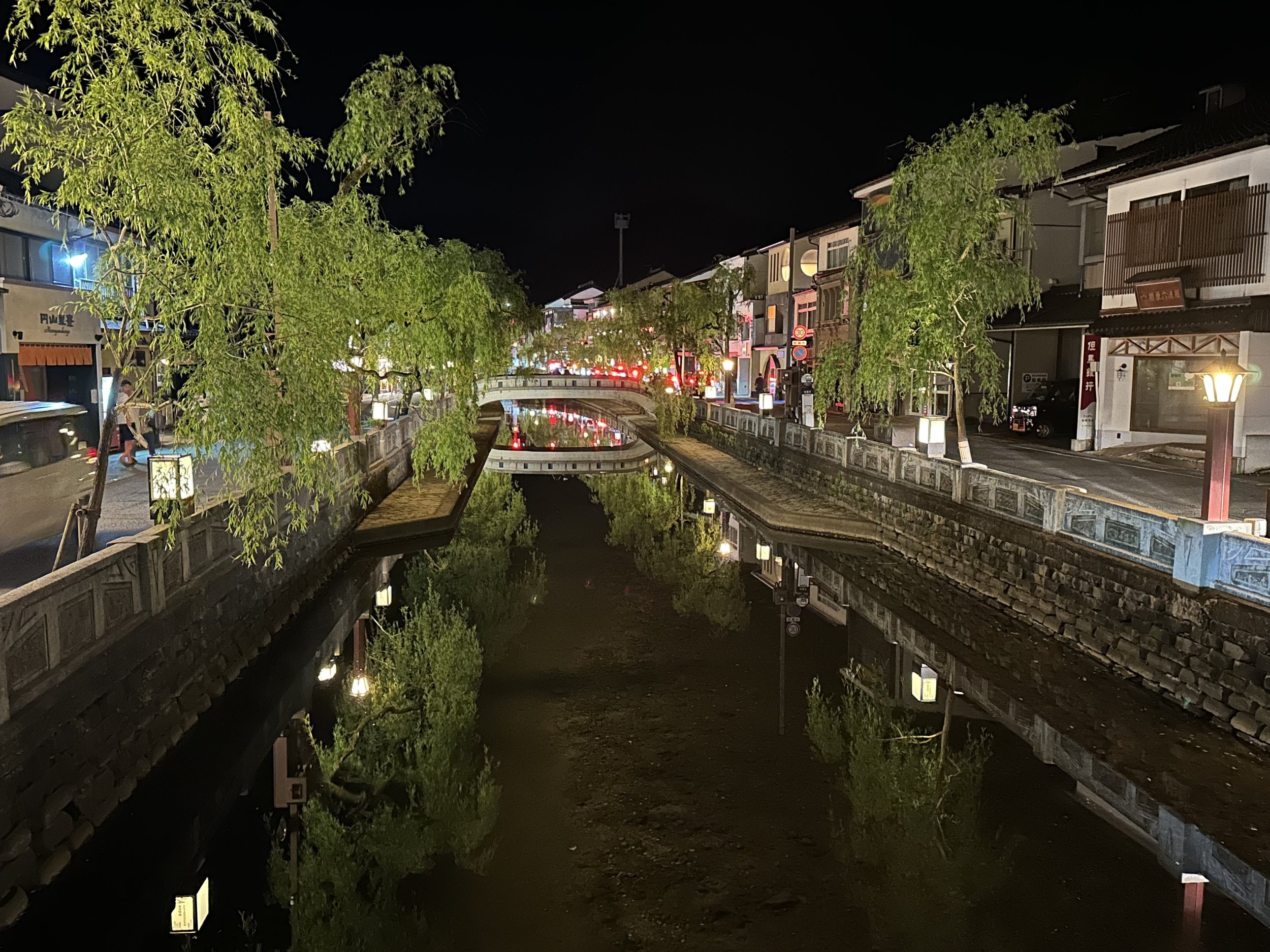
Kinosaki onsen in Hyogo prefecture is an onsen town where all of the public onsens are tattoo friendly. The town is a half-day drive from Kyoto. Visitors can obtain an onsen hopping pass and visit all 7 onsens on foot in the walkable town at the base of a mountain.
Where can I learn about tattoos in Japan?
There are a few ways to explore Japan’s tattoo history beyond reading. In Tokyo, exhibitions on Edo-period art, ukiyo-e, and popular culture sometimes include irezumi imagery, since it drew heavily from woodblock-print aesthetics. If you are visiting an archeological site or The Tokyo National Museum, pay attention to some of the clay figures as they might carry what is believed to be ancient facial tattoos.
The Yokohama Tattoo Museum, associated with master tattoo artist Horiyoshi III, is an important archive and cultural hub for irezumi, but it is not a regular walk-in tourist attraction. Visits generally require advance arrangements. For a broader cultural context, the Ainu Museum in Shiraoi, Hokkaido, and museums in Okinawa can help visitors understand tattoo traditions that developed outside the main-island.
Should I be careful about my tattoos in more formal settings in Japan?
People in Japan generally understand that tattoos carry different meanings in different countries and cultures. However, on more formal occasions such as an elegant restaurant, a business meeting, or a special event, it is always considerate to inquire in advance whether covering your tattoos would be preferred. This small gesture can help everyone feel comfortable and avoid bad surprises or impressions. For travelers interested in the wider context of Japanese manners, TokudAw’s guide to business etiquette in Japan offers useful background to prepare your meetings in Japan.
If you would rather not call a bath, hotel, gym, or spa yourself, ask your accommodation’s front desk to inquire on your behalf. TokudAw can also help select tattoo-friendly options, contact facilities in advance, and build an itinerary that lets you enjoy Japan’s culture and wellness traditions without thinking too much about your tattoos.